Chimpanzee Tracking
Walk with a ranger guide through Kibale Forest to find a habituated chimpanzee community feeding, calling and moving through the trees.
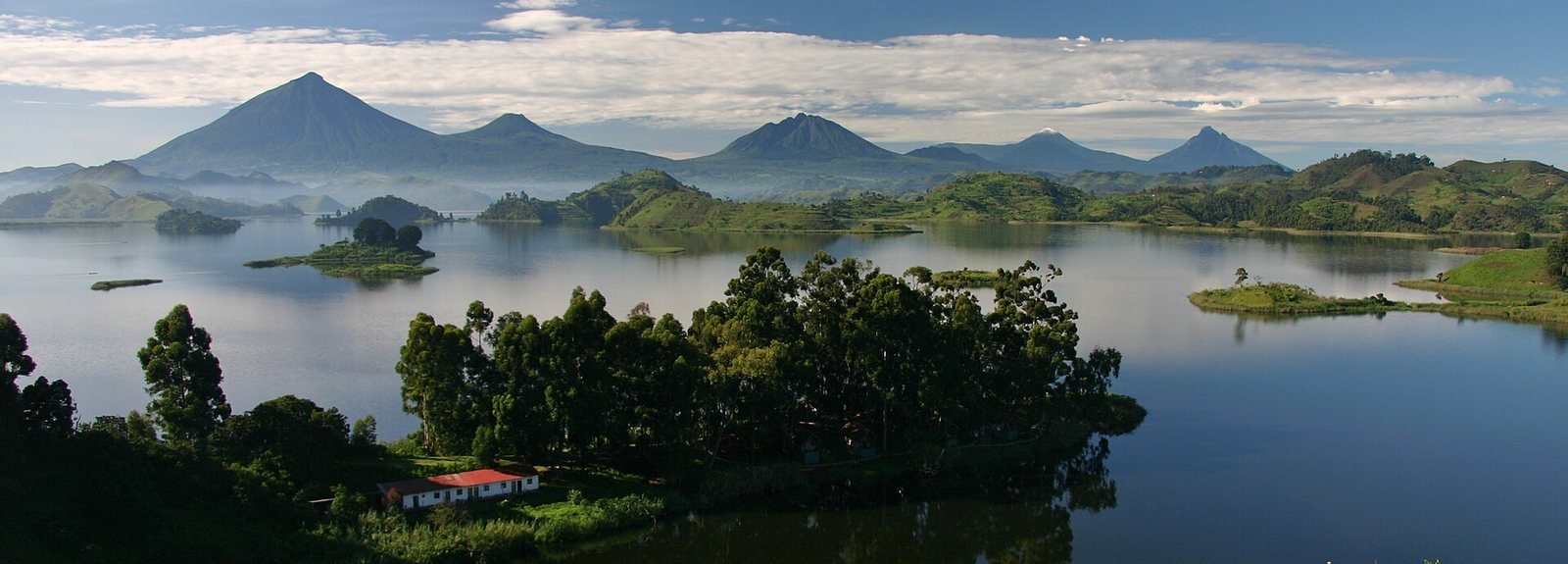
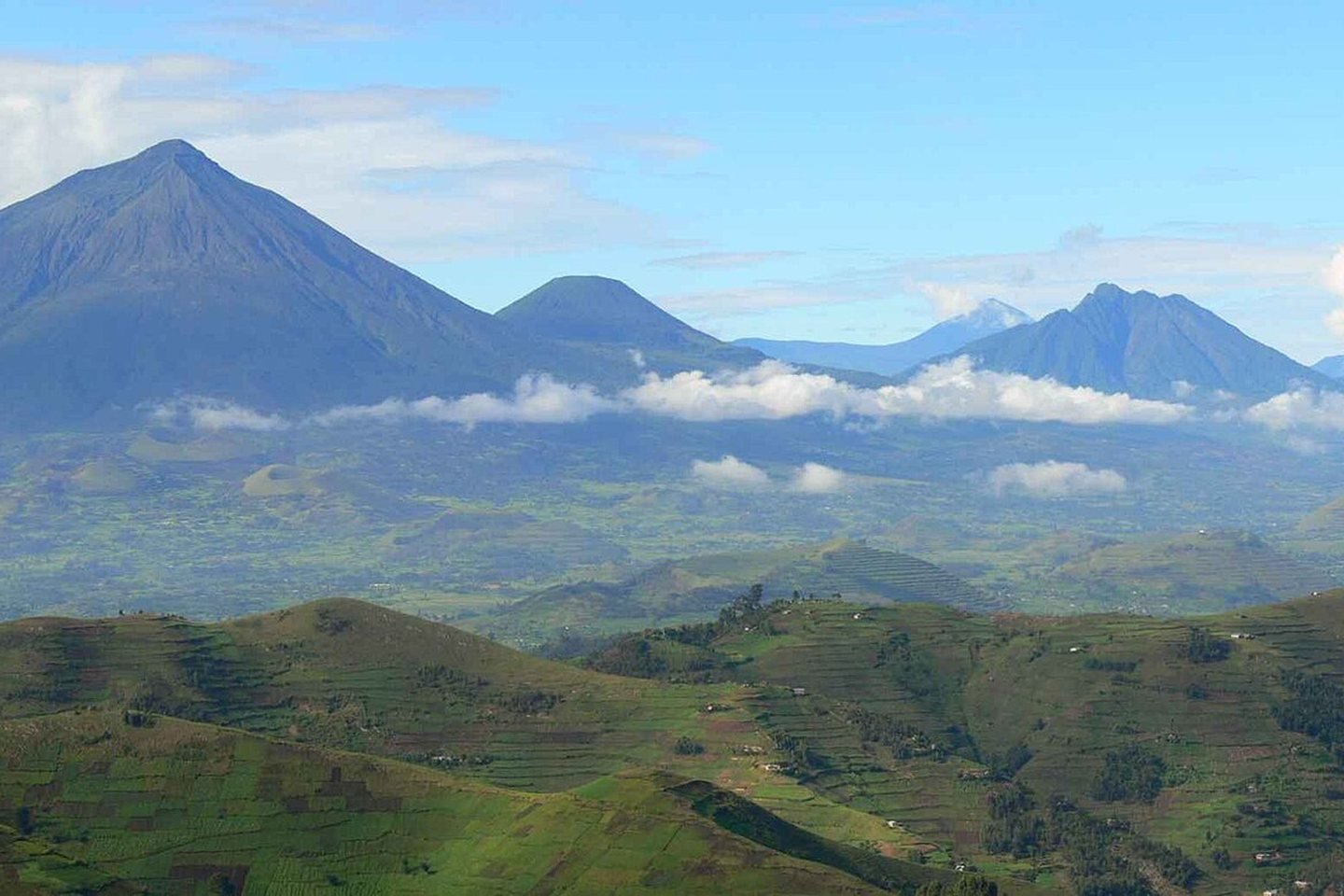
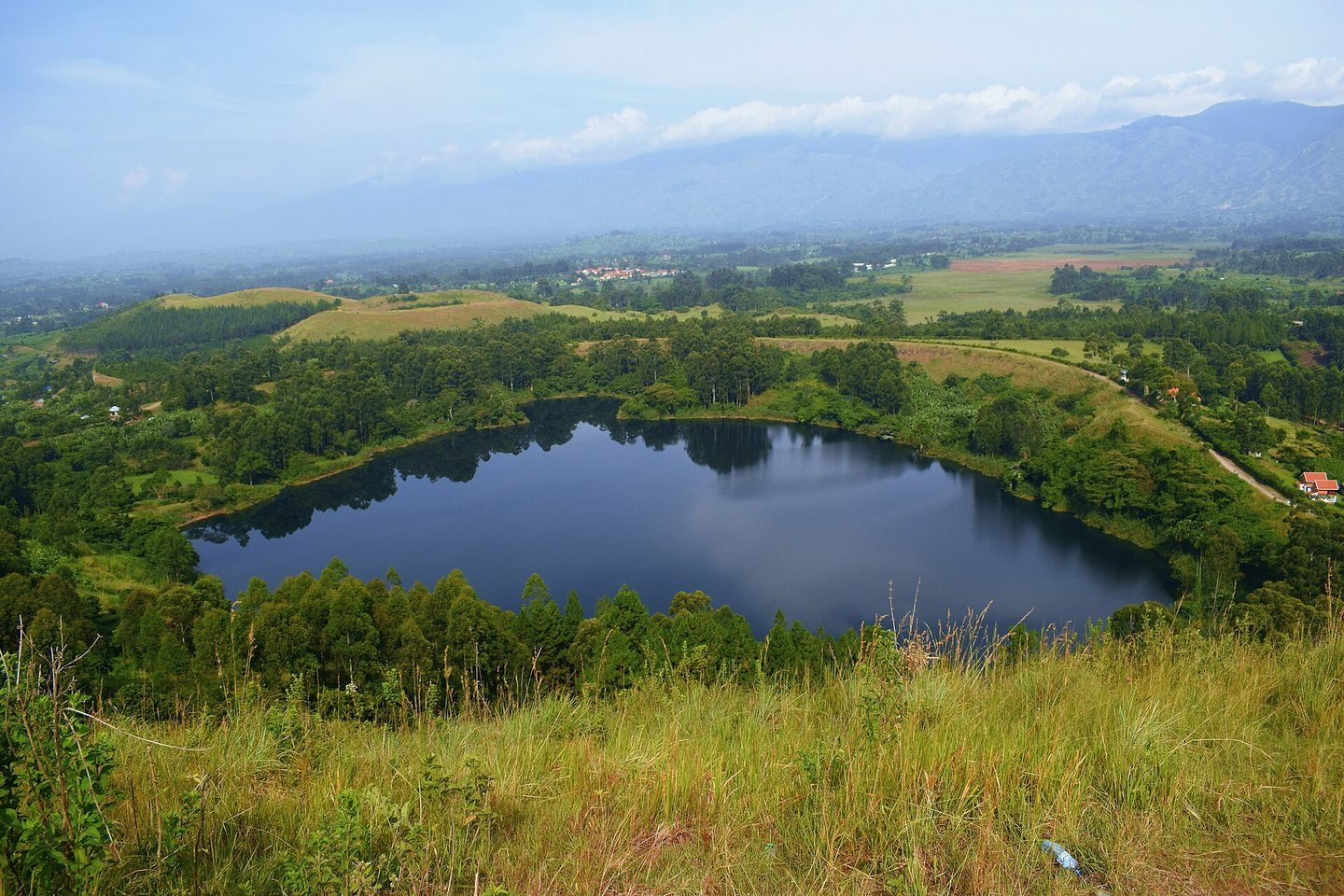
Uganda is a green, landlocked country in East Africa, set on the equator between Kenya, Tanzania, Rwanda, South Sudan and the Democratic Republic of the Congo. Winston Churchill famously called it the Pearl of Africa, and its rainforests, savannahs, crater lakes and snow-capped mountains still live up to the name.
From tracking mountain gorillas in Bwindi and chimpanzees in Kibale to boat safaris on the Kazinga Channel, the thundering Murchison Falls and the point where the Nile leaves Lake Victoria at Jinja, Uganda offers some of Africa's most rewarding wildlife experiences, ideal for adventurous couples, families and nature lovers.
Bwindi and Mgahinga protect around half of the world's mountain gorillas, and a trek to meet a gorilla family is a once-in-a-lifetime experience.
Look for elephants, lions, buffalo, giraffes and hippos on game drives and boat trips in Queen Elizabeth, Murchison Falls and Kidepo Valley national parks.
Track chimpanzees in Kibale Forest and spot colobus and other monkeys in the forests of western Uganda.
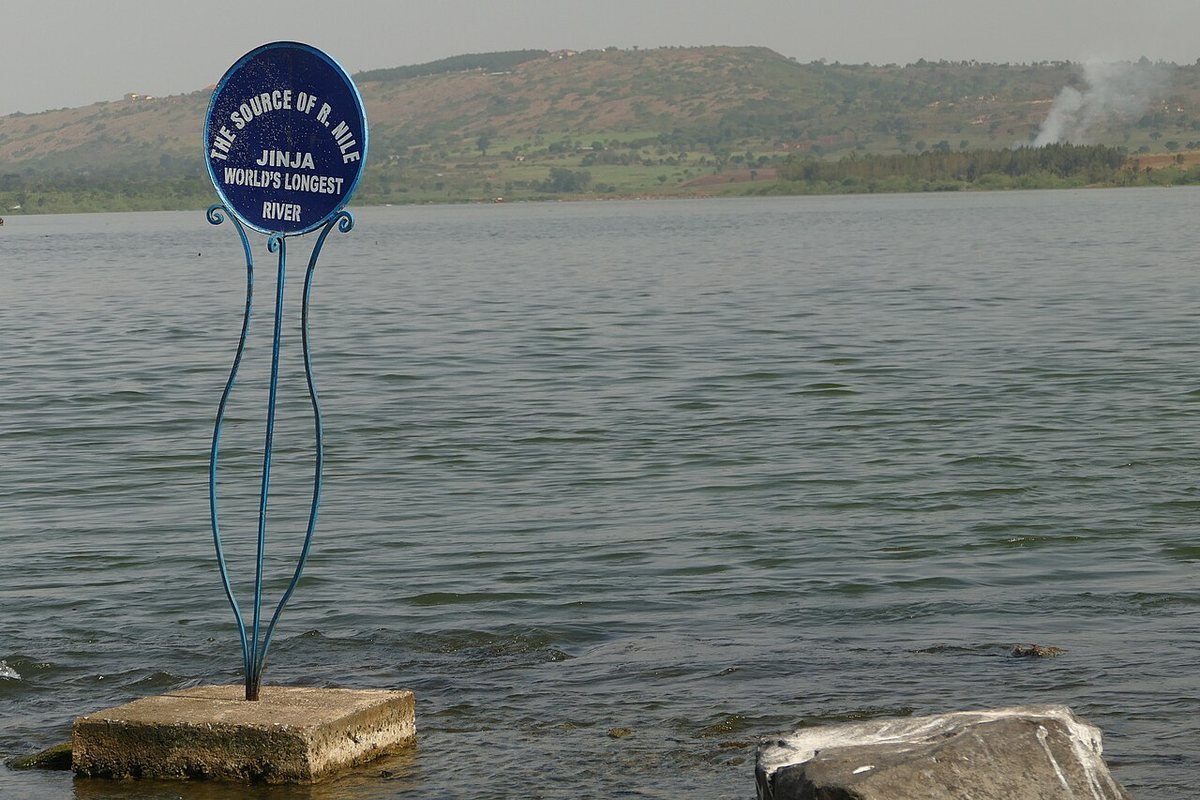
Stand where the Nile flows out of Lake Victoria at Jinja, now a base for white-water rafting, kayaking and sunset boat trips.
With more than 1,000 recorded bird species, including the shoebill and the grey crowned crane, Uganda is a paradise for birders.
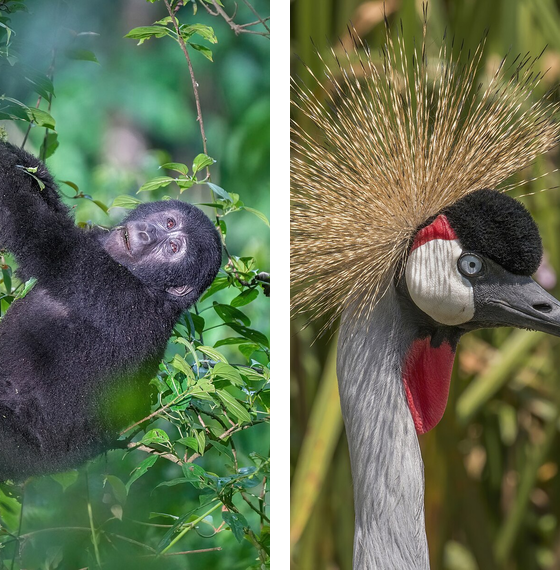


Bwindi Impenetrable National Park, a UNESCO World Heritage Site in south-west Uganda, protects ancient misty rainforest and around half of the world's mountain gorillas. Small groups trek with ranger guides through the forest to spend an unforgettable hour with a habituated gorilla family.


*Gorilla permits are limited and should be booked well in advance. Trekkers must be at least 15 years old.
Queen Elizabeth National Park stretches between Lake George and Lake Edward below the Rwenzori Mountains. Cruise the Kazinga Channel past hippos, buffalo and elephants, head out on game drives across the savannah, and visit the Ishasha sector, once famous for its tree-climbing lions, though only a few remain today.


*Ishasha lies in the south of the park, on the route between the Kazinga Channel area and Bwindi.
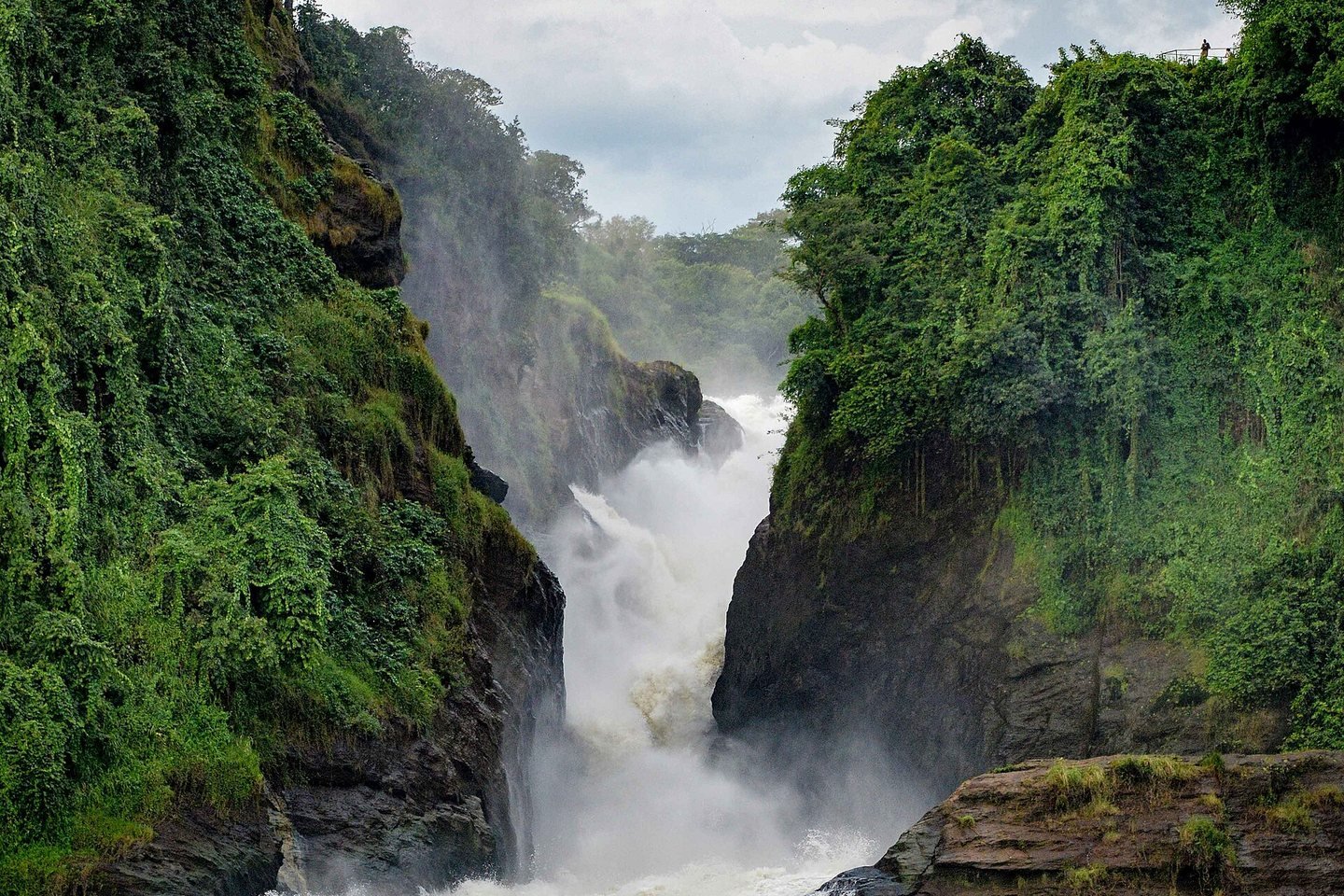
In Uganda's largest national park, the Nile squeezes through a narrow gorge and plunges in a thundering waterfall. Cruise upstream to the foot of the falls past hippos and crocodiles, hike to the top of the falls, and look for giraffes, elephants and lions on game drives north of the river.


*Murchison Falls is about five to six hours' drive from Kampala, and many trips stop at Ziwa Rhino Sanctuary on the way.

Walk with a ranger guide through Kibale Forest to find a habituated chimpanzee community feeding, calling and moving through the trees.
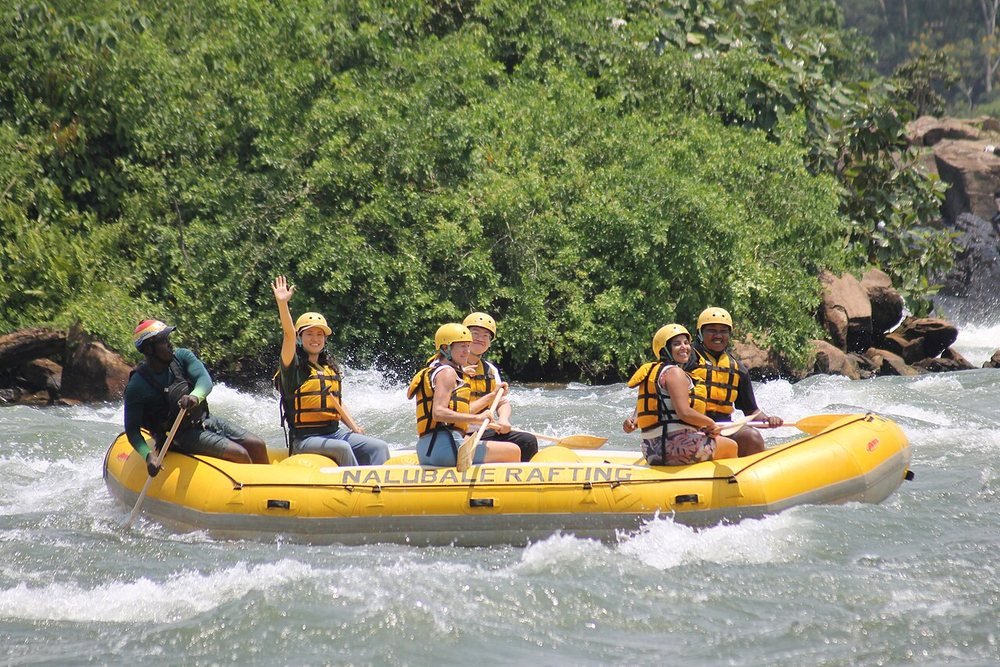
Take on the big rapids of the Nile below Jinja on a guided white-water rafting day, or choose a gentler float trip.
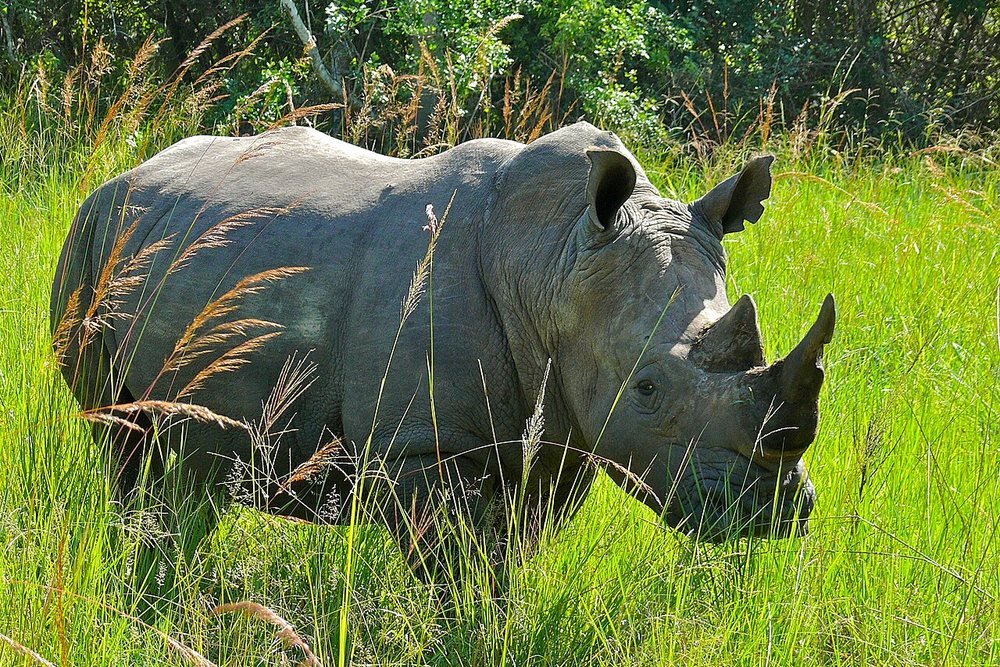
Track southern white rhinos on foot with rangers at Ziwa Rhino Sanctuary, on the road between Kampala and Murchison Falls.

Glide by canoe through the papyrus channels of Mabamba Swamp near Entebbe to look for the rare and prehistoric-looking shoebill.
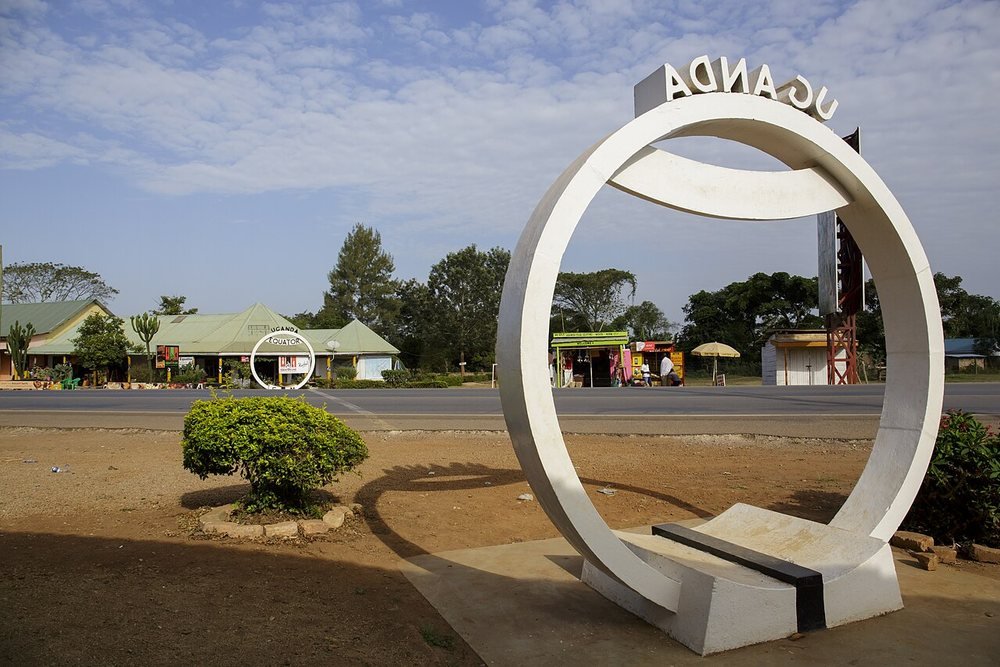
Stop at the Equator monument at Kayabwe on the Kampala–Masaka road for photos with a foot in each hemisphere.
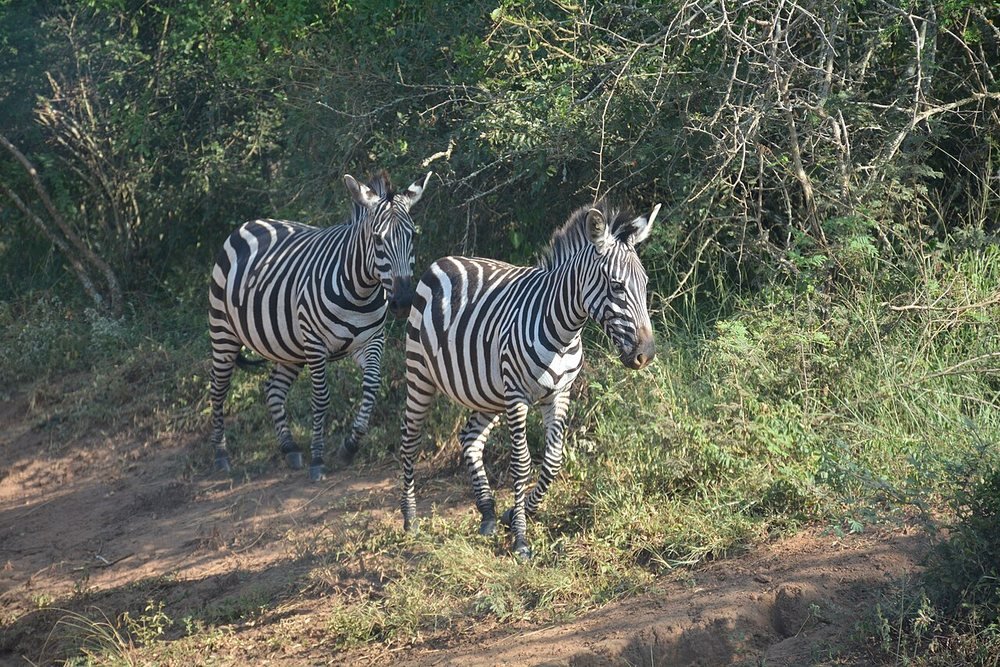
See zebras, impala and eland at Lake Mburo National Park, which also offers boat trips and guided walking safaris.

Explore Uganda's lively capital, from the Uganda National Mosque and its minaret views to busy markets, craft shops and restaurants.
*Gorilla and chimpanzee treks have minimum age limits, and permits for both should be booked well in advance.
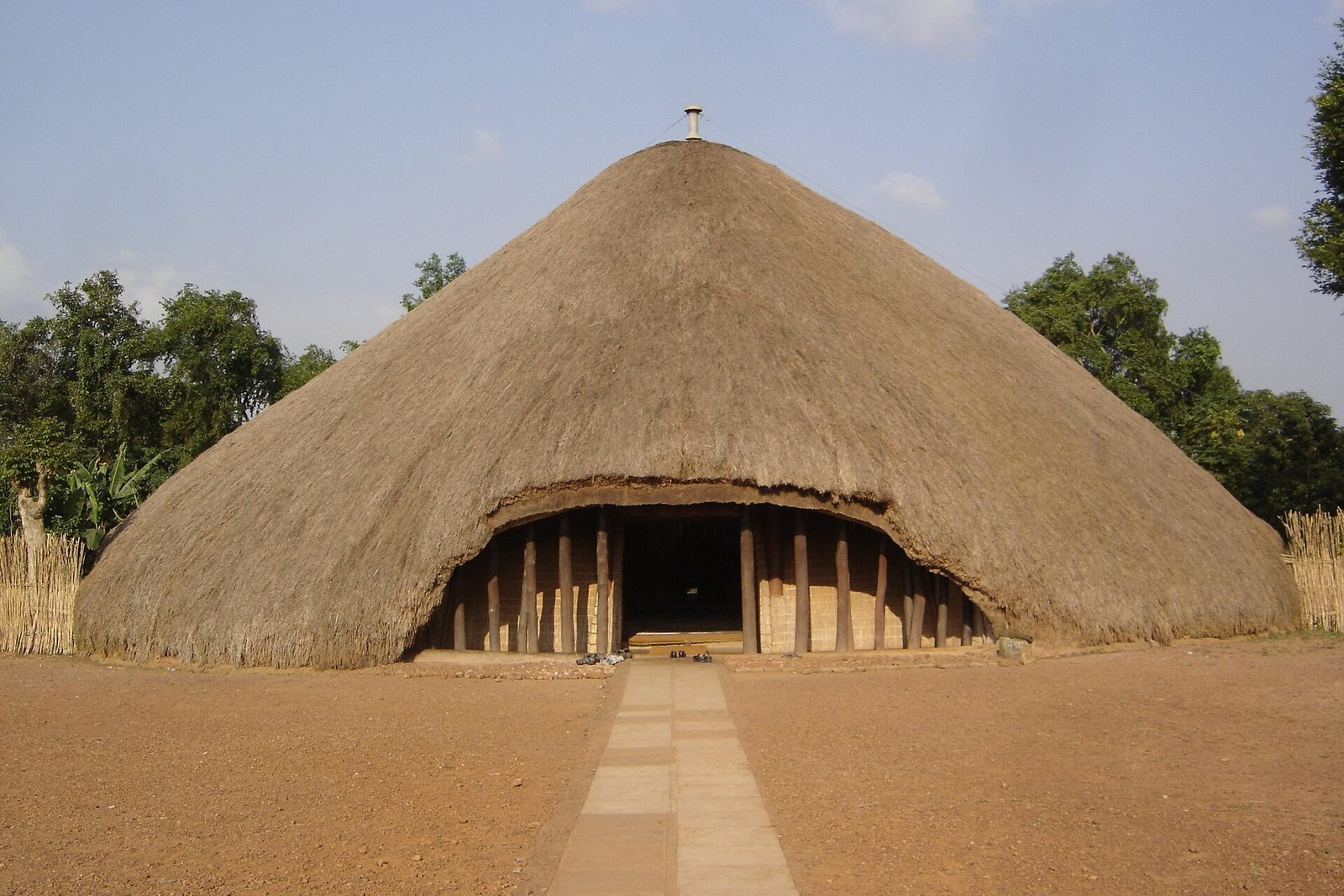
Uganda is home to dozens of ethnic groups, each with its own music, dance and traditions. Enjoy an evening of drumming and dance at the Ndere Cultural Centre in Kampala, visit the Kasubi Tombs, the royal burial ground of the Buganda kings and a UNESCO World Heritage Site, and look out for bark cloth, an ancient Ugandan craft made from the bark of fig trees.

Uganda can be visited all year. The dry seasons, from December to February and from June to September, are the best time for gorilla trekking, chimpanzee tracking and game drives, as forest trails are less muddy. The rainy months of March to May and October to November bring greener landscapes and fewer visitors, though some roads and trails can be slippery.
Uganda lies on the equator, but its altitude keeps the climate pleasant. Days are usually warm, mostly around 25°C to 30°C, while Bwindi, Lake Bunyonyi and the mountains are cooler, with chilly mornings and nights.
Peak Season: June to September and December to February, when dry weather makes trekking and safaris easier and gorilla permits are in highest demand.
Off-Peak Season: March to May and October to November, when the rains bring lush scenery, fewer visitors and better lodge offers.
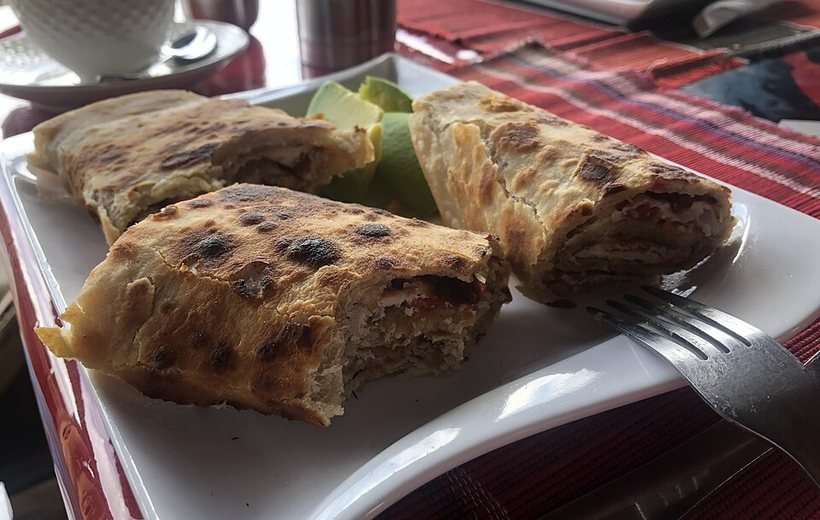
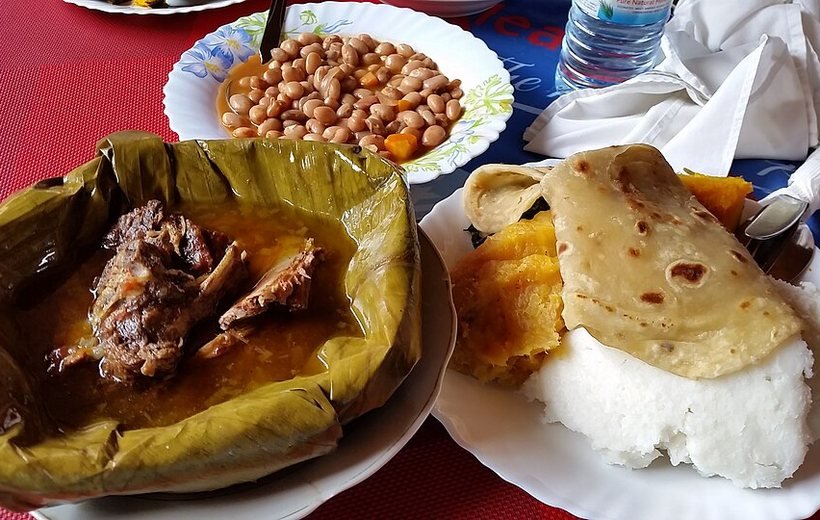
Ugandan food is hearty and simple, built around fresh local produce. Try matoke, steamed and mashed green bananas often served with groundnut sauce; luwombo, a stew slow-cooked in banana leaves; fresh tilapia from Lake Victoria; and the rolex, a favourite street snack of omelette rolled in a chapati. Kampala also has many Indian restaurants, so familiar flavours and vegetarian meals are easy to find in the city.


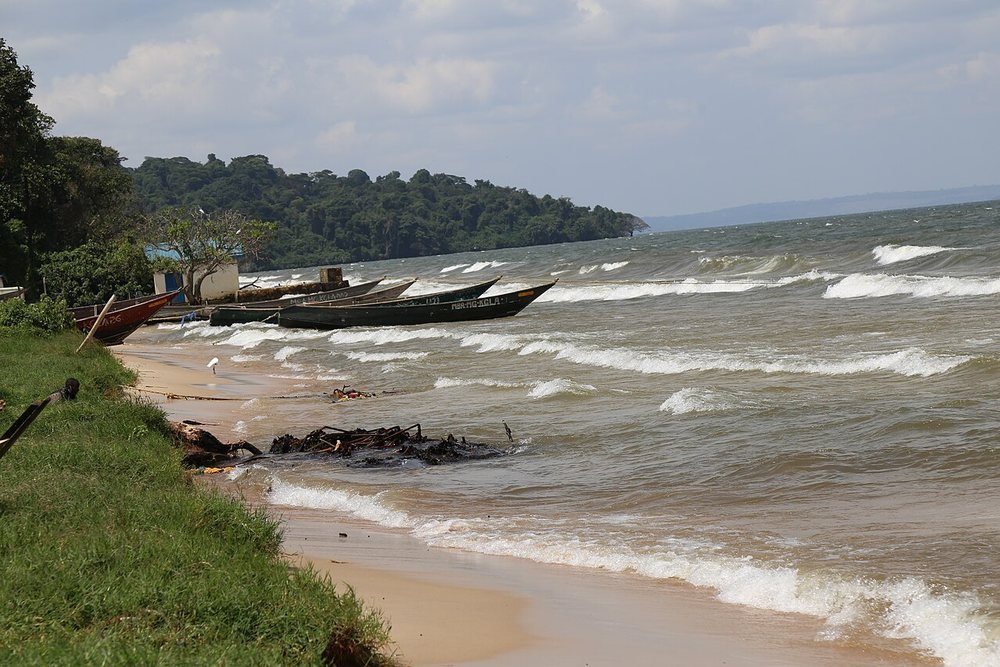
Most visitors fly into Entebbe International Airport on the shores of Lake Victoria, about 40 km from Kampala. From there, the national parks are reached by road in a safari vehicle or by light aircraft to airstrips near the main parks.
Uganda Airlines flies direct between Mumbai and Entebbe. From other Indian cities, convenient one-stop connections run via Dubai, Doha, Nairobi or Addis Ababa.
Indian passport holders need a visa, applied for online before travel. Uganda no longer asks for a yellow fever certificate on entry, but India requires one when you return, so get vaccinated before you go. Rules change, so check current requirements; we assist with visas.
Most safaris use a private 4x4 vehicle with a driver-guide. Light aircraft link Entebbe with airstrips near Bwindi, Queen Elizabeth, Murchison Falls and Kidepo, and boats run on the Kazinga Channel and the Nile.
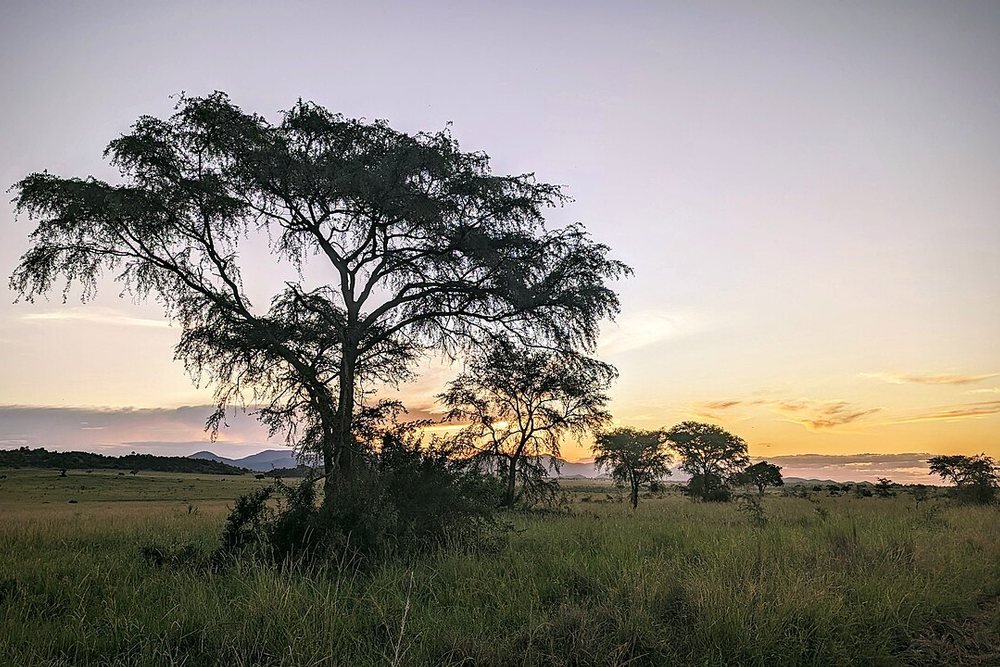


The dry seasons from December to February and June to September are best for gorilla trekking and safaris. Uganda can be visited all year, and the rainy months bring lush scenery and fewer visitors.
Yes. Indian passport holders apply online for a visa before travel. Uganda no longer requires a yellow fever certificate for entry, but India checks for one when you return from Uganda, so get vaccinated at least 10 days before departure. Rules change, so check current requirements; we assist with visas.
Fly direct from Mumbai to Entebbe with Uganda Airlines, or take a one-stop flight from other Indian cities via Dubai, Doha, Nairobi or Addis Ababa.
Three days is enough for a quick gorilla trek in Bwindi. Allow 7 to 10 days to combine gorillas with chimpanzee tracking in Kibale and safaris in Queen Elizabeth and Murchison Falls national parks.
Uganda is famous for its mountain gorillas, chimpanzees, the source of the Nile at Jinja, Murchison Falls, Lake Victoria and the Rwenzori Mountains.
Treks can take from one to several hours through steep, muddy forest, so a reasonable level of fitness helps. Porters can be hired at the start, and once you find the gorillas you spend one hour with them.
English and Swahili are the official languages, and English is widely spoken in hotels, lodges and tourist areas. Luganda is the most common local language around Kampala.
Pack light layers in neutral colours, a rain jacket, sturdy waterproof walking boots, long trousers and sleeves for forest treks, gardening gloves, insect repellent, sunscreen and binoculars.

: Subscribe to our newsletter and be the first to know about exclusive offers, new destinations, and travel tips.