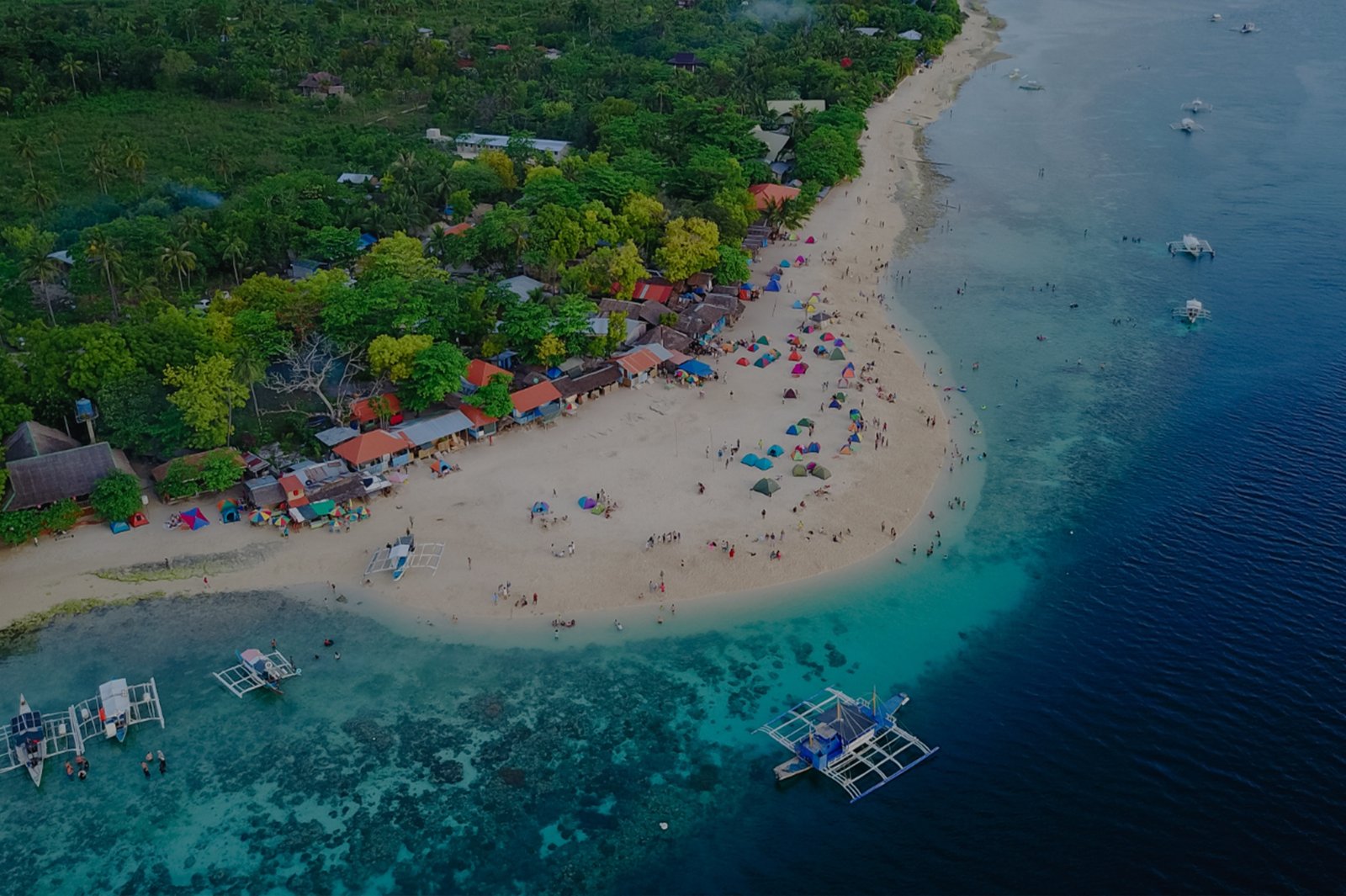
Bhutan is a breathtaking Himalayan kingdom known for its pristine landscapes, ancient monasteries, vibrant culture, and commitment to preserving its natural heritage. From majestic mountains and peaceful valleys to colorful festivals and iconic fortresses, Bhutan offers an unforgettable experience for every traveler. Whether you're seeking spiritual exploration, adventure, nature, or cultural immersion, Bhutan has something for everyone.
Bhutan is famous for its stunning Himalayan scenery, rich Buddhist heritage, traditional architecture, and unique philosophy of Gross National Happiness. Visitors can explore ancient monasteries, scenic mountain trails, charming villages, and vibrant festivals while experiencing the country's warm hospitality and peaceful atmosphere.
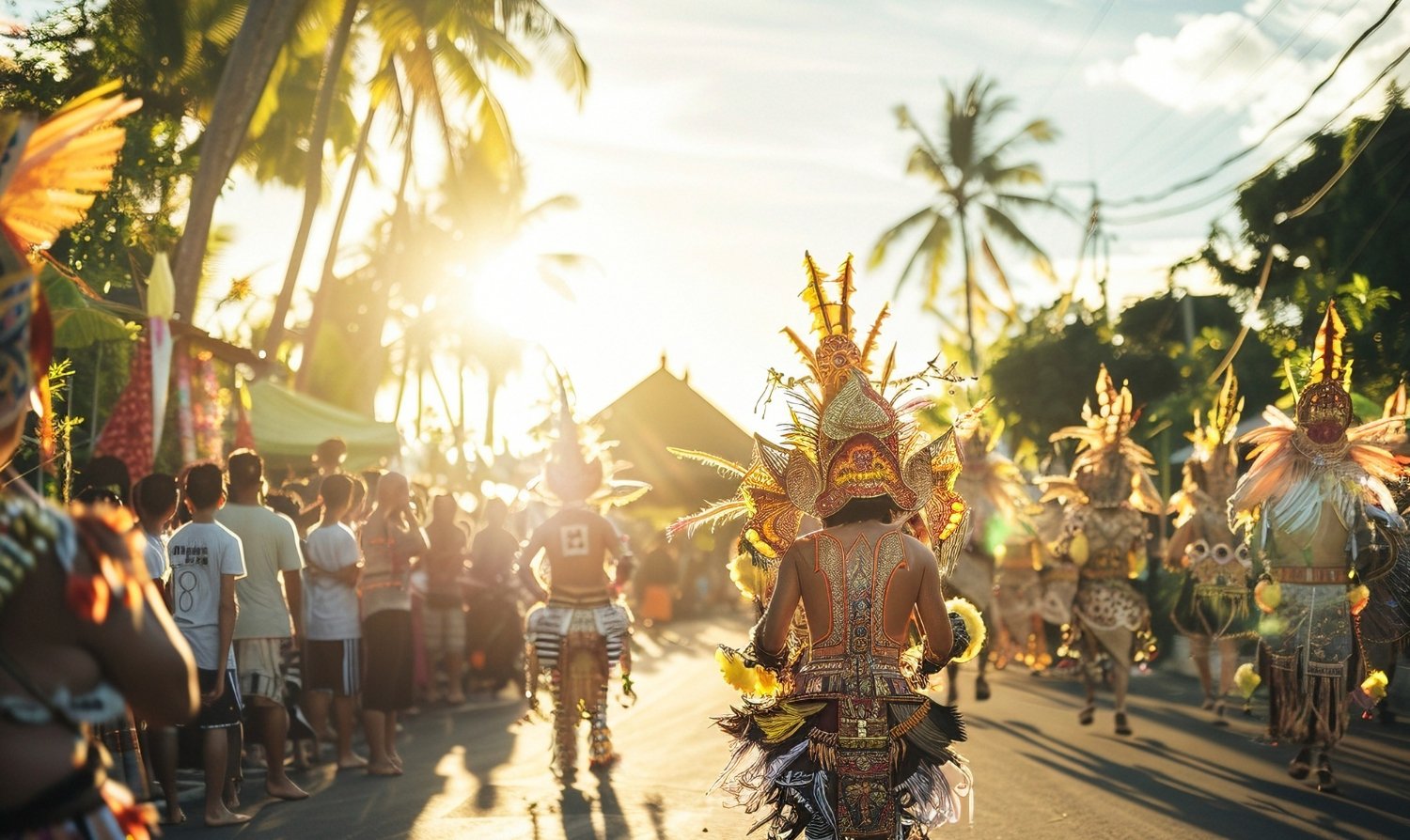
Experience Bhutan's rich cultural heritage through ancient monasteries, traditional Dzongs, colorful Tsechu festivals, Buddhist rituals, local handicrafts, and authentic Bhutanese cuisine while embracing the country's peaceful way of life.
Bhutan experiences four distinct seasons, each offering a unique travel experience. Spring (March to May) brings blooming rhododendrons and pleasant weather, making it perfect for sightseeing and trekking. Summer (June to August) is warm with occasional monsoon showers, creating lush green landscapes. Autumn (September to November) offers clear skies, crisp mountain views, and vibrant festivals, making it one of the best times to visit. Winter (December to February) is cool and peaceful, with snow-covered mountains and fewer tourists.
Bhutan has a diverse climate influenced by its mountainous terrain. Temperatures generally range from -2°C to 25°C, depending on the region and season. Lower valleys remain pleasant throughout the year, while higher altitudes experience cooler temperatures, making Bhutan a year-round destination.
Peak Season:March to May and September to November, when the weather is pleasant, mountain views are at their clearest, and colorful cultural festivals take place.
Off-Peak Season: June to August and December to February, offering fewer crowds, peaceful surroundings, attractive hotel deals, and unique seasonal experiences.
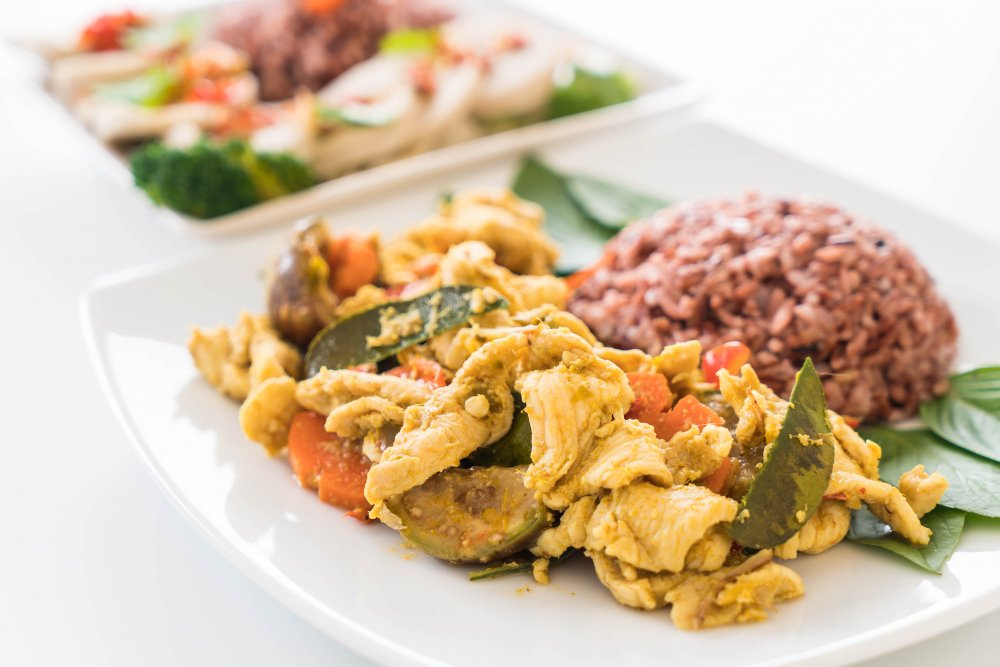
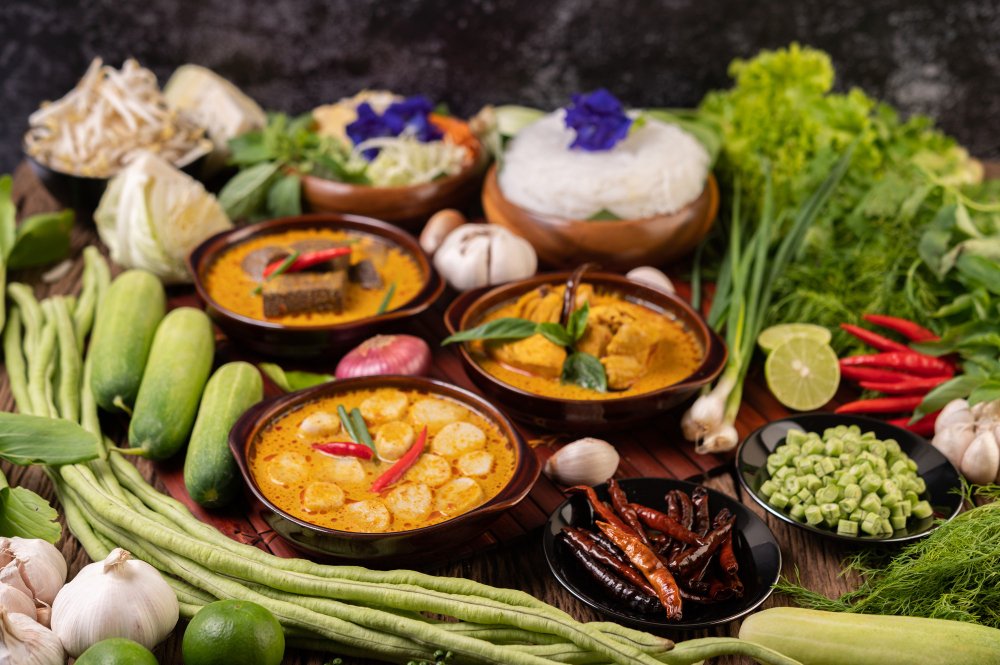
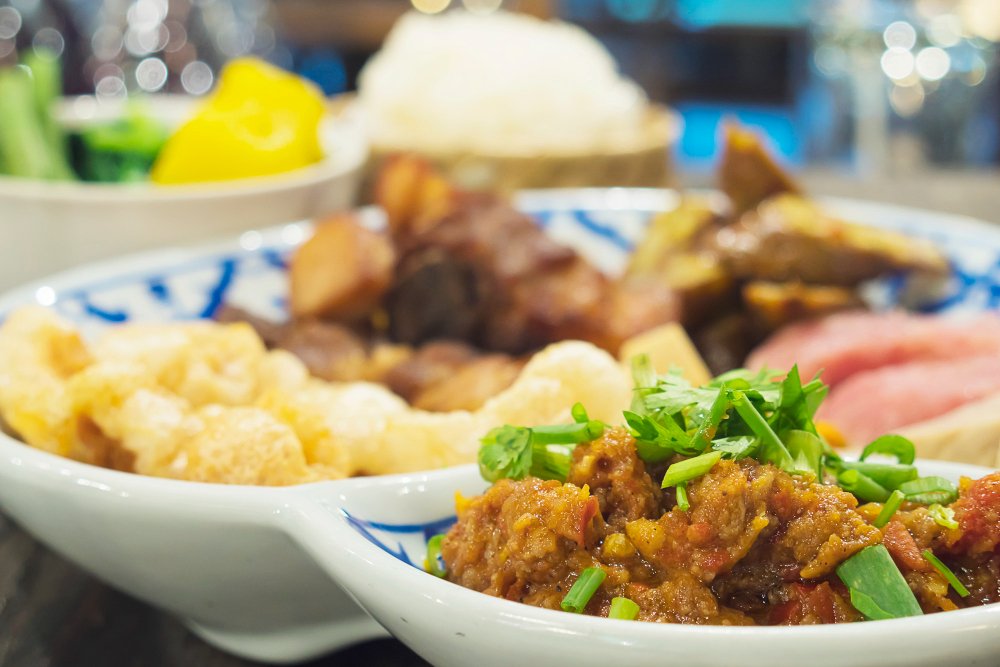
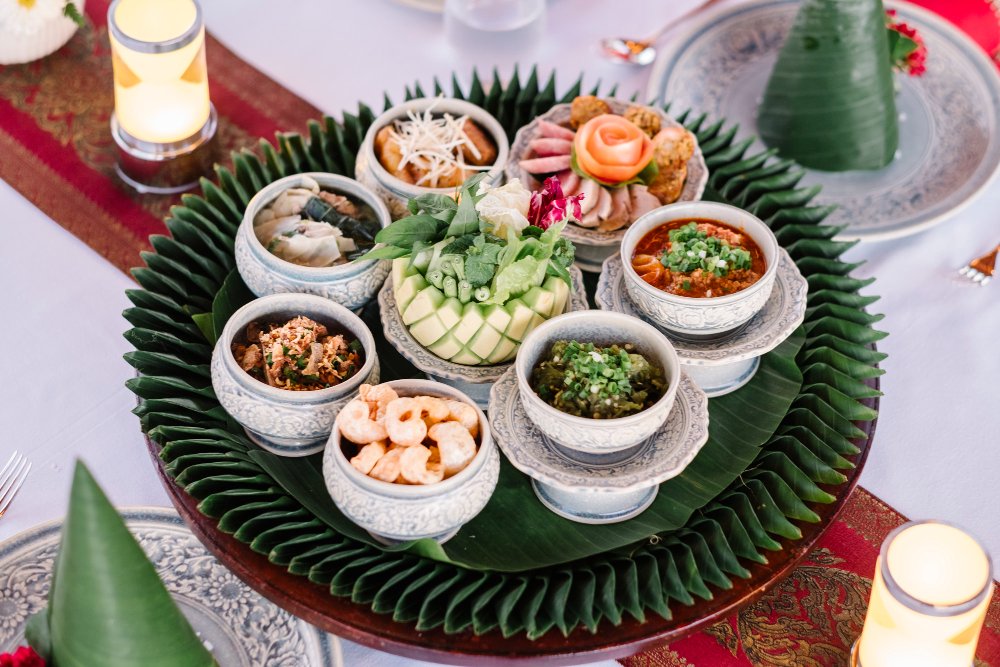
Bhutanese cuisine is known for its bold flavors, locally grown ingredients, and generous use of chili peppers. Enjoy traditional dishes like Ema Datshi, Phaksha Paa, Jasha Maroo, Momos, Red Rice, and Suja (butter tea). Don't miss the opportunity to taste authentic Himalayan flavors during your visit.
Bhutan is easily accessible by air and road, with convenient connections from India and neighboring countries. The country's well-managed tourism infrastructure ensures a smooth and memorable travel experience.
Direct flights operate from major Indian cities such as Delhi, Kolkata, Guwahati, and Bagdogra to Paro International Airport, Bhutan's only international airport. Connecting flights are also available from other Indian cities.
There are no direct train services to Bhutan. Travelers can reach border towns such as Jaigaon (India) and enter Bhutan through Phuentsholing by road. Bus and taxi services are available from nearby Indian cities.
Explore Bhutan using private taxis, tourist vehicles, local buses, and guided transportation services, making travel between valleys, monasteries, and scenic destinations comfortable and convenient.
The best time to visit Bhutan is during Spring (March to May) and Autumn (September to November), when the weather is pleasant and the mountain views are spectacular.
Indian citizens do not require a visa to visit Bhutan. However, a valid passport or Voter ID card is required for entry, subject to current travel regulations.
The official currency is the Bhutanese Ngultrum (BTN). Indian Rupees (INR) are also widely accepted in most parts of the country.
A 5 to 7-day trip is ideal to explore Paro, Thimphu, Punakha, and other popular destinations.
Yes. Bhutan is considered one of the safest travel destinations in Asia, offering a peaceful environment, friendly locals, and a welcoming atmosphere.
Must-visit attractions include Tiger's Nest Monastery, Punakha Dzong, Buddha Dordenma, Dochula Pass, Thimphu, and Phobjikha Valley.
Dzongkha is the official language. English is widely spoken in schools, hotels, tourist establishments, and major towns.
Pack comfortable walking shoes, layered clothing, a warm jacket for cooler regions, sunscreen, sunglasses, a reusable water bottle, personal medications, and your essential travel documents.
: Subscribe to our newsletter and be the first to know about exclusive offers, new destinations, and travel tips.