Desert Safari
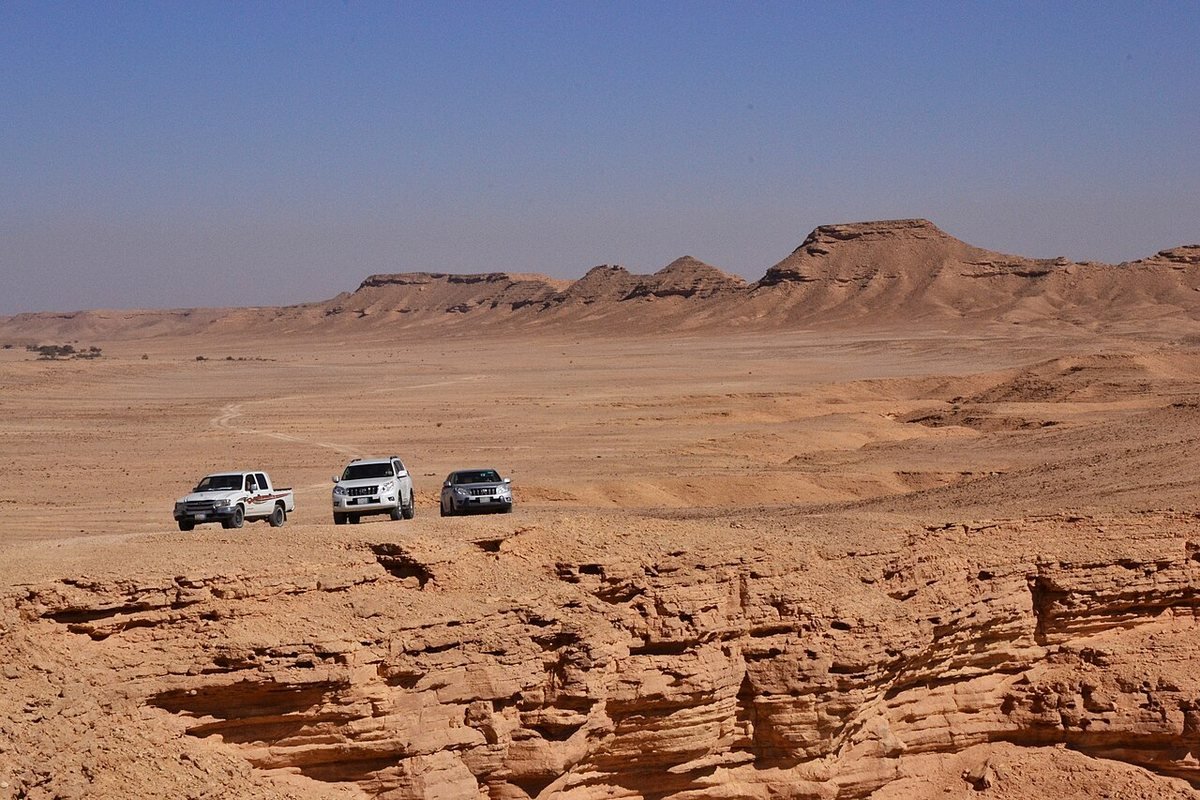
Head out by 4x4 to the red sand dunes around Riyadh for dune driving, sandboarding and an evening at a desert camp.

Saudi Arabia is the largest country on the Arabian Peninsula, stretching from the Red Sea coast in the west to the Arabian Gulf in the east. Long known mainly to pilgrims and business travellers, the Kingdom opened its doors to leisure tourists in 2019 and has quickly become one of the most exciting new destinations in the Middle East.
From the Nabataean tombs of AlUla and the mudbrick palaces of Diriyah to the coral-stone houses of old Jeddah, the green Asir mountains and vast golden deserts, Saudi Arabia combines ancient history and striking landscapes with modern cities, lively seasonal festivals and warm Arabian hospitality.
Explore the Nabataean tombs of Hegra, the mudbrick lanes of At-Turaif in Diriyah and the coral-stone houses of Historic Jeddah, all UNESCO World Heritage Sites.
See the sandstone canyons of AlUla, the red dunes around Riyadh and the towering cliffs of the Edge of the World.
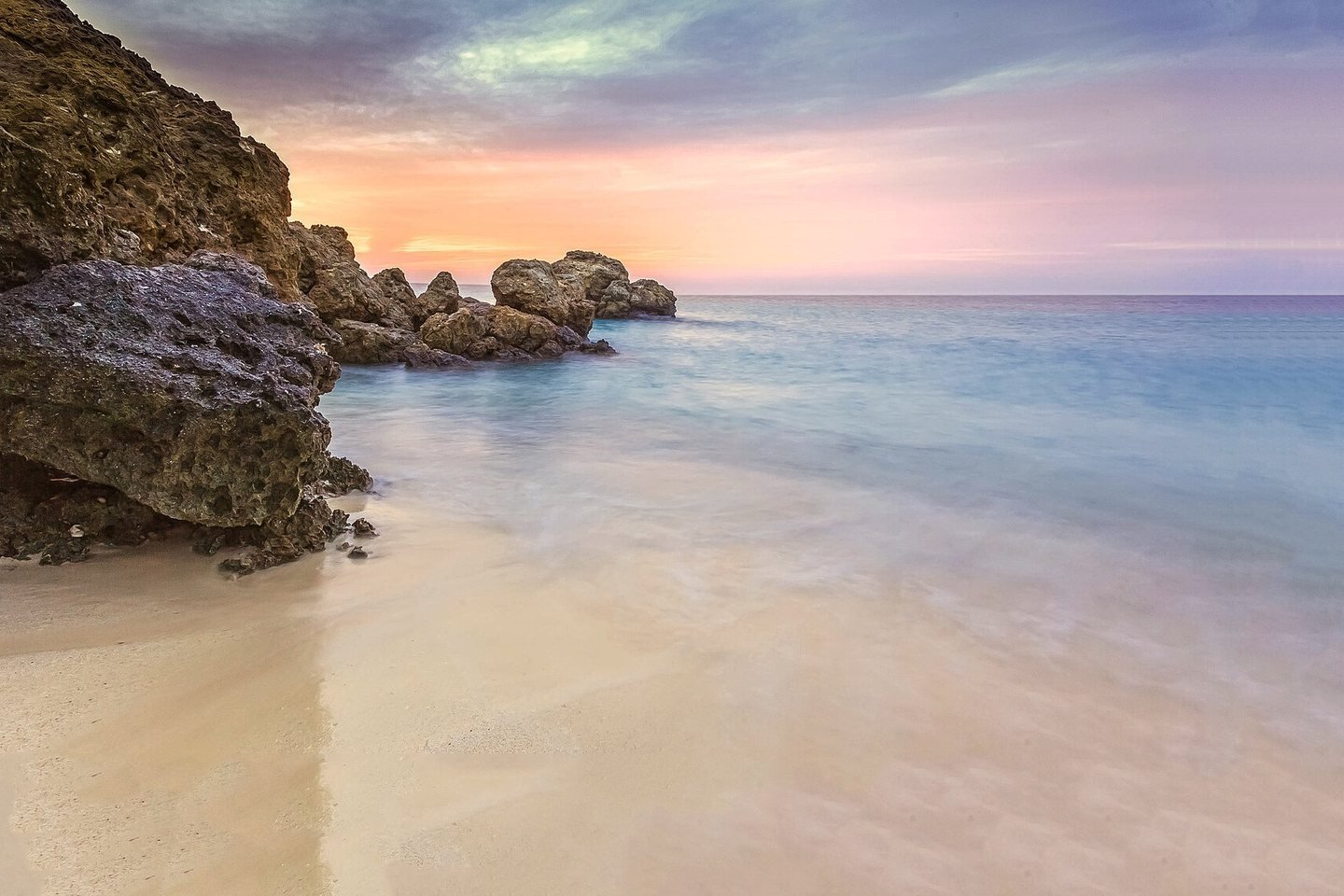
Enjoy warm waters, colourful coral reefs, Jeddah's seafront Corniche and quiet islands such as Farasan.
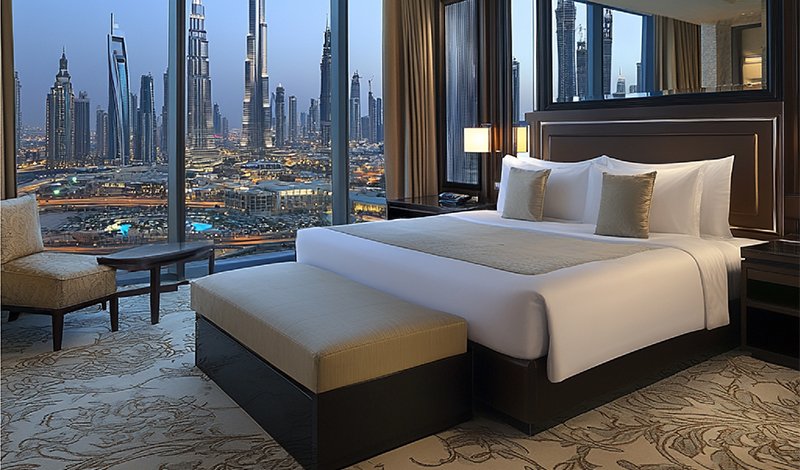
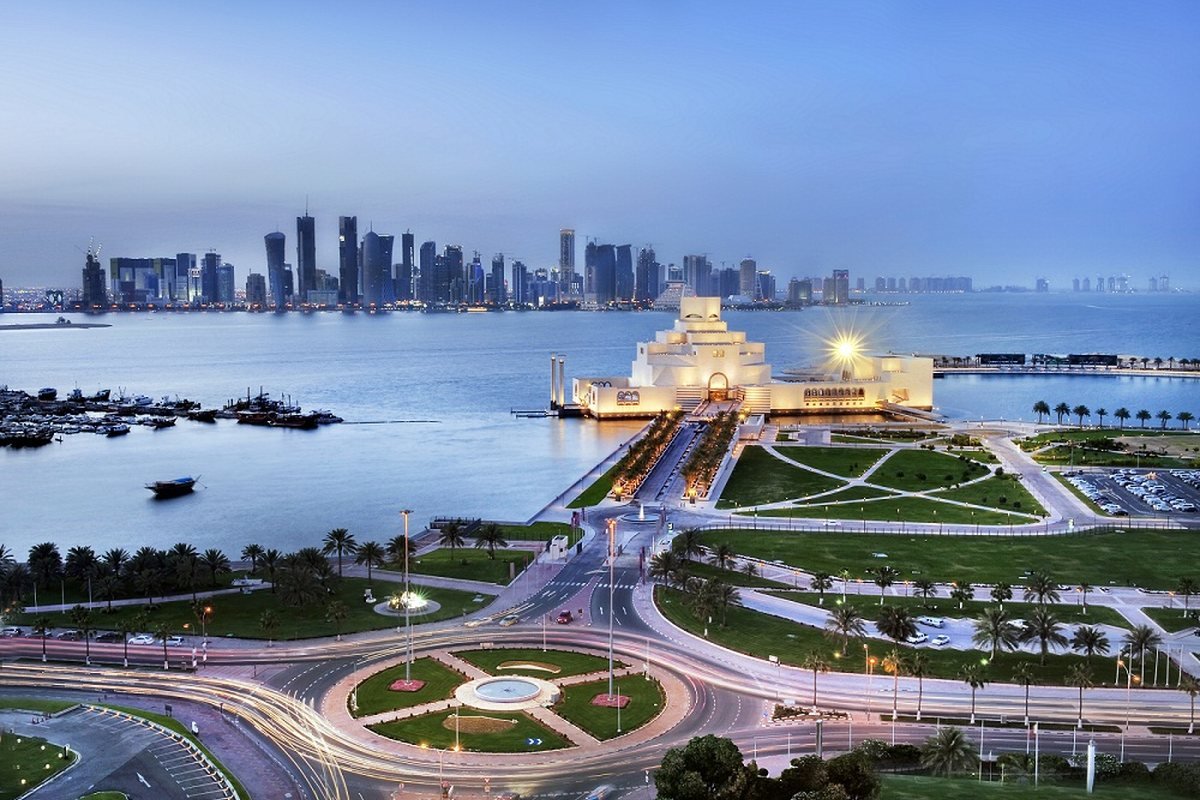
Riyadh and Jeddah dazzle with skyline views, shopping malls, fine dining and big seasonal events such as Riyadh Season.
Share Arabic coffee and dates, feast on kabsa, browse busy souqs and enjoy the famous warmth of a Saudi welcome.

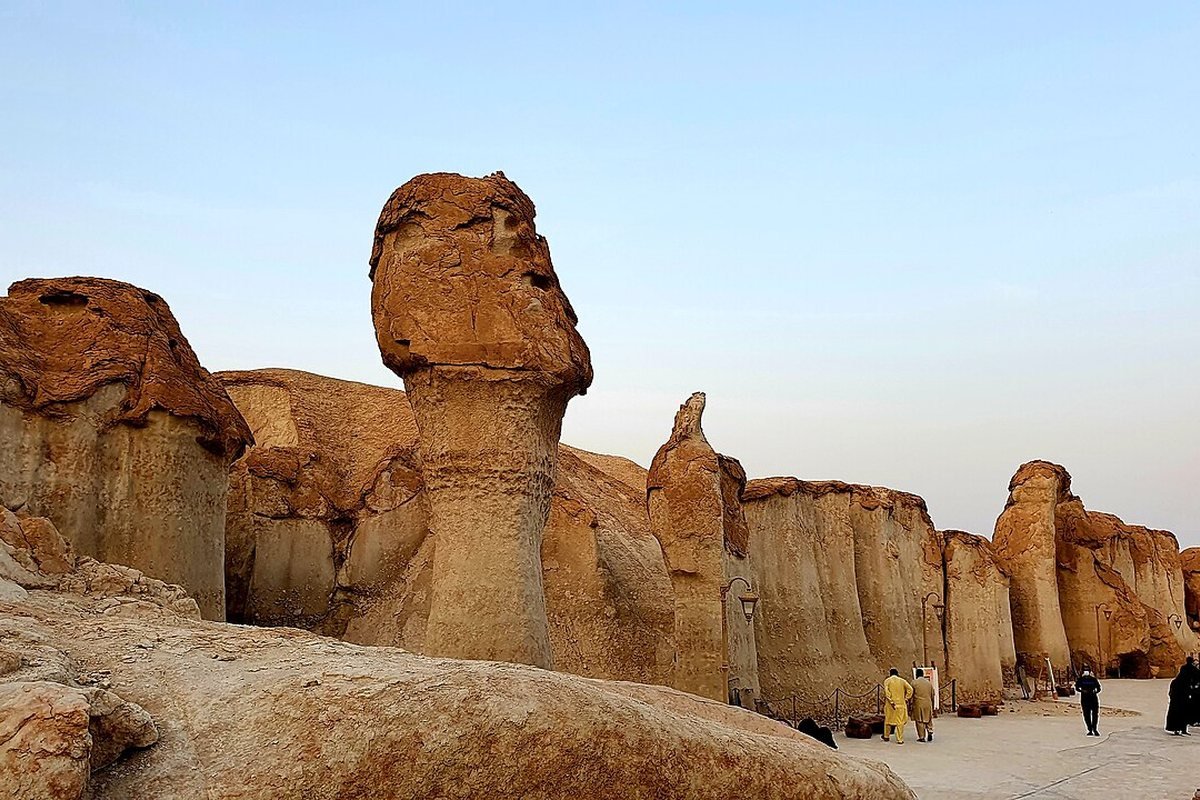
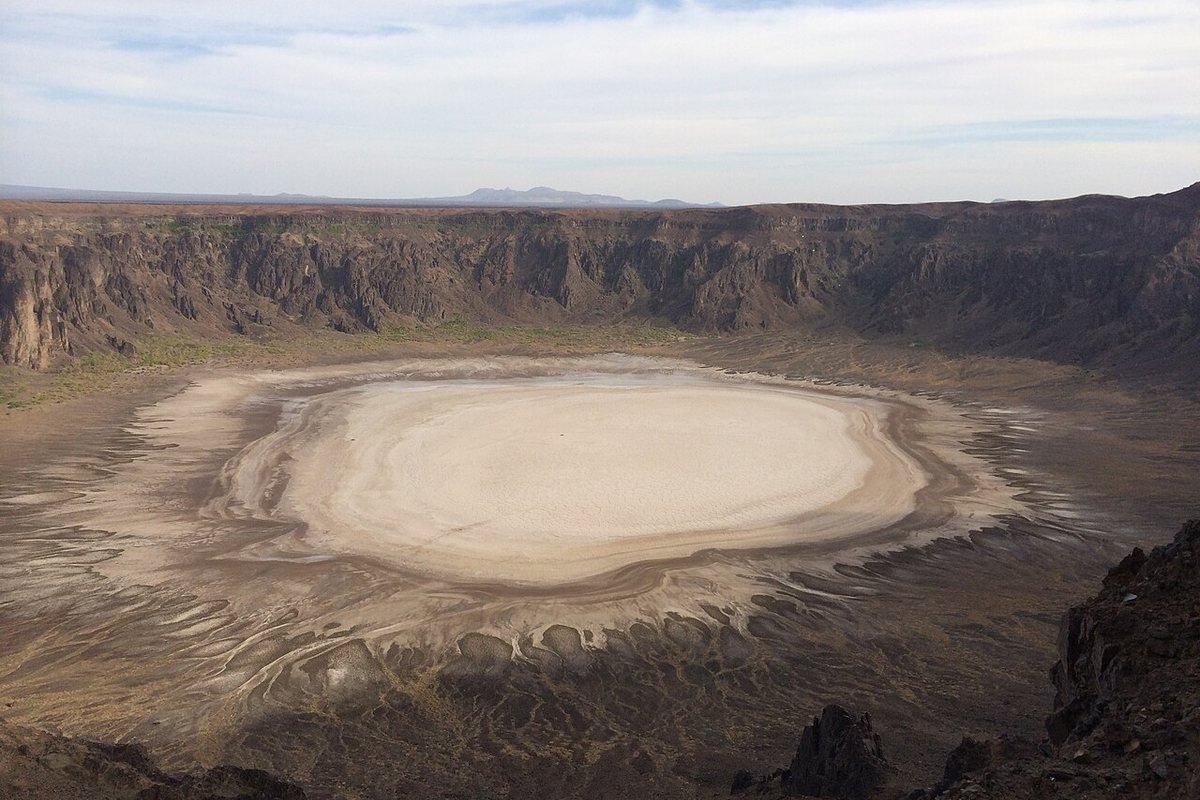
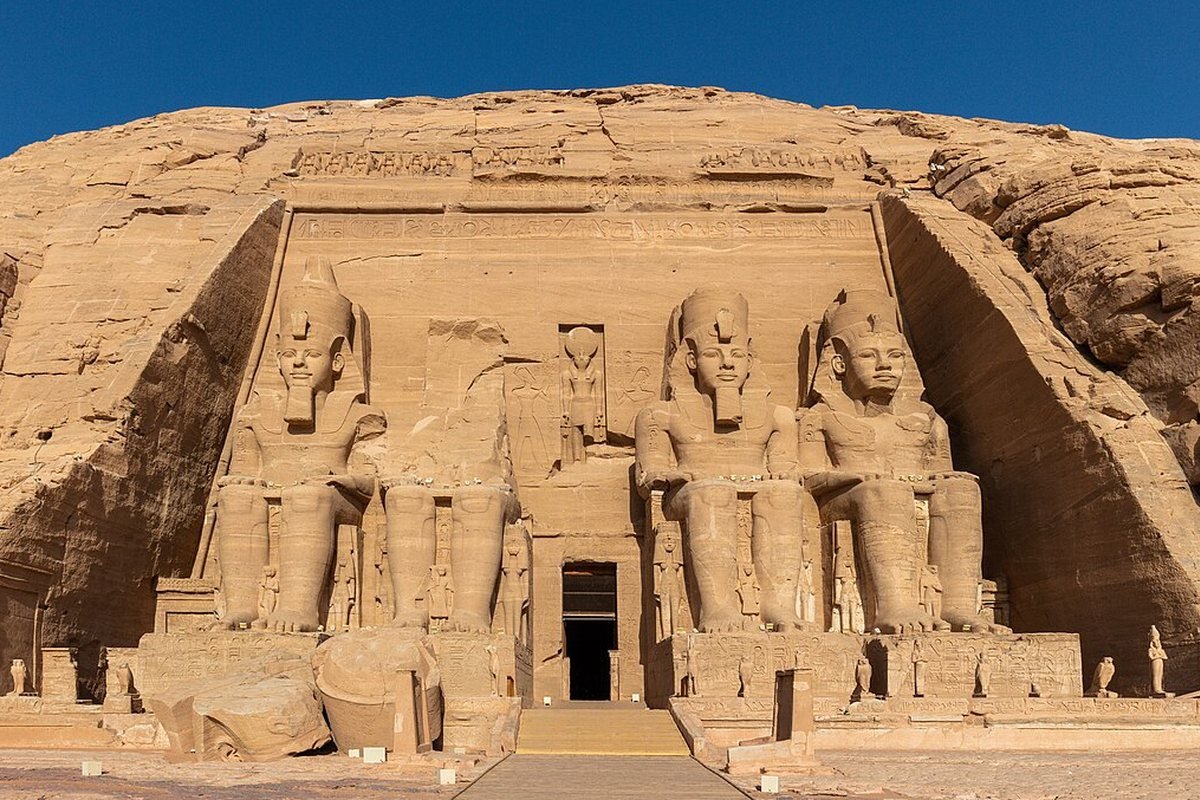
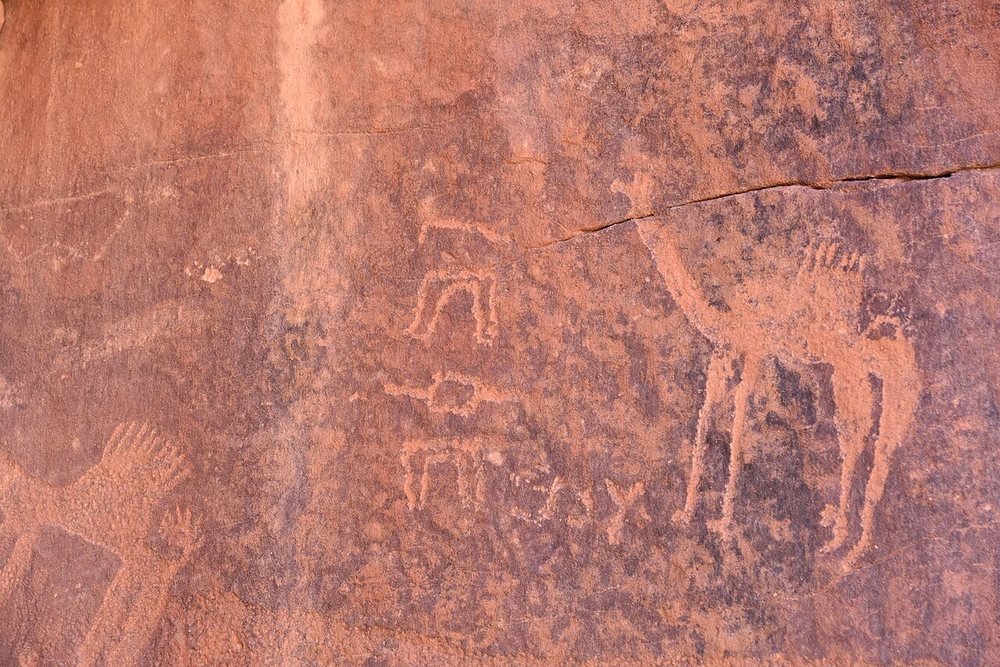
A desert valley of golden sandstone in the northwest, AlUla is home to Hegra, Saudi Arabia's first UNESCO World Heritage Site, where the Nabataeans carved more than 100 monumental tombs some 2,000 years ago. Admire Elephant Rock at sunset, the mirrored Maraya concert hall and the mudbrick lanes of AlUla Old Town.


*AlUla is at its best from October to March. Hegra is visited on guided tours, which are best booked in advance.
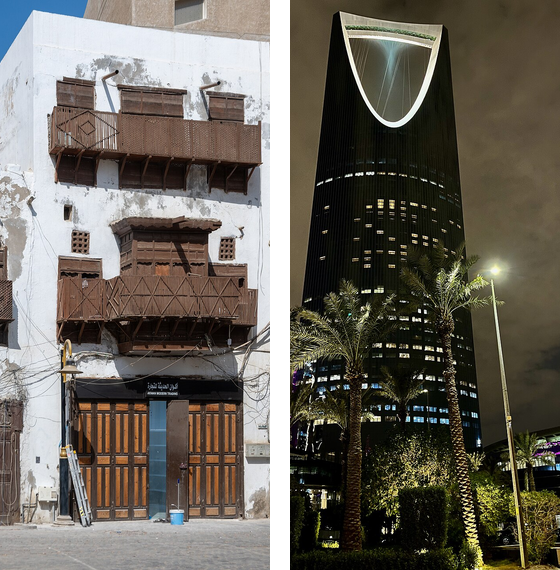
The Saudi capital pairs gleaming towers such as the Kingdom Centre and its Sky Bridge with the mudbrick Masmak Fortress and lively souqs. Just outside the city, At-Turaif in Diriyah, a UNESCO World Heritage Site, was the original home of the Saudi royal family and the capital of the first Saudi state.


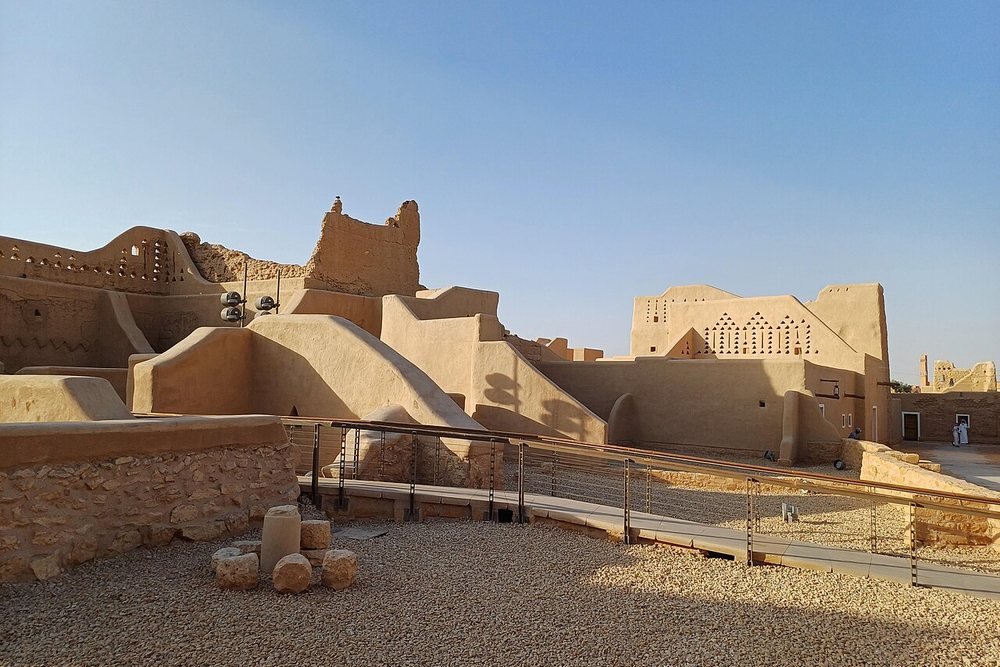
*Riyadh Season, the city's big entertainment festival, is usually held through the cooler months from around October.
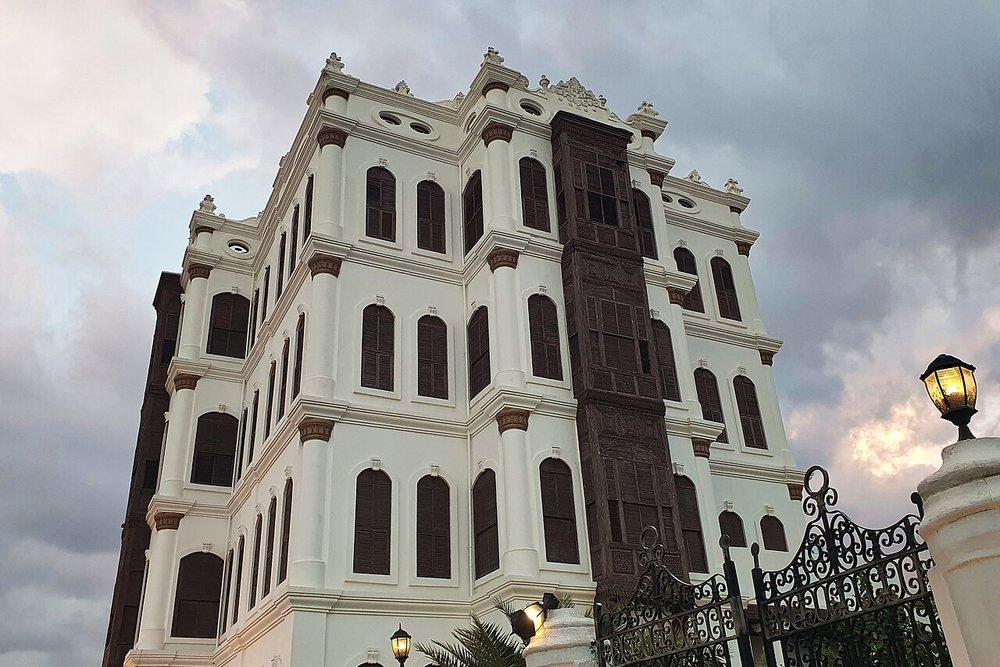
Wander the lanes of Al-Balad, Historic Jeddah, with its coral-stone houses, carved wooden balconies and busy souqs, then stroll the Corniche past the Al-Rahma Mosque, which appears to float on the sea, and King Fahd's Fountain, one of the tallest fountains in the world.


*Jeddah is also the main gateway for Umrah; entry to Makkah is permitted only for Muslims.
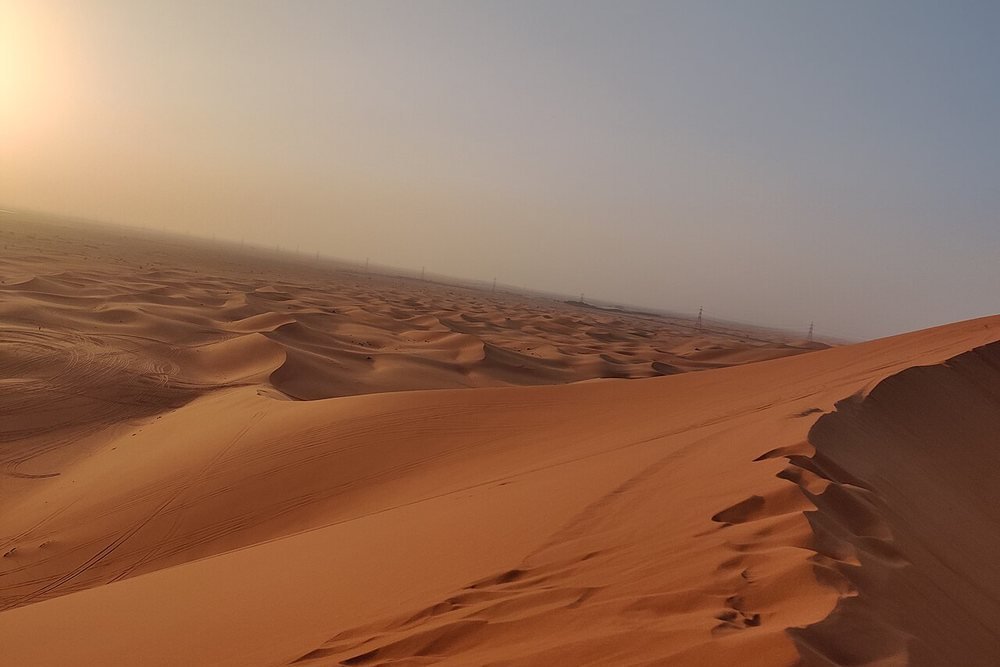
Head out by 4x4 to the red sand dunes around Riyadh for dune driving, sandboarding and an evening at a desert camp.

Float over AlUla's sandstone canyons and rock formations at sunrise during the winter balloon season.
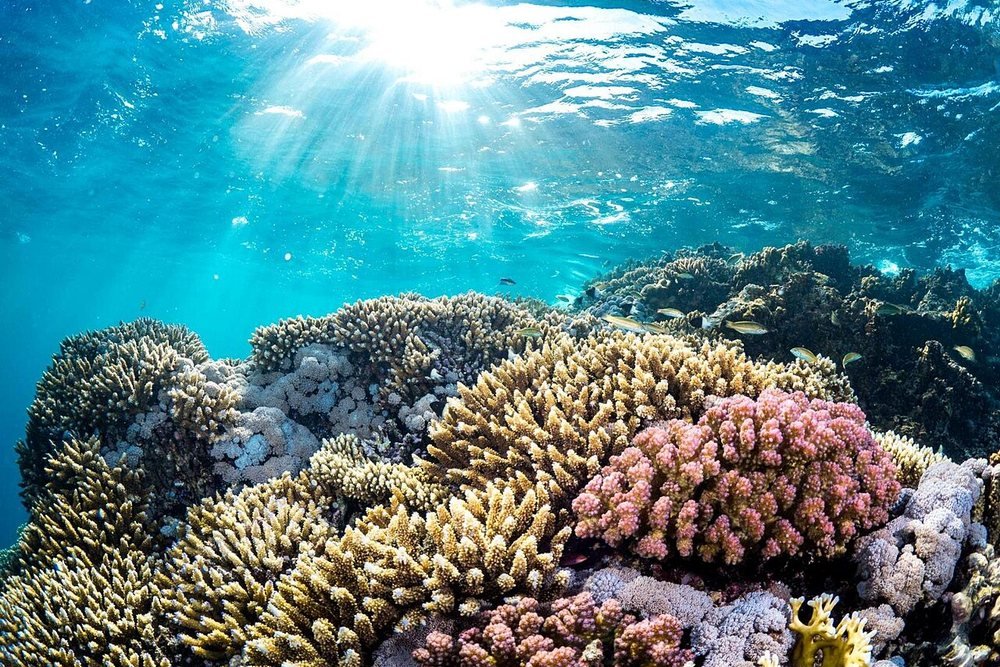
Snorkel or dive among colourful coral reefs and tropical fish along the Red Sea coast north of Jeddah.
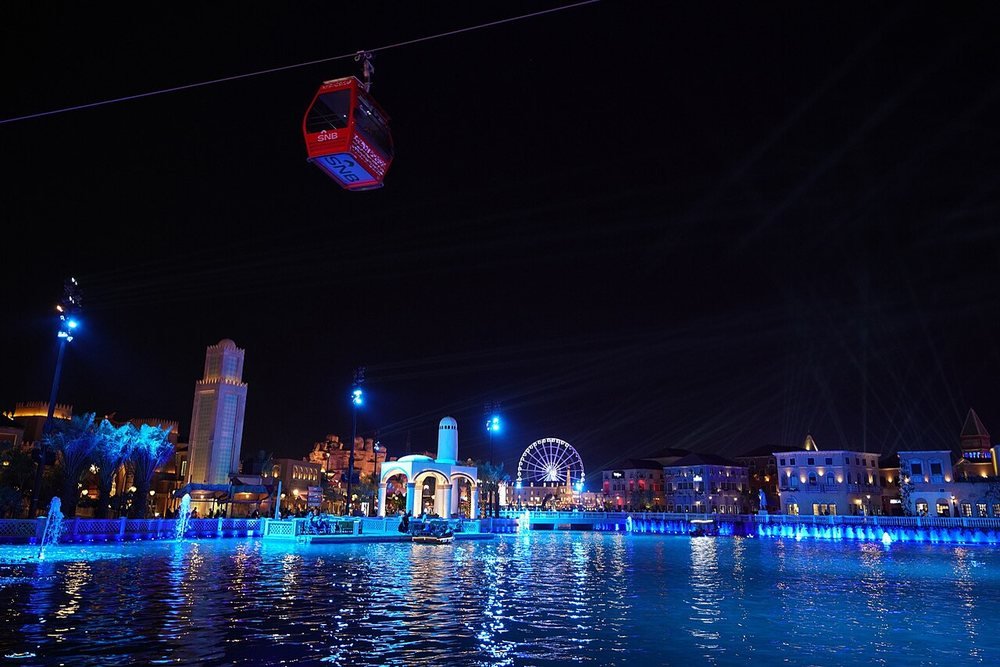
Enjoy concerts, shows, rides and food at Boulevard World, Boulevard City and the other zones of Riyadh's winter entertainment season.
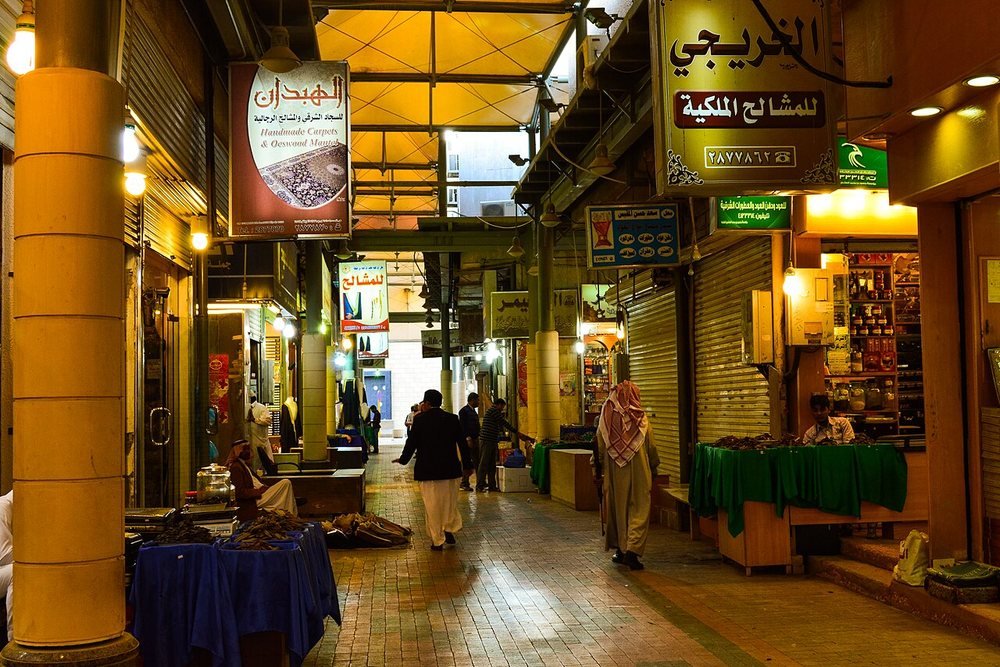
Browse Riyadh's traditional souqs near the Masmak Fortress for oud, incense, dates, carpets and gold.
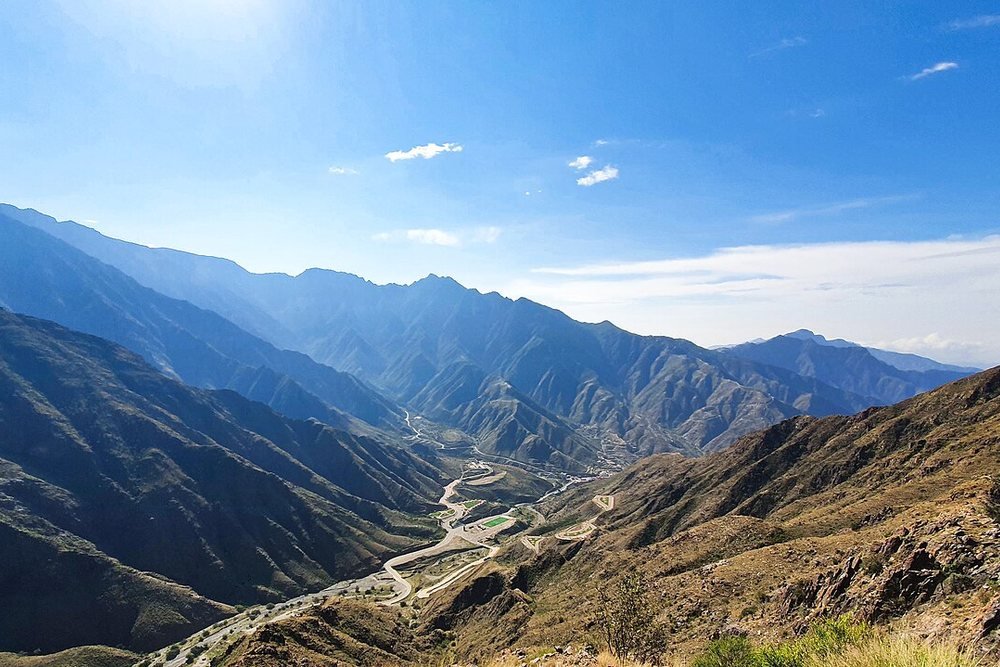
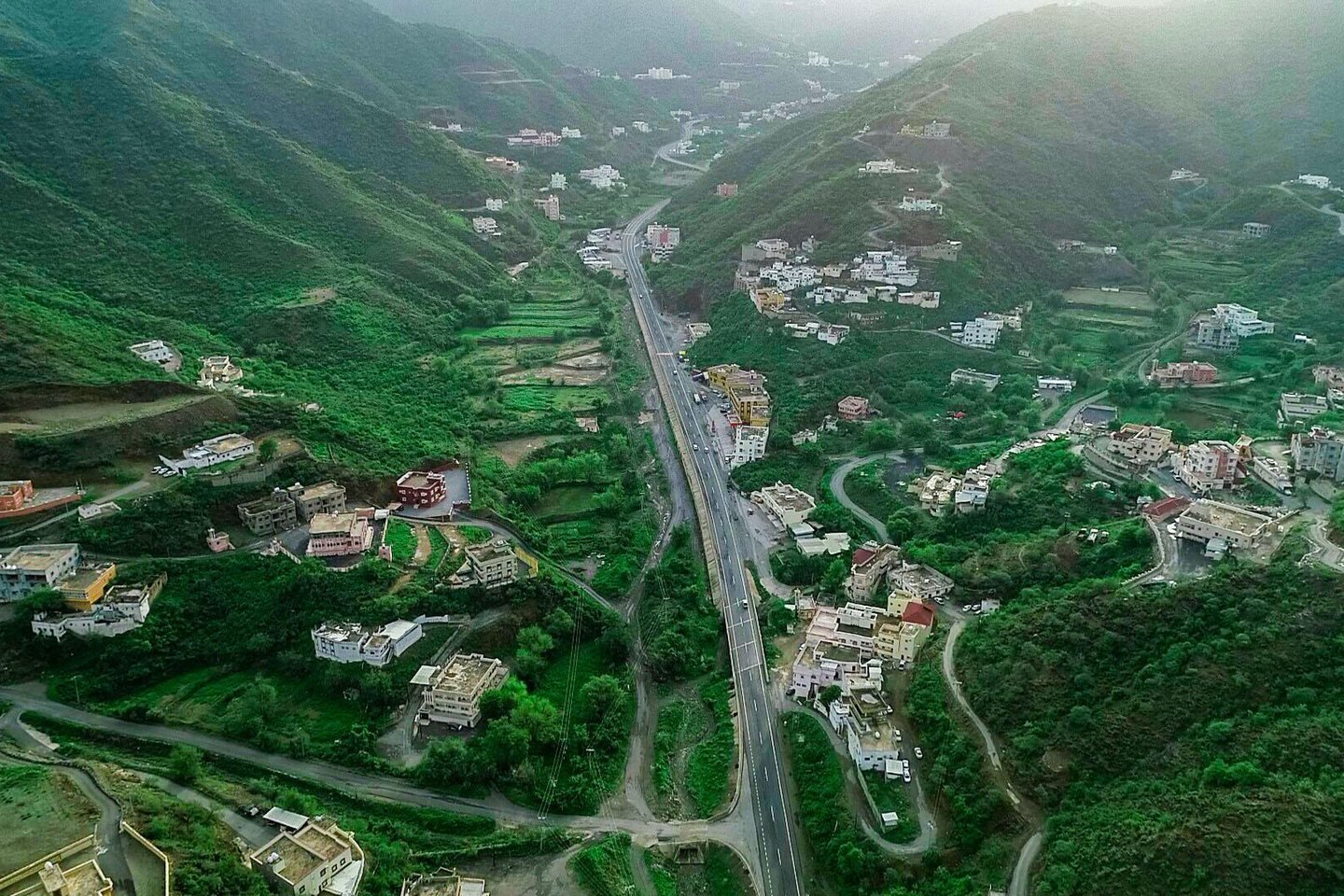
Escape the heat in the cool, green mountains around Abha, with winding roads, terraced villages and sweeping viewpoints.

Visit the rose farms of Taif in spring, when the fragrant Taif roses are harvested to make rose oil and rosewater.
*From desert camps and balloon flights to coral reefs and city festivals, Saudi Arabia offers fresh experiences for families, couples and groups alike.
Experience Saudi Arabia's proud traditions by sharing Arabic coffee and dates in a majlis, watching the Ardah sword dance performed to drums and poetry, and meeting falconers and camel breeders whose skills go back generations. Explore Najdi mudbrick architecture and the painted homes of Asir, and time your trip for events such as Riyadh Season or the King Abdulaziz Camel Festival.
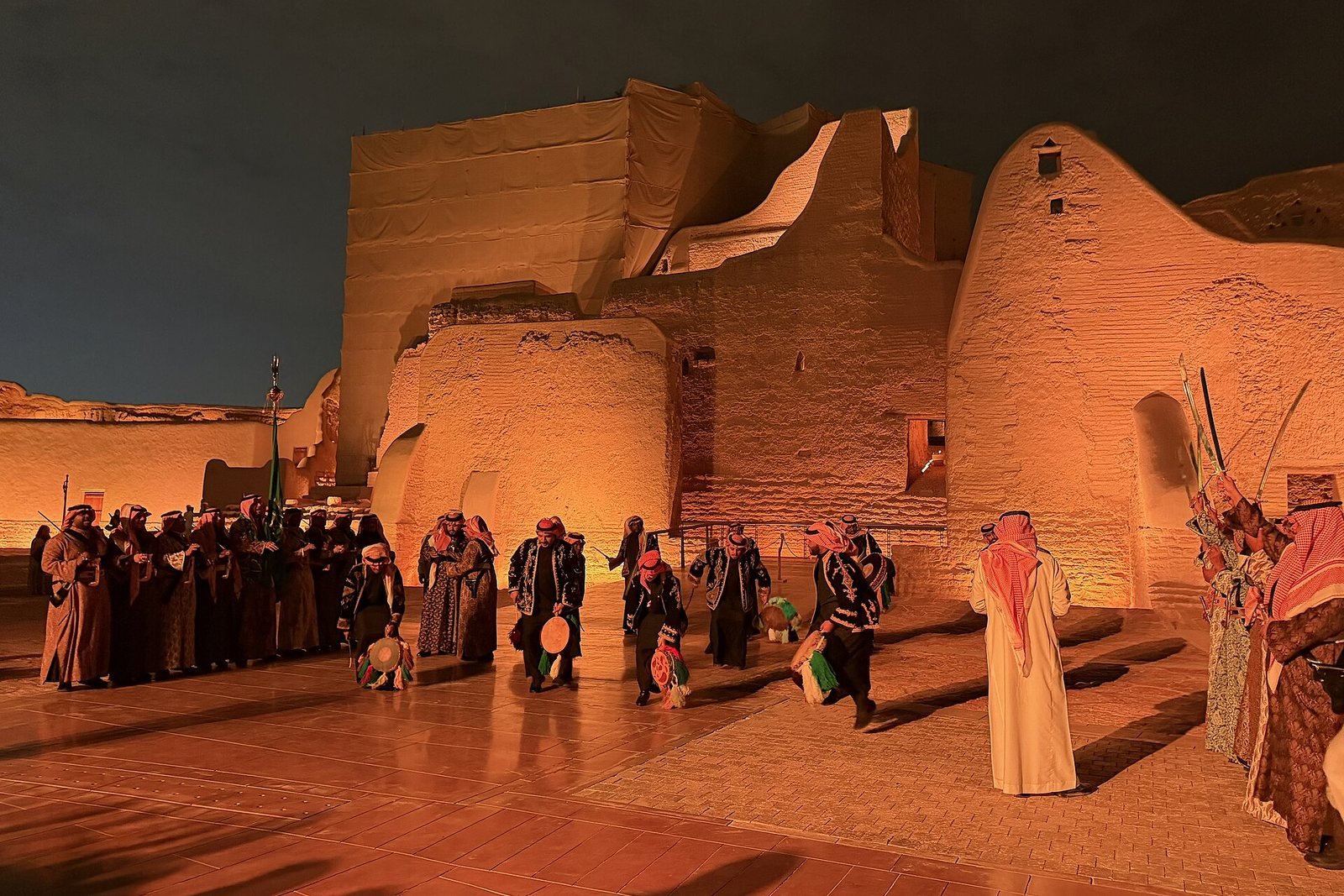

The best time to visit Saudi Arabia is from October to March, when sunny days and pleasant evenings are ideal for AlUla, desert camps and city sightseeing. Summer (May to September) is very hot across most of the country, though the Sarawat highlands around Abha in Asir and Taif stay cooler and are popular summer retreats. Spring brings the Taif rose harvest, and the Red Sea can be enjoyed for diving for most of the year.
Most of Saudi Arabia has a hot desert climate. Summer highs in Riyadh often exceed 40°C, while winter days are around 20°C with cool nights, and desert nights can be cold. Jeddah and the coasts are warm and humid all year, and the Asir mountains are noticeably cooler, with occasional mist and rain.
Peak Season: November to February, when the weather is pleasant and Riyadh Season, AlUla's winter events and desert camping are in full swing.
Off-Peak Season: June to August, when the heat keeps visitors away from the lowlands, hotel offers are better and the highlands of Abha and Taif offer cooler weather.
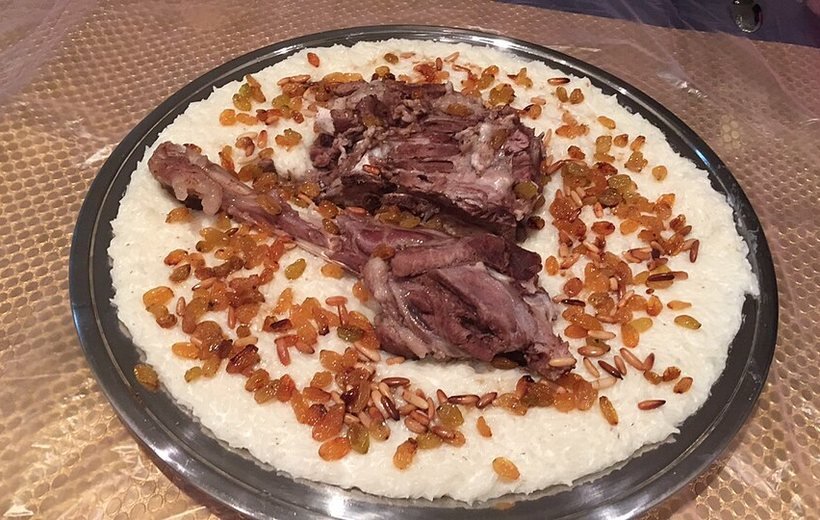
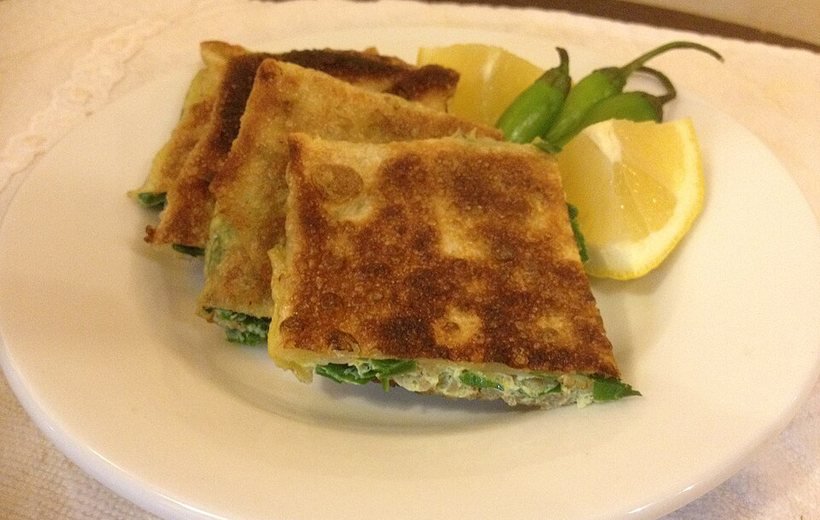
Saudi cuisine is built on rice, slow-cooked meat, fragrant spices and generous hospitality. Try kabsa, the national dish, smoky mandi, creamy Hijazi saleeg and stuffed mutabbaq from Jeddah's street stalls, finished with cardamom-scented Arabic coffee and dates. Riyadh, Jeddah and Dammam also have plenty of Indian and vegetarian restaurants.


Saudi Arabia is a short flight from India, with frequent non-stop services to Riyadh, Jeddah and Dammam. Once you arrive, domestic flights, high-speed trains and good highways make it easy to combine cities, deserts and the coast.
Non-stop flights link Delhi, Mumbai, Hyderabad, Kochi, Kozhikode and other Indian cities with Riyadh, Jeddah and Dammam in about 4 to 6 hours. AlUla and Abha are reached by domestic flights.
Indian passport holders need a visa for Saudi Arabia. Travellers with a valid US, UK or Schengen visa, or residence in those countries or a GCC country, may qualify for the Saudi eVisa; others apply through the Saudi visa centres in India. Check current requirements before you travel; we assist with visa applications.
Domestic flights connect Riyadh, Jeddah, AlUla, Abha and Dammam. The Haramain high-speed railway links Jeddah and Madinah, trains run from Riyadh to Dammam, and the Riyadh Metro, taxis and ride-hailing apps make city travel easy.

October to March is the best time, with warm, sunny days and cool evenings that are ideal for AlUla, desert trips and sightseeing. Summer is very hot in most regions, apart from the Asir highlands.
Yes. Indian passport holders need a visa. Those with a valid US, UK or Schengen visa, or residence in those countries or a GCC country, may be eligible for the eVisa. Rules change, so check the latest requirements before you travel; our team can assist with your visa application.
Non-stop flights from Indian cities such as Delhi, Mumbai, Hyderabad and Kochi reach Riyadh, Jeddah or Dammam in about 4 to 6 hours.
A 6 to 7-day trip covers Riyadh and Diriyah, AlUla and Jeddah. With 10 days or more, you can add the Asir mountains around Abha, Taif or the Al-Ahsa Oasis.
Dress modestly in public: both men and women should cover their shoulders and knees and avoid tight or revealing clothes. Women visitors do not need to wear an abaya or cover their hair, except when visiting a mosque.
Yes. Muslim travellers can perform Umrah outside the Hajj season and add sightseeing in Jeddah, Madinah, AlUla or Riyadh. Entry to Makkah is permitted only for Muslims, and an Umrah permit is required, so check the current rules before you travel.
Saudi Arabia uses the Saudi riyal (SAR). Cards and mobile payments are widely accepted, but carry some cash for small shops and traditional souqs.
Arabic is the official language. English is widely used in hotels, airports, shopping malls and tourist areas, and road signs are usually in both Arabic and English.


: Subscribe to our newsletter and be the first to know about exclusive offers, new destinations, and travel tips.