Hot-Air Balloon Safari
Float over the Serengeti at sunrise on a hot-air balloon flight, followed by a bush breakfast on the plains.
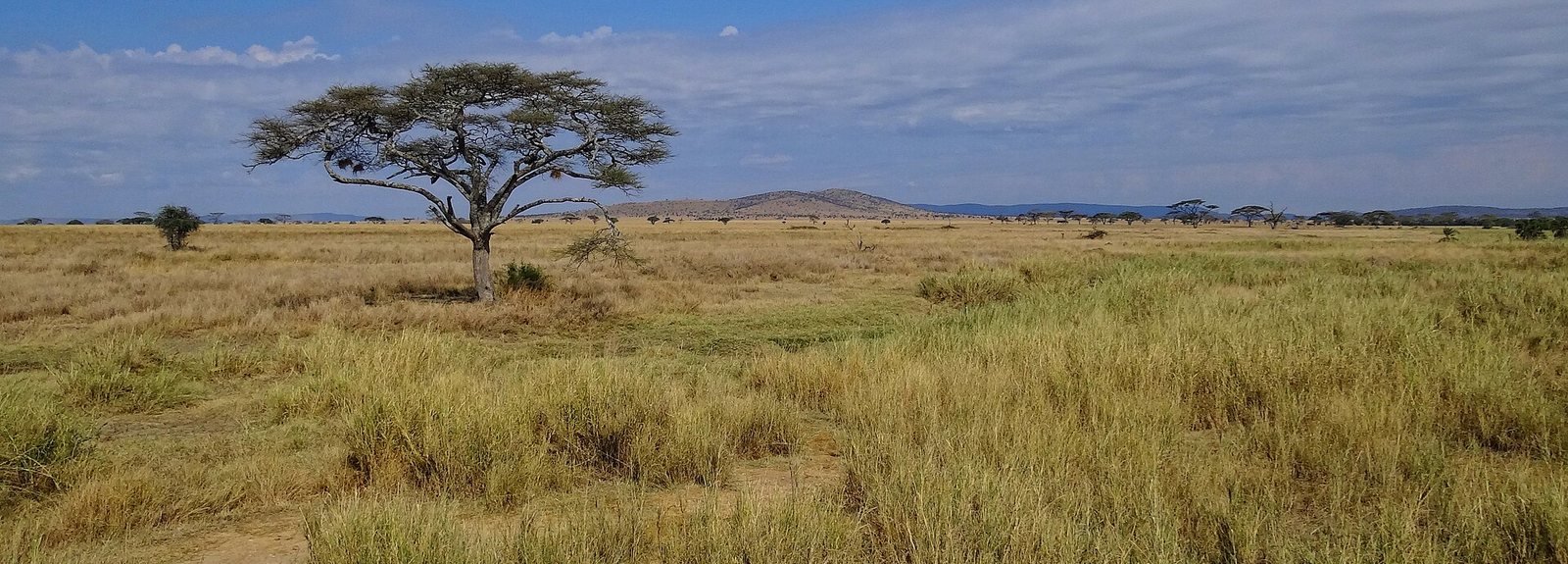
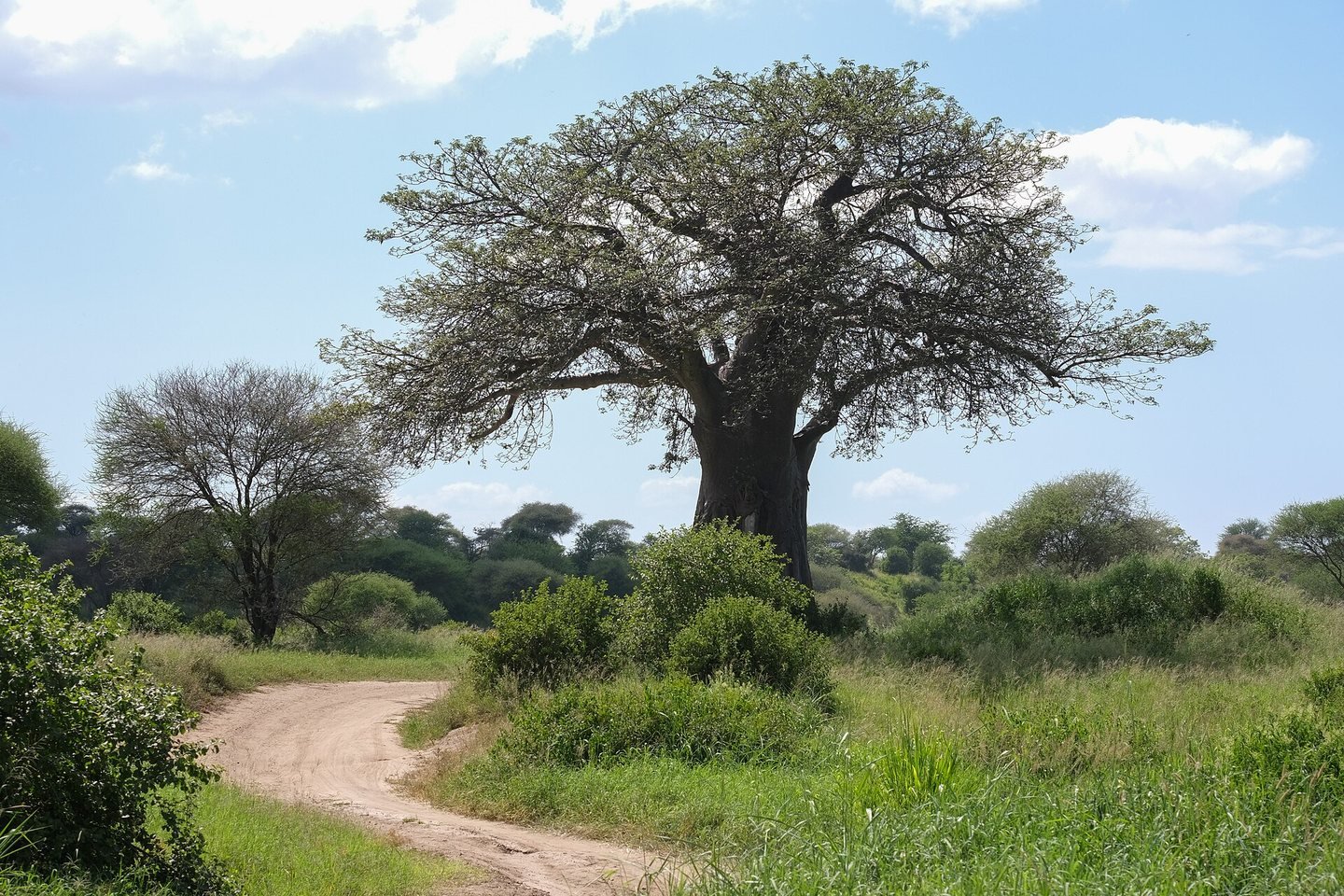
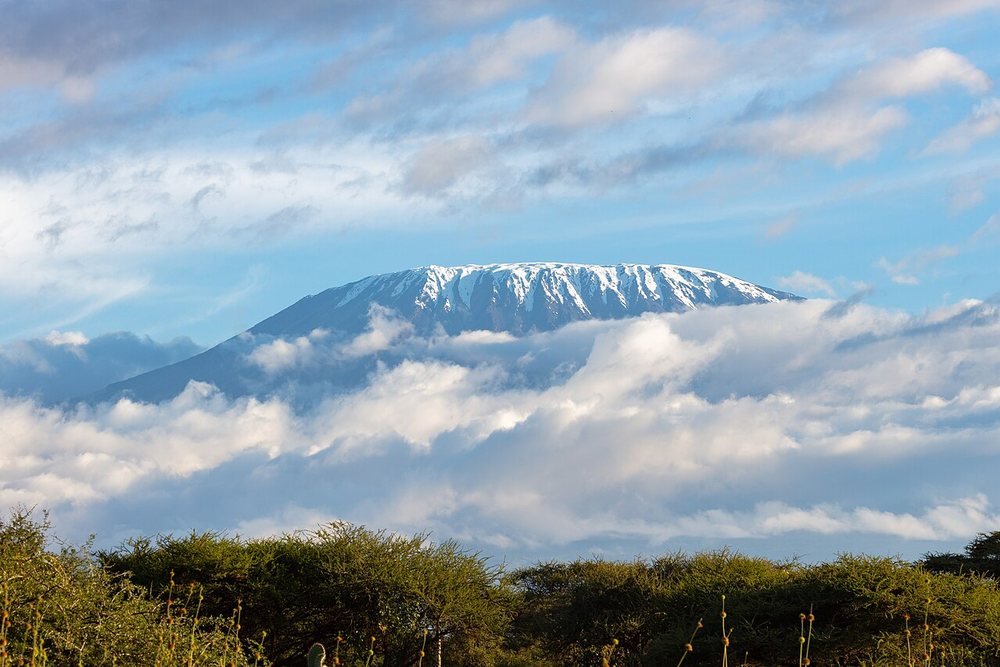
Tanzania is a vast East African country on the shores of the Indian Ocean, home to some of the continent's most famous natural wonders. Its northern safari circuit takes in the endless plains of the Serengeti, the wildlife-filled Ngorongoro Crater and the baobab country of Tarangire, all within reach of Mount Kilimanjaro, Africa's highest mountain at 5,895 metres.
Offshore, the spice islands of Zanzibar add white-sand beaches, turquoise lagoons and the winding lanes of historic Stone Town. With the traditions of the Maasai, warm Swahili hospitality and non-stop flights from Mumbai, Tanzania makes an unforgettable safari, honeymoon or family holiday.
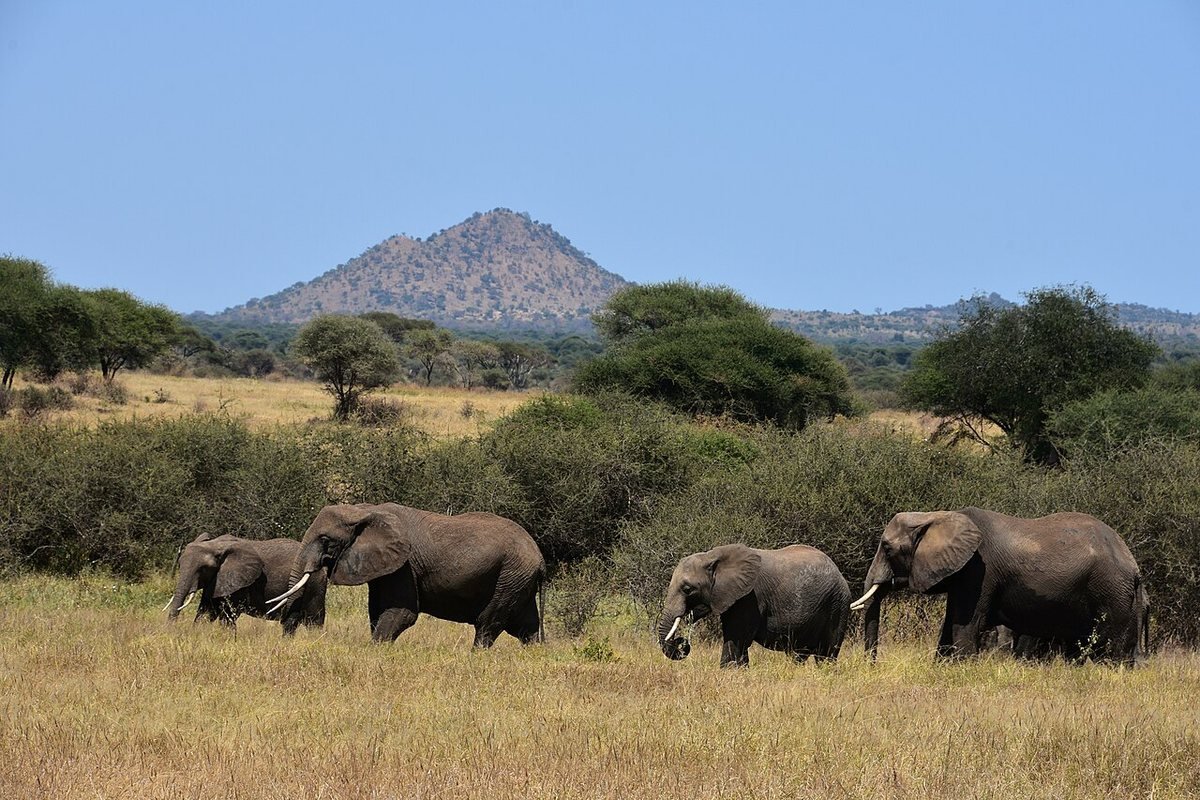
Look for the Big Five – lion, leopard, elephant, buffalo and rhino – in the Serengeti and the Ngorongoro Crater, and huge elephant herds in Tarangire.
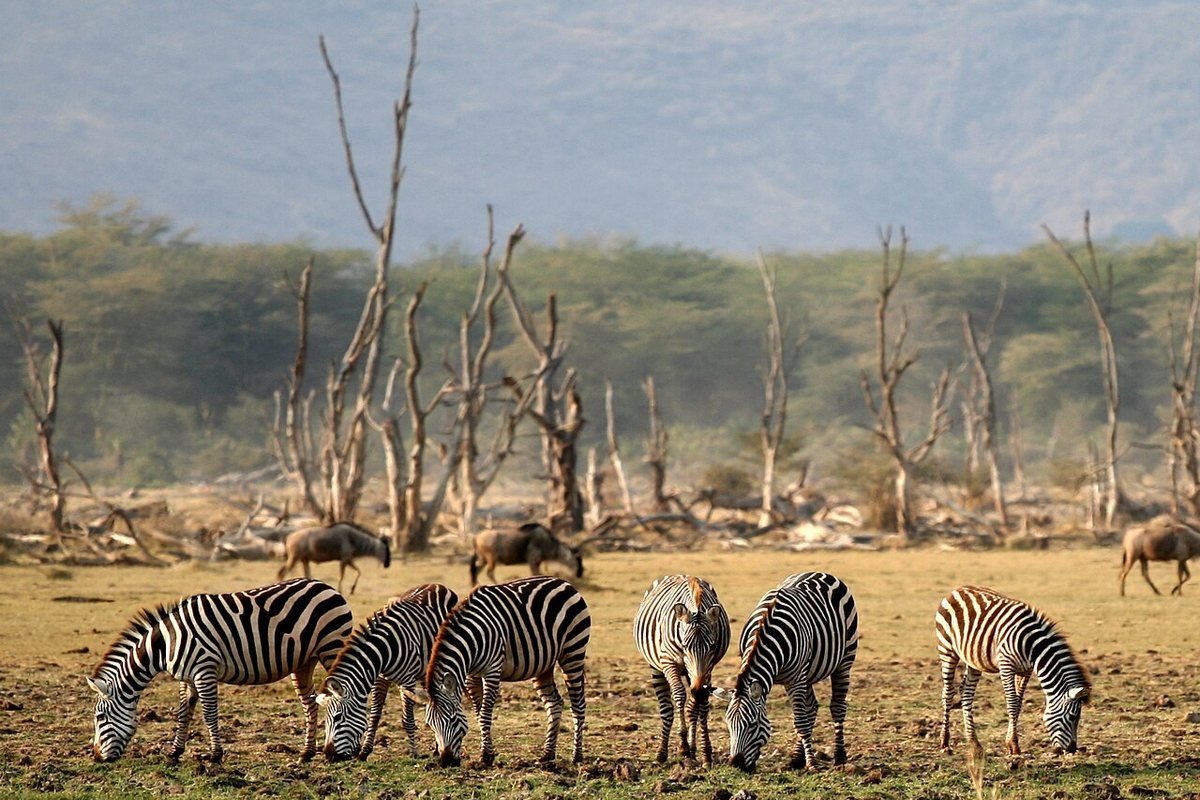
Watch more than a million wildebeest, along with zebras and gazelles, on their year-round journey across the Serengeti.
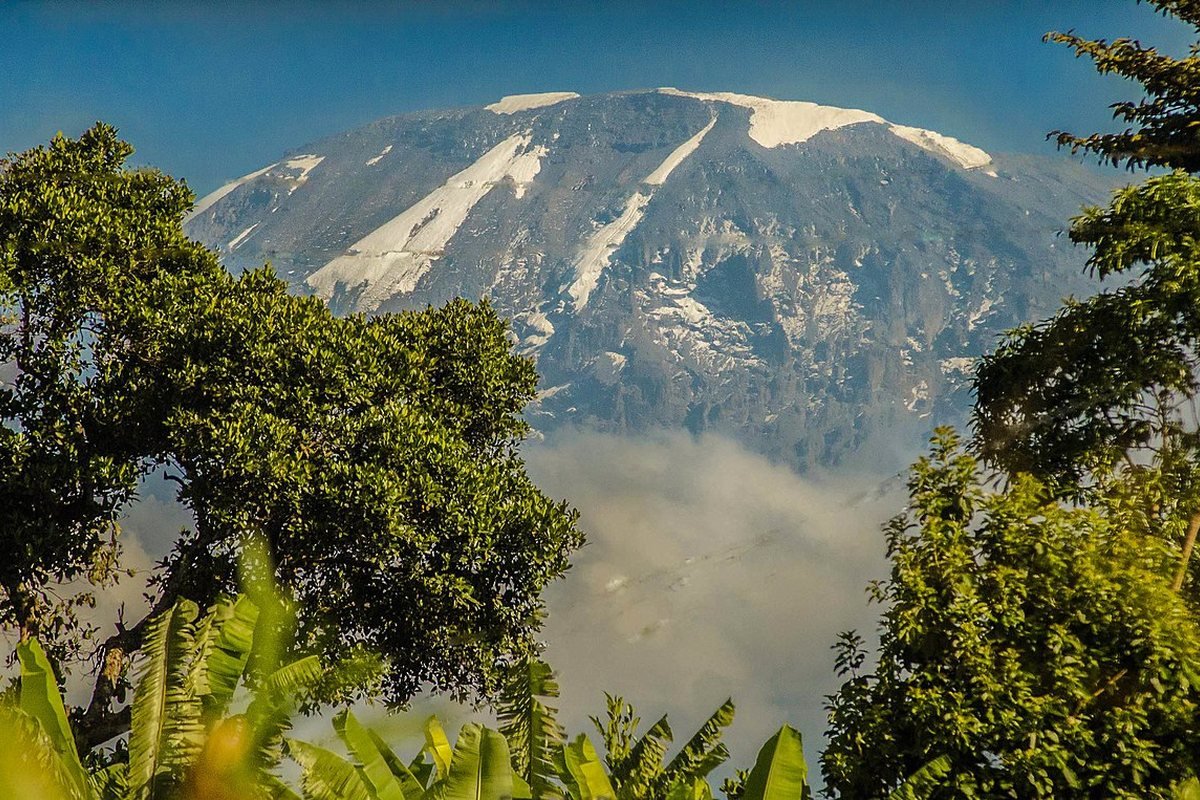
Trek to the Roof of Africa, or simply admire its snow-capped summit from the towns and lodges around its base.
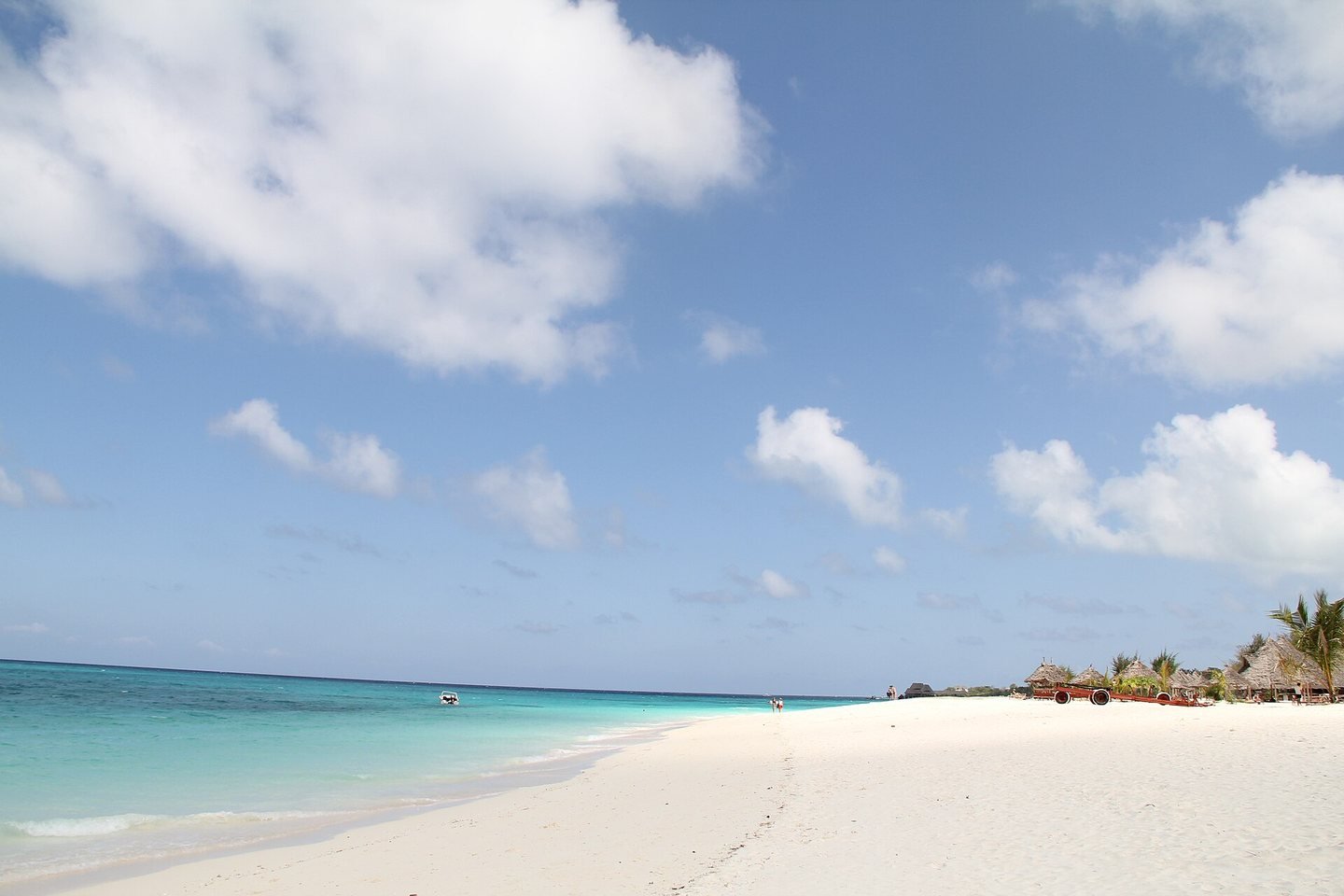
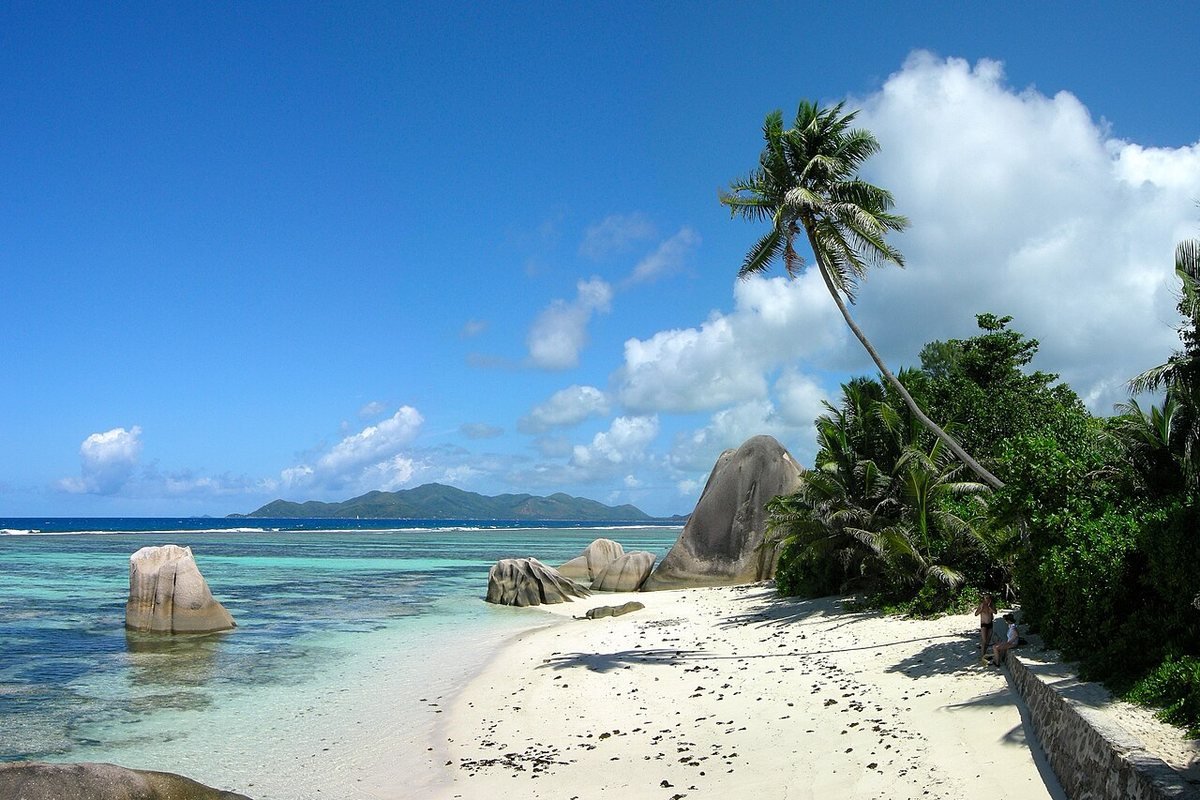
Unwind on the powder-white beaches of Nungwi, Kendwa and Paje, with warm turquoise water for swimming, snorkelling and diving.
Explore UNESCO-listed Stone Town, meet the Maasai and discover a Swahili culture shaped by Africa, Arabia and India.
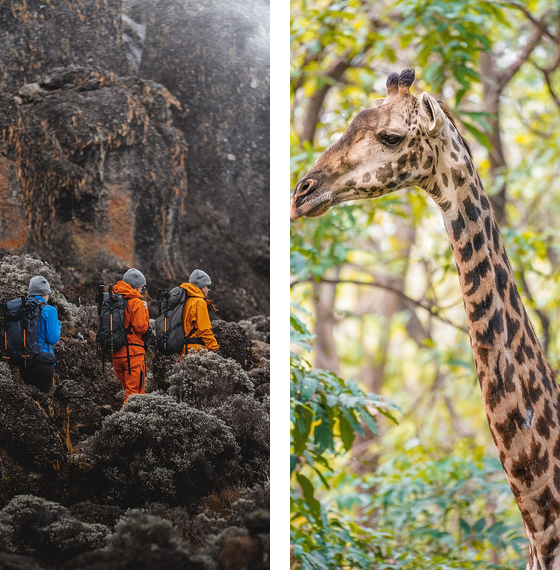
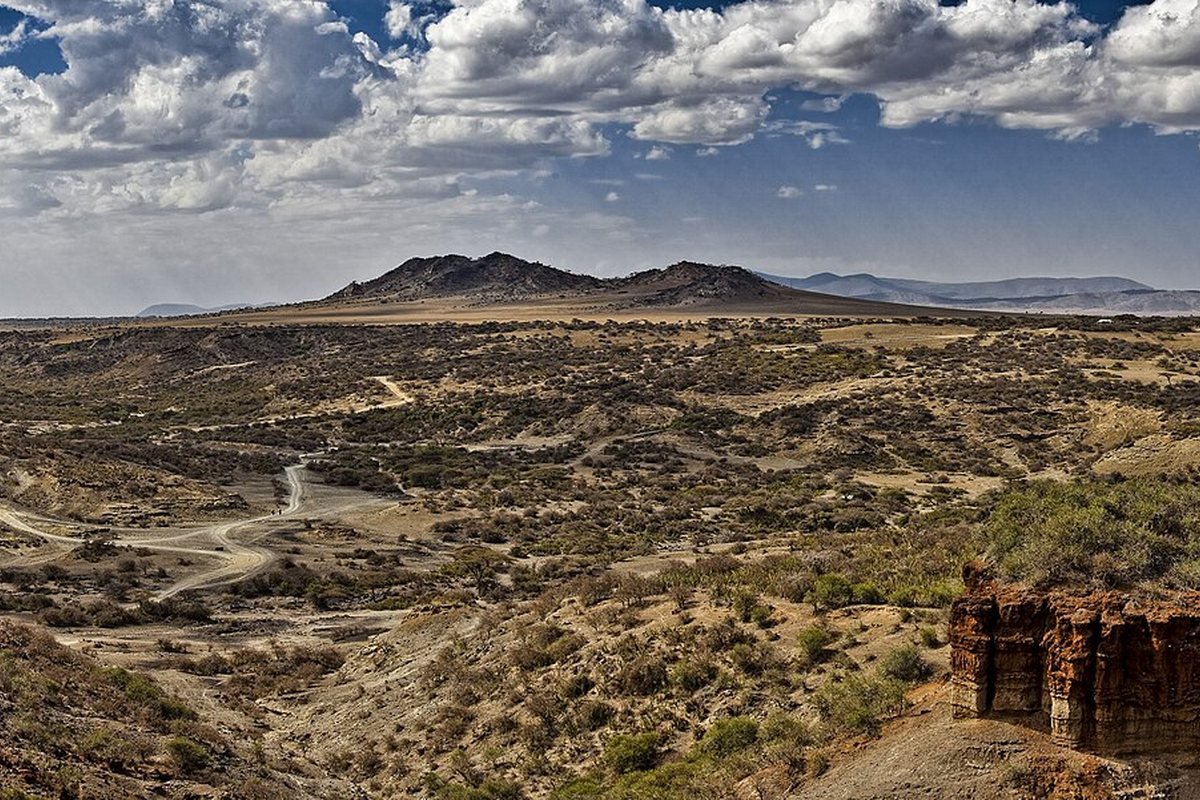
Covering nearly 15,000 sq km of golden grassland and rocky kopjes, the Serengeti is Tanzania's most famous national park and the stage for the Great Migration. Lions, cheetahs, leopards, elephants and giraffes can be seen all year, and sunrise balloon flights reveal the plains from above.
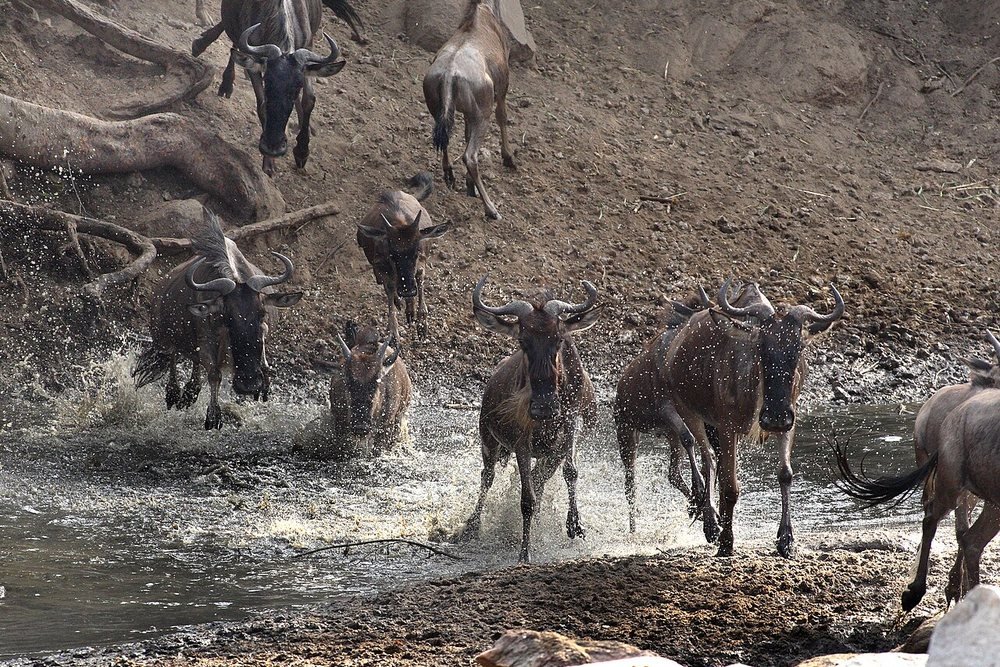


*The herds move through the Serengeti all year; river crossings are usually seen in the north from about July to October, and calving in the south from about January to March.
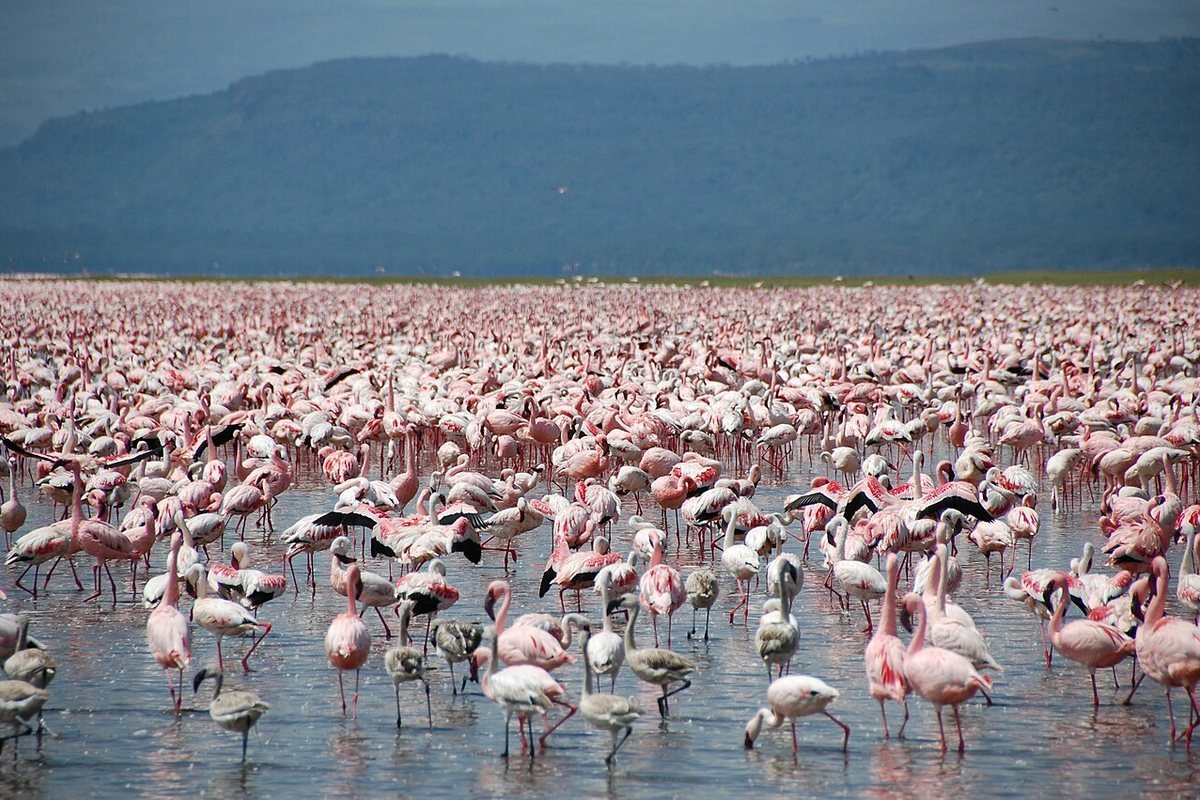
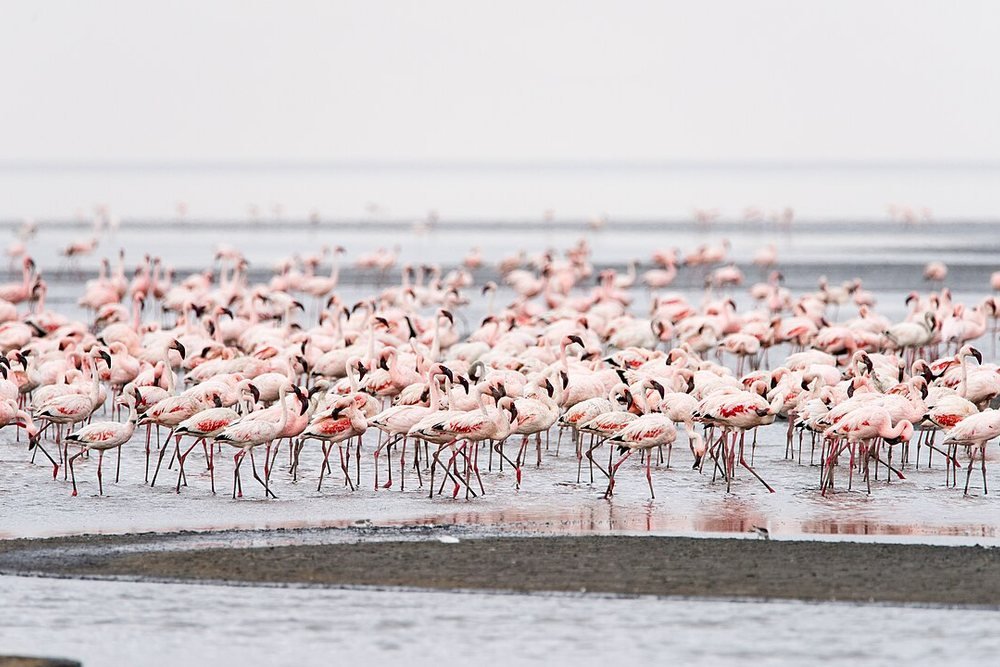
One of the world's largest unbroken volcanic calderas, the Ngorongoro Crater is about 600 metres deep and part of a UNESCO World Heritage Site. Its grassy floor is home to lions, elephants, buffalo, hippos, flamingos and the rare black rhino, while lodges on the forested rim enjoy sweeping views across the crater.


*The crater rim lies at over 2,000 metres, so carry a warm layer for early-morning game drives.
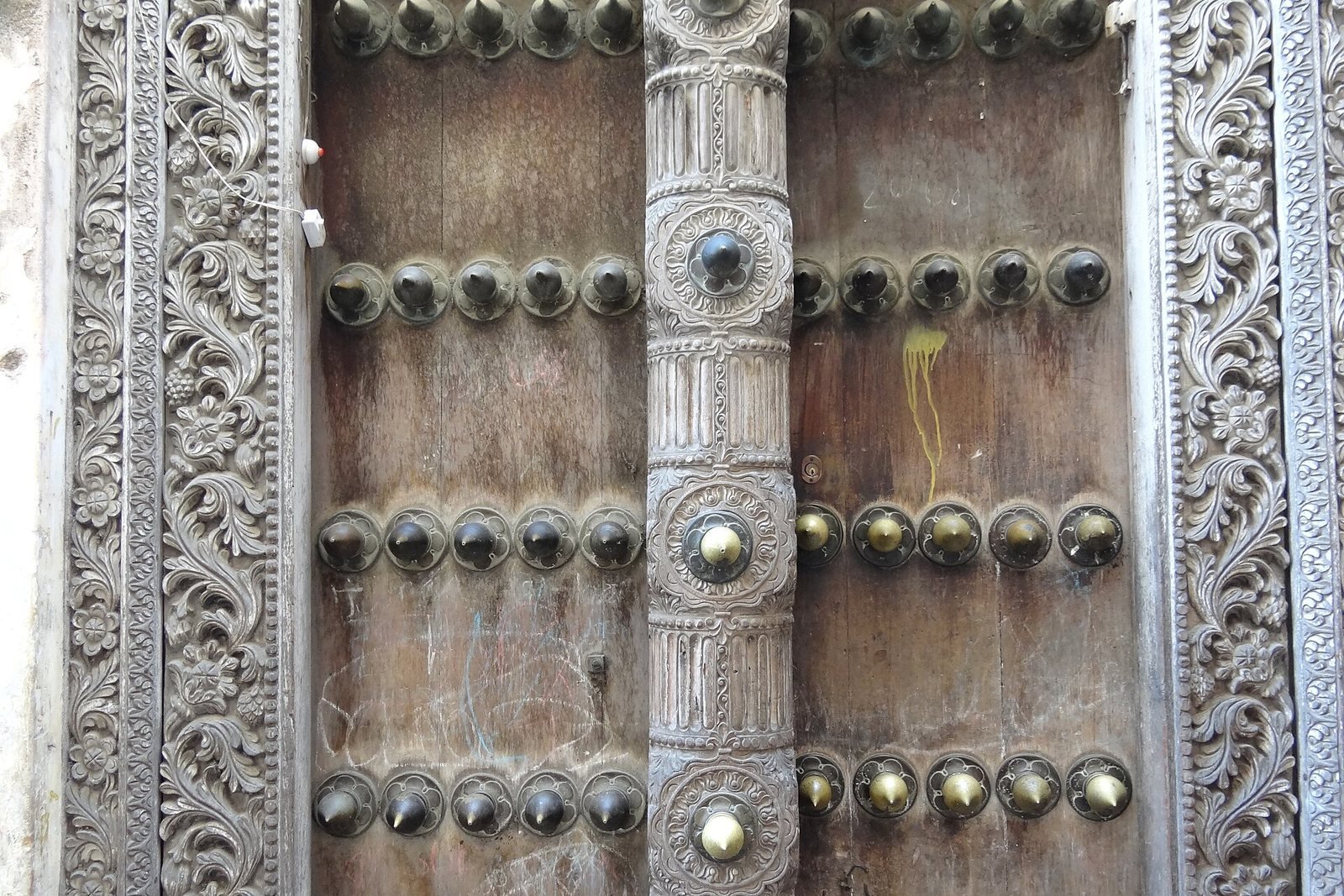
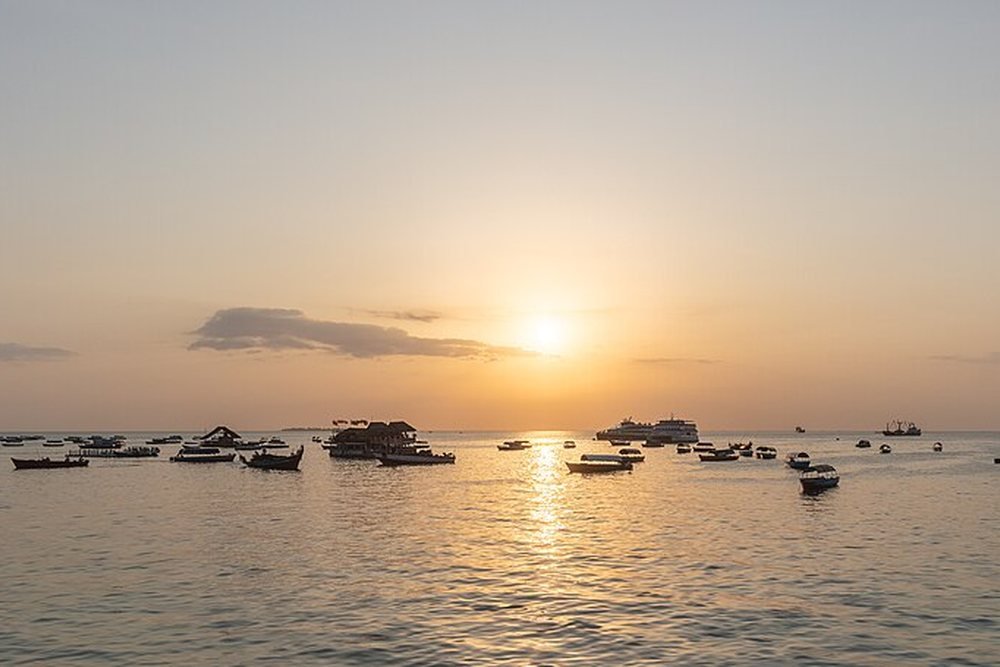
Just off the coast, the Zanzibar archipelago pairs the white-sand beaches of Nungwi, Kendwa and Paje with UNESCO-listed Stone Town, a maze of carved doors, bazaars, mosques and the Old Fort. Spice farm tours, sunset dhow cruises and seafood suppers at Forodhani Gardens complete the experience.

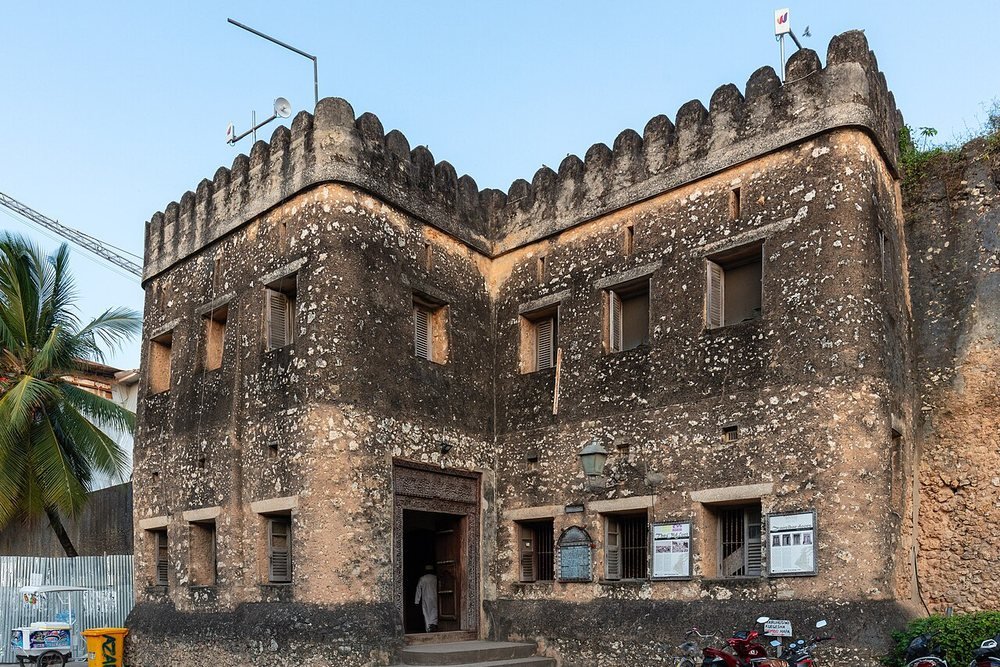

*Zanzibar combines easily with a safari: fast ferries from Dar es Salaam take about 2 hours, and short flights link the island with Arusha and Kilimanjaro.

Float over the Serengeti at sunrise on a hot-air balloon flight, followed by a bush breakfast on the plains.

Trek to Uhuru Peak, the highest point in Africa at 5,895 metres, on a guided climb that usually takes five to nine days.
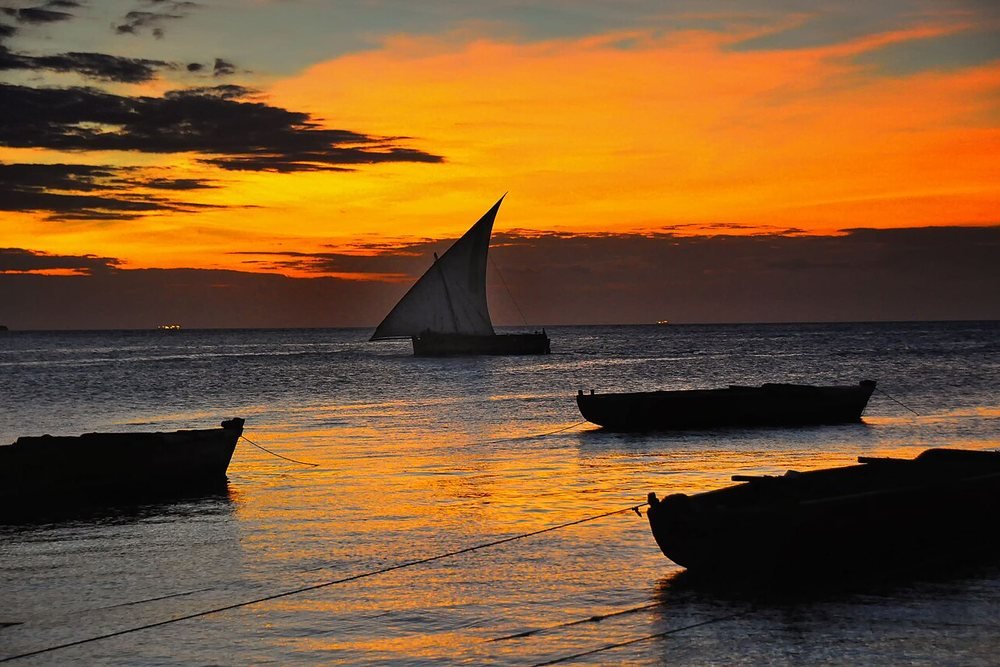
Sail along the Stone Town waterfront on a traditional wooden dhow as the sun sets over the Indian Ocean.

Take a short boat ride from Stone Town to Changuu, or Prison Island, to meet its giant Aldabra tortoises and swim in clear water.

Spot the rare Zanzibar red colobus monkey, found only on Zanzibar, in Jozani Chwaka Bay National Park.

Sample grilled seafood, mishkaki skewers and Zanzibar pizza at the lively evening food stalls of Forodhani Gardens.
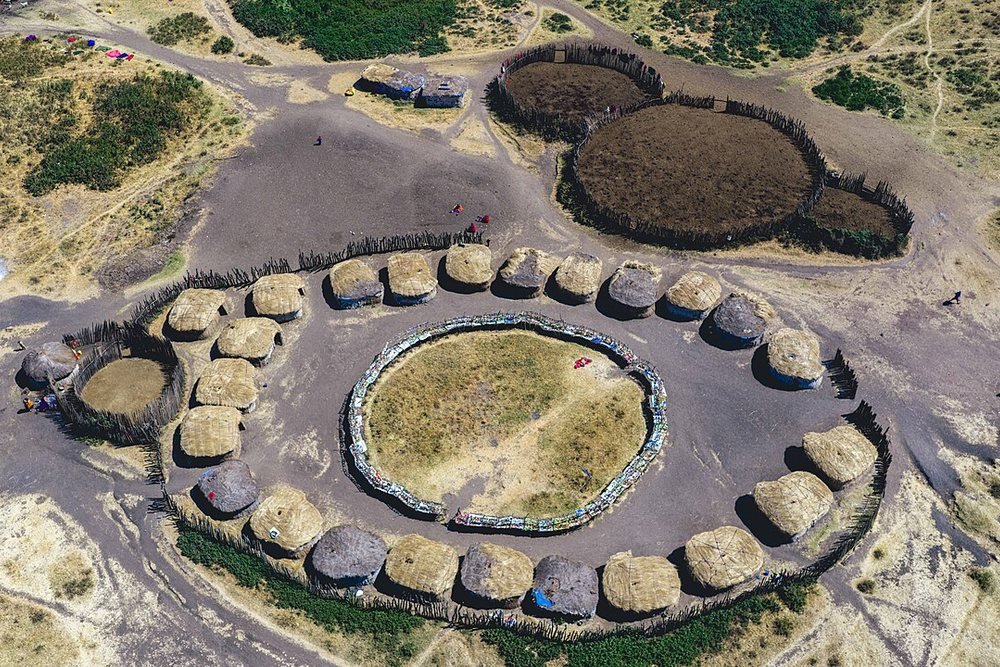
Visit a traditional Maasai boma in the Ngorongoro highlands to learn about the community's homes, cattle and beadwork.
*From balloon flights and mountain treks to dhow cruises and island markets, Tanzania offers new adventures at every stop for families, couples and groups alike.
Meet the Maasai, known for their red shúkà cloths, intricate beadwork and the adumu jumping dance, at cultural villages around Ngorongoro and Arusha. On Zanzibar, Swahili culture blends African, Arab, Persian and Indian influences, seen in Stone Town's carved wooden doors, its busy bazaars and the gentle rhythms of taarab music. Kiswahili, spoken across the country, will soon have you greeting everyone with a cheerful "Jambo!"

Tanzania can be visited all year. The long dry season (June to October) is the best time for game viewing, with river crossings in the northern Serengeti. The short rains (November to December) bring green landscapes, January and February are warm and ideal for the calving season in the southern Serengeti, and the long rains (March to May) bring heavy showers, when some camps close.
The coast and Zanzibar are hot and humid, usually around 25°C to 32°C. Arusha and the northern safari parks are milder, with warm days and cool mornings and evenings, while the Ngorongoro crater rim can be chilly at night, especially from June to August. Kilimanjaro's summit is bitterly cold all year, with temperatures often well below freezing.
Peak Season: July to October for the dry season and the migration river crossings, and late December to February for the calving season and festive holidays.
Off-Peak Season: March to May, during the long rains, when the parks are green, there are fewer visitors and many lodges offer better rates.
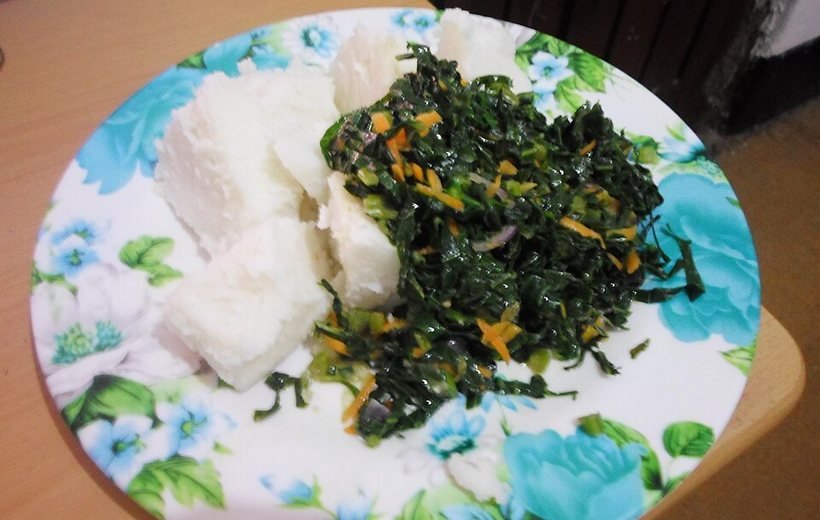
Tanzanian food is hearty and full of flavour. Try ugali, a firm maize porridge served with stews and greens, nyama choma (grilled meat), mishkaki skewers and chipsi mayai, a chips omelette loved across the country, with sweet mandazi and spiced chai at breakfast. On the coast and Zanzibar, spiced pilau, coconut curries and fresh seafood show the influence of Arab and Indian traders, and Indian and vegetarian restaurants are easy to find in Dar es Salaam, Arusha and Stone Town.



Tanzania is well connected to India, with non-stop flights between Mumbai and Dar es Salaam and easy one-stop connections to Kilimanjaro and Zanzibar. Most safaris start from Arusha in the north, while Zanzibar is a short flight or ferry ride from the mainland.
Non-stop flights link Mumbai with Dar es Salaam in about 6 hours. From other Indian cities, one-stop connections via Dubai, Doha, Addis Ababa or Nairobi reach Dar es Salaam, Kilimanjaro International Airport (for Arusha and the safari parks) and Zanzibar.
Indian passport holders need a visa for Tanzania, which can be applied for online as an eVisa before travel. A yellow fever certificate is not needed when flying directly from India, but may be if you transit through or visit a yellow fever risk country. Check current requirements before you travel; we assist with visas.
Safaris are usually done in 4x4 vehicles with pop-up roofs and an experienced driver-guide. Light aircraft connect Arusha, the Serengeti and Zanzibar, and fast ferries run between Dar es Salaam and Zanzibar in about 2 hours.

June to October is the best time for wildlife, with dry weather and river crossings in the northern Serengeti. January and February are ideal for the calving season in the southern Serengeti, and Zanzibar is at its best from June to October and December to February.
Yes. Indian passport holders need a visa, which can be applied for online as an eVisa before travel. Rules change, so check the latest requirements before you travel; our team can assist with your visa application.
Yes. Non-stop flights connect Mumbai with Dar es Salaam in about 6 hours. From other Indian cities, you can connect via Mumbai or via hubs such as Dubai, Doha, Addis Ababa and Nairobi.
A 5 to 6-day northern safari covers Tarangire, the Serengeti and the Ngorongoro Crater. With 9 to 10 days, you can add a relaxing beach stay on Zanzibar.
The migration moves through the Serengeti all year. Calving takes place in the south from about January to March, the herds move through the central and western Serengeti from around April to June, and river crossings are usually seen in the north from July to October.
Not if you fly directly from India. A certificate may be required if you transit through or also visit a country with yellow fever risk, such as Kenya or Uganda, so check current health rules before you travel.
Tanzania uses the Tanzanian shilling (TZS), and local prices are quoted and paid in shillings. Safaris and hotels booked through us are arranged before you travel, so you mainly need local cash, exchanged at banks or bureaux de change, for tips, markets and small shops. Cards are accepted at larger hotels.
Yes. A safari in the Serengeti and Ngorongoro followed by a beach stay on Zanzibar is one of Africa's most popular honeymoon combinations, with luxury tented camps, crater-rim lodges and romantic island resorts.

: Subscribe to our newsletter and be the first to know about exclusive offers, new destinations, and travel tips.