Mara River Crossing
Wait on the banks of the Mara River for one of the great wildlife sights on earth, as thousands of wildebeest plunge into the water past waiting crocodiles.

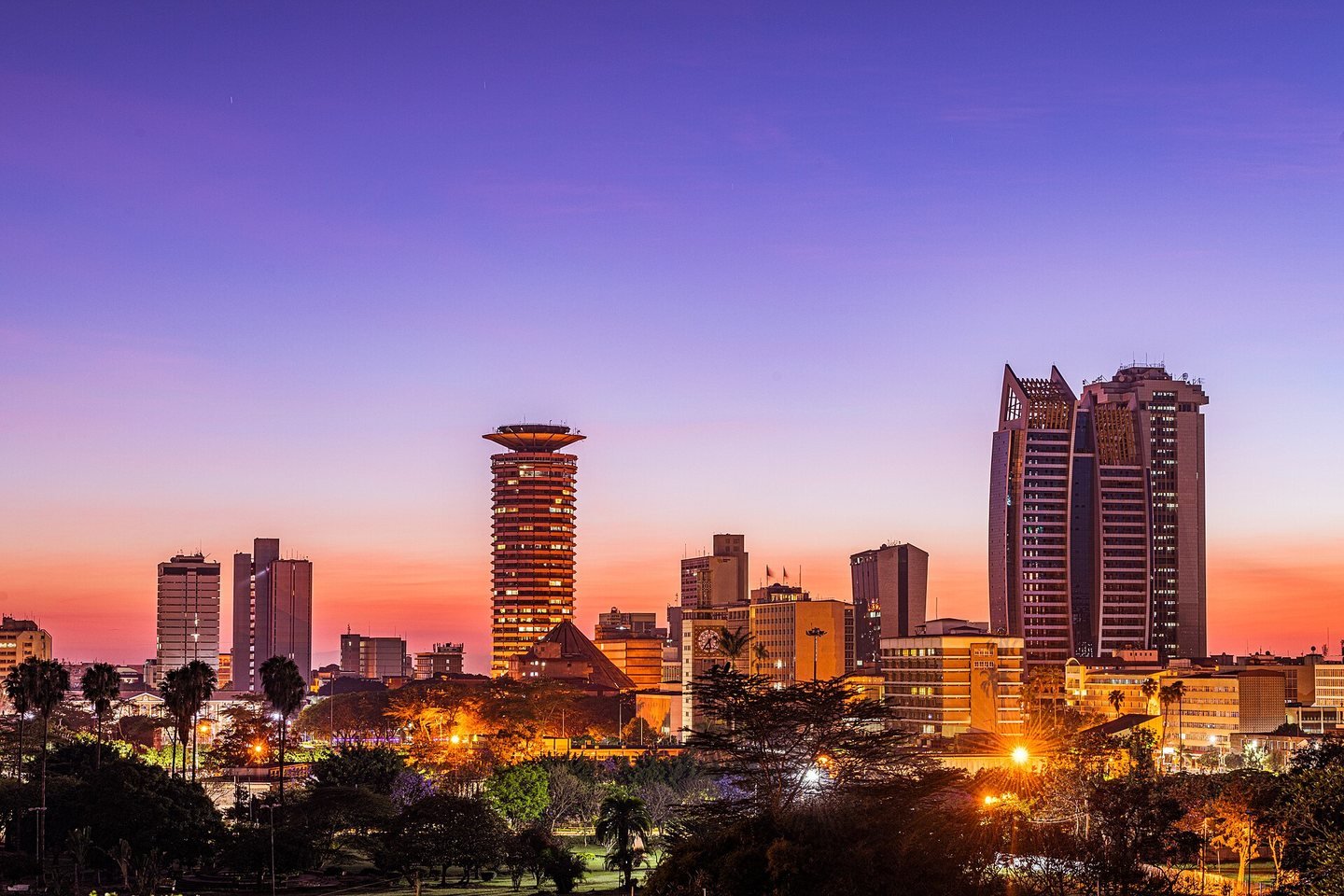
Kenya lies on the equator in East Africa, stretching from the shores of Lake Victoria across the Great Rift Valley to the white beaches of the Indian Ocean. Its name is shared with Mount Kenya, Africa's second-highest mountain, and its savannahs are where the classic African safari began.
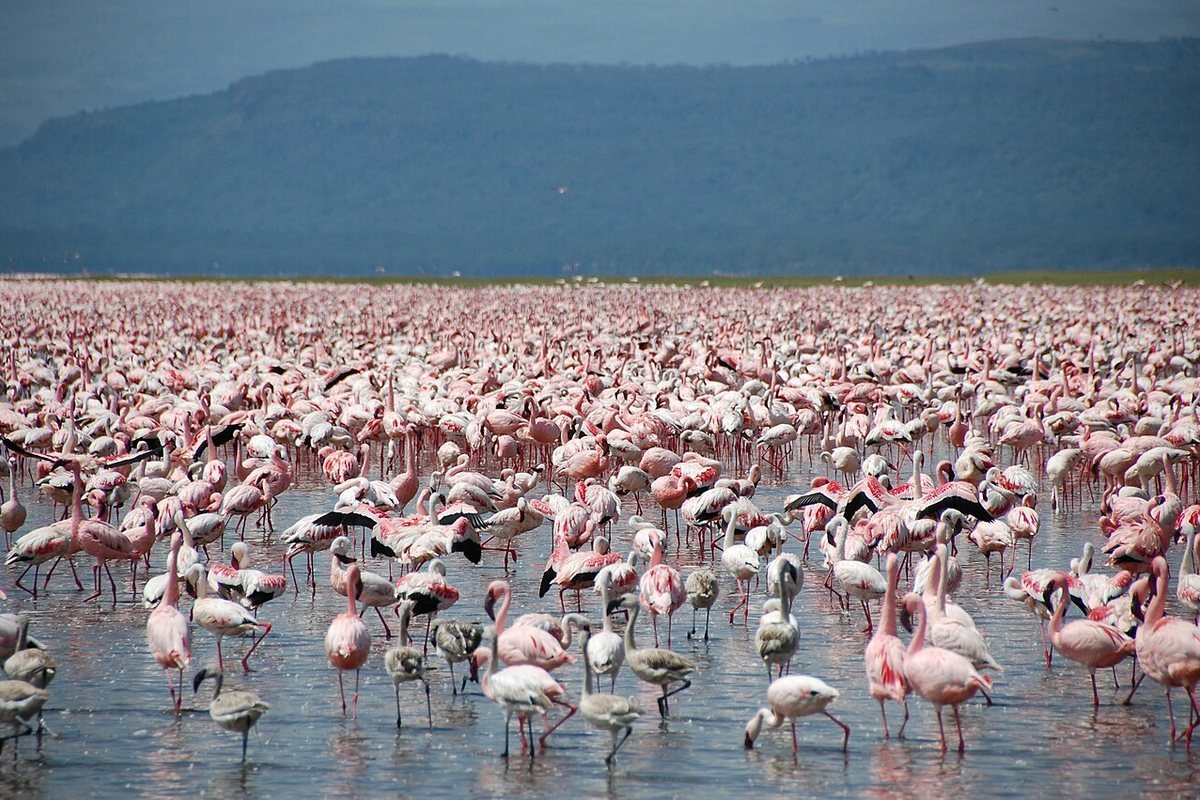
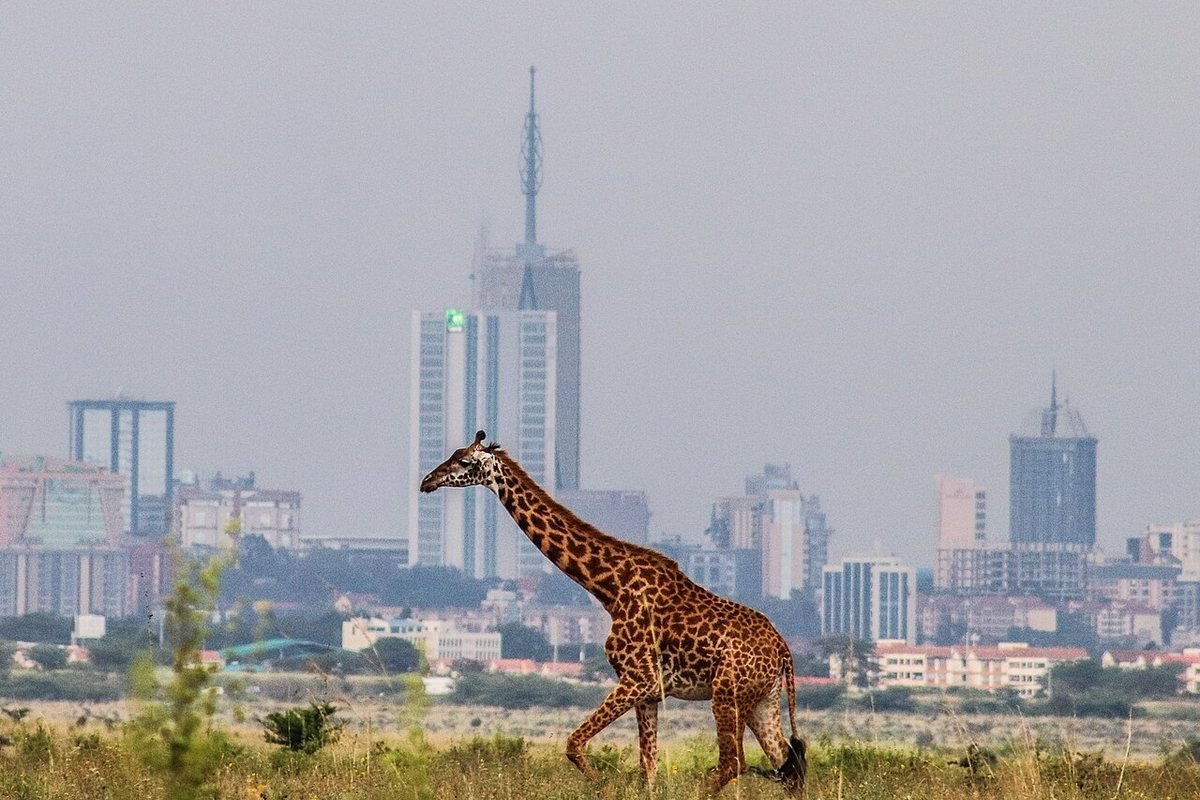
From big-cat sightings and the Great Migration in the Masai Mara to elephants beneath Kilimanjaro in Amboseli, flamingo-fringed Rift Valley lakes, Nairobi's giraffes and the Swahili coast of Mombasa, Diani and Lamu, Kenya suits families, honeymooners and wildlife lovers alike. With non-stop flights from Mumbai, it is also one of the easiest safari destinations to reach from India.
Look for lion, leopard, cheetah, elephant, buffalo and rhino on game drives in the Masai Mara, Amboseli, Samburu and Lake Nakuru.
Watch huge herds of wildebeest and zebra cross the Mara River, one of nature's most dramatic spectacles, usually between July and October.
See snow-capped Kilimanjaro from Amboseli, the jagged peaks of Mount Kenya and the lakes and volcanic gorges of the Great Rift Valley.
End your safari on the palm-fringed beaches of Diani and Watamu, or explore the historic Swahili towns of Mombasa and Lamu.
Non-stop flights from Mumbai take around six hours, and Kenya's long-established Indian community means familiar food is never far away.


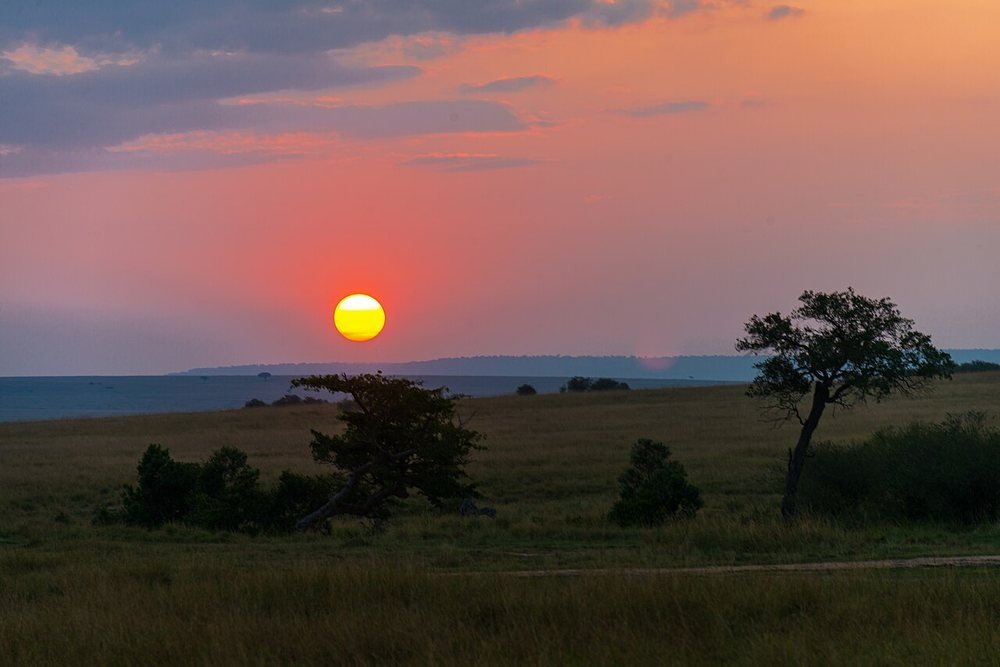
The Masai Mara in south-west Kenya is the country's most famous safari destination, a sweep of rolling grassland that continues into Tanzania's Serengeti. It is known for its lions, leopards and cheetahs, and for the Great Migration, when vast herds of wildebeest and zebra arrive from the Serengeti and cross the Mara River.
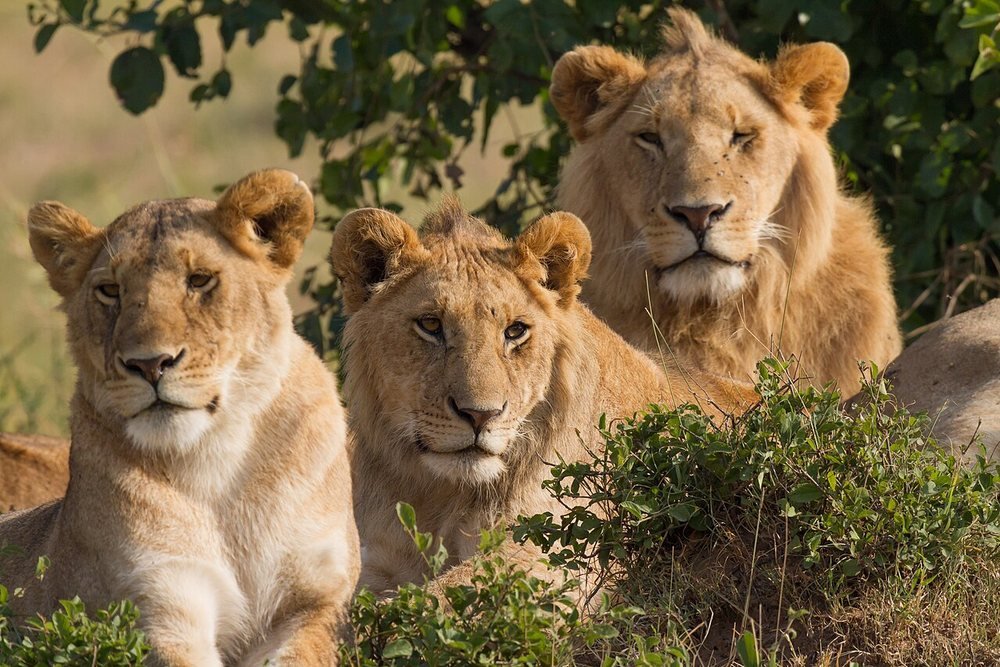


*The Great Migration usually reaches the Masai Mara between July and October, but its timing changes each year with the rains.
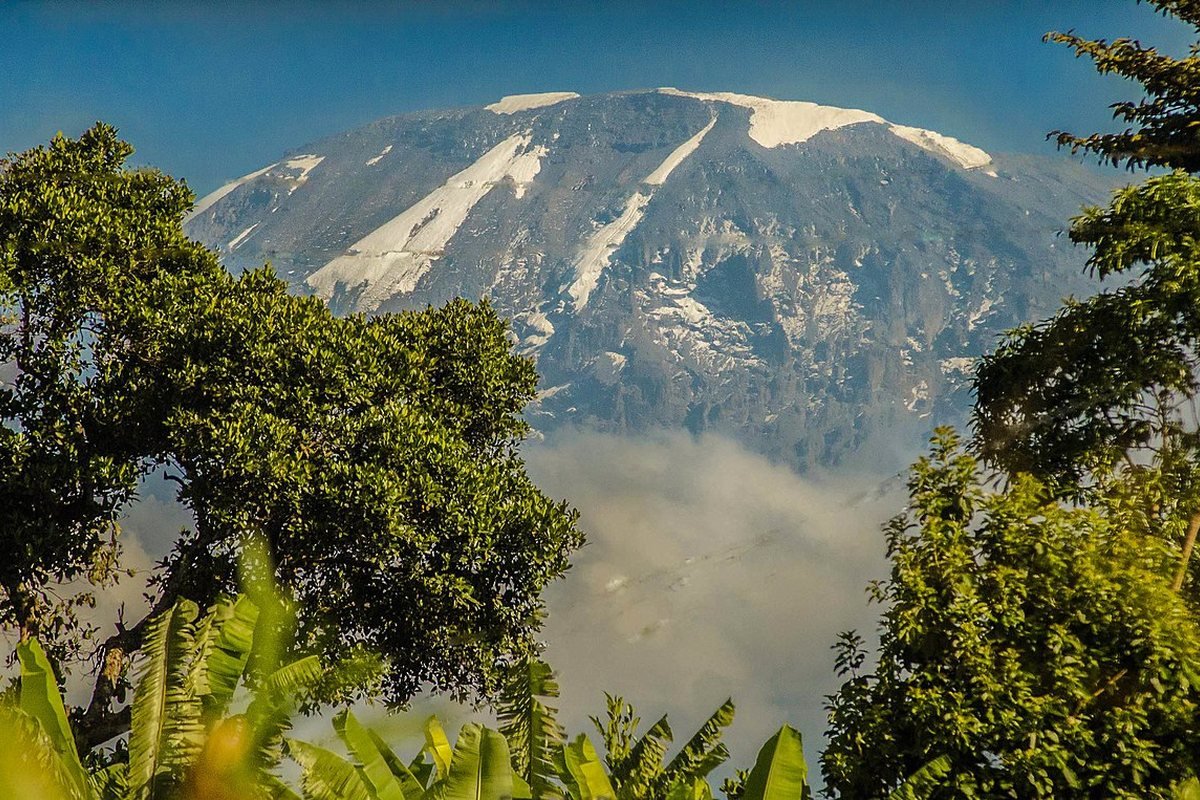
Close to the Tanzanian border, Amboseli is famous for its large elephant herds and its postcard views of snow-capped Mount Kilimanjaro, Africa's highest mountain, rising just across the border. Swamps fed by Kilimanjaro's snowmelt draw elephants, buffalo, hippos and hundreds of bird species all year.

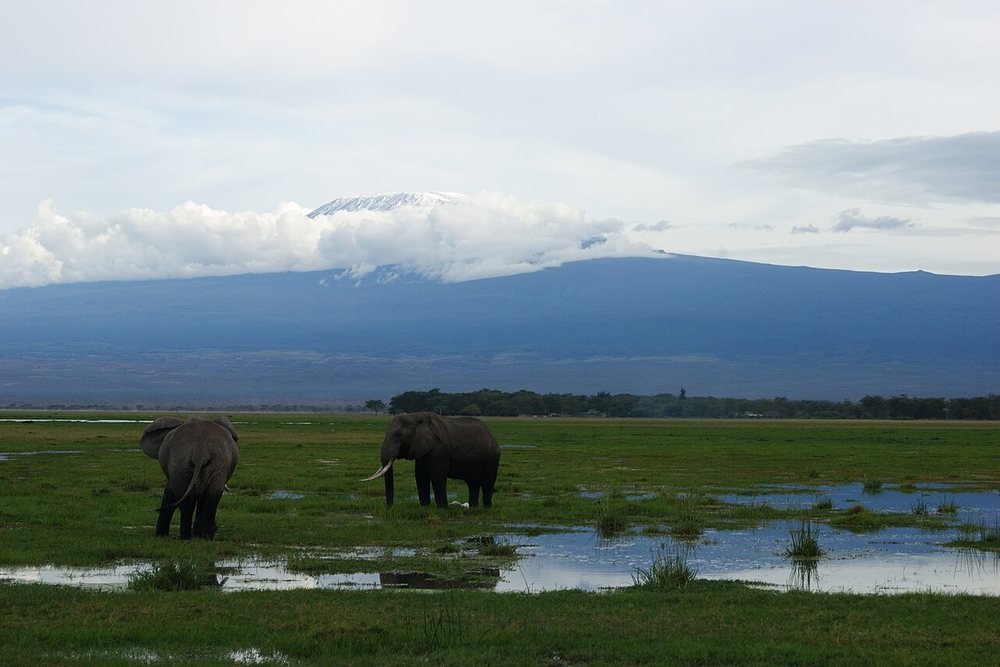

*Kilimanjaro is often hidden by cloud during the day, so early mornings and late afternoons give the best chance of a clear view.
Kenya's Indian Ocean coast is the perfect way to end a safari. Relax on the white sand of Diani Beach, explore Mombasa's Old Town and the 16th-century Portuguese Fort Jesus, and sail by dhow around Lamu, whose Swahili old town is a UNESCO World Heritage Site.
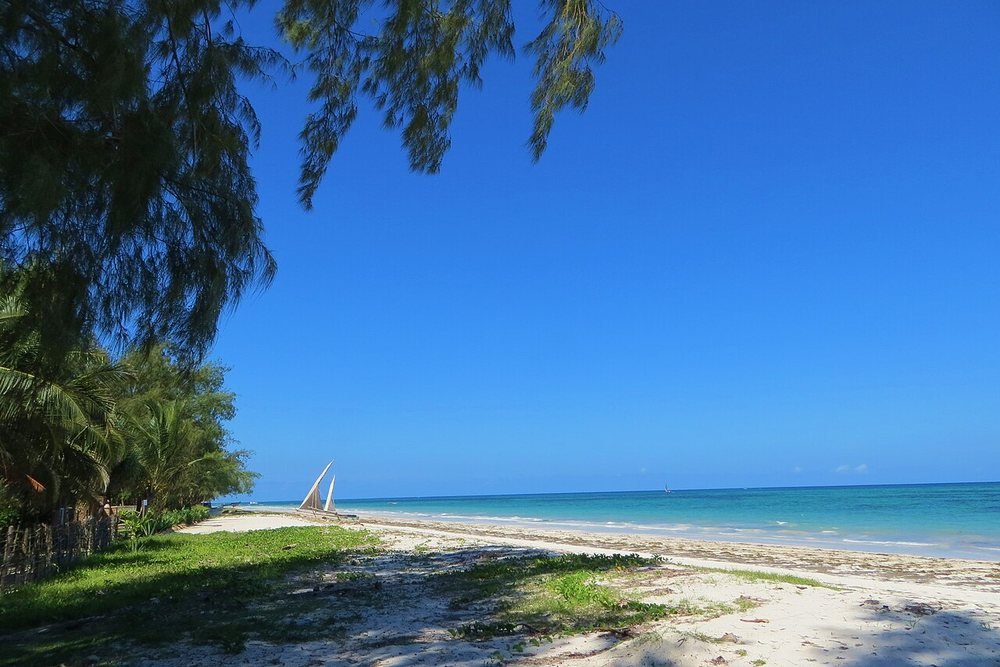
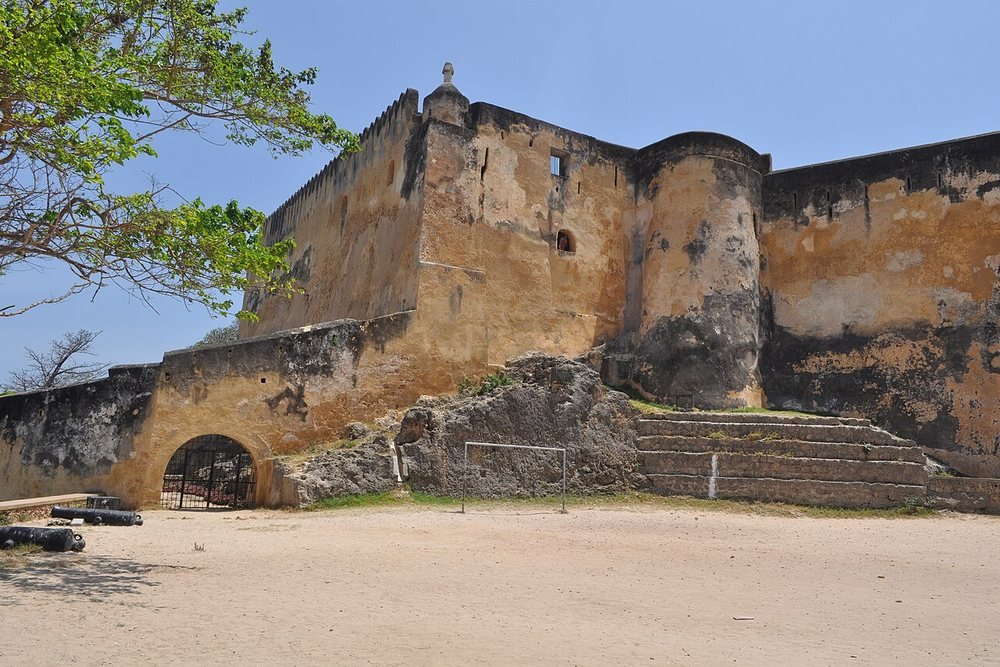
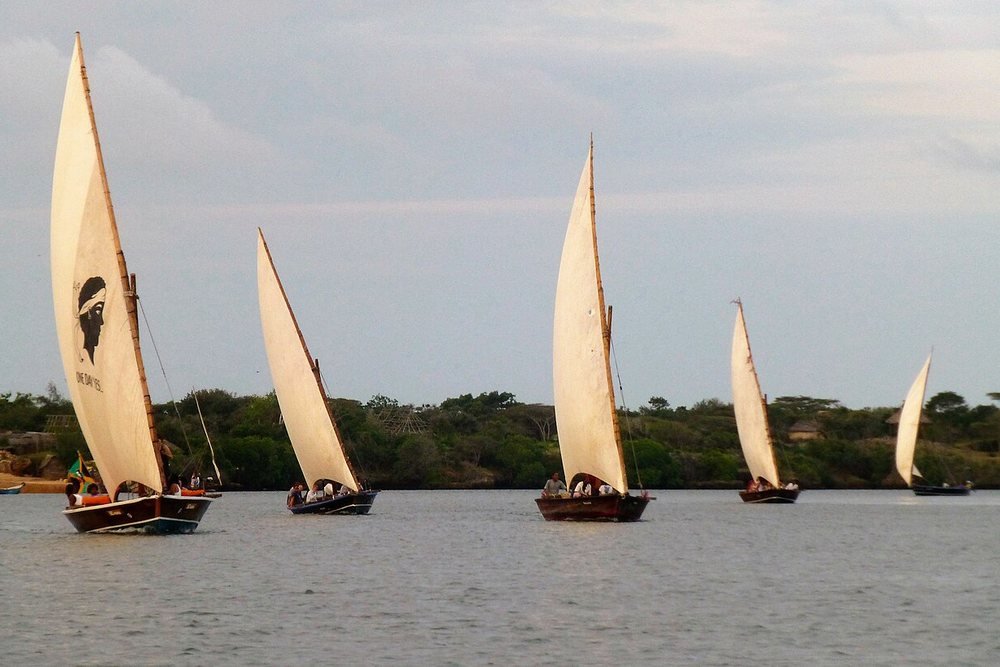
*A short flight from Nairobi or the Madaraka Express train to Mombasa makes it easy to add a few beach days after your safari.

Wait on the banks of the Mara River for one of the great wildlife sights on earth, as thousands of wildebeest plunge into the water past waiting crocodiles.
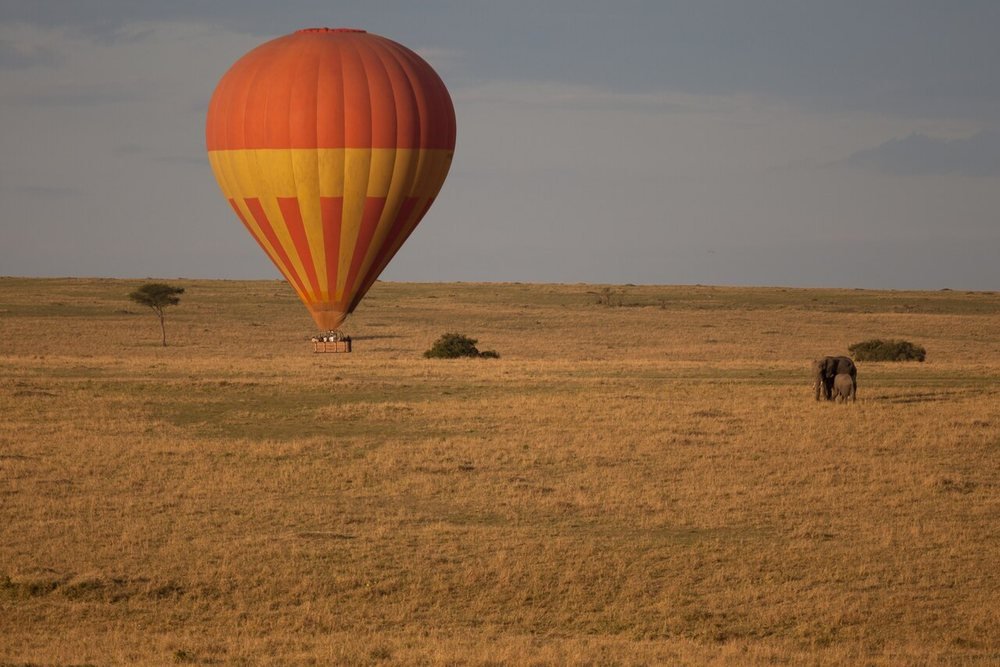
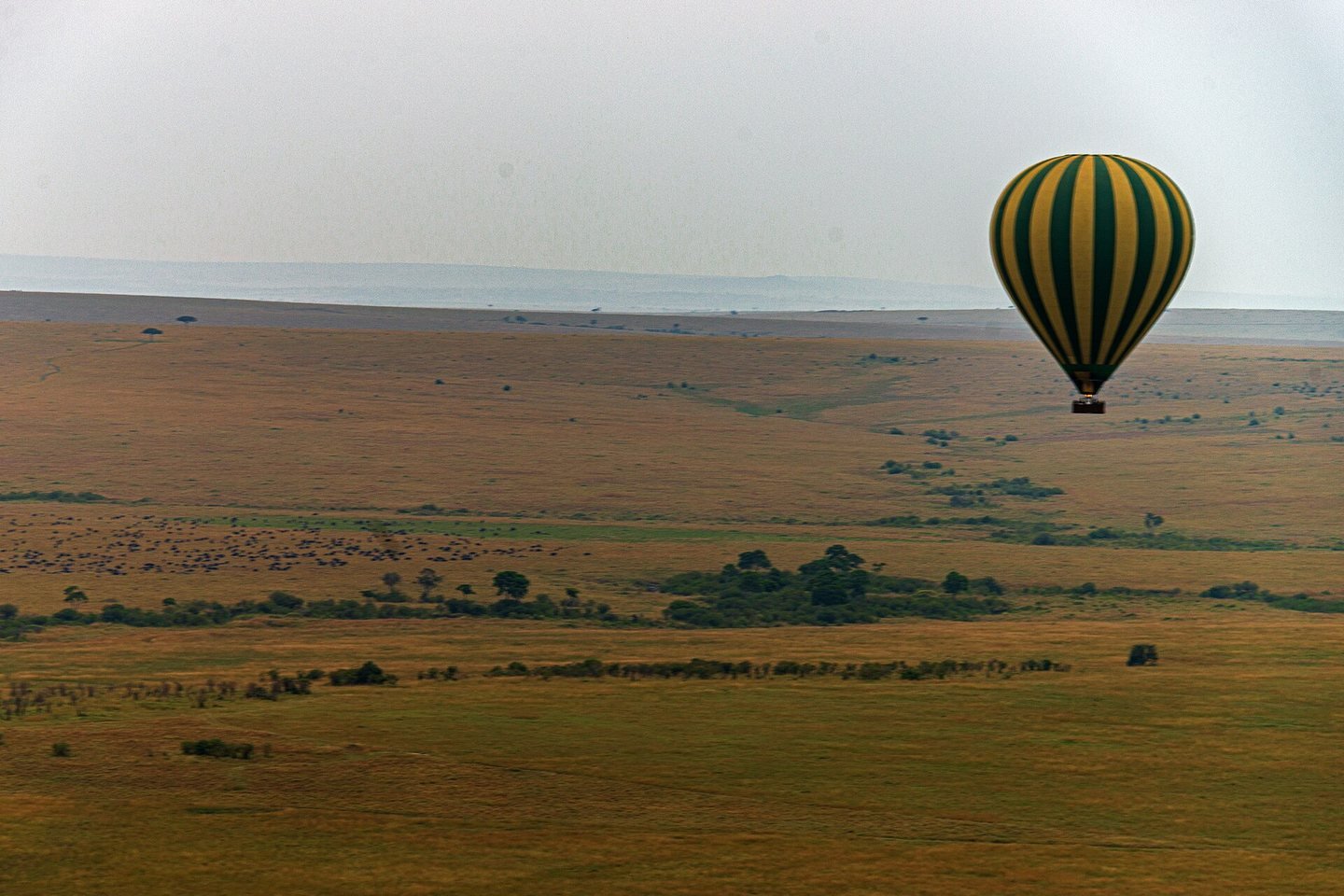
Float silently over the Masai Mara at sunrise, watching the plains and their wildlife wake up below, followed by a breakfast out in the bush.

Come eye to eye with endangered Rothschild's giraffes from a raised feeding platform at this conservation centre on the edge of Nairobi.

Watch orphaned baby elephants being bottle-fed by their keepers during the daily public visiting hour at the Sheldrick Wildlife Trust nursery in Nairobi National Park.

Take a boat out on this freshwater Rift Valley lake to see hippos and fish eagles up close, then walk among zebras and giraffes on Crescent Island.

Cycle past zebras and buffalo in Hell's Gate National Park, one of the few Kenyan parks you can explore on foot or by bike, then hike through its narrow volcanic gorge.

Track black and white rhinos at Ol Pejeta Conservancy near Nanyuki, at the foot of Mount Kenya, one of East Africa's leading rhino sanctuaries.
*The Sheldrick nursery visiting hour must be booked in advance, and balloon safaris fill up quickly in migration season, so plan these early.
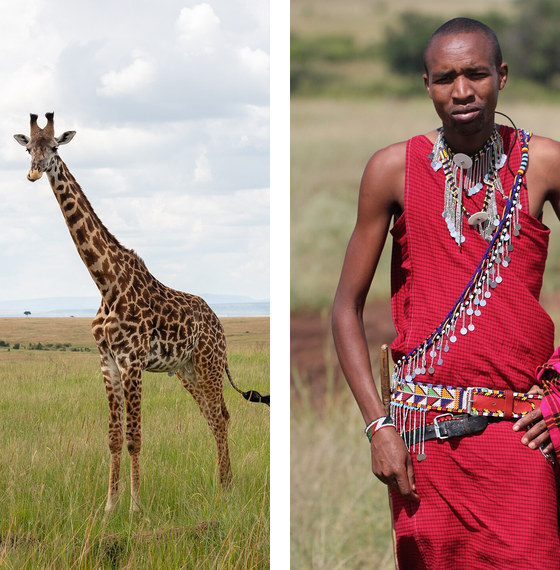
Kenya is home to more than 40 ethnic groups. Visit a Maasai village to learn about their cattle-herding way of life and watch the warriors' famous jumping dance, or wander the narrow lanes of Lamu, where Swahili culture shaped by centuries of Indian Ocean trade lives on in carved doors, dhows and donkey-filled streets. Indian travellers will find a special link here too: thousands of workers from India helped build the railway from Mombasa in the 1890s, and Kenya's Indian community remains part of everyday life.
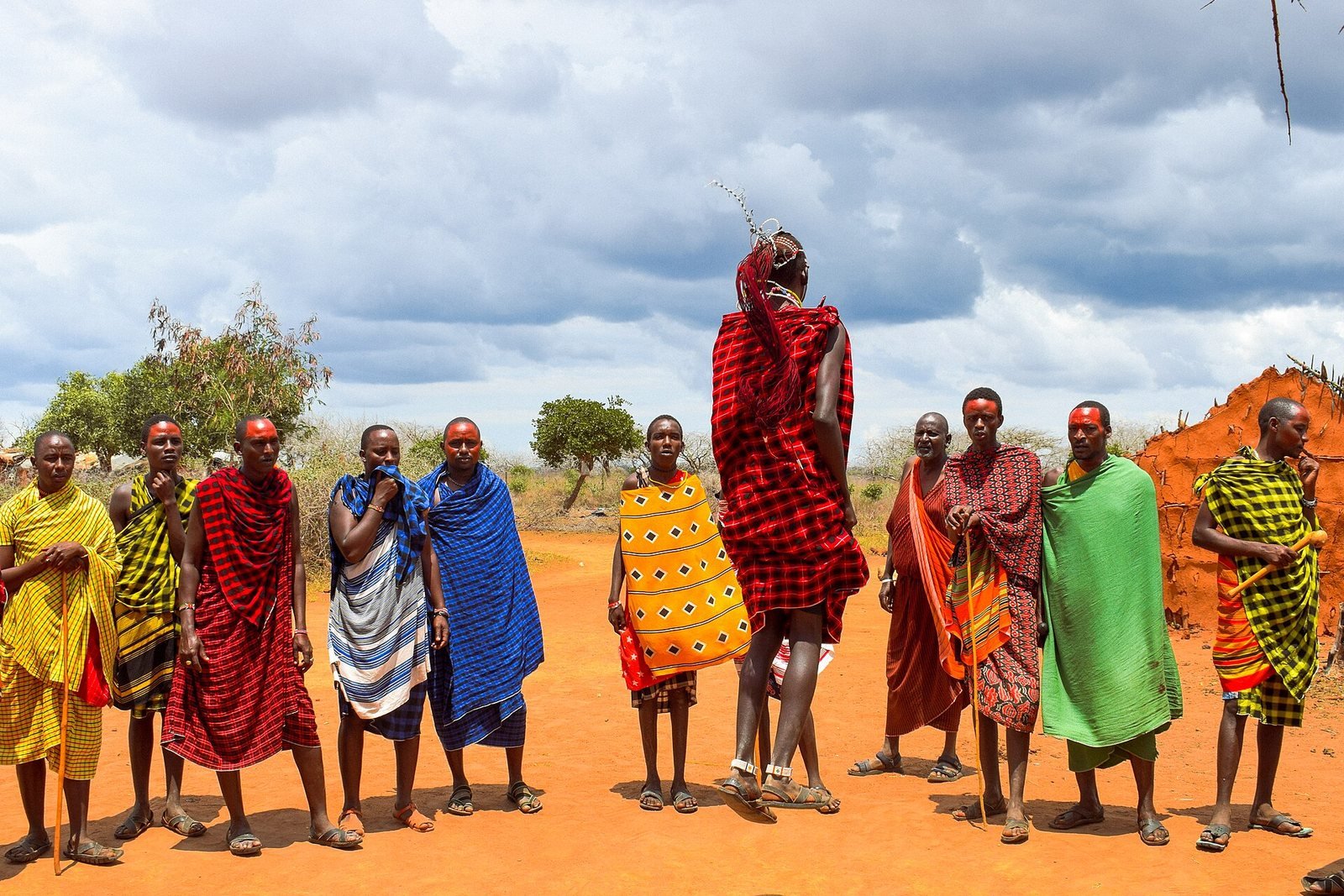

Kenya can be visited all year. The long dry season from late June to October is the classic safari time, when the Great Migration is usually in the Masai Mara. January and February are also dry, warm and excellent for game viewing. The long rains fall from about March to May and the short rains in November and early December.
Thanks to its altitude, Nairobi has a pleasant climate, with warm days and cool mornings and evenings, especially from June to August. The safari parks are warm and sunny by day and can be chilly at dawn. The coast is hot and humid all year, with daytime temperatures around 30°C.
Peak Season: July to October for the Great Migration in the Masai Mara, and mid-December to February for safaris and beach holidays.
Off-Peak Season: April to May, during the long rains, when lodges are quieter and offer better rates, though some camps and coastal resorts close for the season.
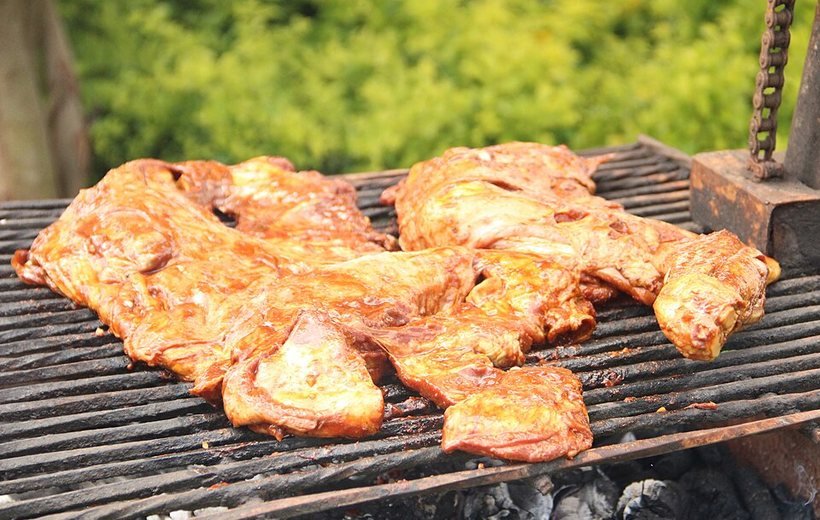
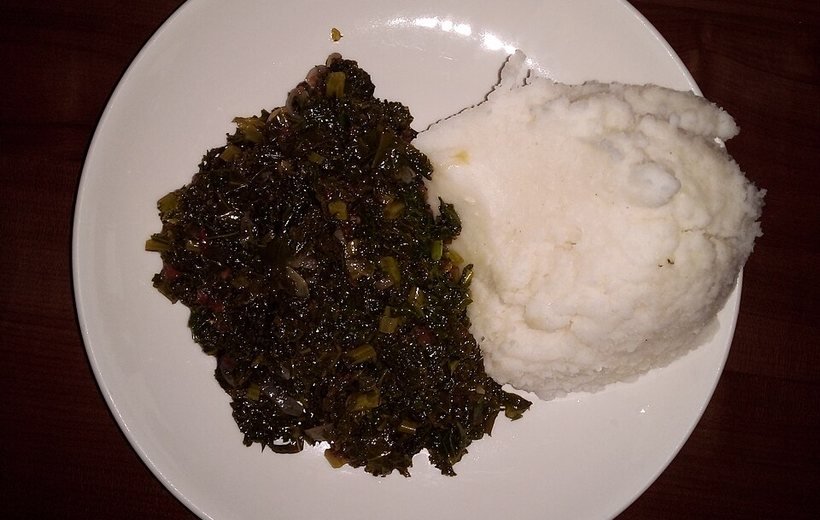
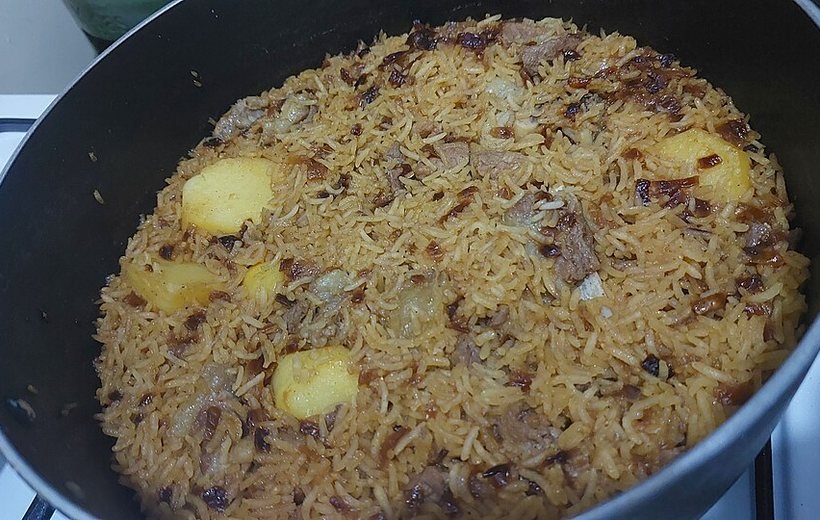
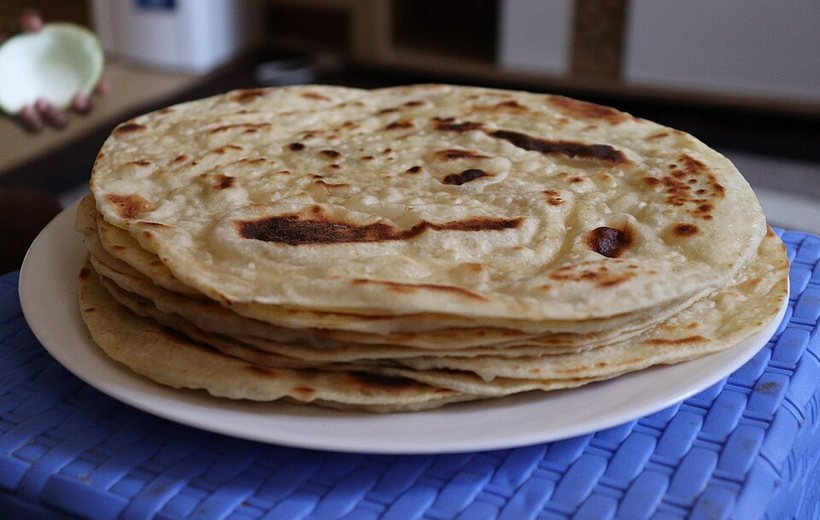
Kenyan food is simple and hearty. Try nyama choma (grilled meat), the national favourite, with ugali (a firm maize porridge) and sukuma wiki (sautéed greens), fragrant Swahili pilau from the coast and soft, flaky chapati, a legacy of Kenya's Indian community. Indian and vegetarian restaurants are easy to find in Nairobi and Mombasa, and safari lodges can arrange vegetarian meals with advance notice.
Kenya's main international gateway is Jomo Kenyatta International Airport in Nairobi, with Moi International Airport serving Mombasa and the coast. Light aircraft from Nairobi's Wilson Airport fly to airstrips in the Masai Mara, Amboseli, Samburu and along the coast.
Non-stop flights connect Mumbai and Nairobi in around six hours. From Delhi, Bengaluru, Chennai and other Indian cities, one-stop flights via Mumbai, Dubai, Doha or Addis Ababa are easy. Ask us about the latest routes.
Indian passport holders need an approved Electronic Travel Authorisation (eTA) before travel. India requires a yellow fever vaccination certificate from travellers returning from Kenya. Rules change, so check current requirements; we assist with visas.
Safaris are made in 4x4 vehicles with a driver-guide, or by light aircraft to the parks. The Madaraka Express train links Nairobi and Mombasa, and Kenya drives on the left, as in India.


Late June to October is the best time for safaris, and July to October is usually when the Great Migration is in the Masai Mara. January and February are also dry and good for both safaris and the beach. March to May is the main rainy season.
Indian passport holders need an approved Electronic Travel Authorisation (eTA), applied for online before travel. You will also need a yellow fever vaccination certificate to re-enter India. Rules change, so check current requirements; we assist with visas.
Take a non-stop flight from Mumbai to Nairobi, which takes around six hours, or a one-stop flight from other Indian cities via Mumbai or Gulf and African hubs. From Nairobi, short flights or road transfers take you to the parks and the coast.
A 5 to 6-day trip covers Nairobi and the Masai Mara. With 8 to 10 days you can add Amboseli or Lake Naivasha and Lake Nakuru, and finish with a few beach days in Diani.
The herds usually arrive in the Masai Mara around July and stay until about October, with the dramatic Mara River crossings most likely from August to September. Timing depends on the rains, so sightings are never guaranteed.
Yes. Children love the Giraffe Centre and the baby elephants at the Sheldrick nursery in Nairobi, game drives in the Mara and the calm, shallow beaches of the coast. Many lodges offer family tents and child-friendly activities.
Yes. Couples can enjoy a luxury tented camp in the Masai Mara, a sunrise balloon flight and sundowners on the savannah, followed by a relaxing stay on Diani Beach or in historic Lamu.
Yes. Kenya has a large, long-established Indian community, so Indian restaurants and vegetarian food are easy to find in Nairobi and Mombasa. Safari lodges and camps can usually prepare vegetarian meals with advance notice.
: Subscribe to our newsletter and be the first to know about exclusive offers, new destinations, and travel tips.