Ride the Shinkansen
Travel between Tokyo, Kyoto and Osaka on Japan's famous bullet train, with views of Mount Fuji on a clear day.

Japan is an island nation in East Asia, made up of four main islands – Honshu, Hokkaido, Kyushu and Shikoku – and thousands of smaller ones. From the neon-lit streets of Tokyo and the temples of Kyoto to snowy Hokkaido and the subtropical beaches of Okinawa, it packs remarkable variety into one easy-to-travel country.
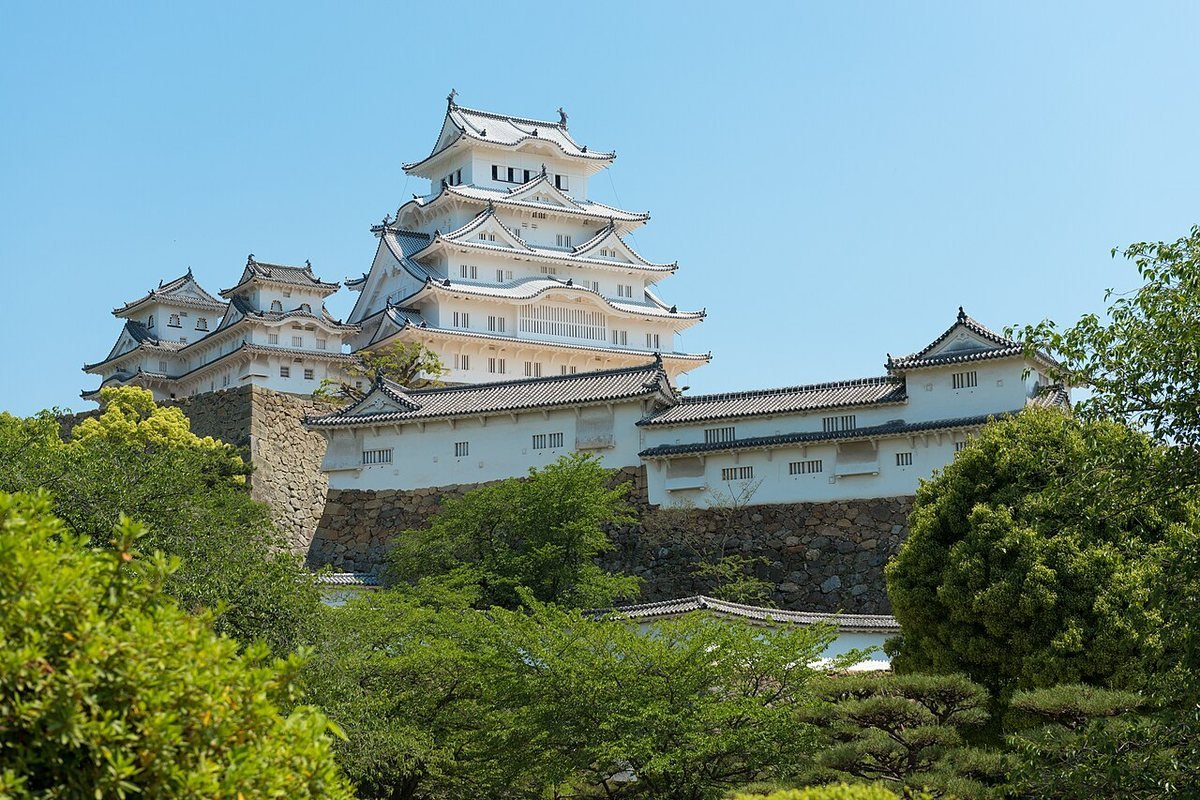
Ancient shrines, castles and tea houses sit alongside bullet trains, skyscrapers and some of the world's most celebrated food. Add the snow-capped cone of Mount Fuji, spring cherry blossoms and fiery autumn leaves, and Japan makes an unforgettable holiday in every season.
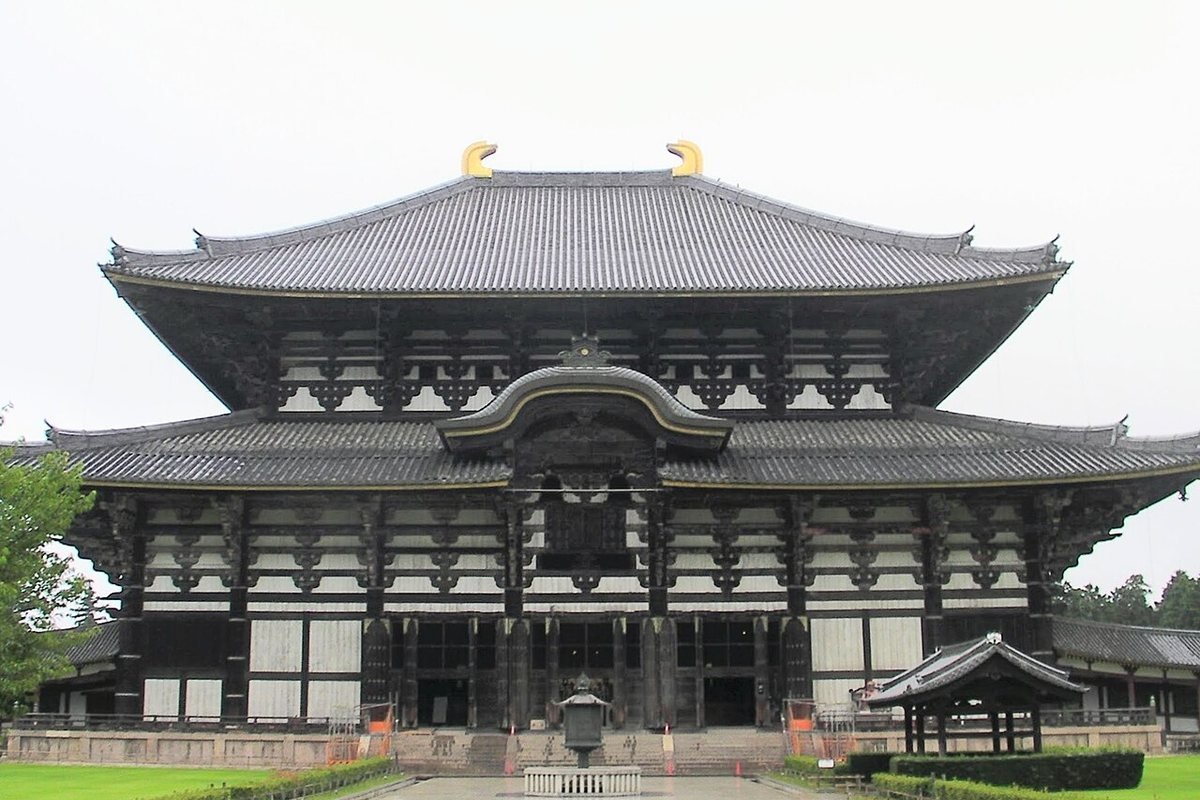
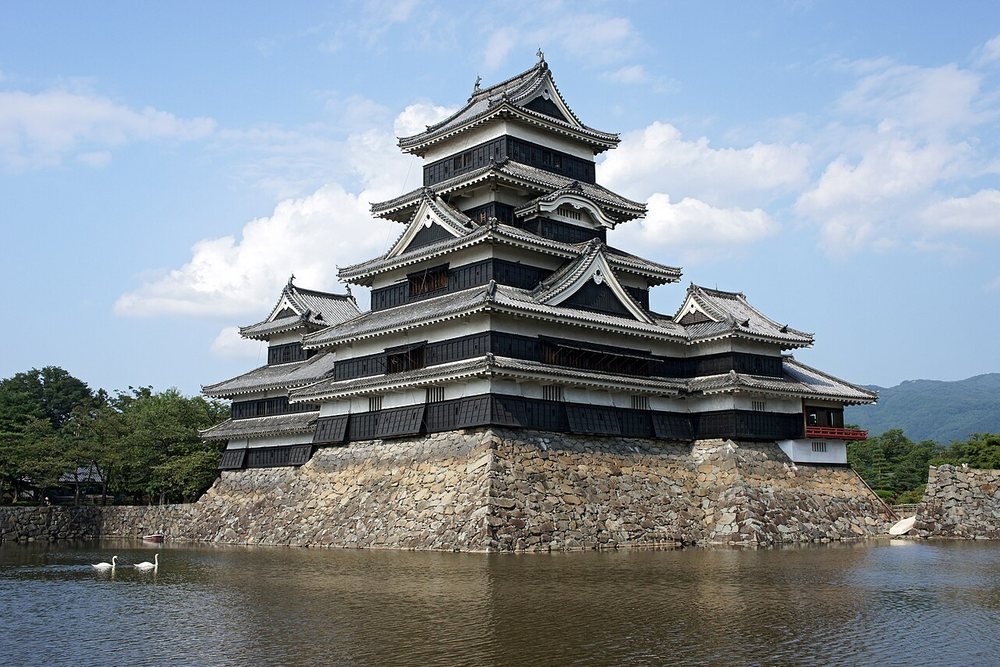
Explore centuries of history at Kyoto's Zen temples, Nara's Great Buddha and the thousands of vermilion gates of Fushimi Inari.
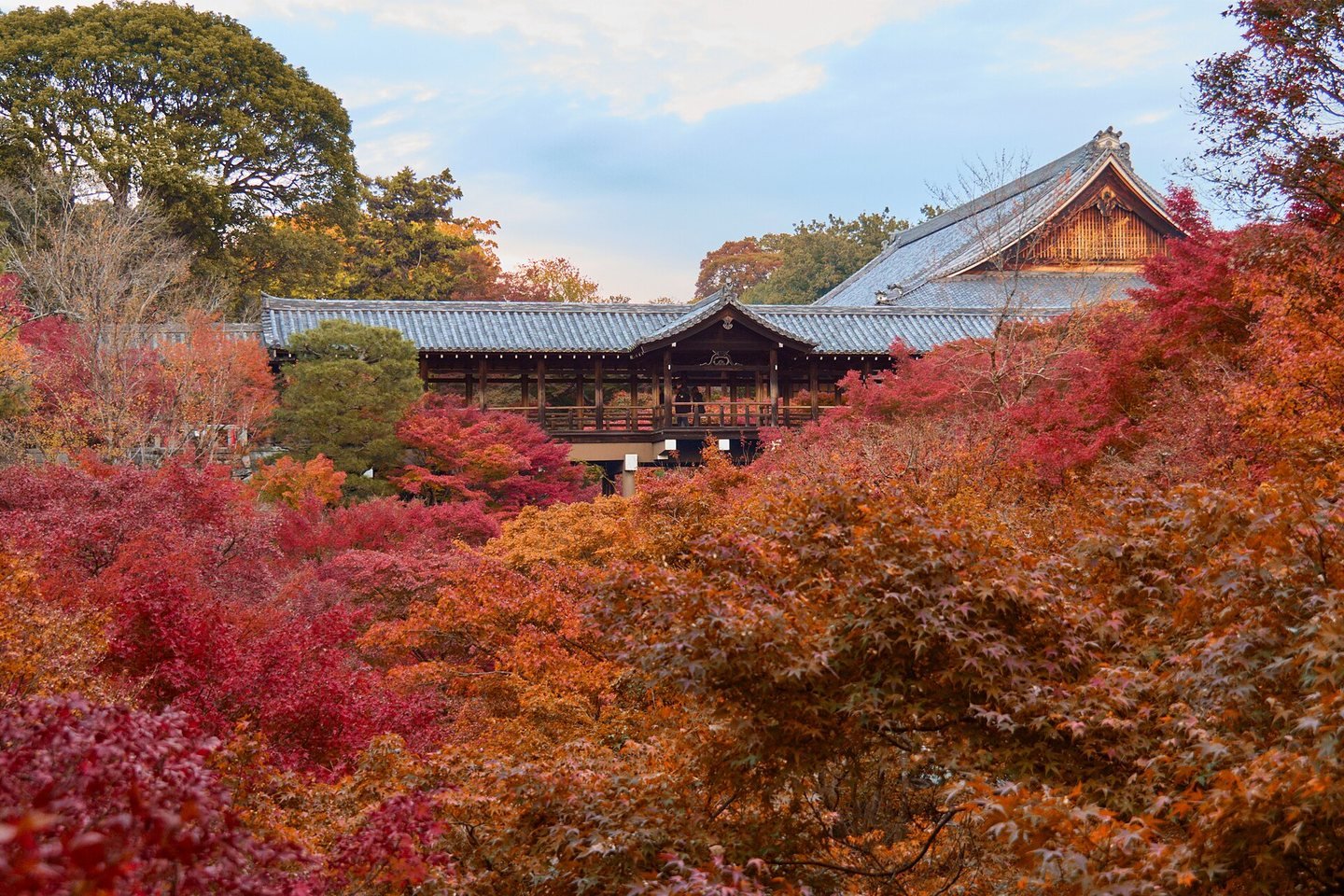
Time your trip for spring sakura or the reds and golds of autumn, when parks, castles and gardens are at their most beautiful.
Tokyo and Osaka dazzle with skyline views, neon-lit districts, shopping streets and world-class museums.
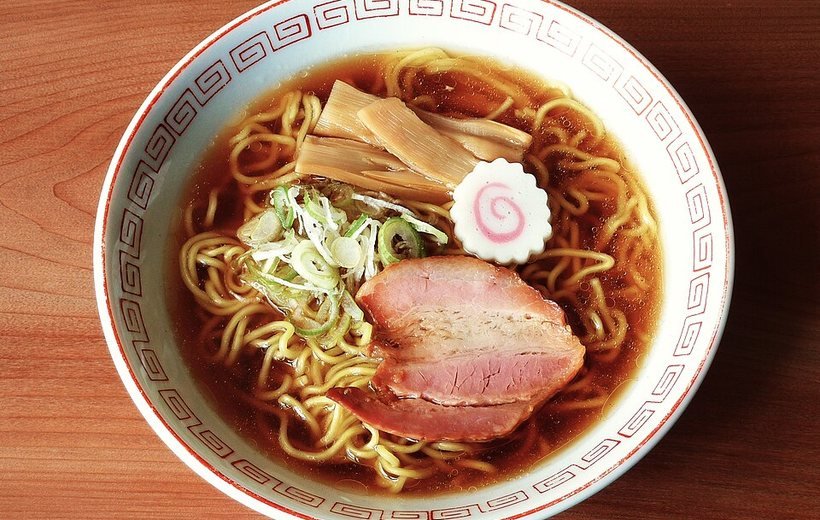
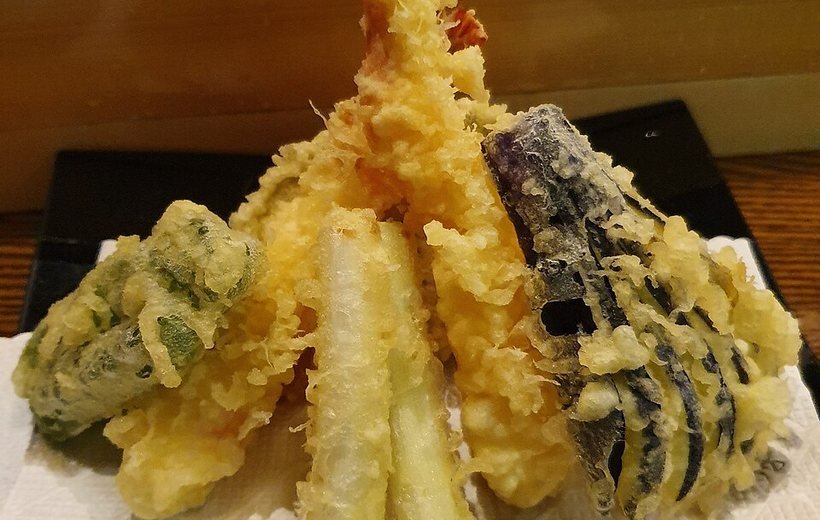
Taste fresh sushi, steaming ramen, crisp tempura and Osaka street food, with vegetarian and Indian options in the big cities.
Japan is known for its safety, cleanliness and punctual trains, and the Shinkansen bullet train links its major cities in a few hours.
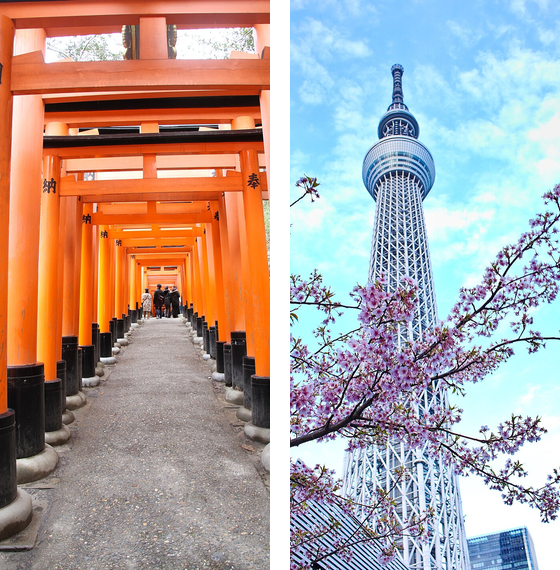

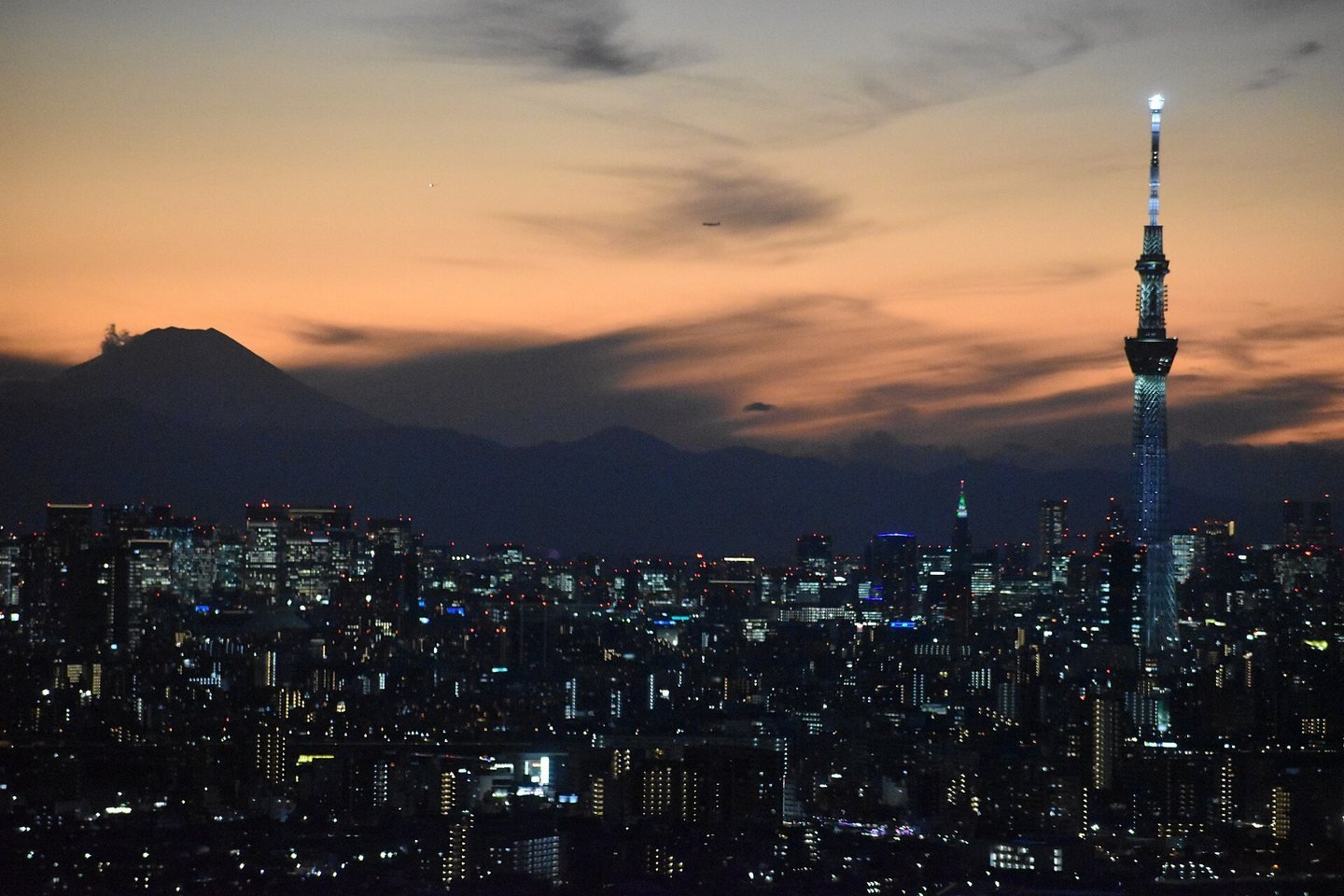
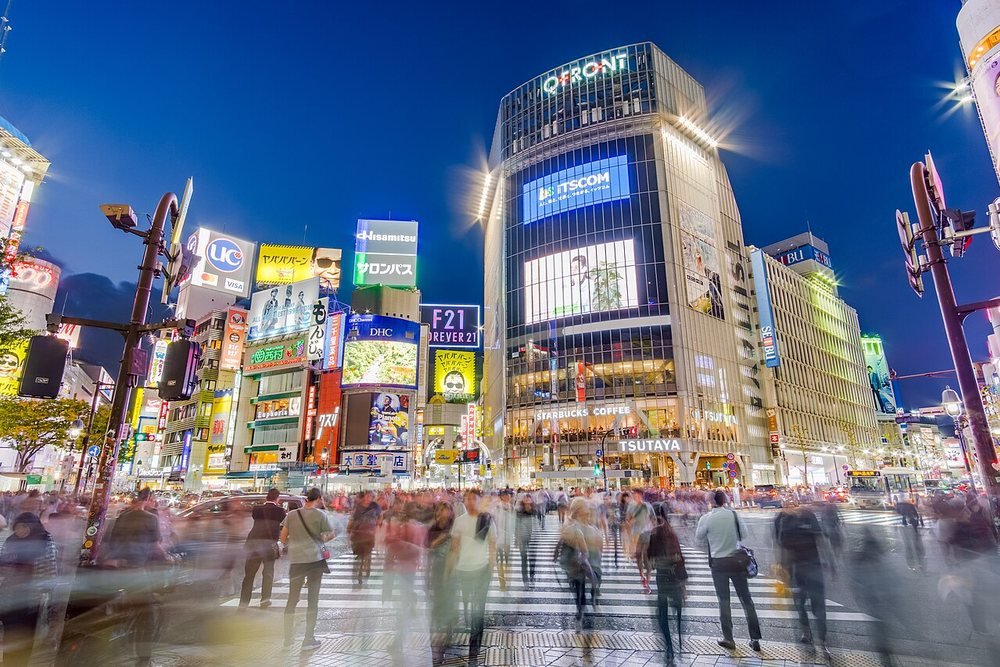
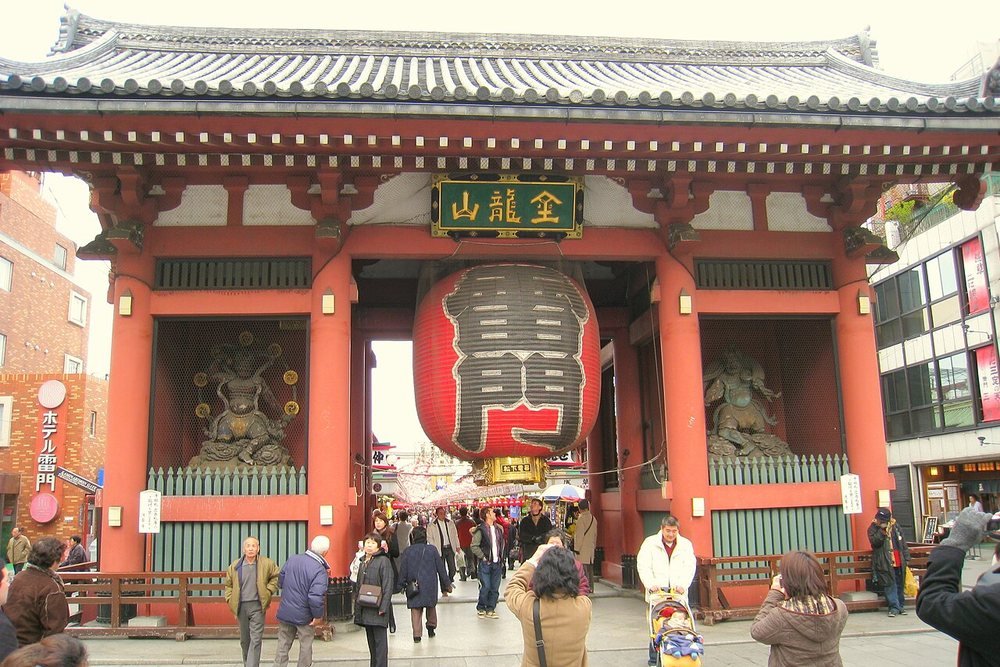
Japan's dazzling capital pairs the famous Shibuya Crossing, Ginza and Harajuku with Asakusa's ancient Senso-ji temple, sweeping city views from Tokyo Tower and Tokyo Skytree, and some of the best food anywhere.

Japan's capital for more than a thousand years, Kyoto is home to the Golden Pavilion of Kinkaku-ji, the wooden terrace of Kiyomizu-dera, the Arashiyama Bamboo Grove and the historic geisha district of Gion.


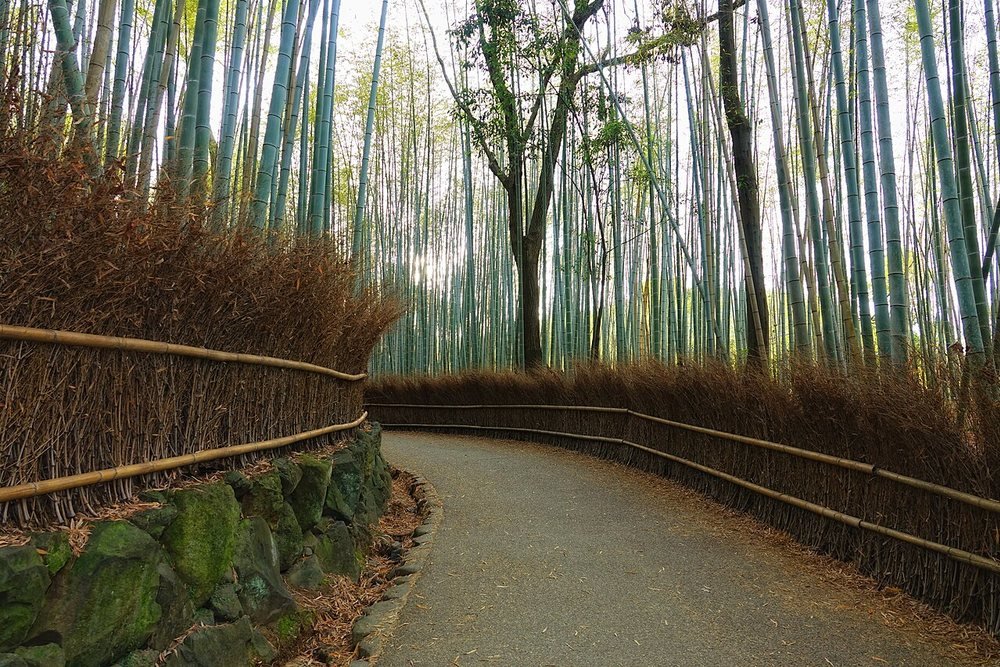
*Kyoto is busiest in the cherry blossom and autumn leaf seasons; early mornings are the best time to visit the popular temples.
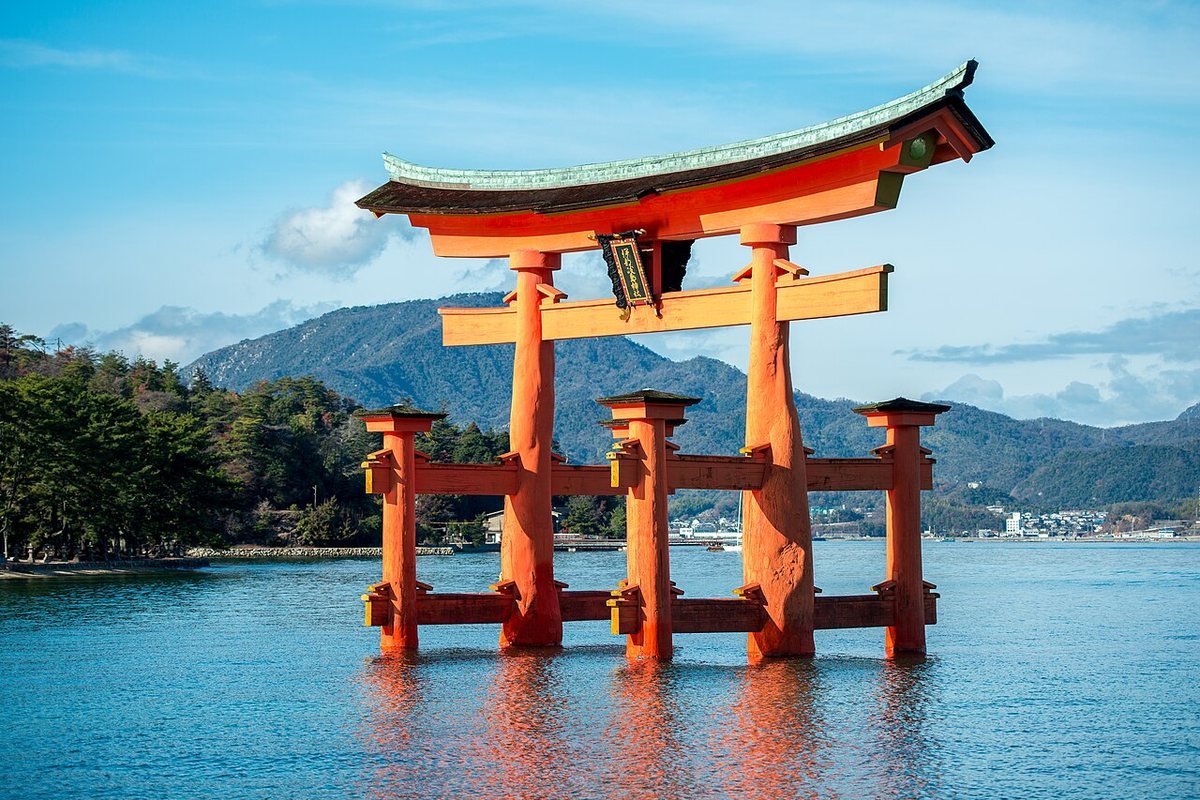
Admire Japan's highest peak from the Fuji Five Lakes and the Chureito Pagoda, then cruise Lake Ashi past the lakeside torii of Hakone Shrine and unwind in a hot-spring ryokan, all within easy reach of Tokyo.

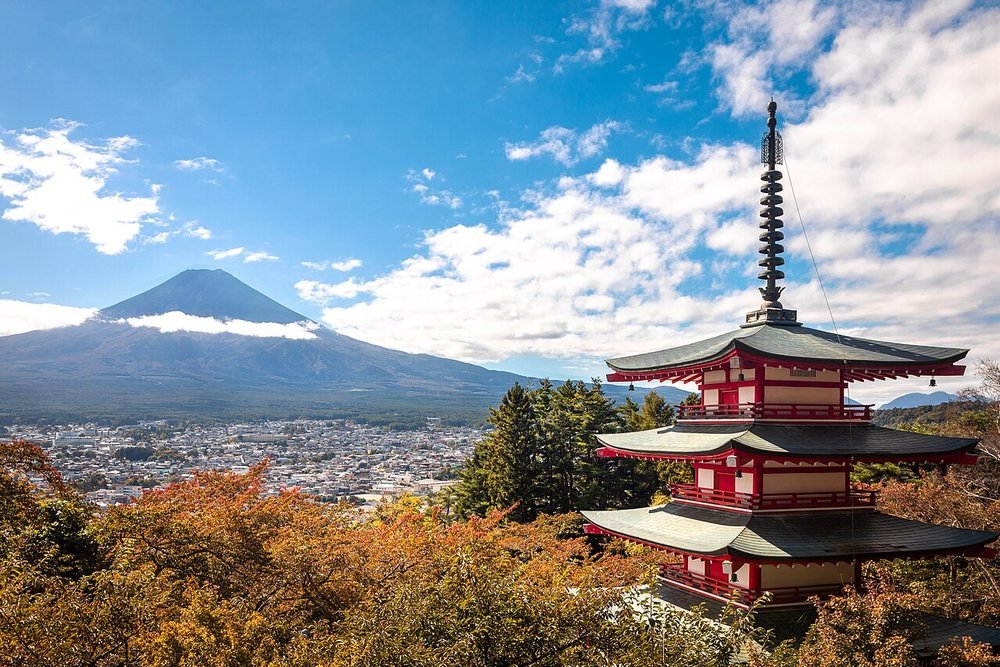
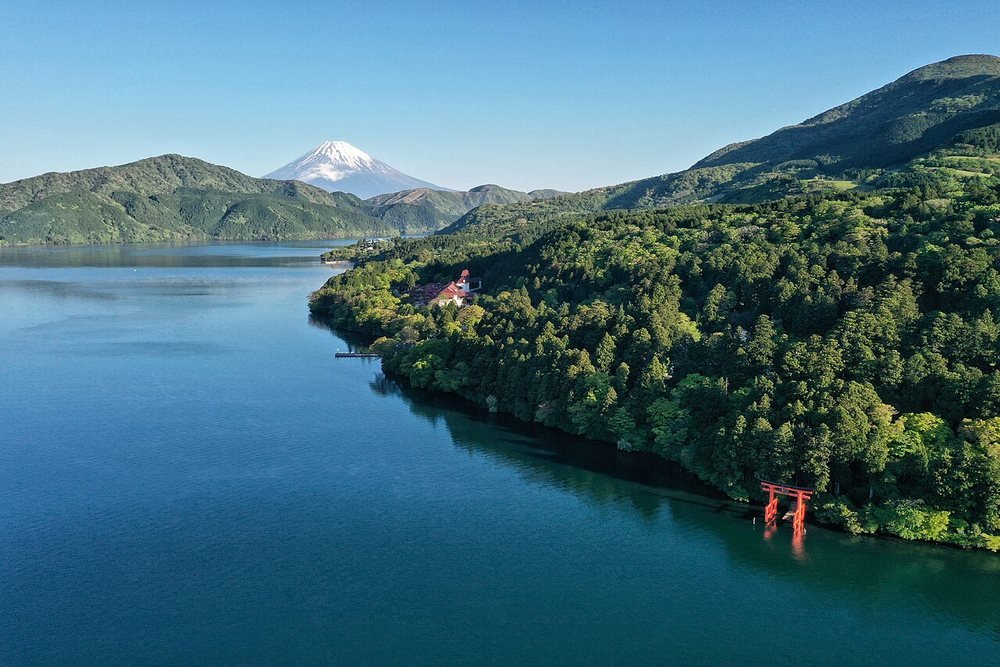
*Mount Fuji is often hidden by cloud; clear views are most likely on crisp mornings from late autumn to early spring. The climbing season runs from early July to early September.

Travel between Tokyo, Kyoto and Osaka on Japan's famous bullet train, with views of Mount Fuji on a clear day.
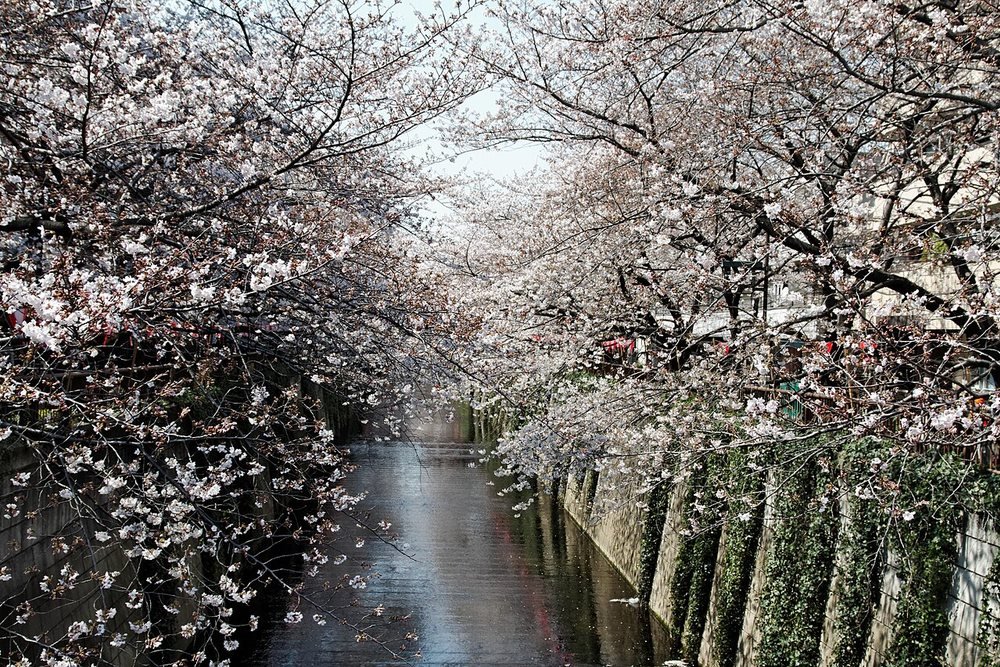
Join locals for hanami picnics beneath the sakura, which usually bloom from late March to early April in Tokyo and Kyoto.
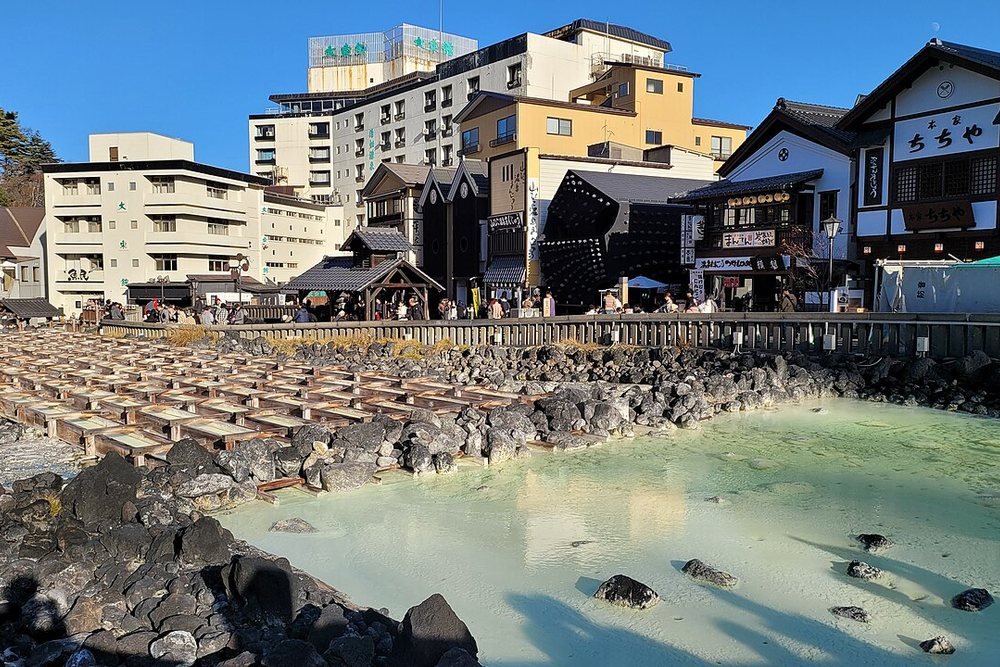
Soak in natural hot springs at onsen towns such as Kusatsu and Hakone, and spend a night in a traditional ryokan.

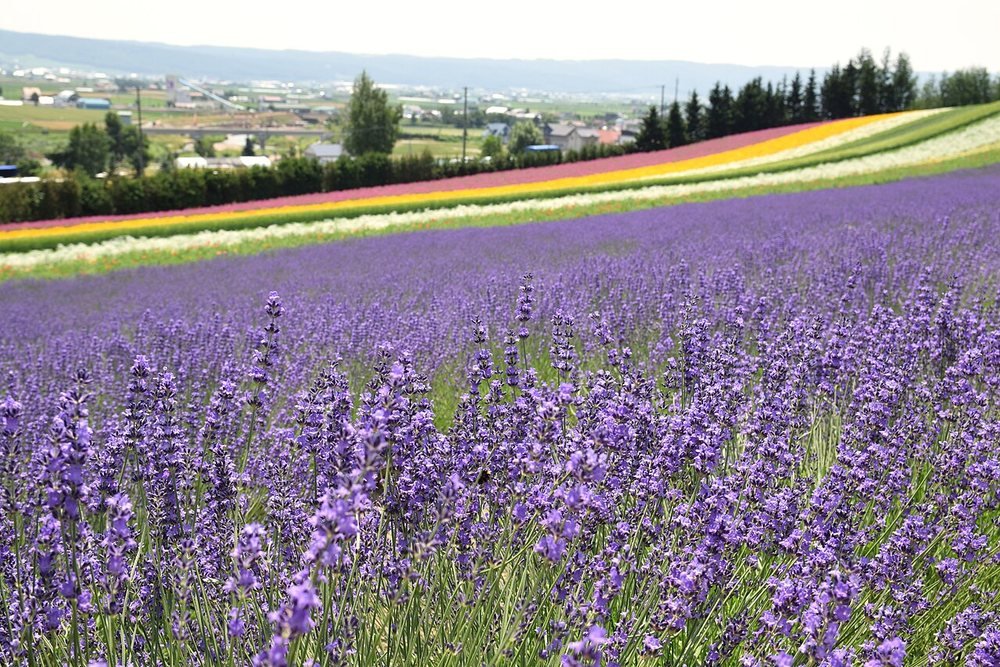
Ski or snowboard through Niseko's famous powder snow in winter, with views of the volcanic cone of Mount Yotei.

Watch wild Japanese macaques bathe in the hot springs of Jigokudani Monkey Park in Nagano, best seen in the snowy winter months.

Meet the friendly deer of Nara Park, close to the Great Buddha of Todai-ji, and feed them shika senbei crackers.

Stroll Osaka's neon-lit canal district and snack on takoyaki, okonomiyaki and other local street food.
*From bullet trains and hot springs to snow monkeys and street food, Japan offers something new around every corner for families, couples and groups alike.
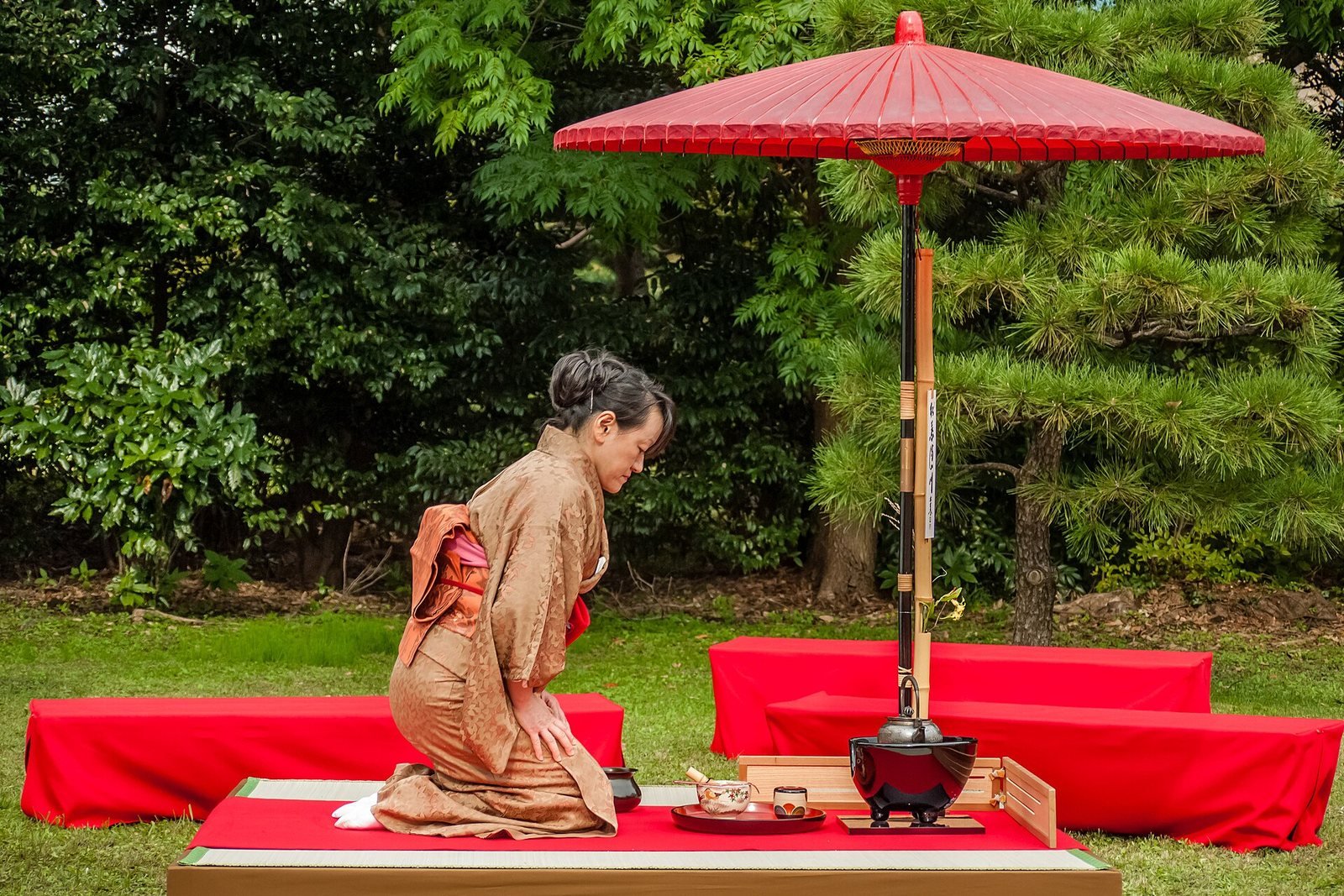
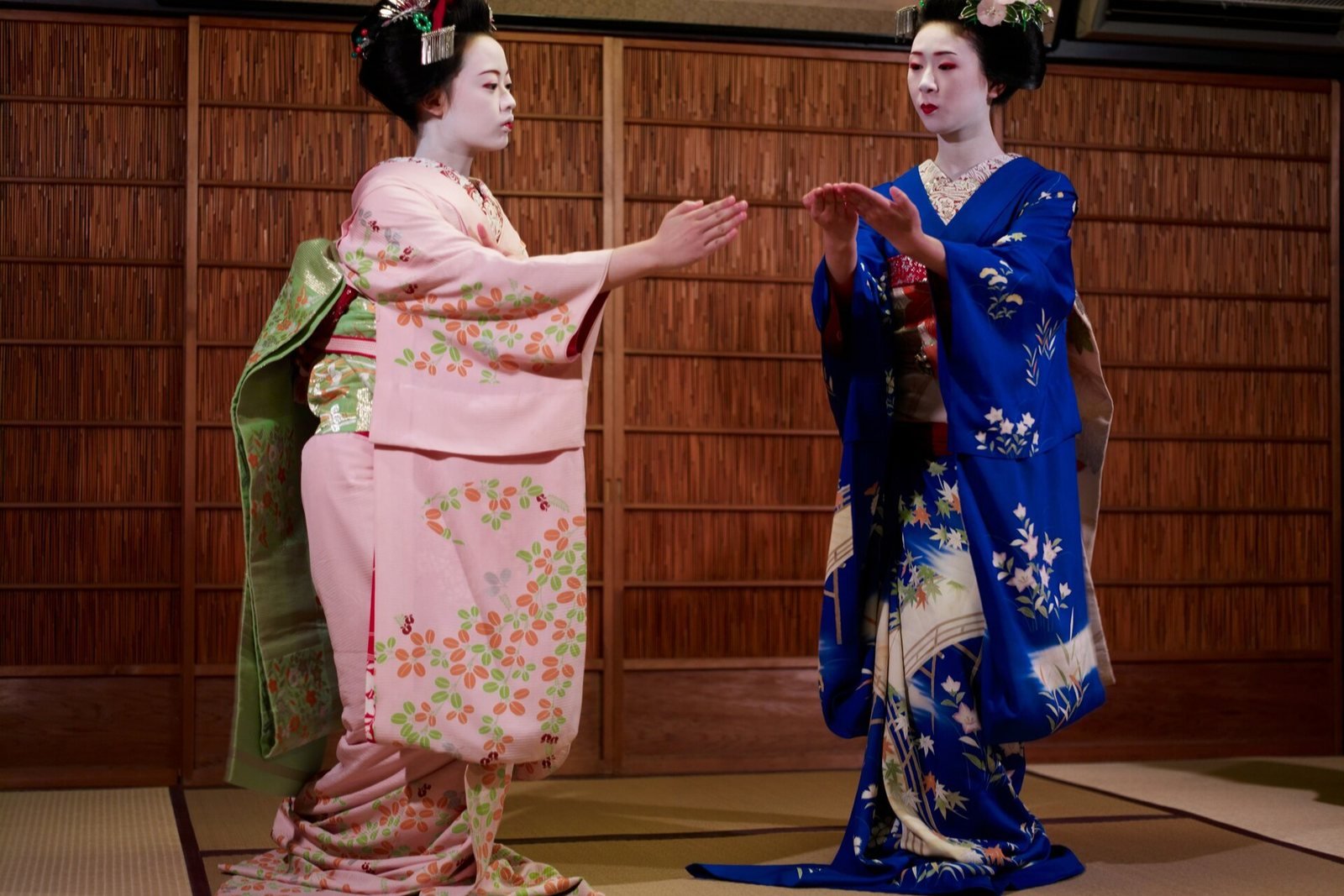
Experience Japan's living traditions by joining a tea ceremony, wearing a kimono in Kyoto, watching maiko perform traditional dance, staying in a ryokan with tatami rooms, and catching seasonal festivals such as Kyoto's Gion Matsuri and the Sapporo Snow Festival.
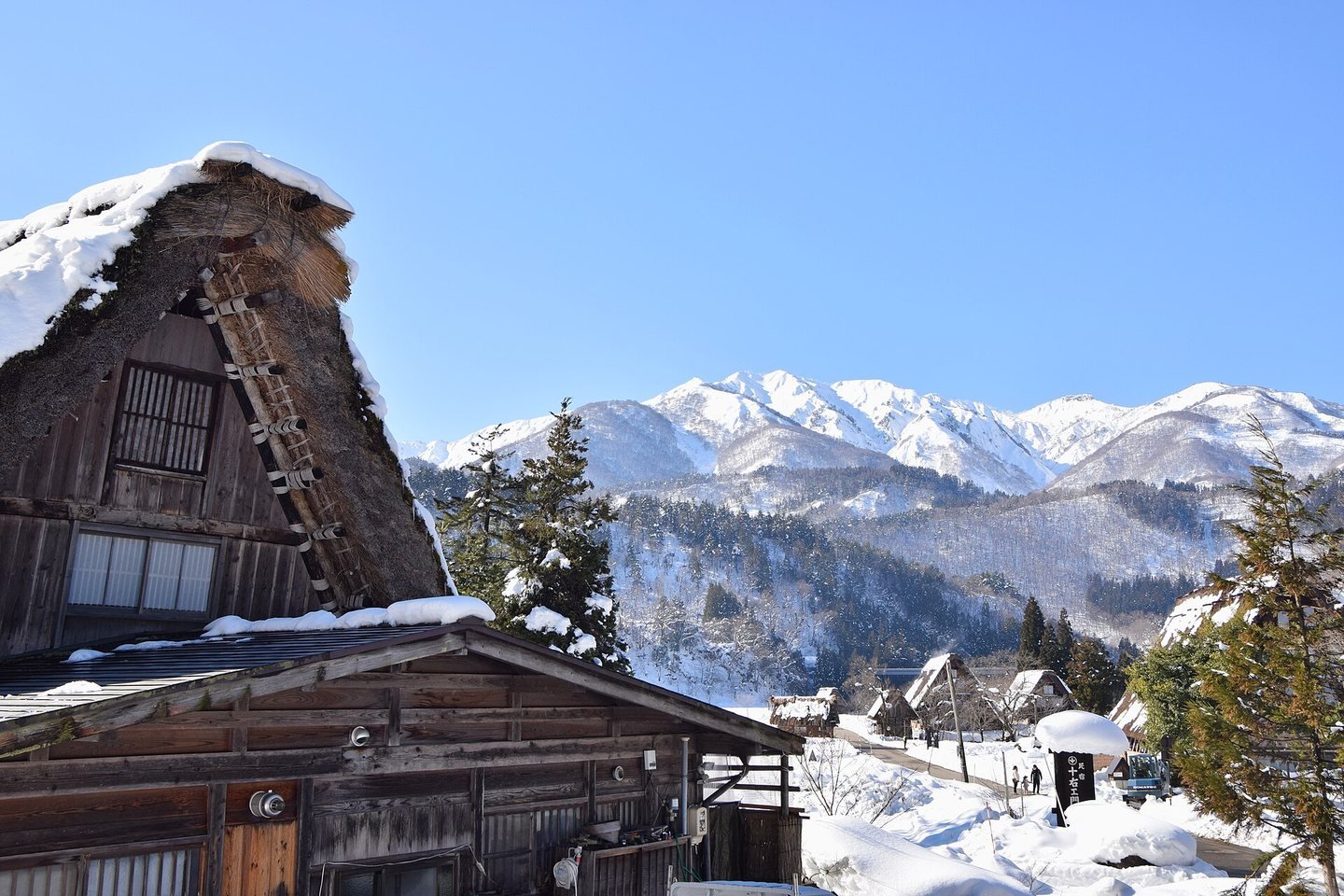
Japan is a year-round destination. Spring (March to May) brings cherry blossoms, usually from late March to early April in Tokyo and Kyoto. Summer (June to August) is hot and humid, with a rainy season from June to mid-July and lively festivals. Autumn (September to November) brings clear skies and colourful leaves, while winter (December to February) is ideal for skiing and snow in Hokkaido and the Japanese Alps.
Tokyo, Kyoto and Osaka have four distinct seasons, with summer highs often above 30°C and cool winter days of around 10°C. Hokkaido and the mountains are much colder and snowy in winter, while Okinawa stays warm all year. Typhoons can affect travel in late summer and early autumn.
Peak Season: Late March to early May for cherry blossoms and Golden Week, and October to November for autumn colours.
Off-Peak Season: January to early March (outside the ski resorts) and the June rainy season, when there are fewer crowds and better hotel offers.
Japanese cuisine is celebrated for its fresh, seasonal ingredients and careful presentation. Enjoy sushi, steaming bowls of ramen, light and crisp tempura and Osaka's takoyaki, along with wagyu beef, udon and matcha sweets. Vegetarian travellers can try shojin ryori, the Buddhist temple cuisine, and Indian restaurants are available in the major cities.


Japan is well connected to India, with non-stop flights to Tokyo and easy one-stop connections to Osaka and other cities. Once you arrive, Japan's fast and punctual rail network makes it simple to travel between regions.
Non-stop flights link Delhi, Mumbai and Bengaluru with Tokyo (Narita and Haneda) in about 7 to 9 hours. One-stop connections via Singapore, Bangkok or Hong Kong reach Osaka (Kansai) and other cities.
Indian passport holders need a visa for Japan. Short-stay tourist visas, including an eVISA for residents of India, are applied for through authorised channels in India. Check current requirements before you travel; we assist with visa applications.
Travel by Shinkansen, local trains, metro and buses. A Japan Rail Pass can suit itineraries with several long journeys, and rechargeable IC cards such as Suica, PASMO and ICOCA make city travel easy.


Late March to May is ideal for cherry blossoms and pleasant spring weather, and October to November for autumn colours and clear skies. December to February is best for skiing and snow in Hokkaido.
Yes. Indian passport holders need a visa to visit Japan. Requirements and application routes change, so check the latest rules before you travel; our team can assist with your visa application.
Non-stop flights from Delhi, Mumbai and Bengaluru to Tokyo take about 7 to 9 hours. From other Indian cities, you can connect via these gateways or via hubs such as Singapore and Bangkok.
A 7-day trip covers Tokyo, Mount Fuji or Hakone, Kyoto and Osaka. With 10 days or more, you can add Nara, Hiroshima and Miyajima, the Japanese Alps or Hokkaido.
Yes, with a little planning, as many Japanese dishes use a fish-based dashi stock. The major cities have vegetarian and Indian restaurants, and Kyoto is known for shojin ryori, the vegetarian cuisine of Buddhist temples.
It depends on your route. The pass can save money if you plan several long Shinkansen journeys, while point-to-point tickets are often better value for shorter trips. We can help you choose.
Japan uses the Japanese yen (JPY). Cards and mobile payments are widely accepted in the cities, but carry some cash for small shops, temples and rural areas.
Japanese is the main language. English signs are common at airports, train stations and major attractions, and translation apps are helpful elsewhere.

: Subscribe to our newsletter and be the first to know about exclusive offers, new destinations, and travel tips.