Ride the Flåm Railway
Take one of the world's steepest standard-gauge railways from Myrdal down to Flåm, passing waterfalls and mountain valleys.
Scandinavia and its Nordic neighbour Finland bring together four of Europe's most beautiful countries: Norway, Sweden, Denmark and Finland. From the deep blue fjords and fishing villages of western Norway to the forests and frozen lakes of Lapland, this is a region of wide open nature, clean air and long summer days.
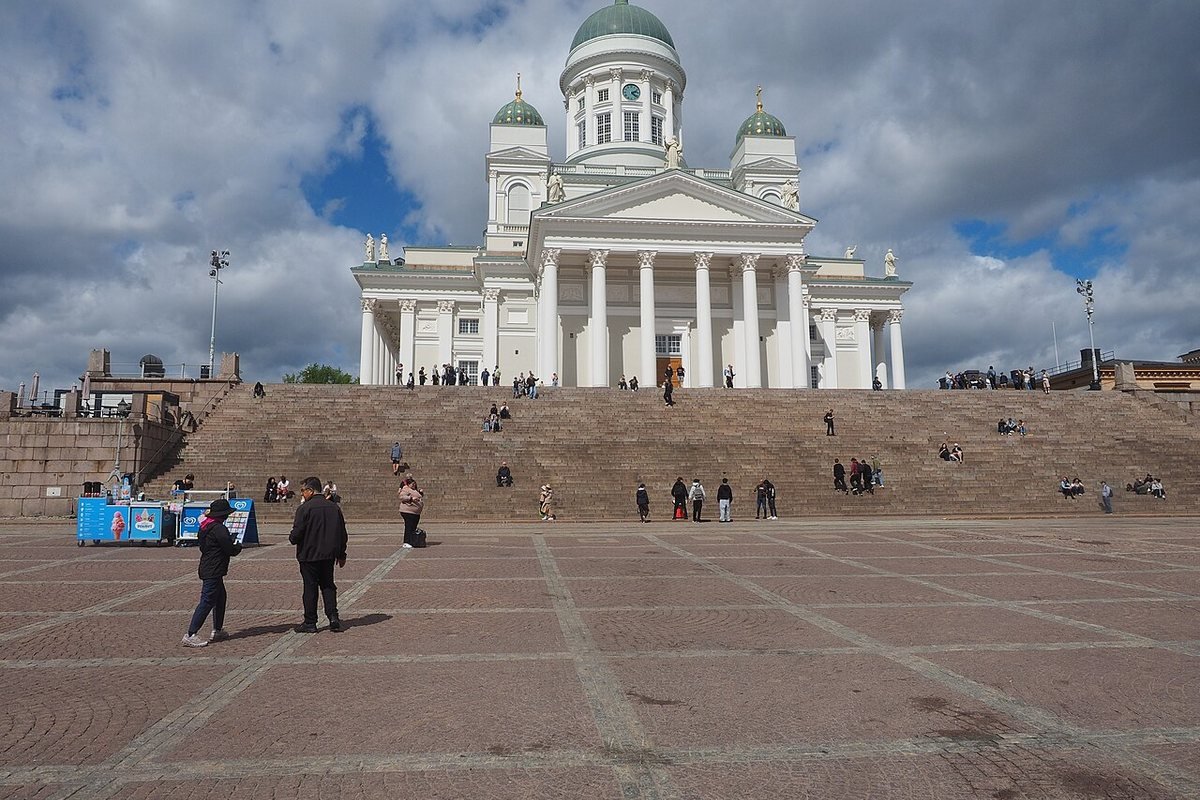
Its capitals are just as memorable. Wander the colourful harbour of Nyhavn in Copenhagen, the cobbled lanes of Stockholm's Gamla Stan and the elegant squares of Helsinki, then head north of the Arctic Circle to chase the Northern Lights, ride a reindeer sleigh and meet Santa Claus in Rovaniemi.
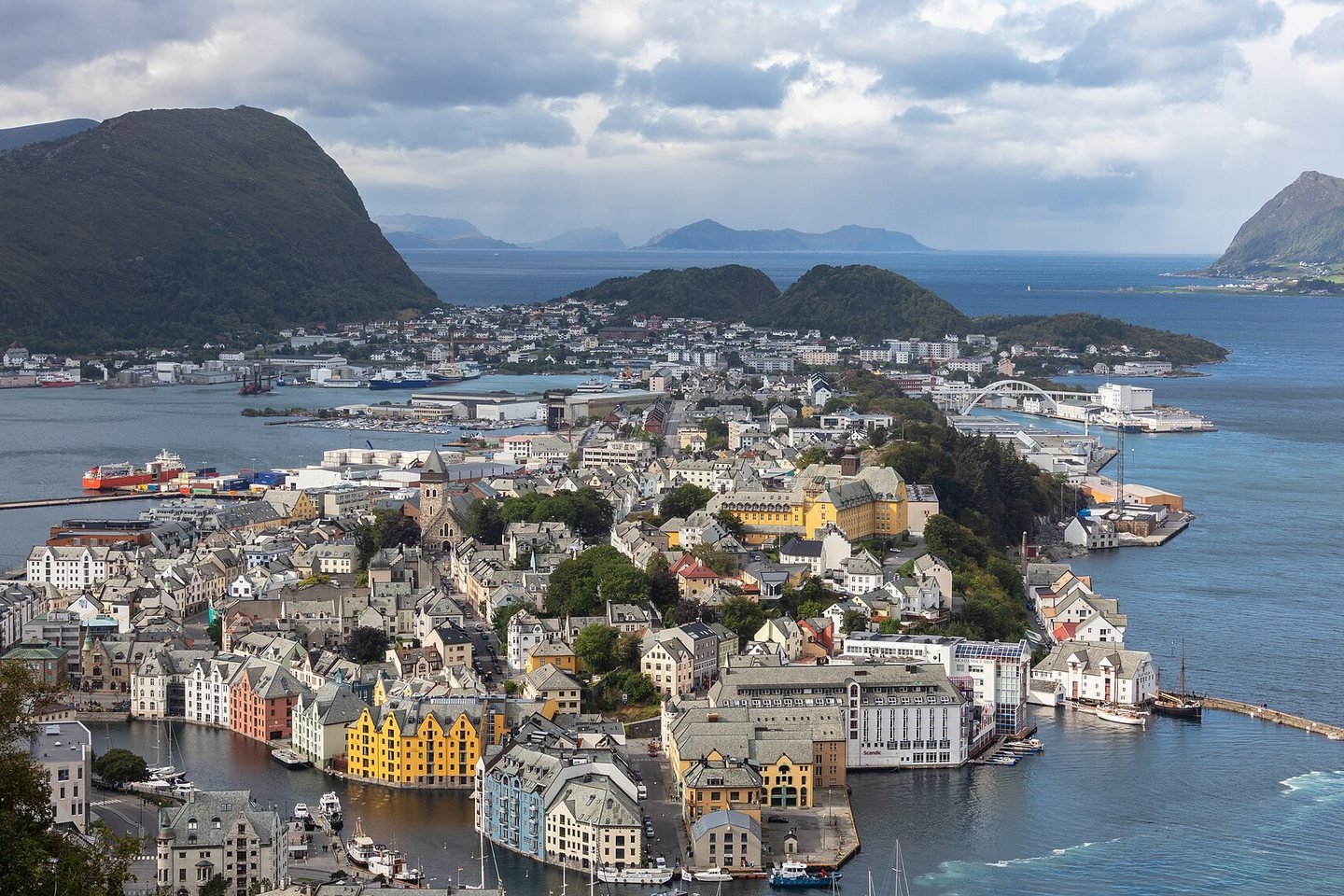
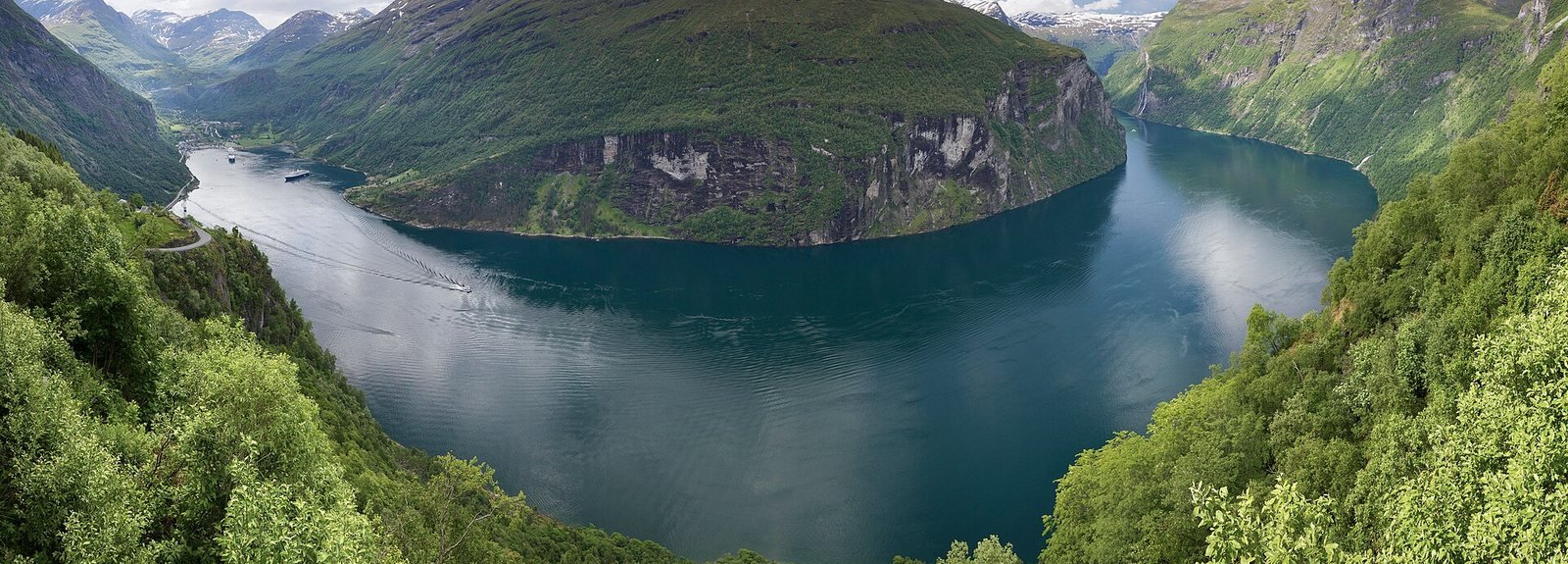
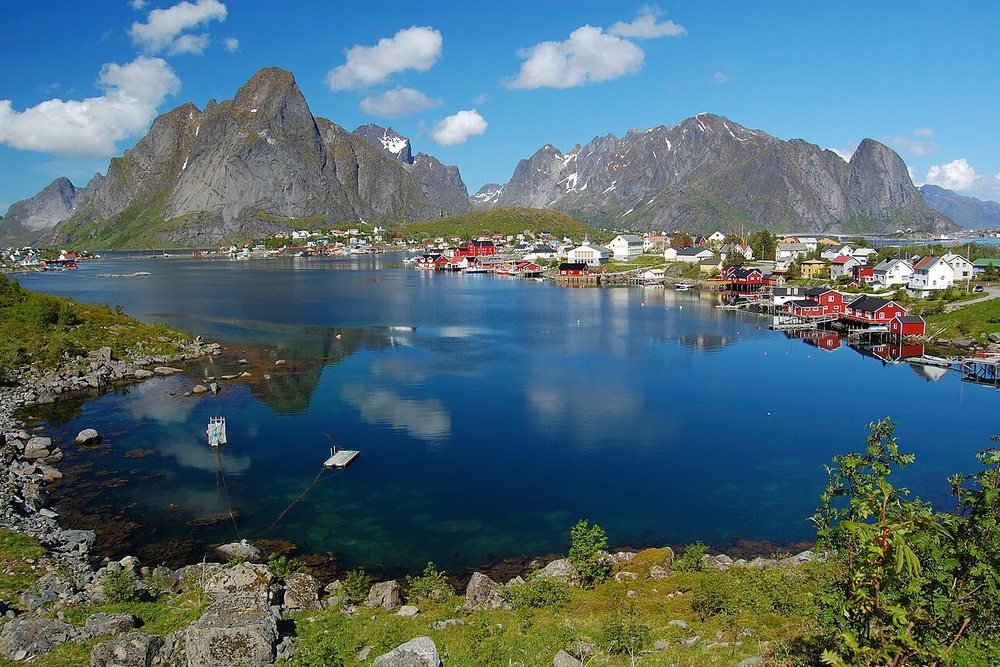
Cruise past waterfalls and sheer cliffs on the Geirangerfjord and Nærøyfjord, both listed by UNESCO, and hike to viewpoints such as Preikestolen.
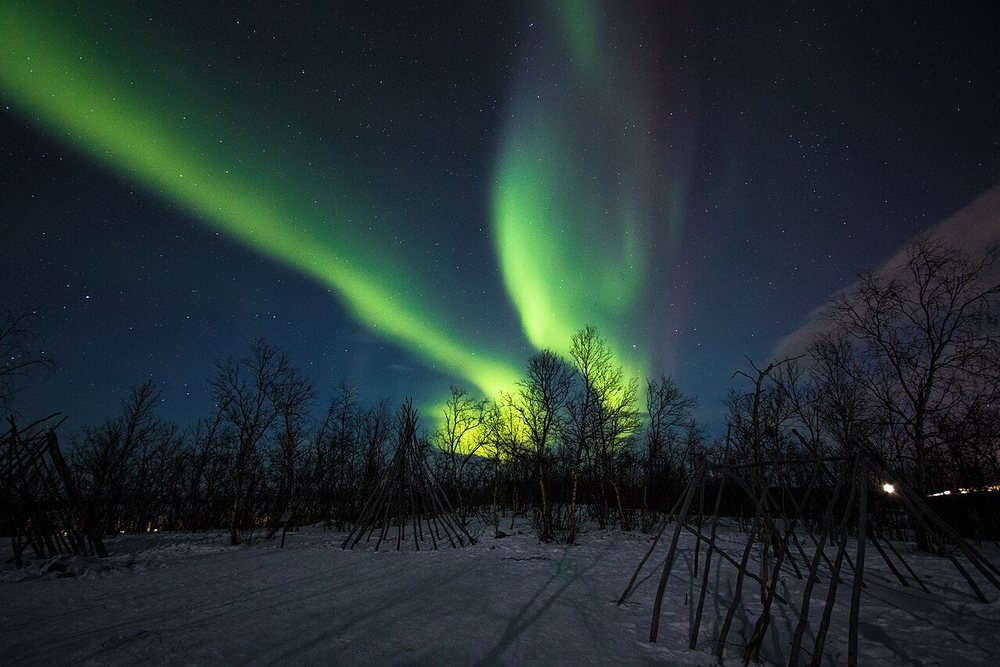
Watch the aurora dance over Lapland on dark winter nights, or enjoy the midnight sun above the Arctic Circle in early summer.
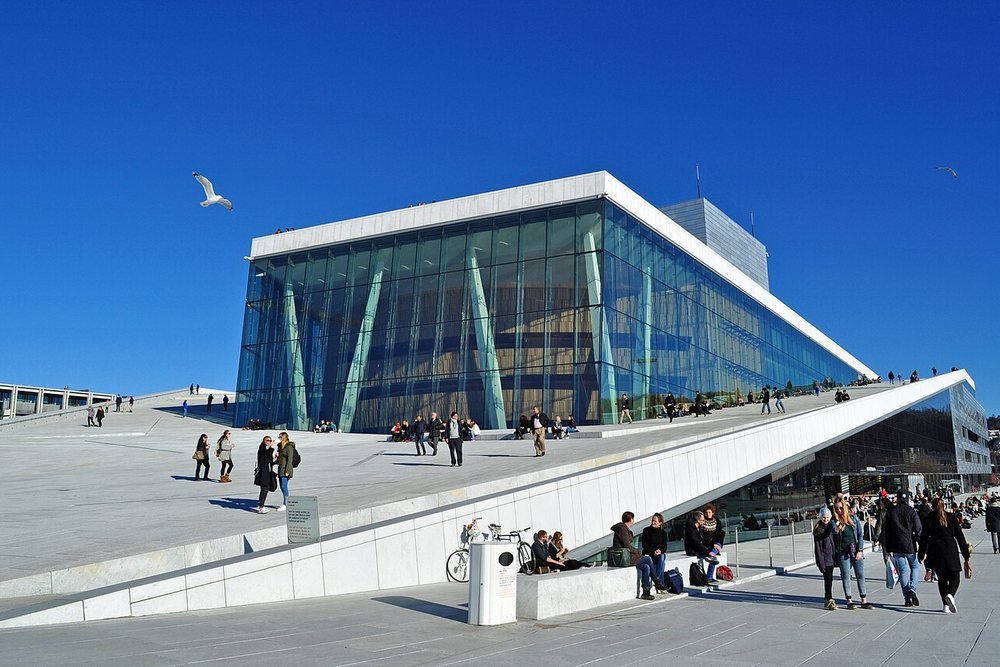
Explore Copenhagen, Stockholm, Oslo and Helsinki, with royal palaces, waterfronts, world-class museums and famous Nordic design.
Go husky sledding, ride a reindeer sleigh, stay in a hotel made of ice and visit Santa Claus Village in Finnish Lapland.
All four countries are in the Schengen Area, so one visa covers the trip, and fast trains, ferries and flights link them together.
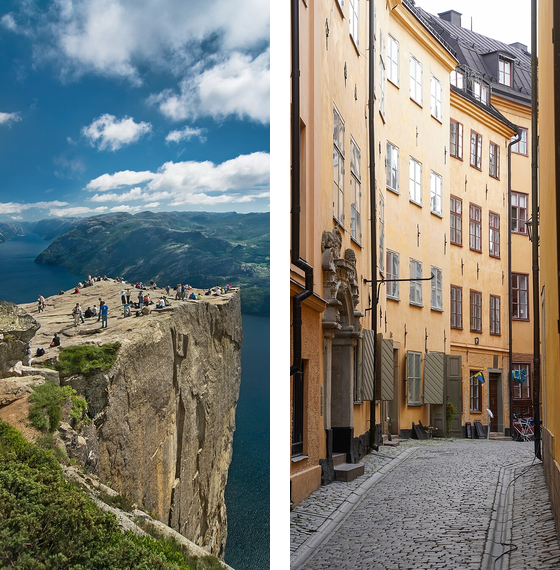
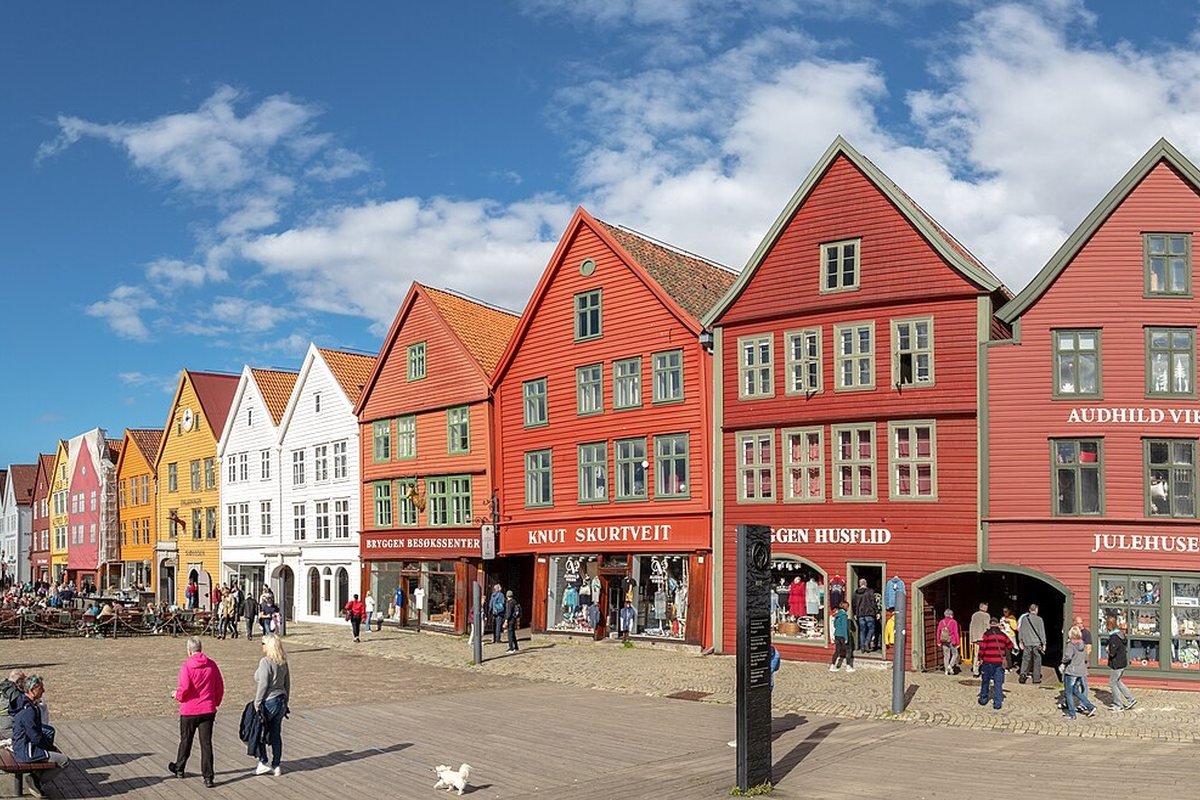
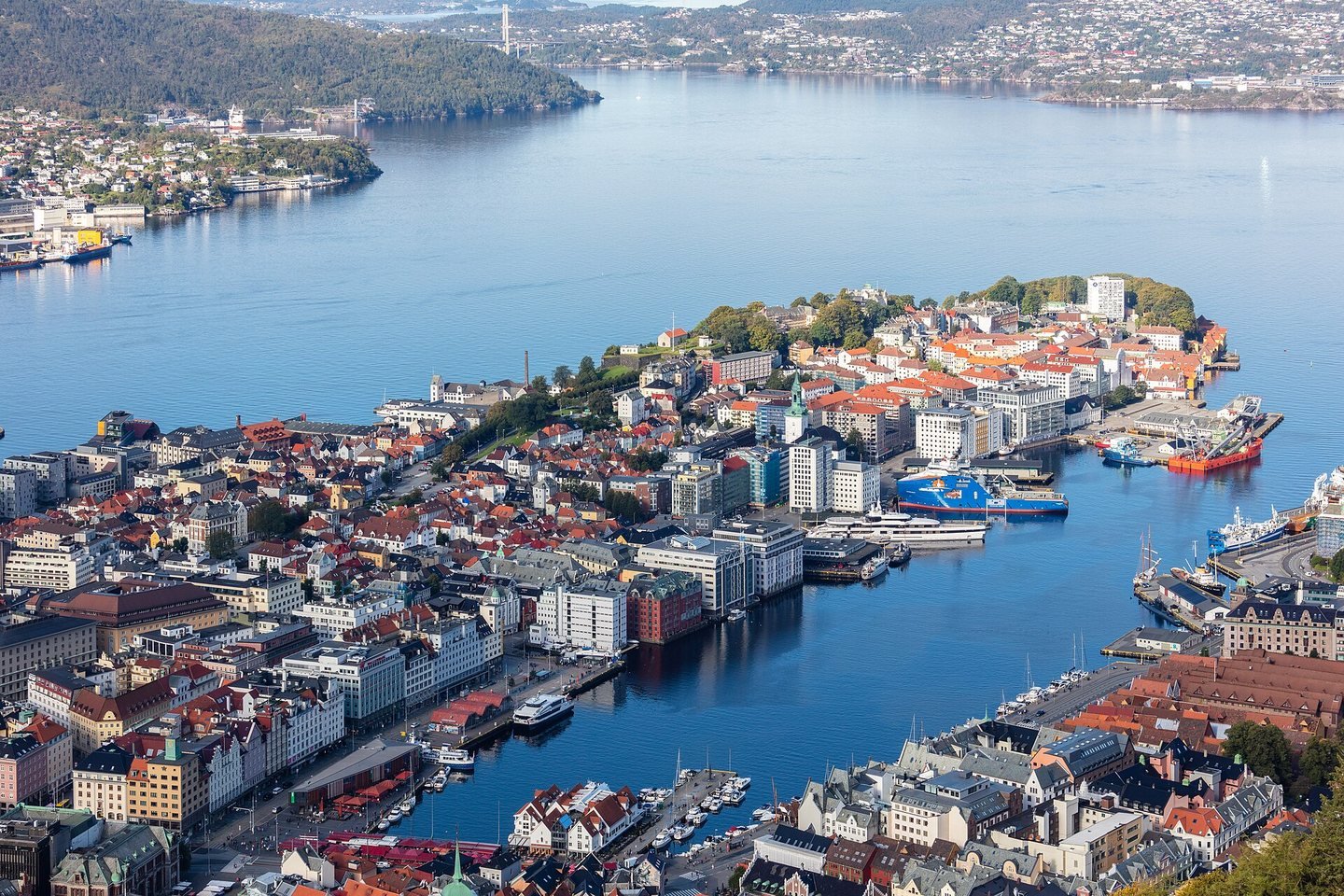
Western Norway's fjords are the heart of any Scandinavian holiday. Sail the narrow Nærøyfjord and the Geirangerfjord, ride the scenic Flåm Railway, stroll Bergen's historic wharf and climb to Preikestolen, the Pulpit Rock high above the Lysefjord.
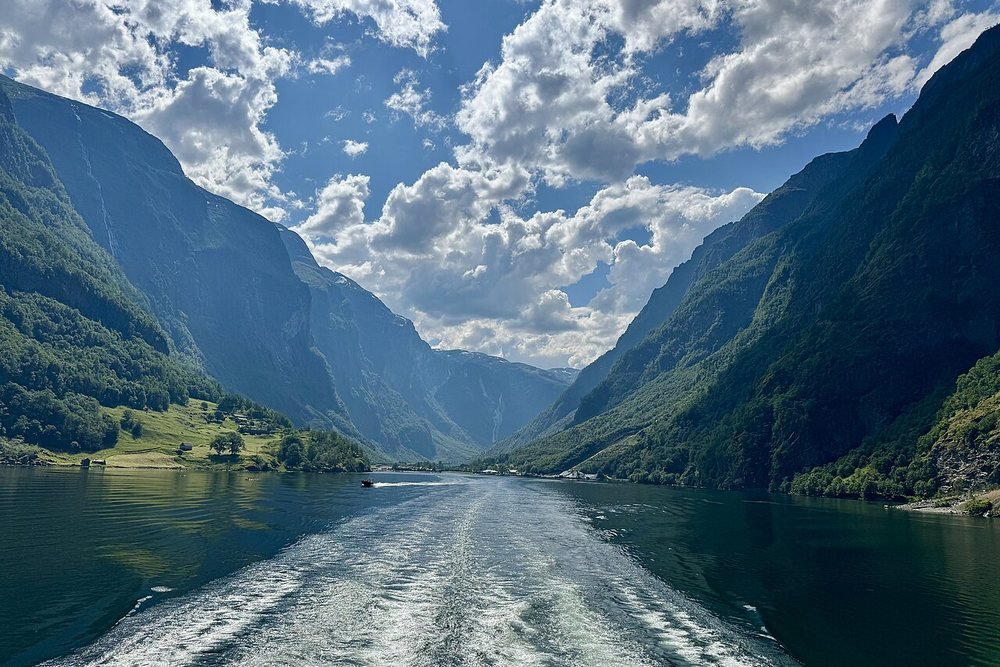
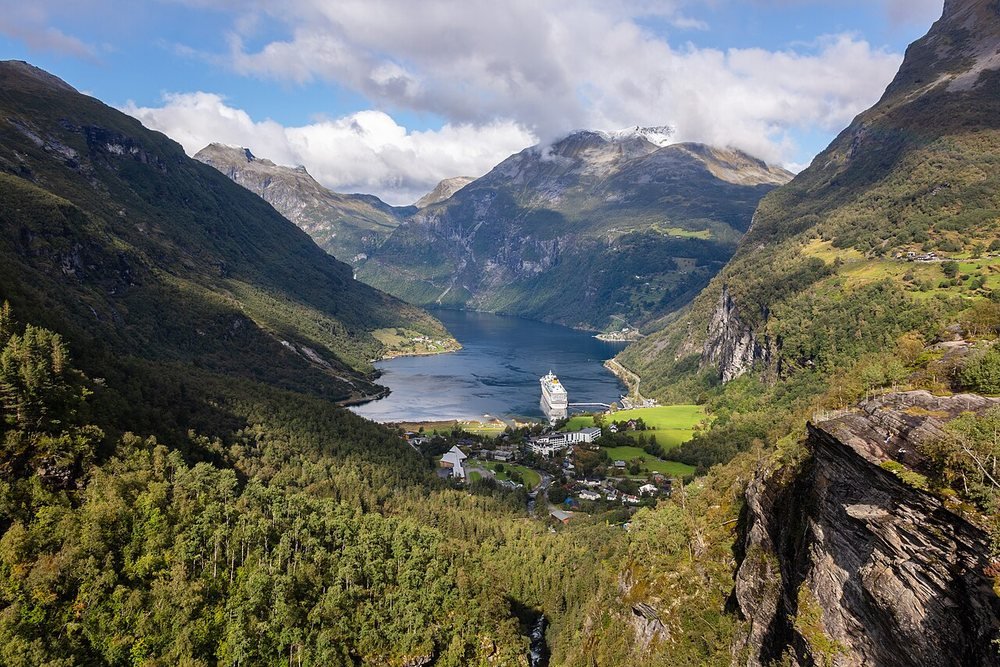
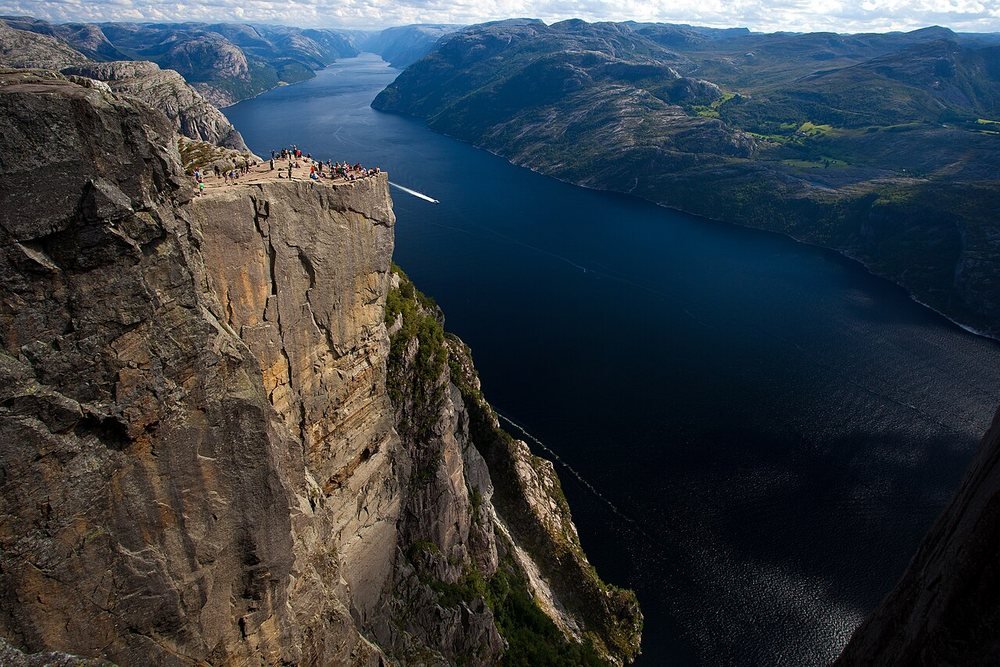
*Fjord cruises run all year, but May to September brings the longest days; some high mountain roads close in winter.
The Arctic north of Norway, Sweden and Finland is a winter wonderland. Hunt for the Northern Lights around Tromsø, Abisko and Finnish Lapland, glide through snowy forests on a reindeer sleigh and cross the Arctic Circle at Santa Claus Village in Rovaniemi.
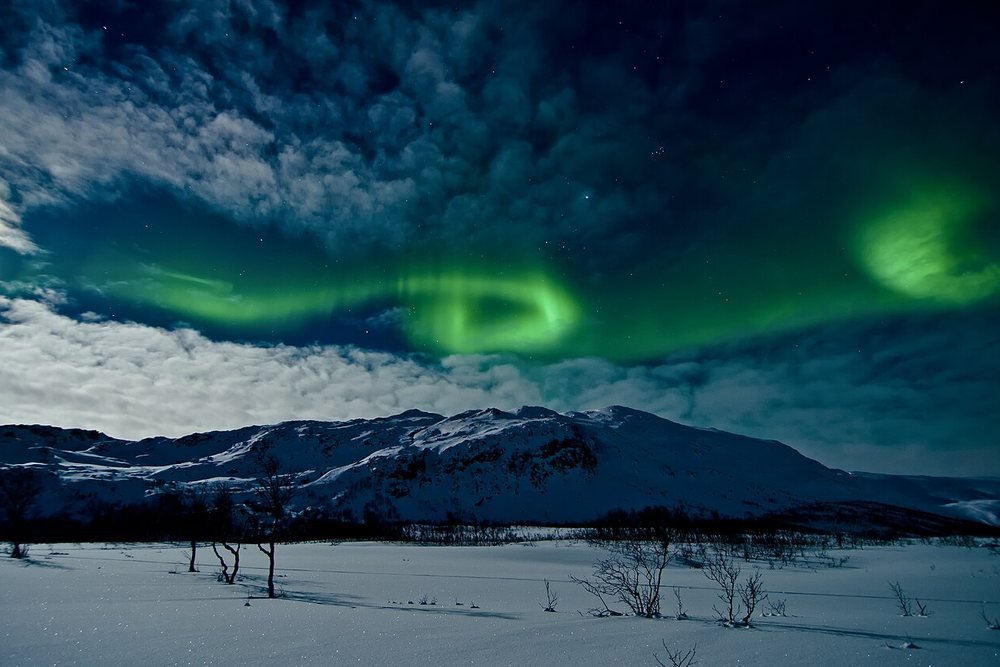
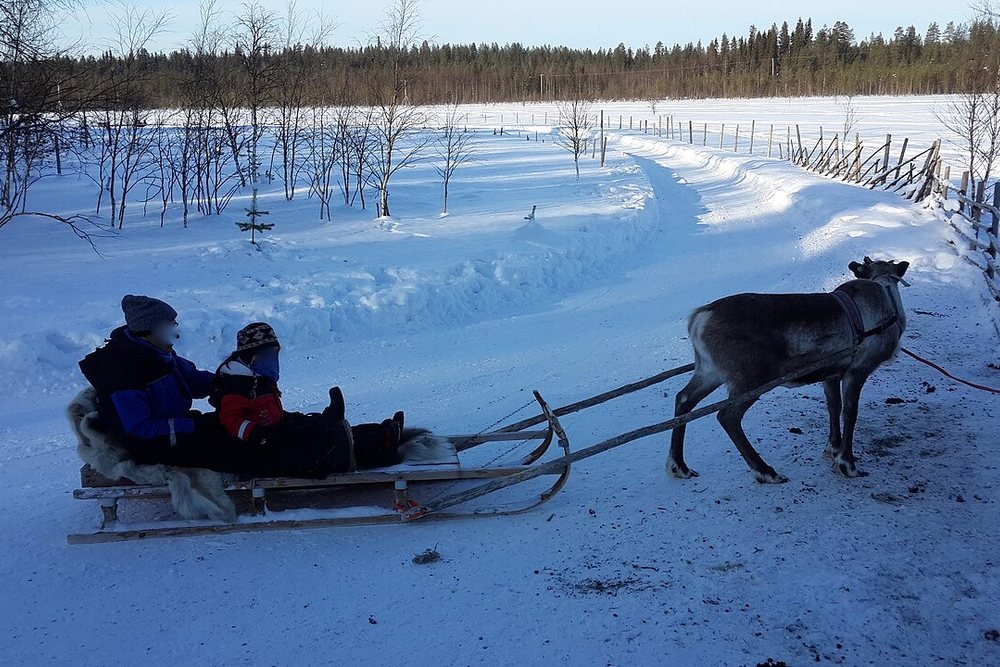
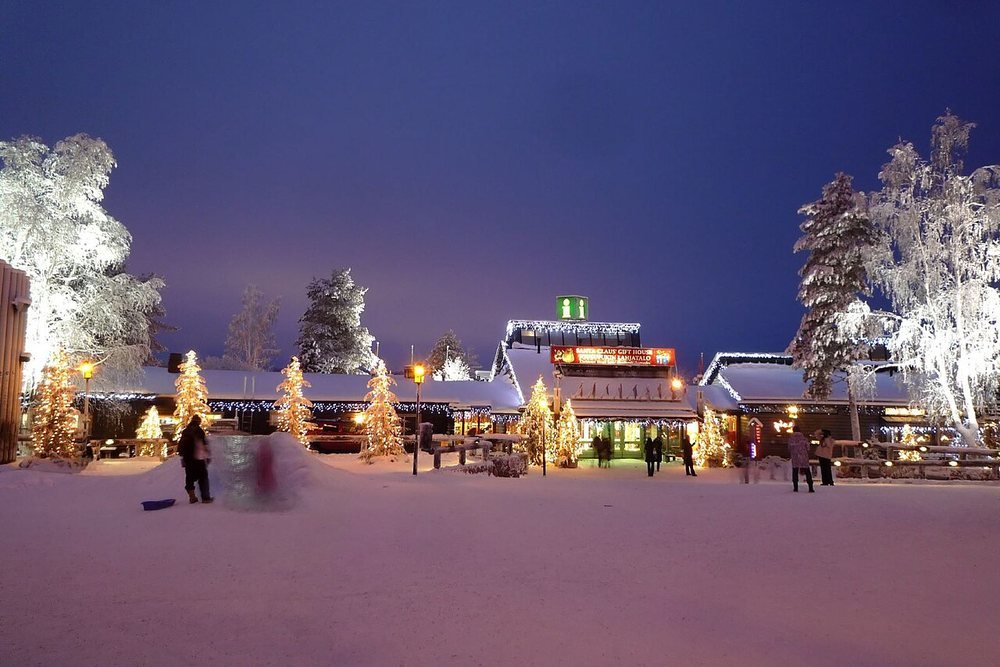
*The Northern Lights are best seen on clear, dark nights from about September to March. Sightings depend on the weather and are never guaranteed.
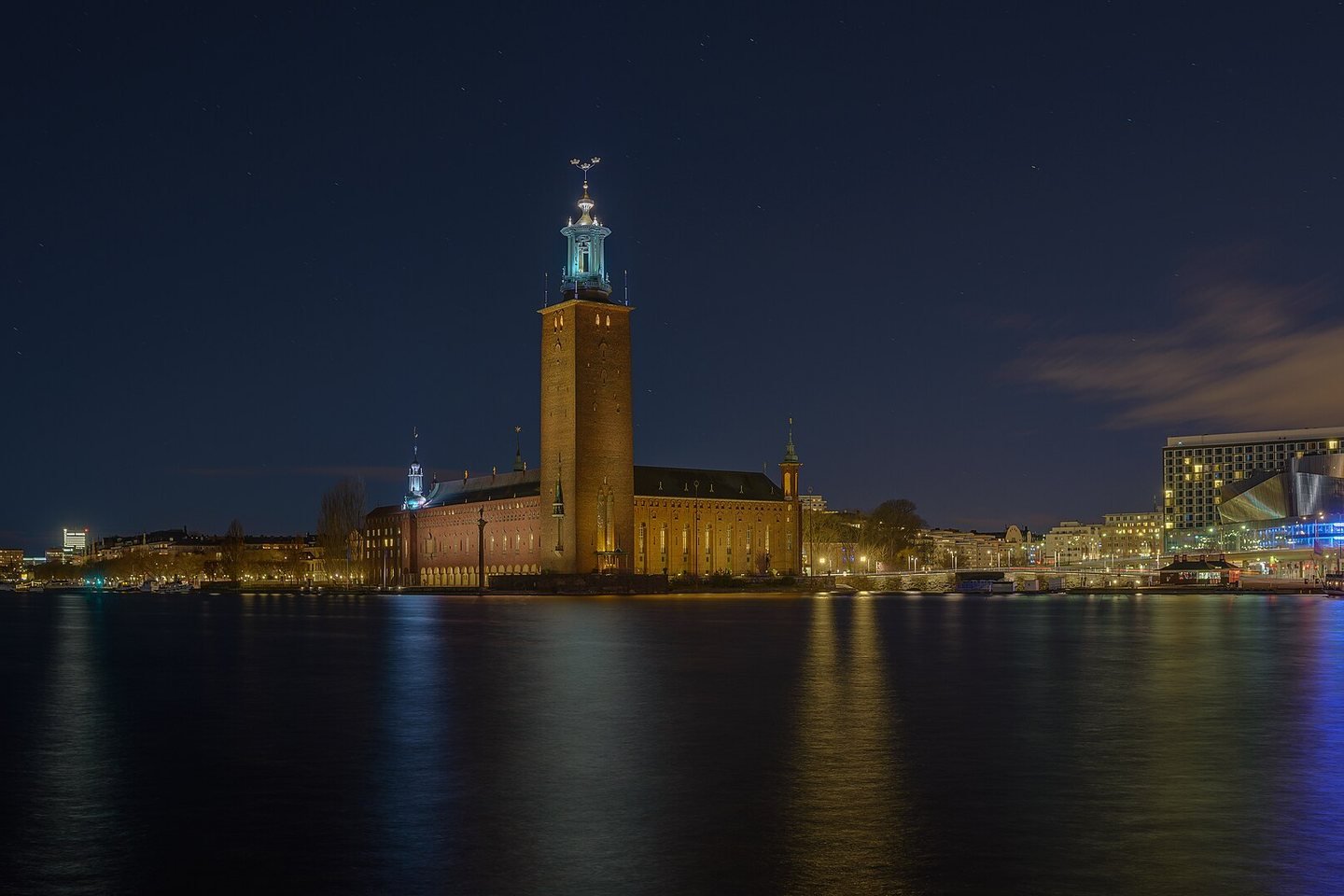
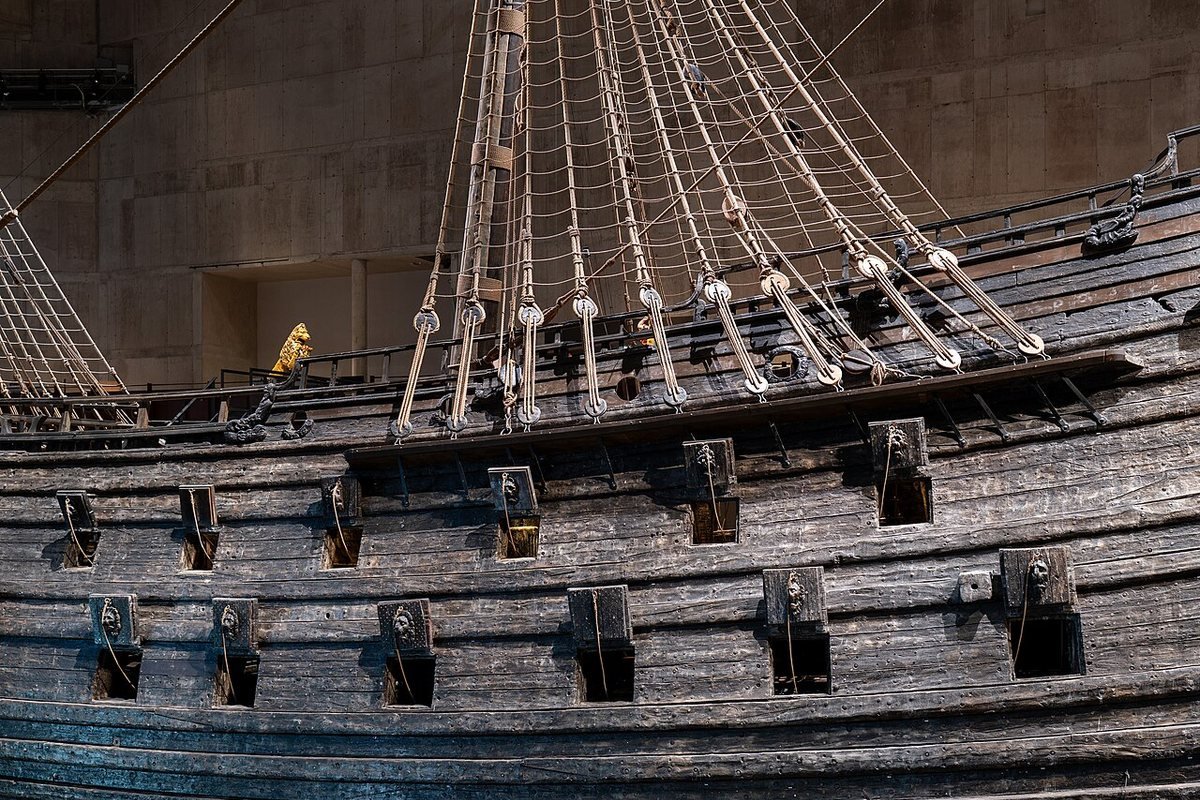
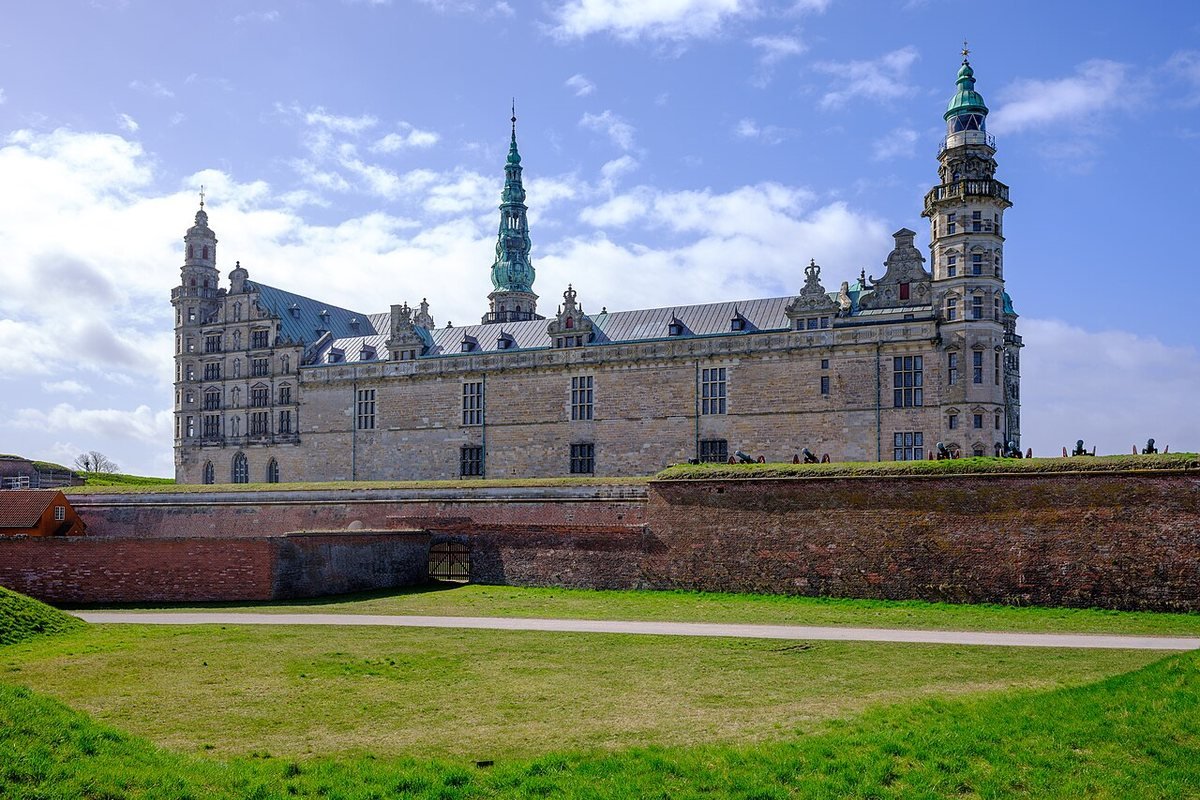
Denmark's and Sweden's capitals are about five hours apart by train. Enjoy Copenhagen's colourful Nyhavn harbour and the historic Tivoli Gardens, then explore Stockholm's medieval Gamla Stan, the Royal Palace and the Vasa Museum, spread across islands where Lake Mälaren meets the Baltic Sea.


Take one of the world's steepest standard-gauge railways from Myrdal down to Flåm, passing waterfalls and mountain valleys.
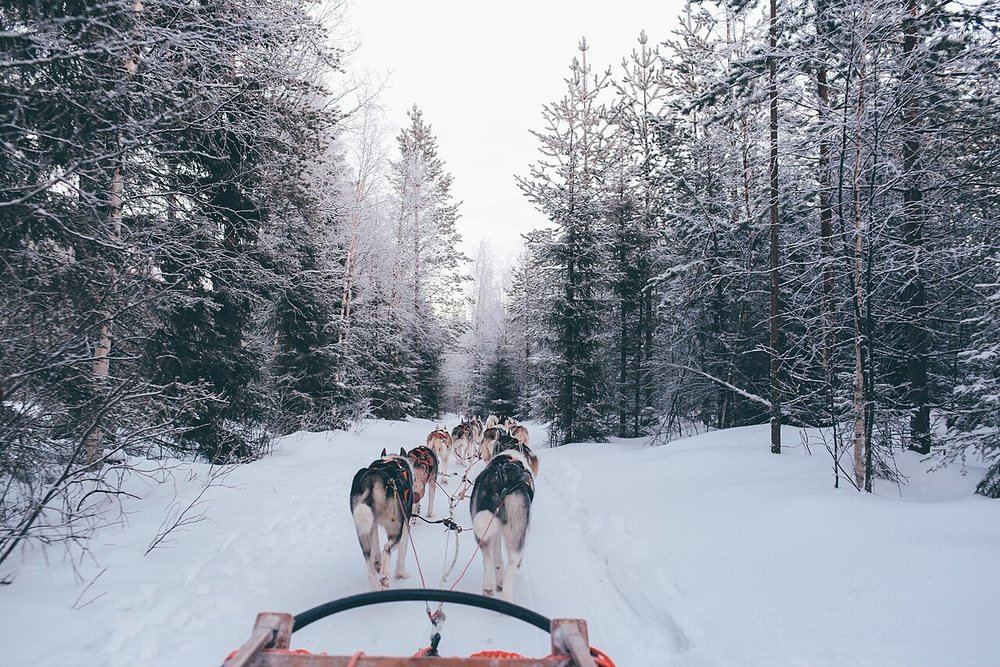
Mush your own team of huskies through snowy forests on a guided husky safari in Lapland.

Join an evening tour away from city lights for the best chance to see the aurora borealis.

Sleep in a room carved from ice at the Icehotel in Jukkasjärvi, Swedish Lapland, rebuilt every winter by artists.

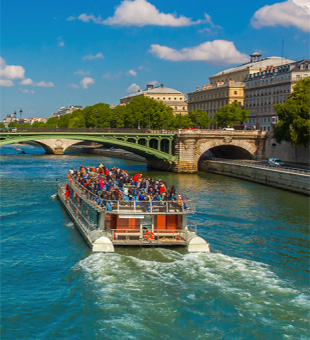
See Copenhagen's palaces, harbour and colourful houses from the water on a relaxed canal boat tour.

Cruise among the thousands of islands of the Stockholm archipelago to Vaxholm and its old fortress.

Take the short ferry from Helsinki to Suomenlinna, an 18th-century sea fortress listed by UNESCO.
*Scandinavia pairs dramatic nature with stylish cities, making it a wonderful choice for couples, families and groups in every season.
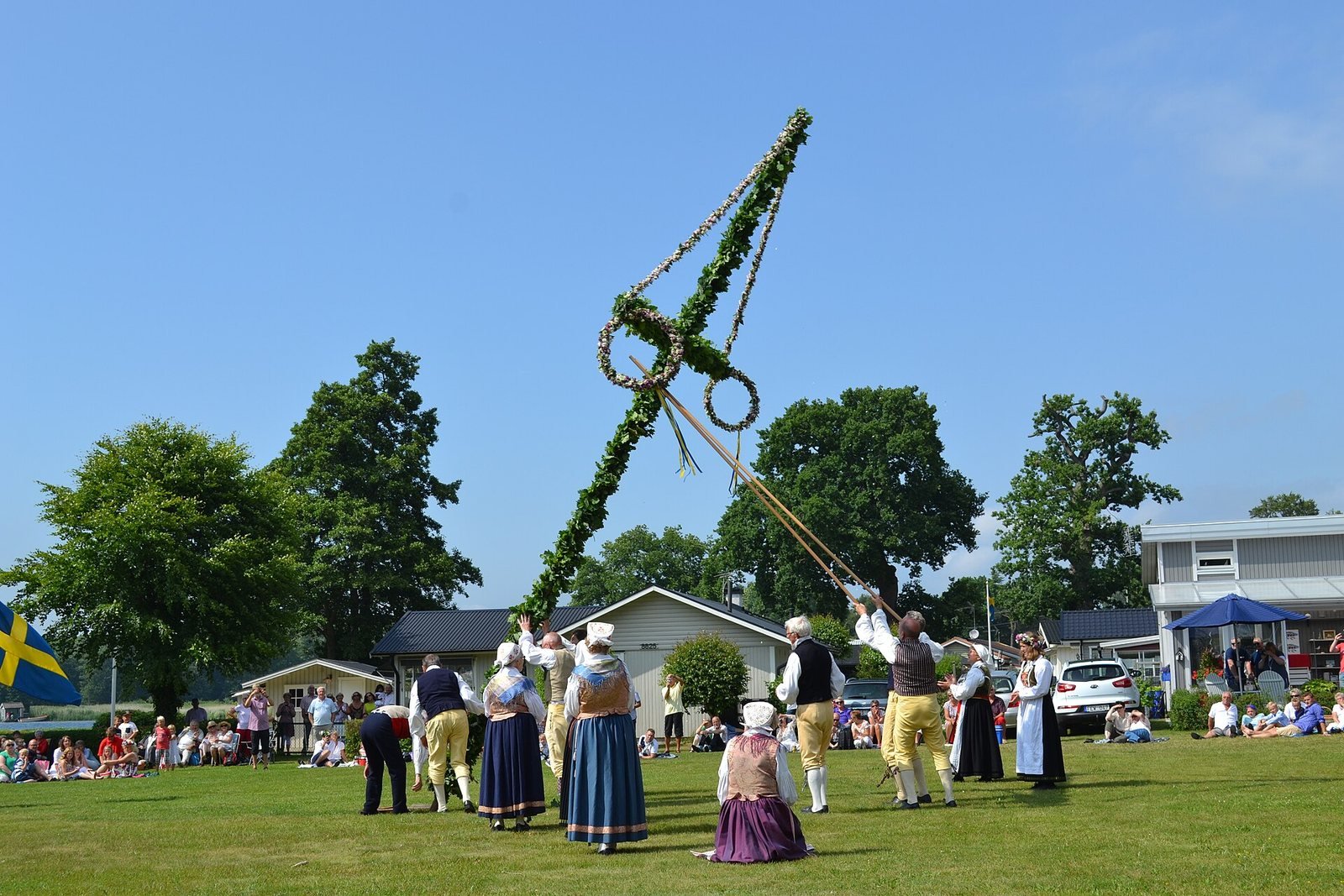
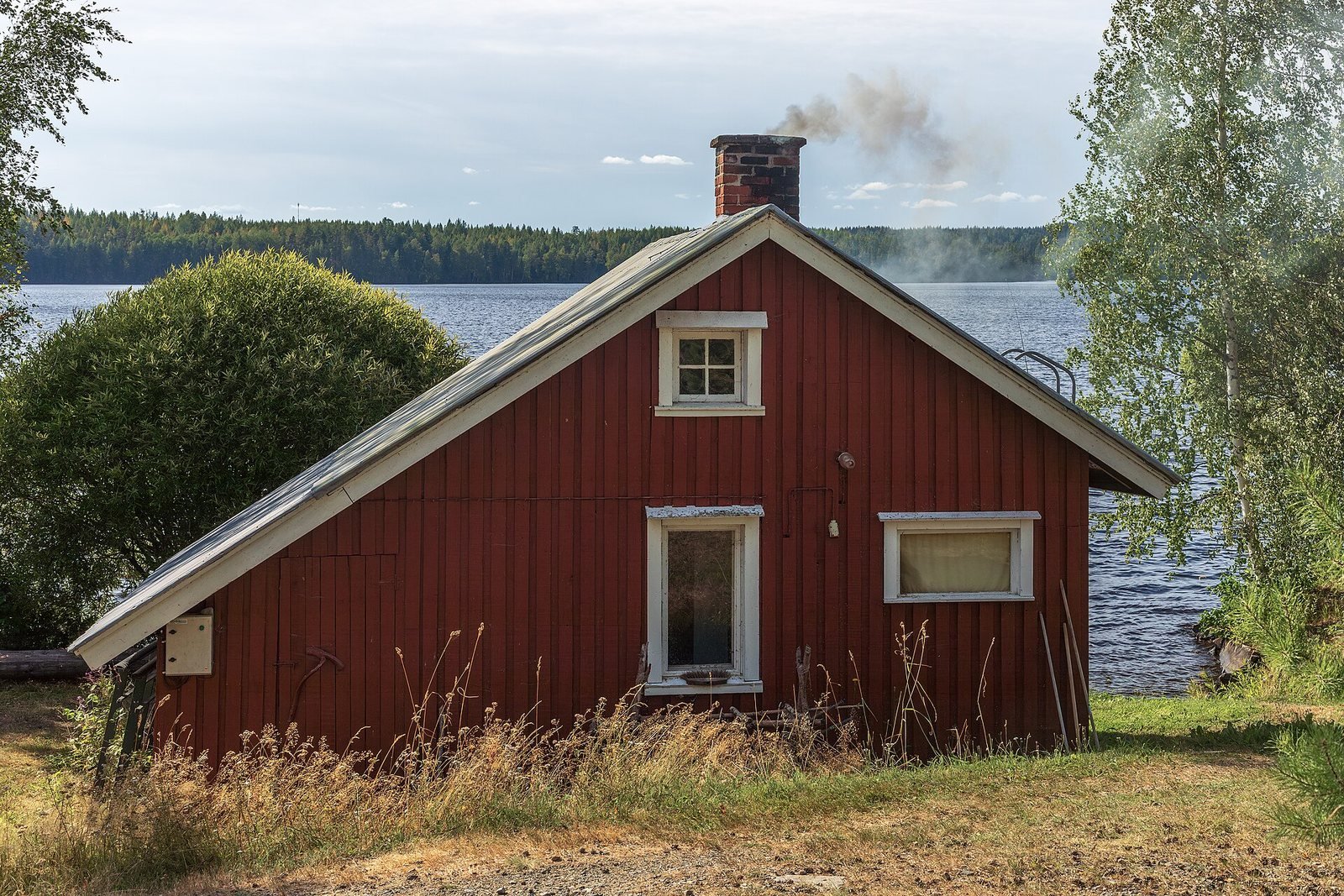
Nordic life follows the seasons. Join Swedes dancing around the maypole at Midsummer, relax in a lakeside Finnish sauna, a tradition listed by UNESCO, and learn about the reindeer-herding Sámi, the indigenous people of the Arctic north. In winter, cosy cafés, candlelight and Christmas markets bring the Danish idea of hygge to life.
Scandinavia is a year-round destination. Summer (June to August) brings long, bright days, the midnight sun above the Arctic Circle and the best season for fjord cruises and city sightseeing. Autumn (September to October) brings colourful forests and the start of the Northern Lights season. Winter (November to March) is the time for snow, the aurora, husky and reindeer safaris and Christmas markets, while spring (April to May) brings longer days and fewer crowds.
Summer days in Copenhagen, Stockholm, Oslo and Helsinki are usually mild, around 15°C to 25°C. Winters are cold, with temperatures around or below freezing in the capitals and much colder conditions in Lapland, where nights below −20°C are common. Western Norway is mild but rainy all year.
Peak Season: June to August for long summer days and fjord cruises, and December for Christmas, snow and the Northern Lights in Lapland.
Off-Peak Season: April to May and September to October, when there are fewer crowds and better hotel offers.
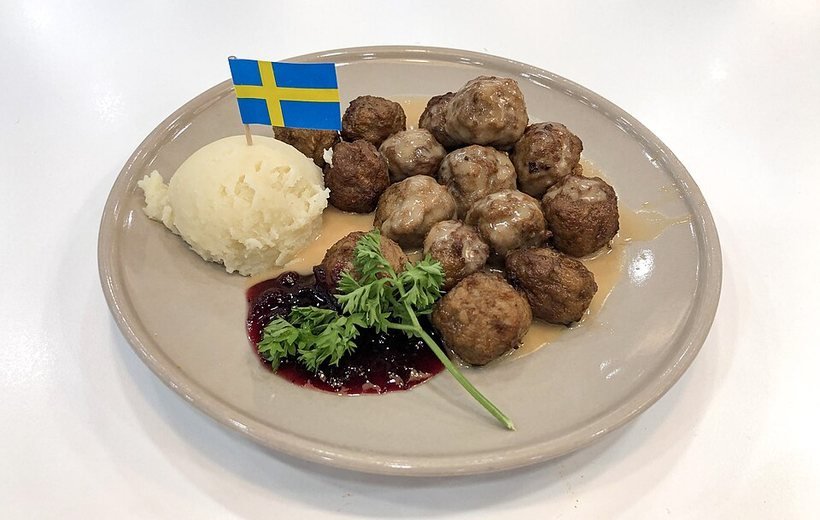
Nordic cuisine is built on fresh seafood, rye bread, berries and seasonal produce. Try Danish smørrebrød open sandwiches, Swedish meatballs with lingonberries, cured gravlax salmon and Finnish Karelian pies, along with cinnamon buns and Danish pastries with coffee. Vegetarian dishes are easy to find, and the capitals have Indian restaurants.



Most Scandinavia tours begin in one capital, such as Copenhagen, Stockholm, Oslo or Helsinki, and end in another. Travellers from India fly in non-stop or with one stop, then move between countries by train, ferry or short flights.
Non-stop flights link Delhi with Helsinki and Mumbai with Copenhagen. Other Indian cities, as well as Stockholm and Oslo, are connected with one stop via the Gulf, Istanbul or major European hubs. Schedules change, so we check the best route for your dates.
Norway, Sweden, Denmark and Finland are all in the Schengen Area, so Indian passport holders need one Schengen visa for the whole trip. Apply early for summer travel. Rules change, so check current requirements; we assist with visas.
Fast trains link Copenhagen and Stockholm, overnight ferries sail between Stockholm and Helsinki, and the Bergen Railway crosses Norway. Short flights reach Tromsø, Rovaniemi and Lapland, and fjord ferries connect Norway's coast.

June to August is best for fjords, cities and long summer days. Choose December to March if you want snow, the Northern Lights and Arctic activities in Lapland.
Yes. Norway, Sweden, Denmark and Finland are all Schengen countries, so a single Schengen visa covers all four. Rules can change, so check current requirements; we assist with visa documentation.
Yes. Non-stop flights currently link Delhi with Helsinki and Mumbai with Copenhagen. Flights to Stockholm and Oslo, and from other Indian cities, usually connect via the Gulf, Istanbul or another European hub.
The aurora is visible on clear, dark nights from about September to March. Tromsø in Norway, Abisko and Kiruna in Sweden, and Rovaniemi and Inari in Finland are popular bases, though sightings are never guaranteed.
Allow 5 to 6 days for two capitals, such as Copenhagen and Stockholm. Plan 8 to 10 days to add Oslo, Bergen and the fjords, and a few more for Lapland.
Norway uses the Norwegian krone (NOK), Sweden the Swedish krona (SEK), Denmark the Danish krone (DKK) and Finland the euro (EUR). Cards and contactless payments are accepted almost everywhere.
Yes. Copenhagen, Stockholm, Oslo and Helsinki all have Indian restaurants, and vegetarian and vegan options are common in cafés and restaurants across the region.
Norway, Sweden and Denmark are 4 hours 30 minutes behind Indian Standard Time in winter and 3 hours 30 minutes behind from late March to late October. Finland is one hour ahead of them.

: Subscribe to our newsletter and be the first to know about exclusive offers, new destinations, and travel tips.