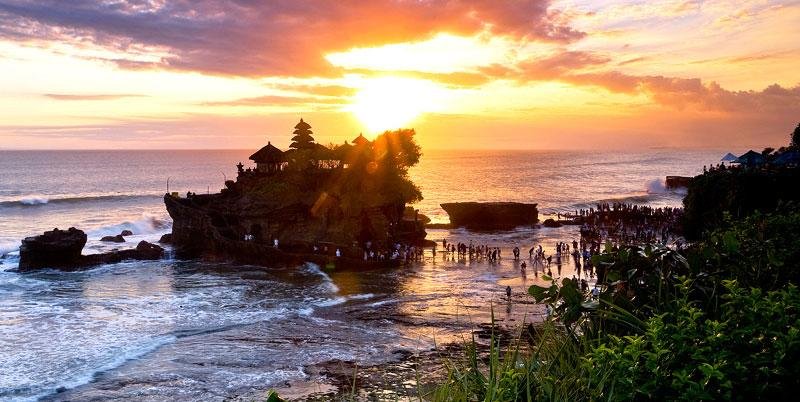
Snorkelling
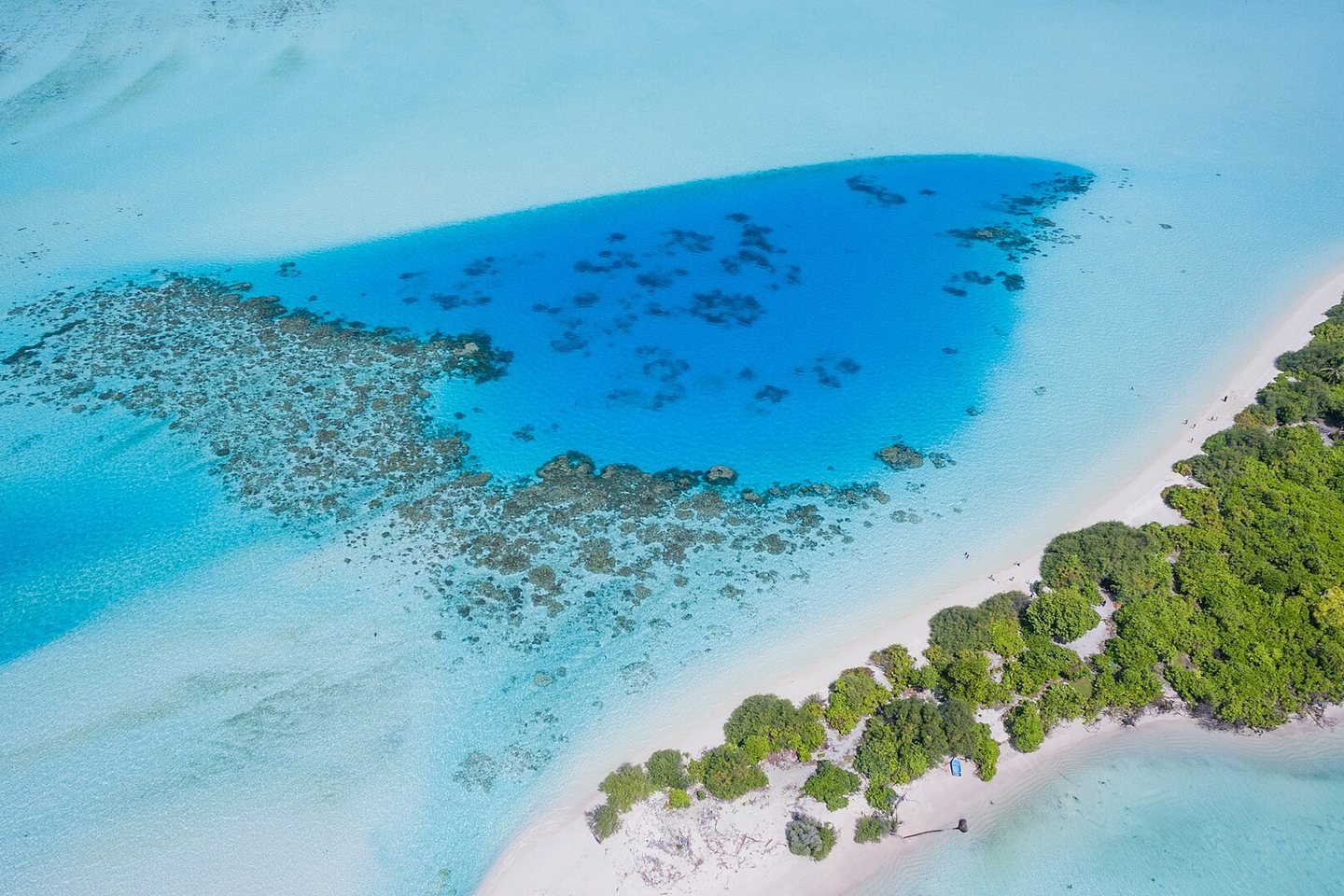
Slip into the lagoon to snorkel over coral gardens with reef fish, turtles and harmless blacktip reef sharks.
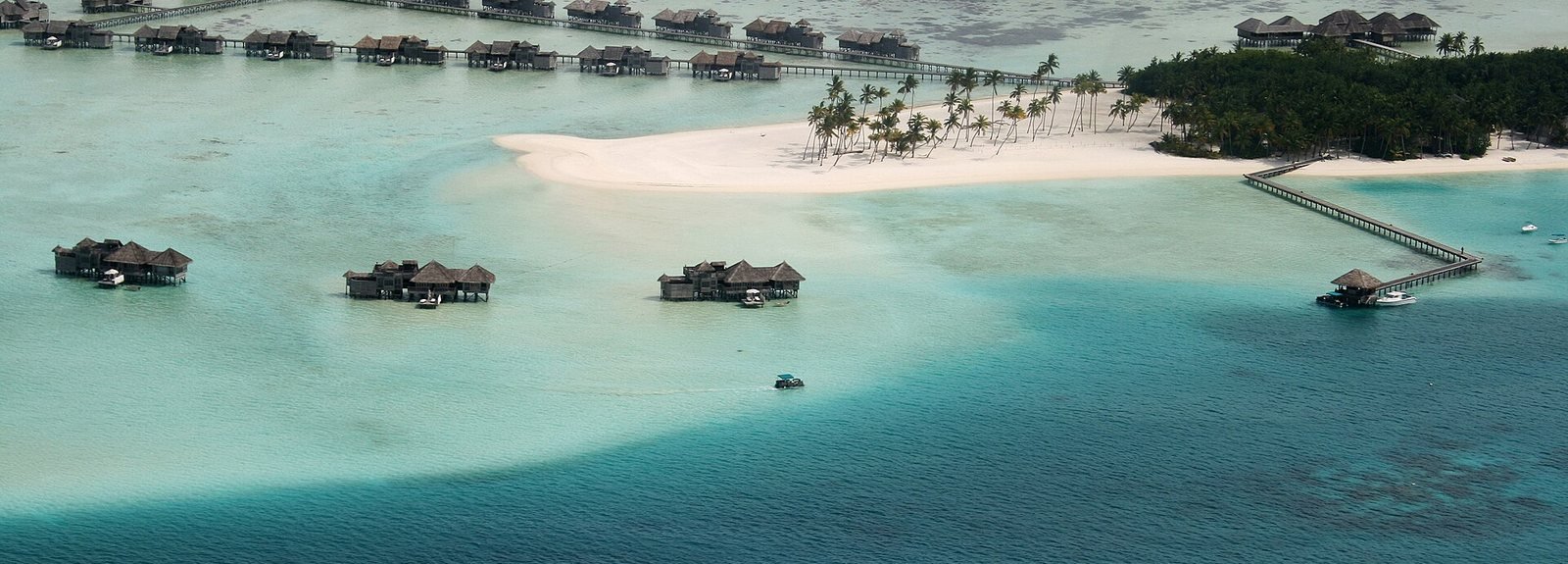
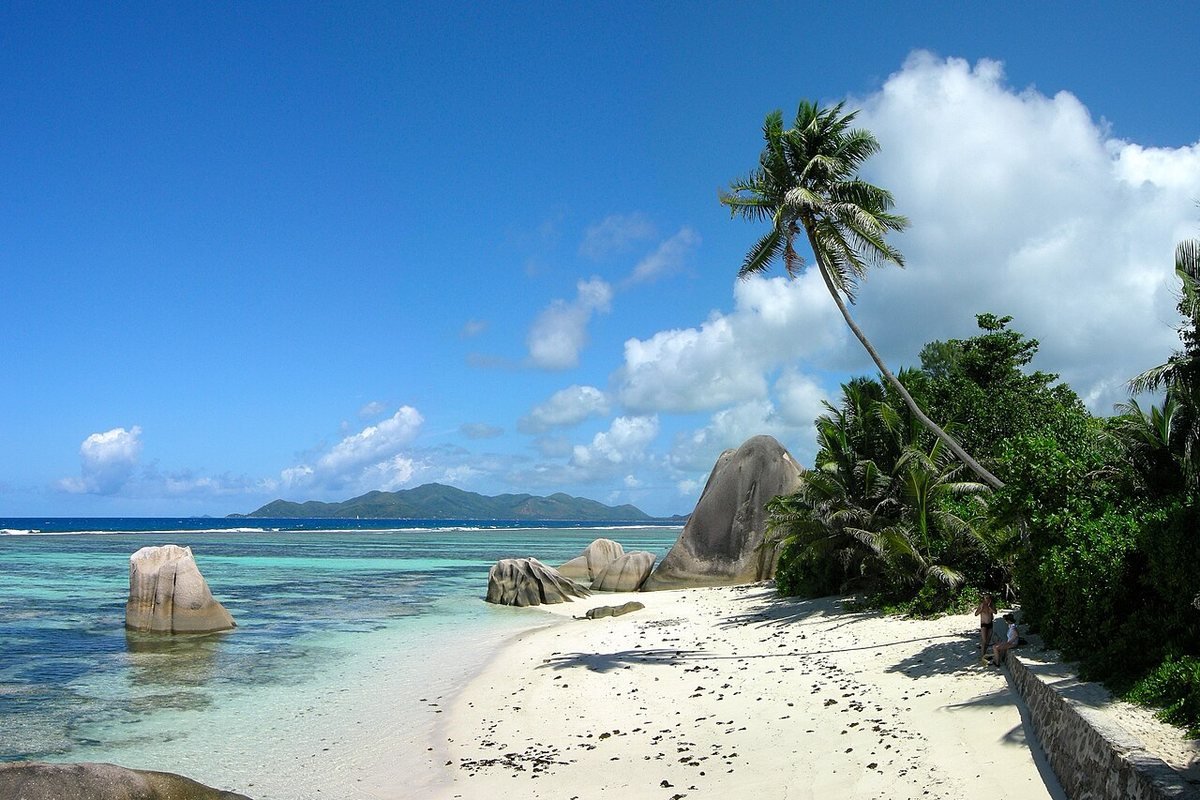
The Maldives is a nation of around 1,190 coral islands spread across 26 atolls in the Indian Ocean, southwest of India and Sri Lanka. With powder-white beaches, turquoise lagoons and some of the clearest water in the world, it is one of the most loved island escapes for honeymooners and families from India.
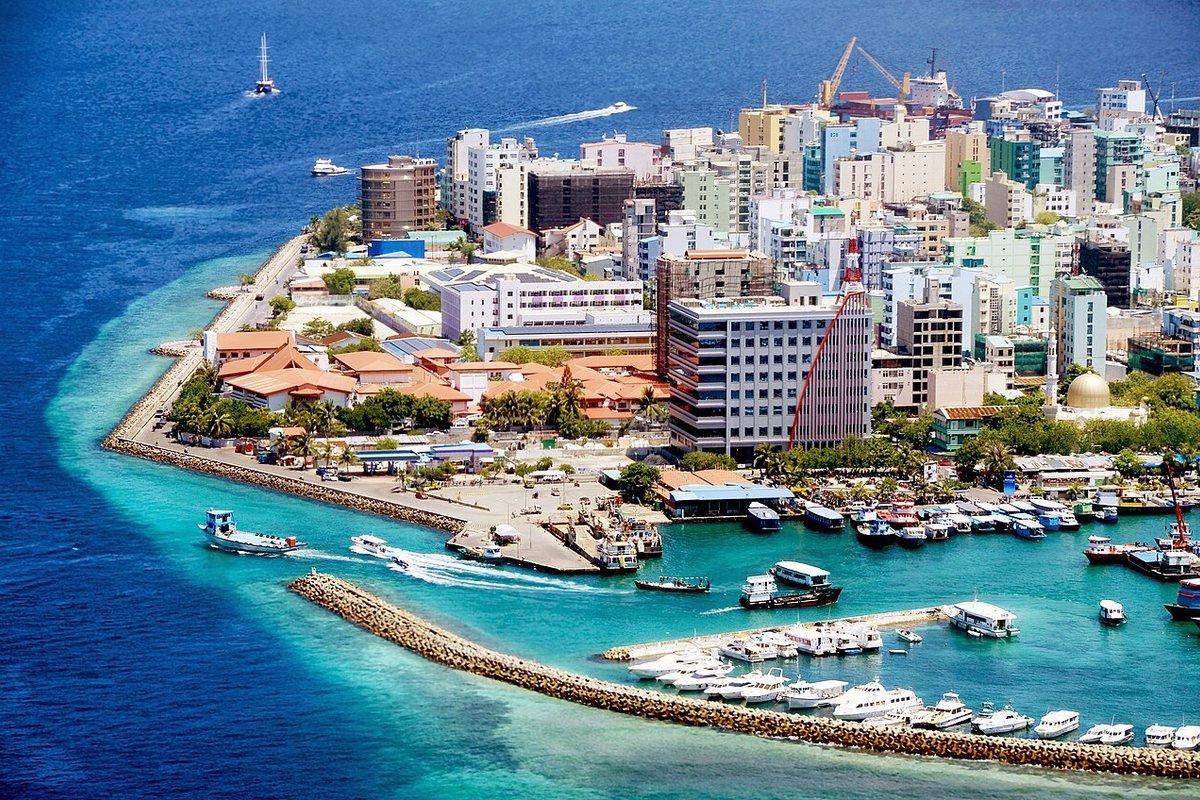
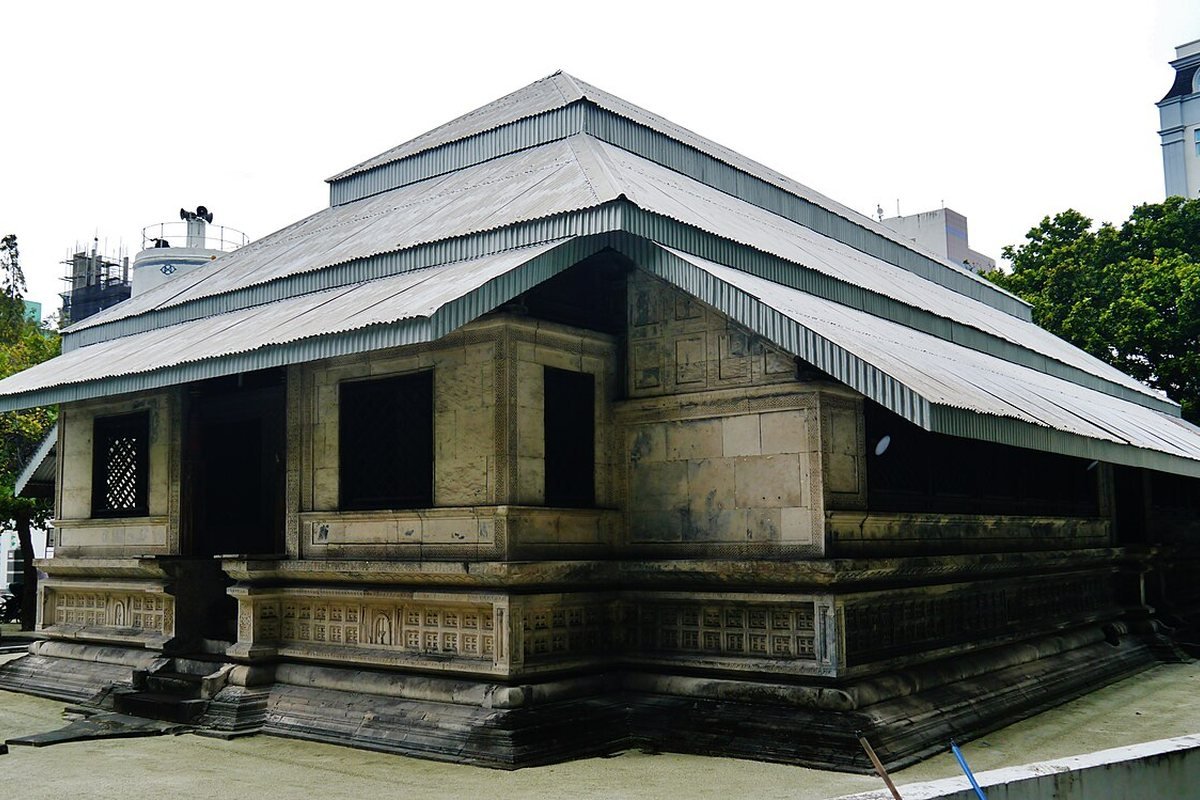
Most resorts have an island of their own, with beach villas, overwater villas and coral reefs just a few steps away. Between snorkelling with turtles and manta rays, seaplane flights over the atolls and sunset cruises, there is time to explore the capital Malé, its coral-stone Old Friday Mosque and the friendly local islands.
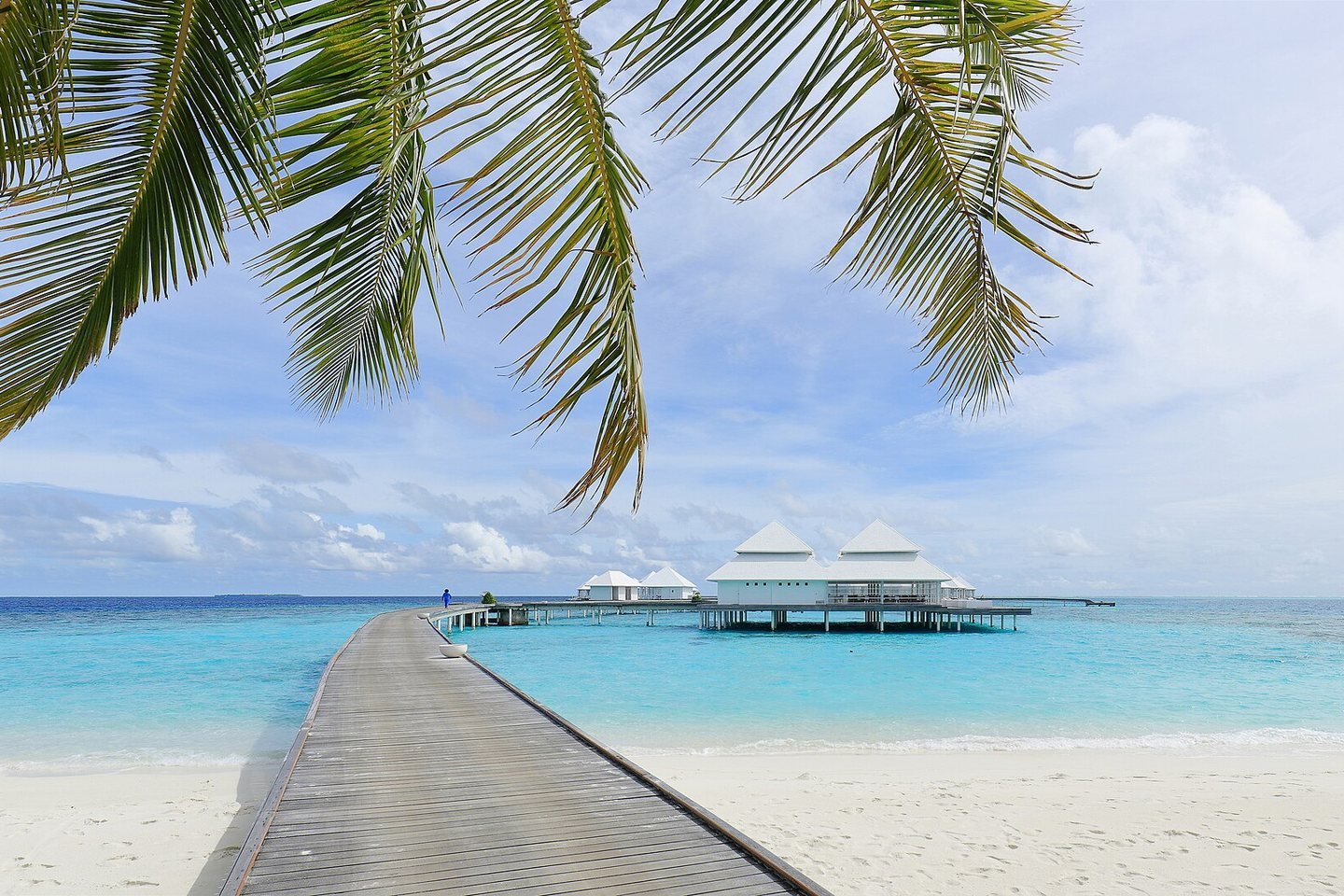
Stay in a villa built on stilts above the lagoon, with steps leading straight down into warm, clear water.
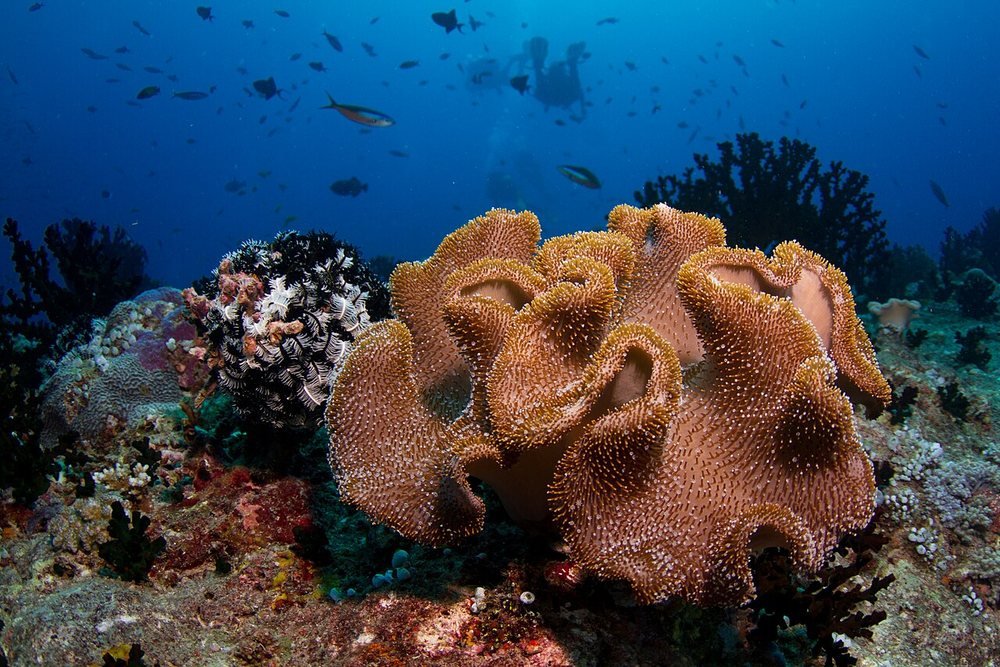
Snorkel and dive among coral reefs alive with turtles, reef sharks, manta rays and shoals of colourful fish.
Private island resorts, candlelit beach dinners and sunsets over the ocean make the Maldives a honeymoon favourite.
Direct flights from several Indian cities and a visa on arrival make it one of the easiest island holidays from India.
Visit Malé and the local islands to discover Maldivian fishing traditions, coral-stone mosques and warm island hospitality.
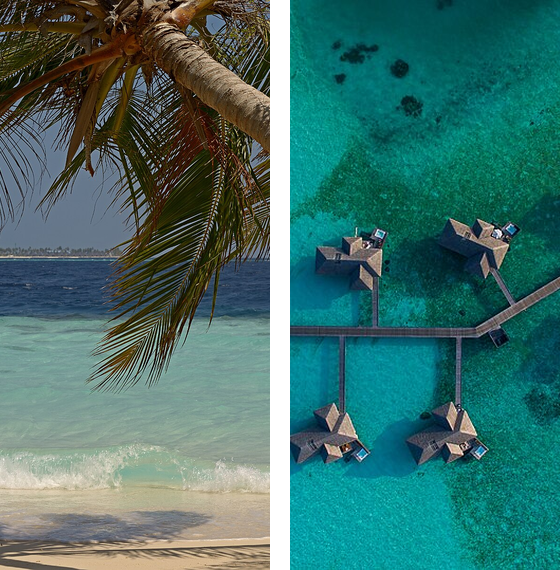


In the Maldives, most resorts have a whole island to themselves. Wake up in a beach or overwater villa, snorkel the house reef straight from the shore, unwind at the spa and end the day with dinner on the sand under the stars.


*Resorts are reached by speedboat, seaplane or domestic flight, depending on how far they are from Malé.
West of Malé, Ari Atoll is one of the best areas in the Maldives for snorkelling and diving. The South Ari Marine Protected Area is one of the few places in the world where whale sharks can be seen through the year, and the atoll is also known for manta ray cleaning stations and colourful reefs.


*Whale shark sightings are never guaranteed, and guides keep a respectful distance from the animals.
North of Malé, Baa Atoll was named a UNESCO Biosphere Reserve in 2011. Its best-known site, Hanifaru Bay, draws large gatherings of feeding manta rays between about June and November, while the atoll's reefs and lagoons are home to turtles, dolphins and some beautiful island resorts.


*Hanifaru Bay is a protected area open for snorkelling only, with limits on the number of boats and snorkellers in the bay at any one time.

Slip into the lagoon to snorkel over coral gardens with reef fish, turtles and harmless blacktip reef sharks.

Dive reefs and channels with resort dive centres, from beginner courses in calm lagoons to drift dives for certified divers.
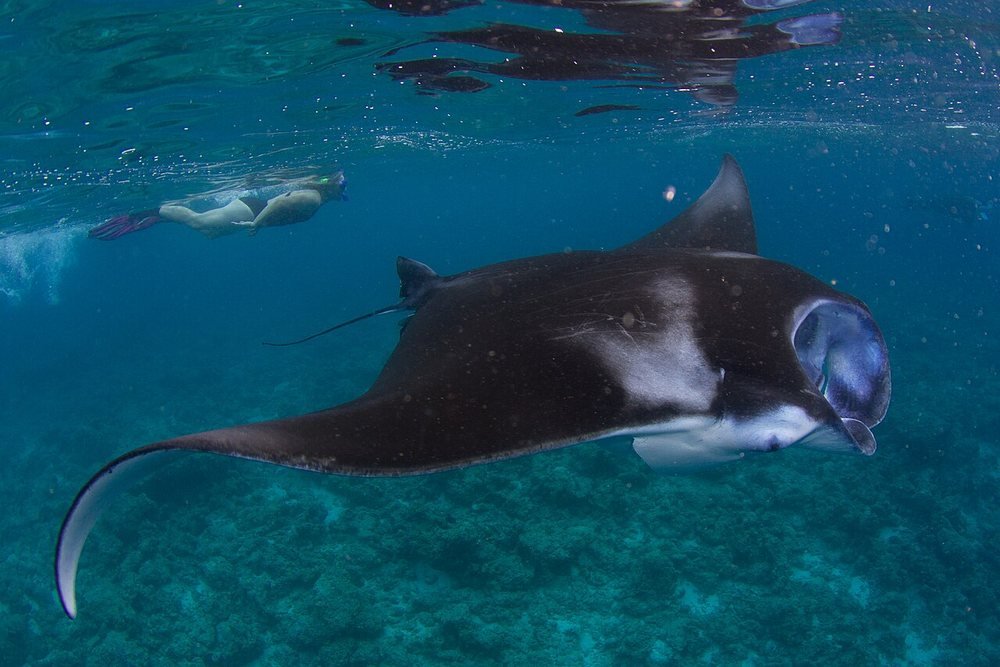
Join a guided boat trip to watch graceful manta rays glide over cleaning stations or feed in plankton-rich water.

Fly low over turquoise lagoons and ring-shaped reefs on a seaplane transfer, one of the most memorable views in the Maldives.

Head out on a traditional dhoni in the late afternoon to watch spinner dolphins leap and play as the sun goes down.
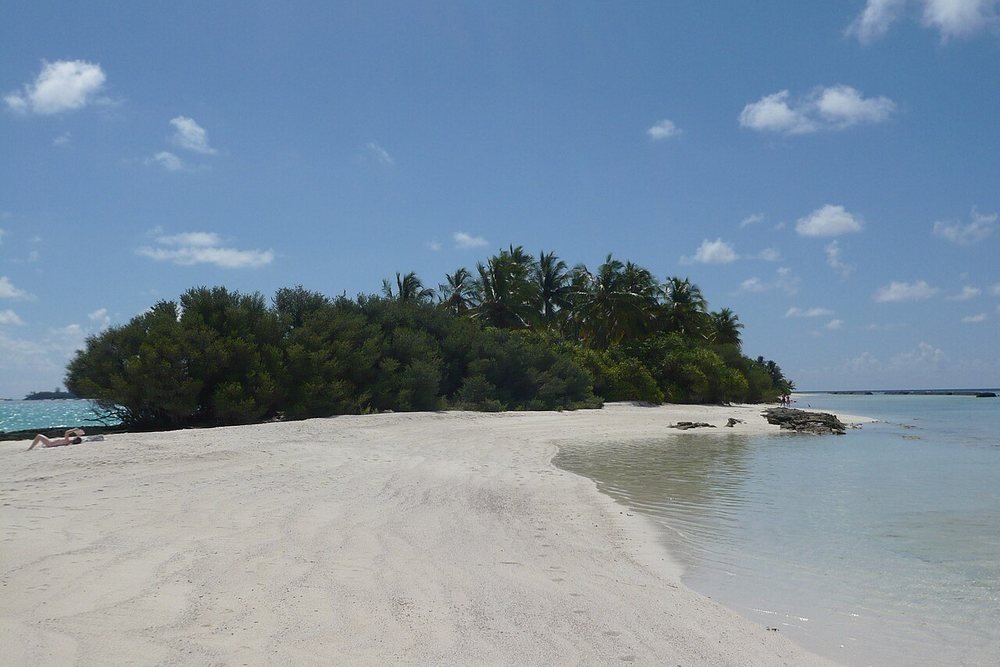
Take a boat to a tiny sandbank surrounded by clear water for a private picnic, a swim and plenty of photographs.

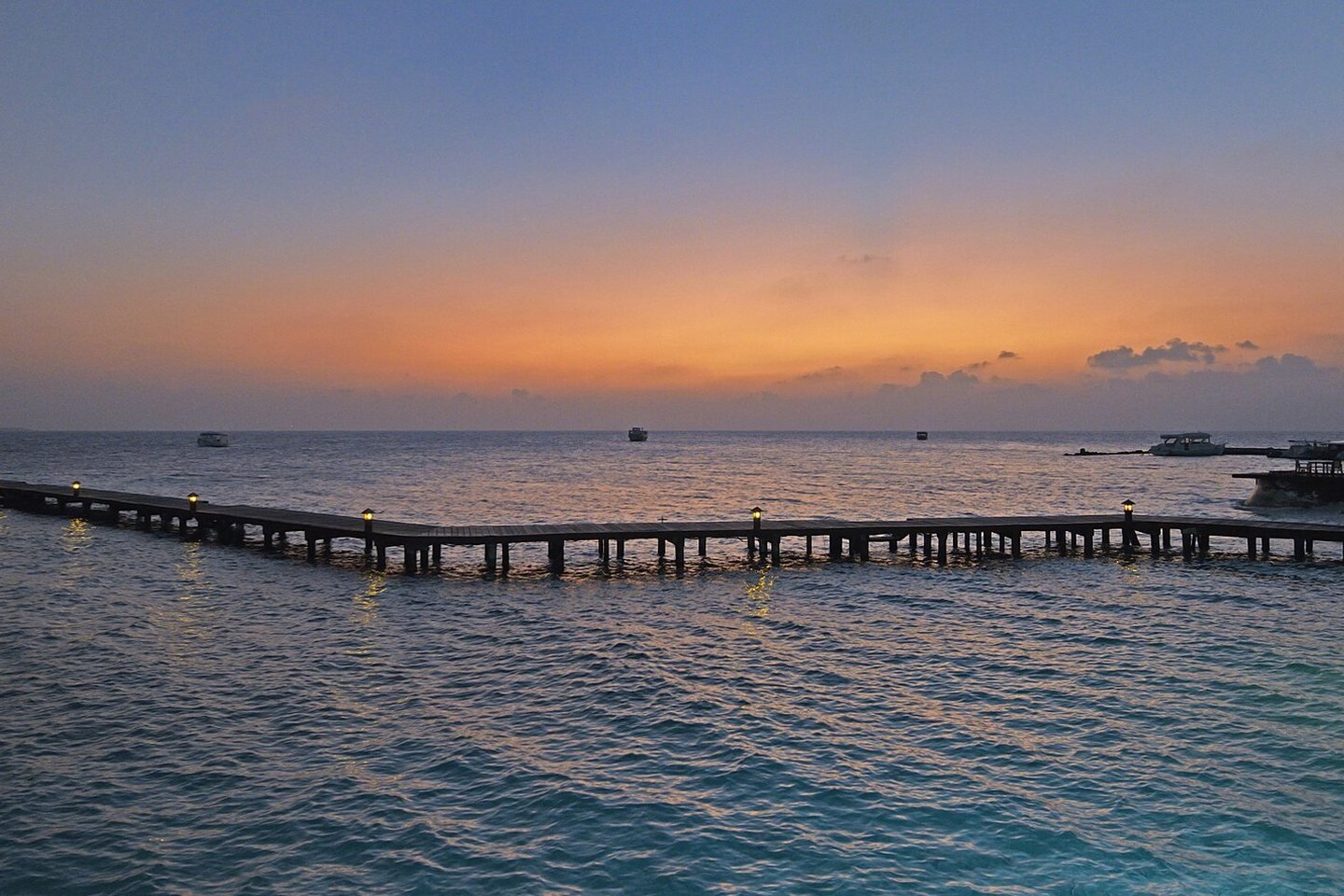
Paddle a kayak or stand-up paddleboard across the calm lagoon at sunrise or sunset, when the water turns gold.
*Seaplanes fly only in daylight, and boat trips depend on sea conditions, so keep a little flexibility in your plans.
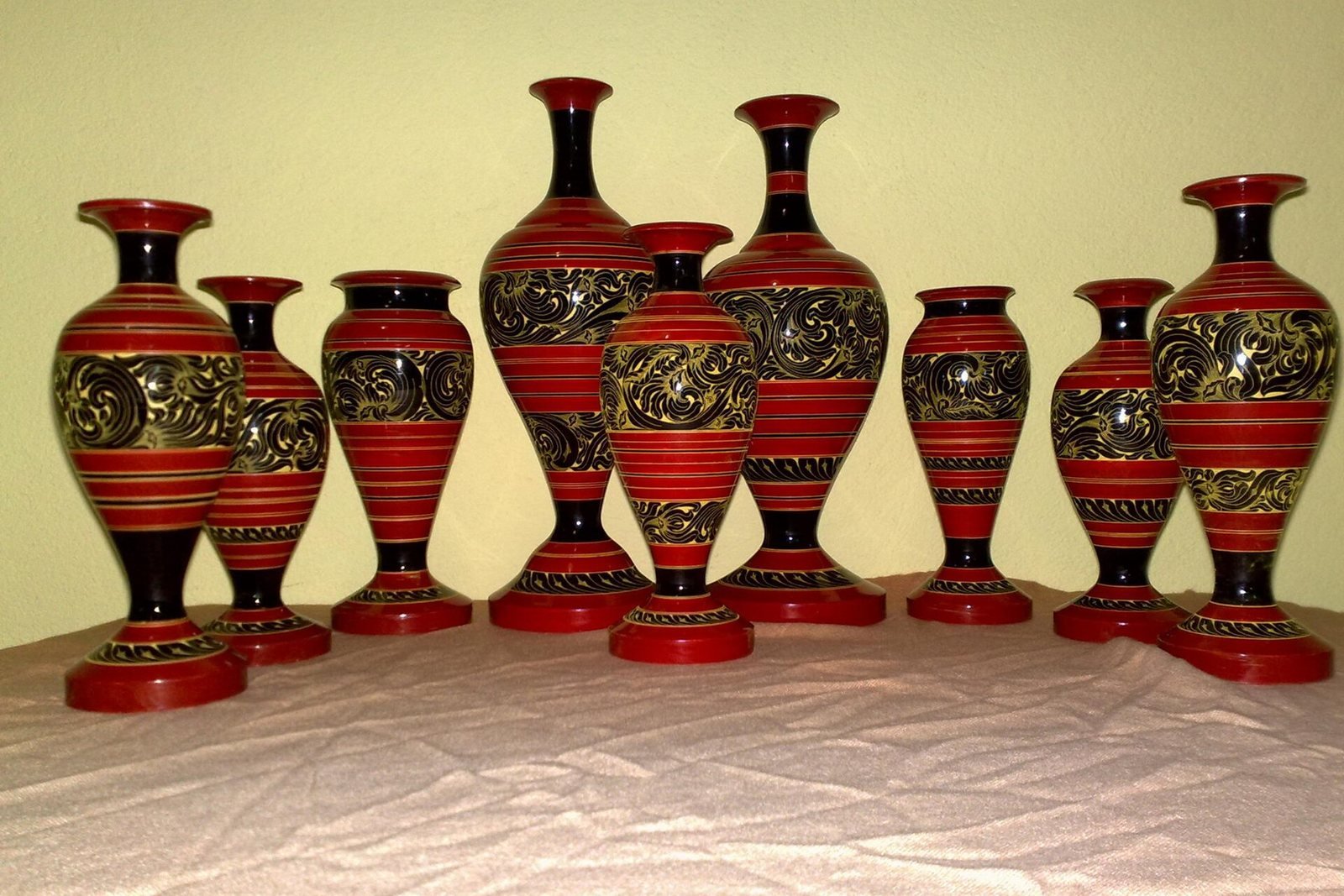
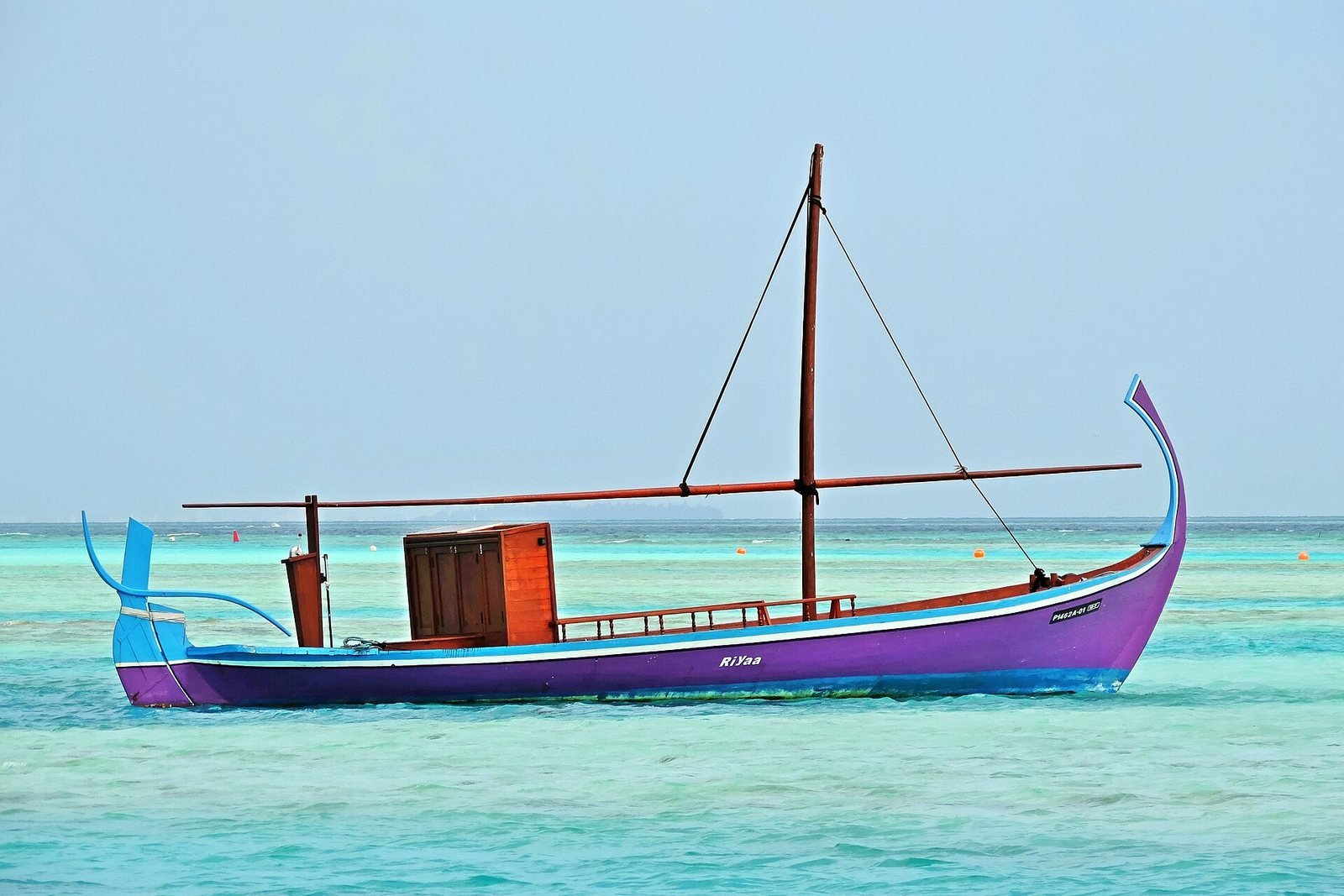
Maldivian culture has been shaped by the sea and by centuries of trade with South Asia, Arabia and East Africa. Islam is central to daily life, and Dhivehi, written in its own Thaana script, is the national language. Look out for bodu beru drumming at resort culture nights, coral-stone mosques, colourful lacquer work from Thulhaadhoo and the wooden dhonis that still carry fishermen and travellers between the islands.
The Maldives is warm all year and has two main seasons. The dry northeast monsoon from December to April brings sunny days, calm seas and the clearest water. The southwest monsoon from May to November brings more showers, wind and choppier seas, but also the manta season in Baa Atoll.
The Maldives has a tropical climate, with temperatures of about 26°C to 31°C through the year and sea water that stays warm in every season. Even in the wet months, showers are often short and followed by sunshine.
Peak Season: December to April, especially around Christmas and New Year, when dry weather and calm seas draw the most visitors.
Off-Peak Season: May to November, when there is more rain but fewer visitors, good resort offers and the manta season in Baa Atoll.
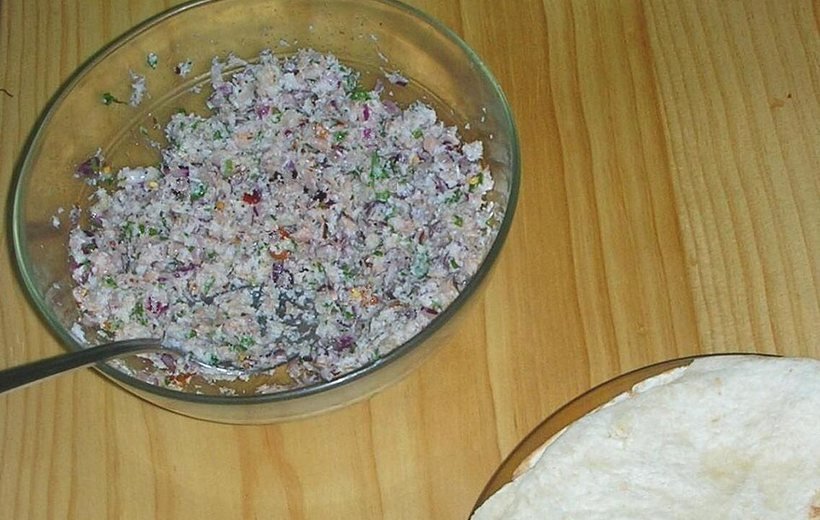
Maldivian food is built on tuna, coconut, chilli and rice, so Indian travellers will find the flavours familiar. Start the day with mas huni, a mix of tuna, coconut, onion and chilli eaten with flat roshi. Try garudhiya, a clear fish broth served with rice, lime and chilli, rich tuna curries such as kandu kukulhu, and short eats like masroshi with sweet tea. Resorts also serve Indian, international and vegetarian dishes.


Almost every visitor arrives at Velana International Airport on Hulhulé Island, right next to the capital Malé. From the airport, resorts arrange transfers by speedboat, seaplane or domestic flight, and the Sinamalé Bridge links the airport by road to Malé and Hulhumalé.
Direct flights connect Malé with Delhi, Mumbai, Bengaluru, Kochi and Thiruvananthapuram, with seasonal non-stops from Hyderabad, and the short hops from Kerala take under two hours. Other Indian cities connect via these hubs.
Indian passport holders receive a free 30-day visa on arrival with a return ticket and confirmed hotel booking, plus the online IMUGA traveller declaration. Check current requirements; we assist with visas.
Resort transfers are by speedboat, seaplane or domestic flight and boat. Seaplanes fly only in daylight, while ferries, speedboats and taxis serve Malé and the nearby local islands.


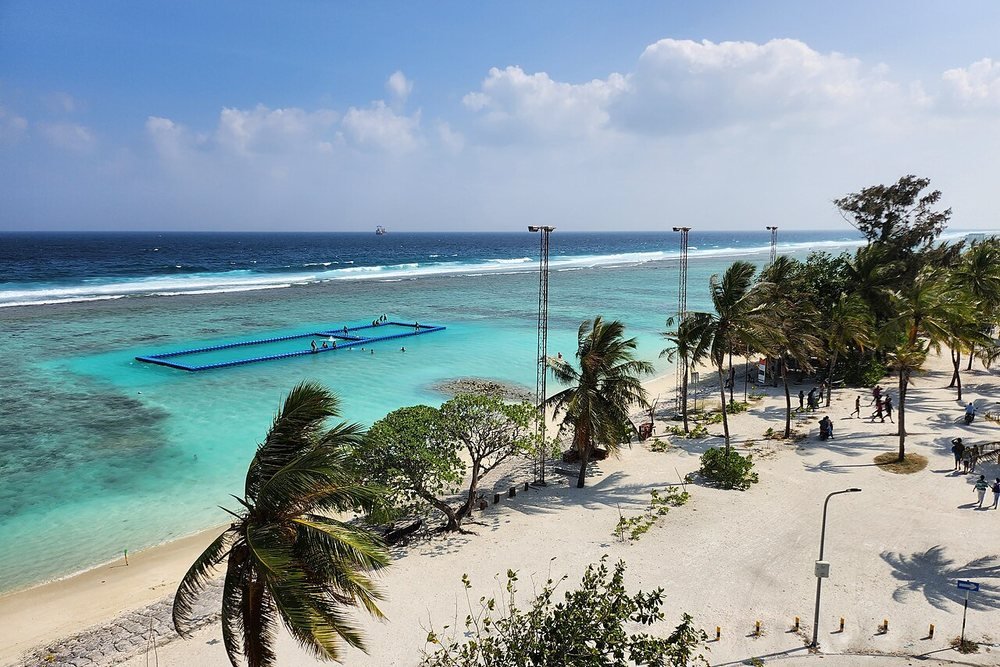
December to April is the dry season, with sunny days and calm, clear water. May to November is wetter but quieter, with good resort offers and the manta season in Baa Atoll.
No advance visa is needed. Indian passport holders get a free 30-day visa on arrival with a return ticket, confirmed accommodation and the online IMUGA traveller declaration. Check current requirements before travel; we assist with visas.
Take a direct flight to Malé from Delhi, Mumbai, Bengaluru, Kochi or Thiruvananthapuram (Hyderabad has seasonal non-stops), then transfer to your resort by speedboat, seaplane or domestic flight.
Four to five nights is ideal for one resort. With a week, you can split your stay between two islands or add a local island and a day in Malé.
Yes. Private island resorts, overwater villas, sunset cruises and candlelit beach dinners make the Maldives one of the most popular honeymoon destinations for Indian couples.
Yes. Many resorts have shallow lagoons, pools and kids' clubs, and non-swimmers can still enjoy sandbank picnics, dolphin cruises, seaplane views and snorkelling with a life jacket.
Yes. Local islands such as Maafushi offer guesthouses, island life and excursions. Dress modestly away from the designated bikini beaches, and note that alcohol is served only at resorts and on safari boats, not on local islands.
The local currency is the Maldivian rufiyaa, but US dollars and major cards are widely accepted at resorts. Carry some dollars in small notes for tips and local purchases.

: Subscribe to our newsletter and be the first to know about exclusive offers, new destinations, and travel tips.