Kitesurfing
The wide lagoon at Le Morne is one of the world's best-known kitesurfing spots, with schools offering lessons for beginners.
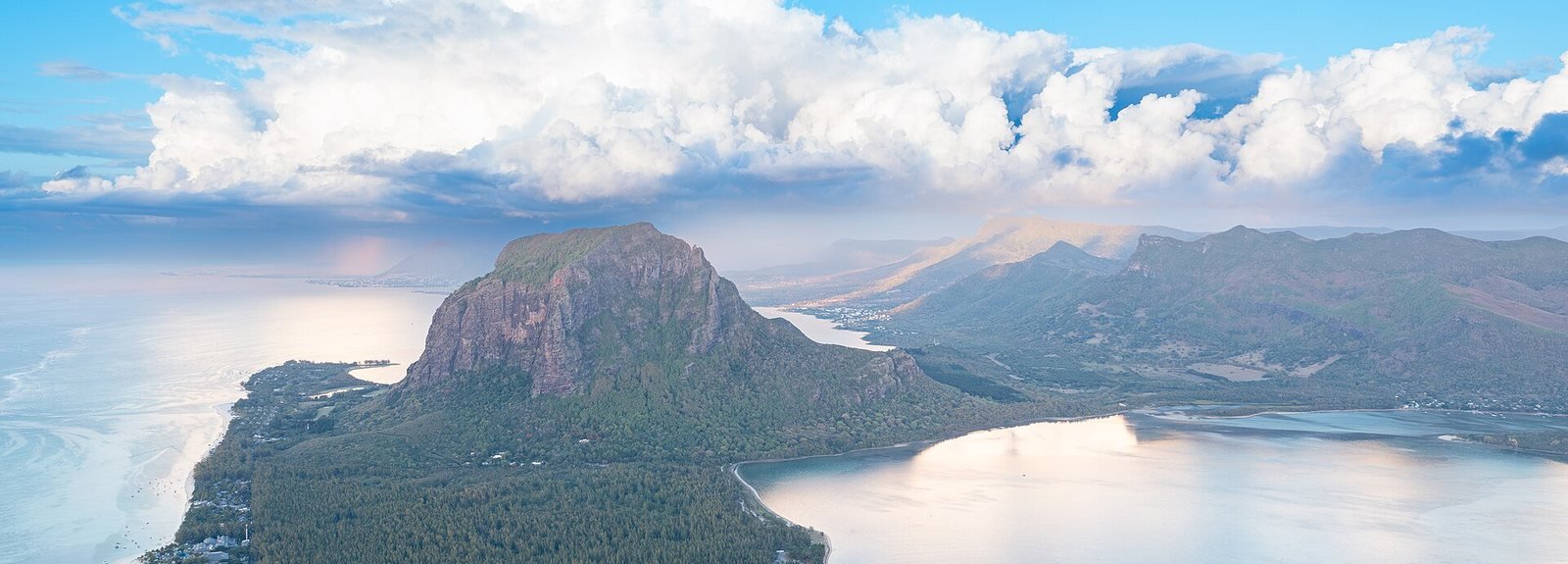
Mauritius is a volcanic island nation in the Indian Ocean, about 2,000 km off the southeast coast of Africa. A coral reef encircles most of the island, creating calm turquoise lagoons and powder-white beaches, while the interior rises to green mountains, waterfalls and forests. With warm weather all year and a wide choice of beach resorts, it is one of the most popular honeymoon and family destinations for Indian travellers.
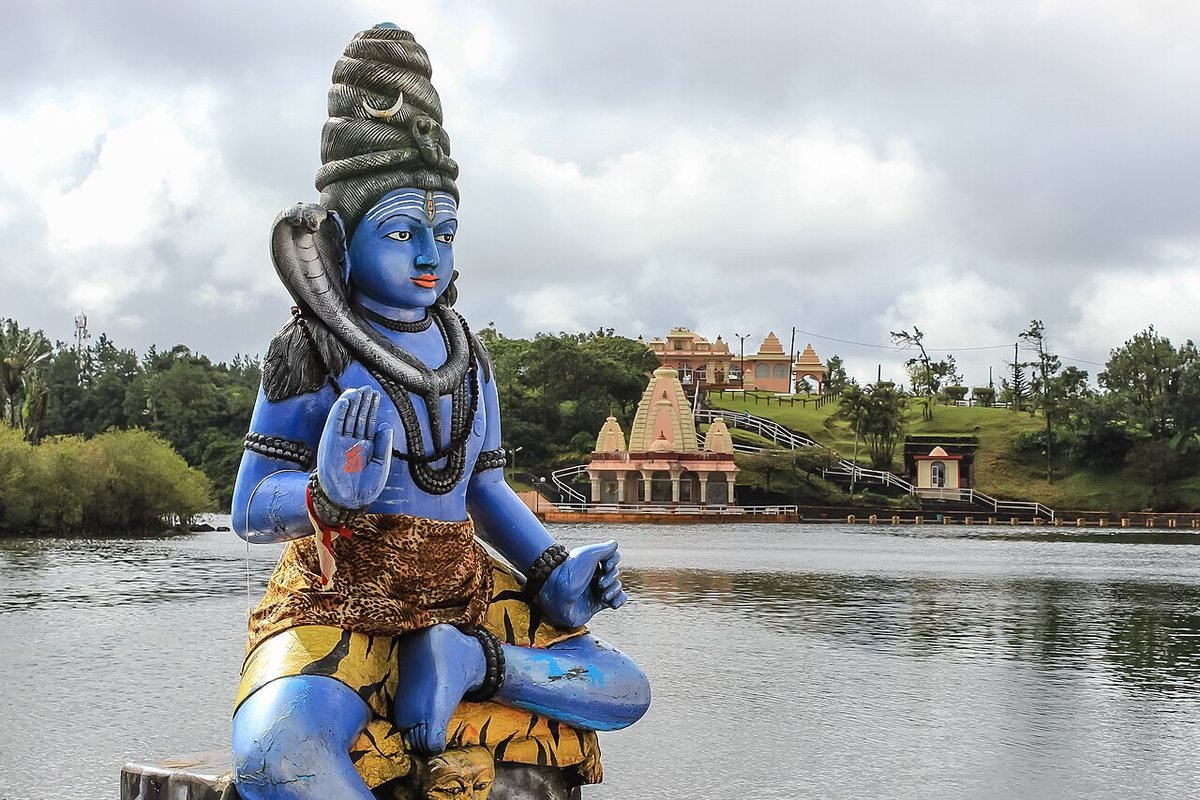
Mauritius also feels familiar to visitors from India. Around two-thirds of Mauritians have Indian roots, and Diwali and Maha Shivaratri are celebrated across the island. From the sacred lake of Grand Bassin and the UNESCO-listed Aapravasi Ghat to the Seven Coloured Earth at Chamarel, the slopes of Le Morne Brabant and boat trips to Île aux Cerfs, the island combines relaxation, culture and adventure in one easy holiday.
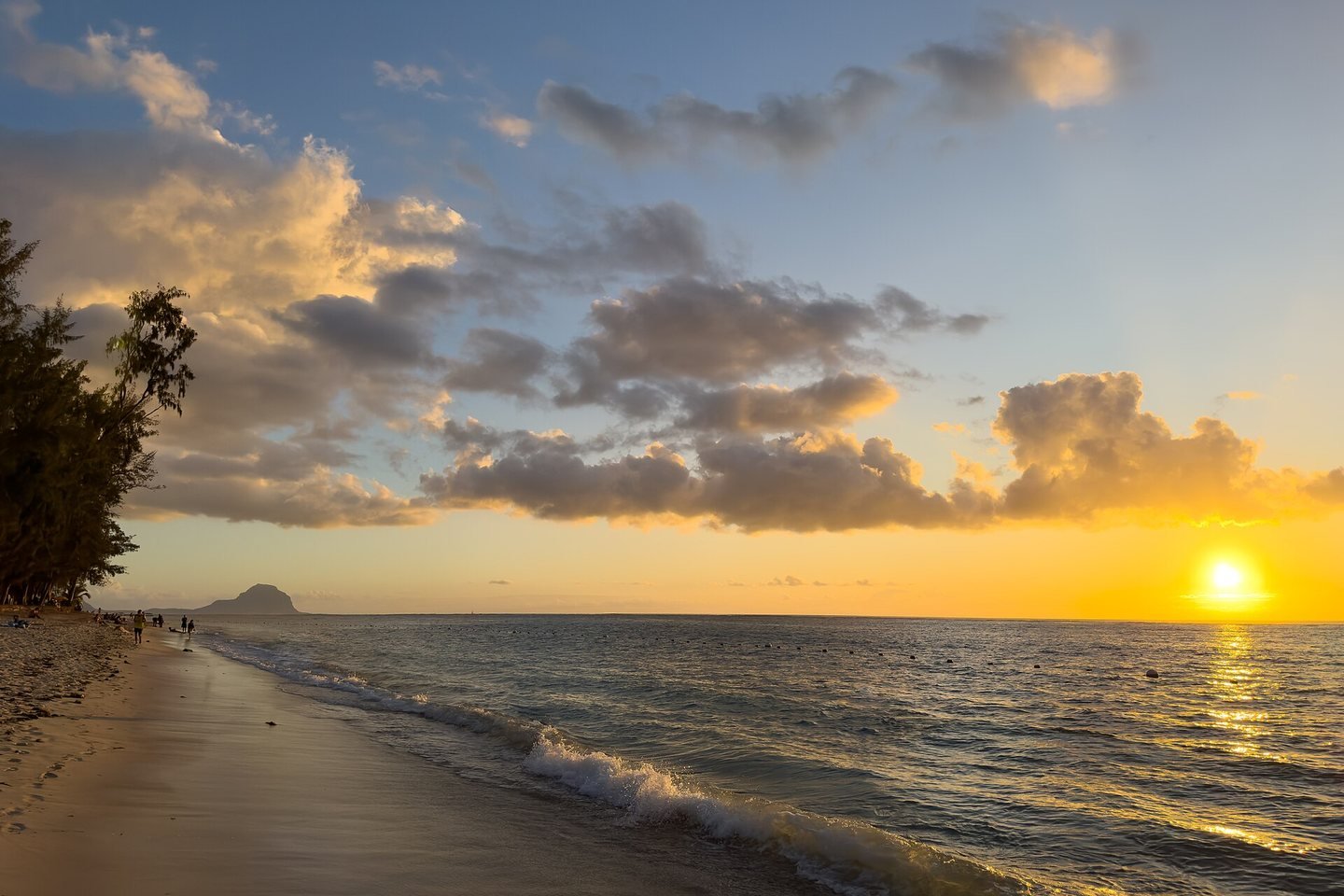
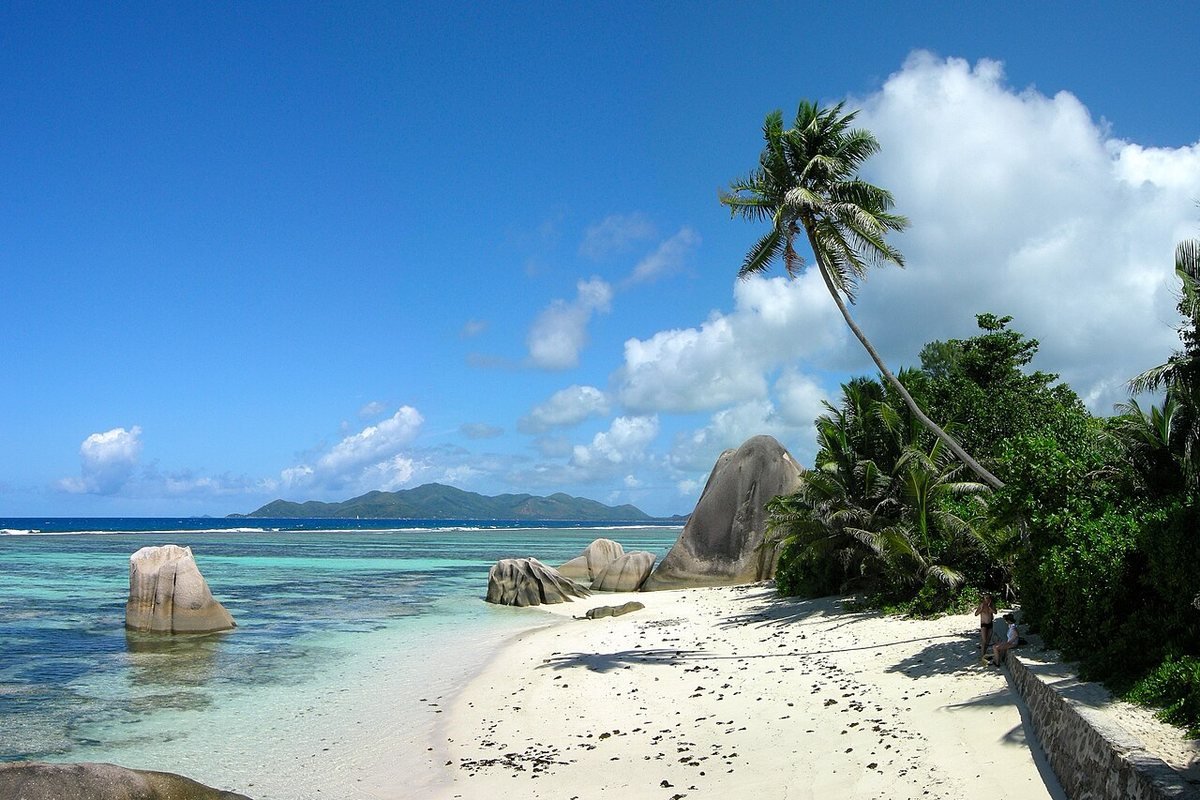
Swim, snorkel and relax in calm lagoons sheltered by the coral reef, along beaches such as Belle Mare, Trou aux Biches and Le Morne.
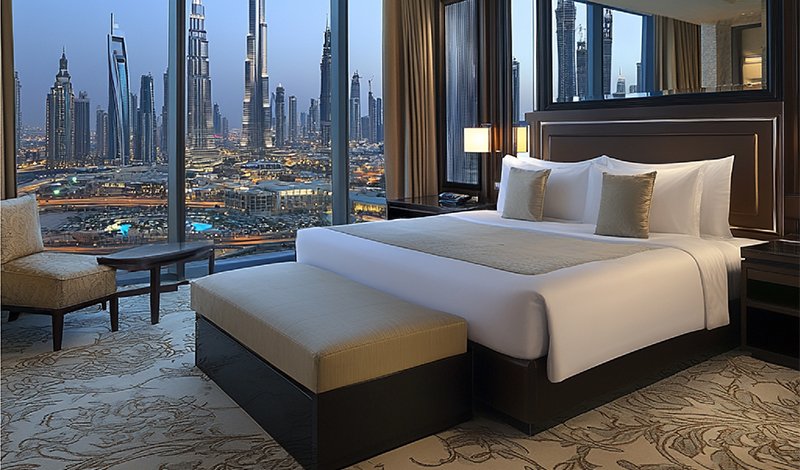
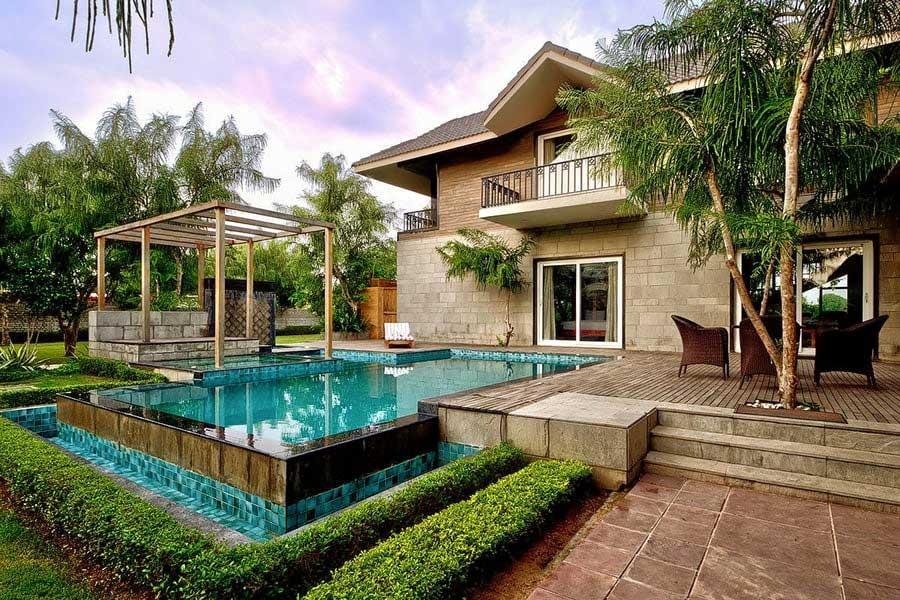
Beachfront villas, sunset cruises and candlelit dinners by the sea make Mauritius a favourite honeymoon destination.
Visit Grand Bassin and the Aapravasi Ghat, and enjoy familiar festivals, temples and flavours on an island where most people have Indian roots.
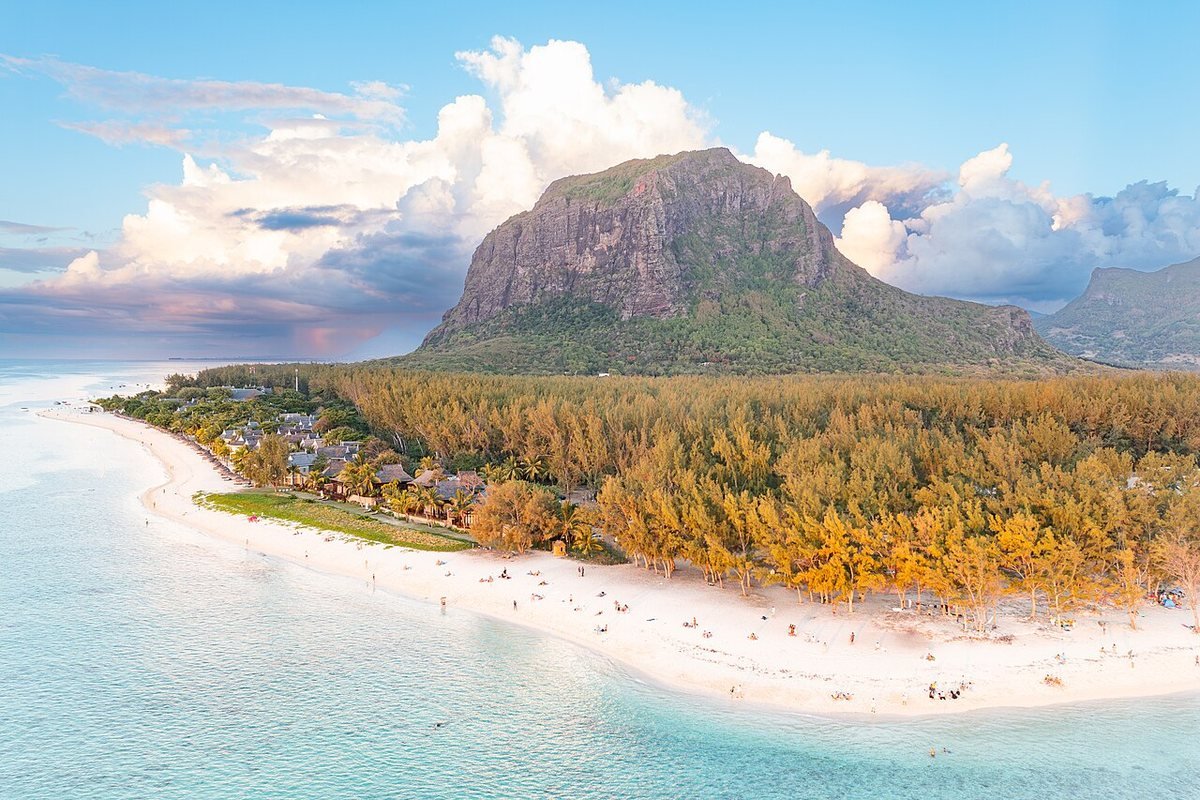
Explore Black River Gorges National Park, the waterfalls of Chamarel and Rochester, and the dramatic peak of Le Morne Brabant.
Try kitesurfing, parasailing, glass-bottom boat rides and deep-sea fishing, or take a boat trip to islands such as Île aux Cerfs.
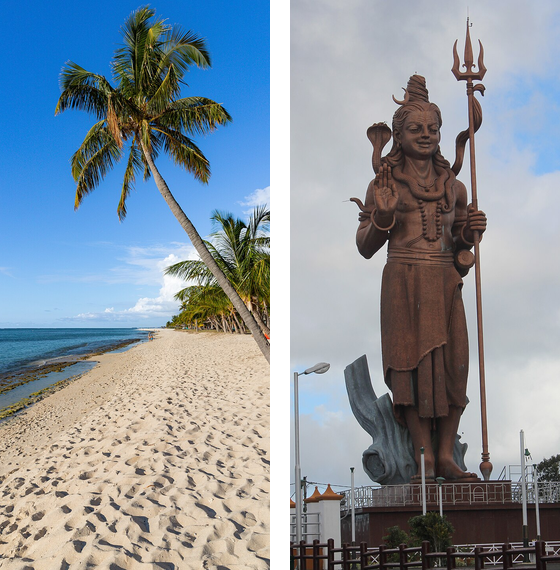


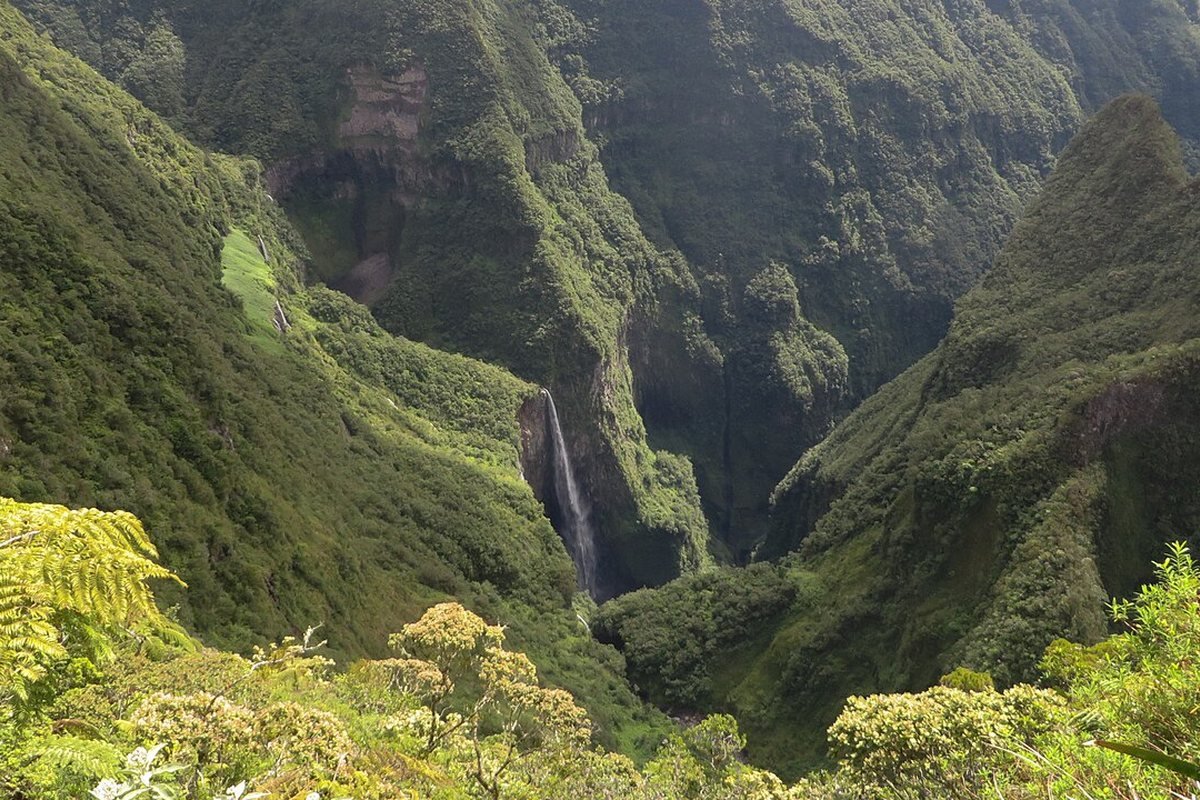
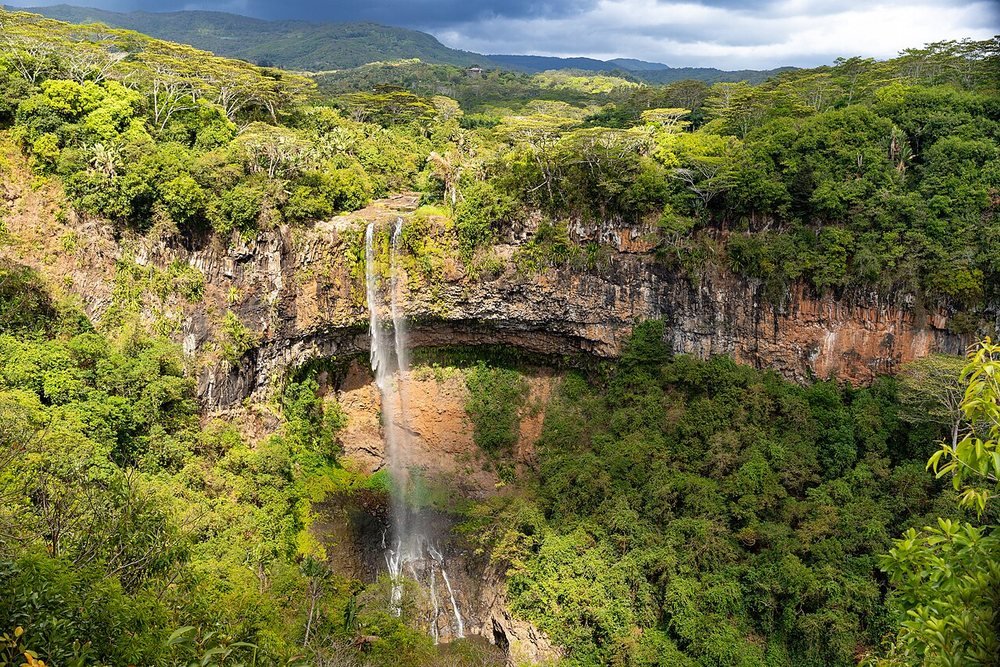
In the south-western highlands, Black River Gorges National Park protects much of Mauritius's remaining native forest, with viewpoints over deep green valleys, walking trails and rare birds such as the pink pigeon. Nearby Chamarel is home to the Chamarel Waterfall, which plunges about 100 metres into a forested gorge, and the Seven Coloured Earth.

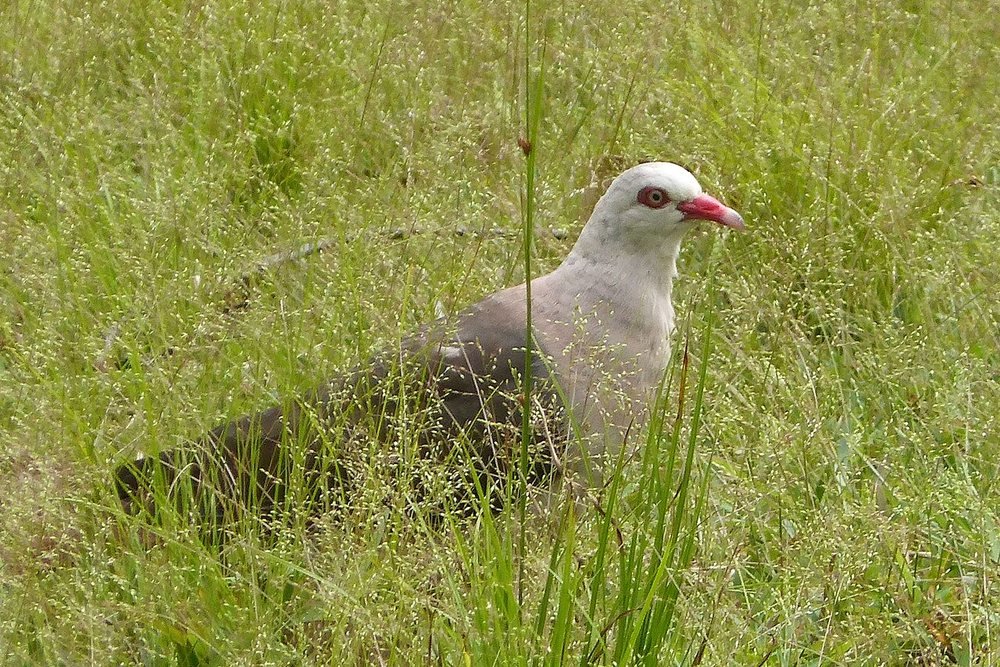
*Trails in the national park can be muddy after rain, so wear good walking shoes and start early in the day.
The capital, Port Louis, mixes colonial buildings, temples, mosques and a lively Central Market with the shops and restaurants of the Caudan Waterfront. Visit the UNESCO-listed Aapravasi Ghat, where indentured labourers from India first landed, and drive up to Fort Adelaide for views over the city and harbour.


*Between 1834 and 1920, almost half a million indentured labourers from India arrived in Mauritius through the Aapravasi Ghat.
Off Trou d'Eau Douce, Île aux Cerfs is a small island of white beaches and shallow lagoons, reached by boat and loved for water sports and lazy beach days. Boat trips often stop at the Grand River South East waterfall, and the long beach at Belle Mare is one of the finest on the island.


The wide lagoon at Le Morne is one of the world's best-known kitesurfing spots, with schools offering lessons for beginners.
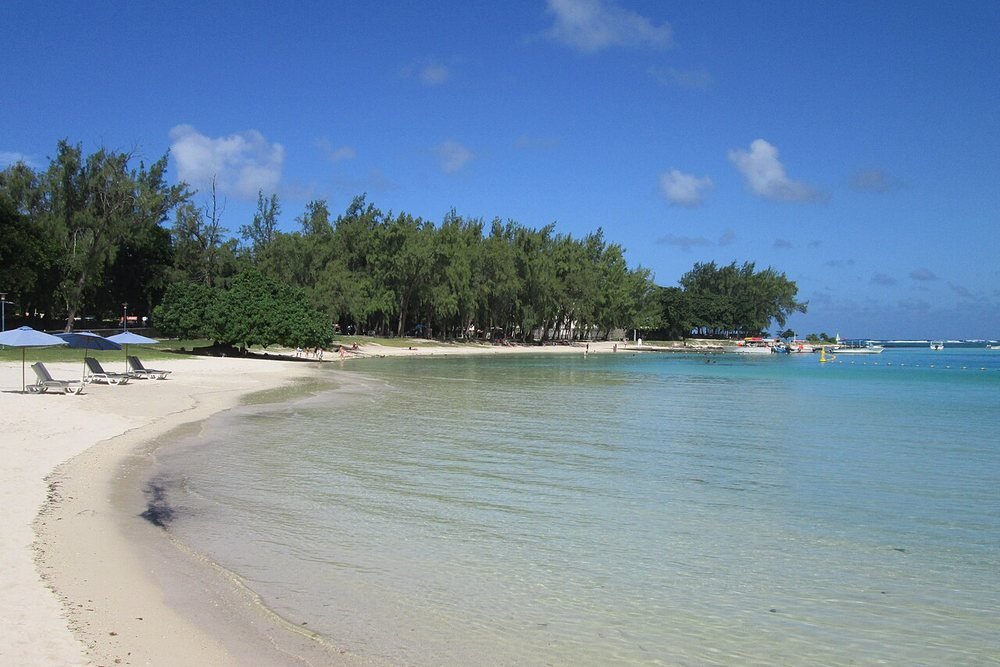
Snorkel or take a glass-bottom boat over the corals and tropical fish of this protected lagoon near Mahébourg.

Take a seaplane or helicopter flight over Le Morne to see the famous underwater waterfall, an illusion created by sand flowing off the edge of the reef.

Cruise along the south-west coast to the islet of Île aux Bénitiers, often combined with snorkelling and a stop at Crystal Rock.
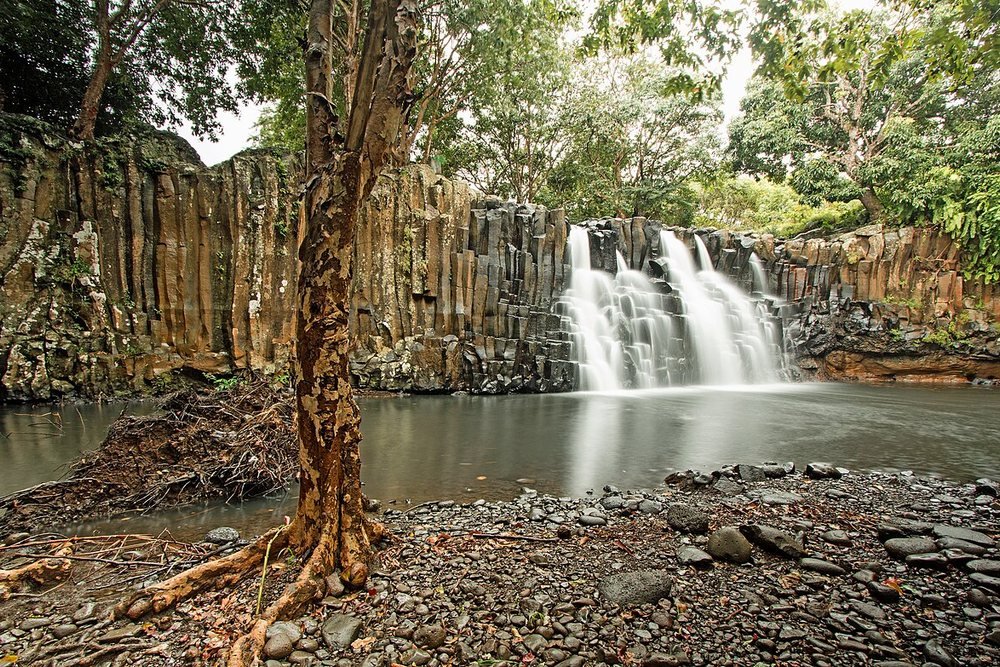
Visit this pretty waterfall near Souillac, where the river pours over rows of rectangular basalt columns.

Walk around the rim of this dormant volcanic crater in Curepipe for views across the island's mountains and towns.

See Aldabra giant tortoises up close at nature parks such as the Seven Coloured Earth Geopark in Chamarel and La Vanille in the south.
*Most water activities run all year but depend on sea conditions, and the windier winter months are the best time for kitesurfing.
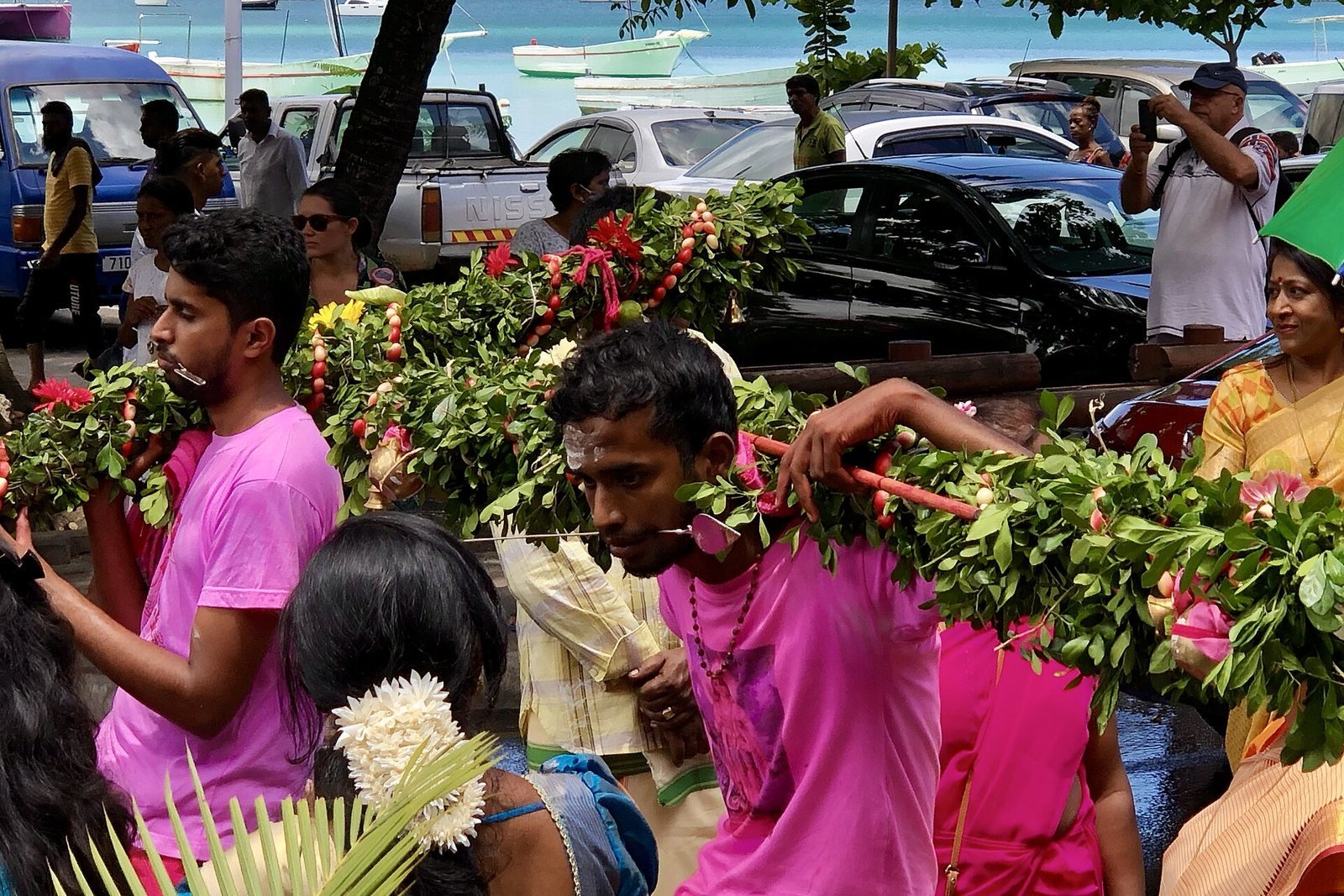
Mauritius is a true melting pot of Indian, African, French and Chinese heritage. Hindu temples, mosques, churches and pagodas stand side by side, and festivals such as Maha Shivaratri, Diwali, Thaipoosam Cavadee, Eid and the Chinese Spring Festival are celebrated across the island. Don't miss an evening of sega, the island's rhythmic folk music and dance, which UNESCO lists as part of the world's intangible cultural heritage.

Mauritius can be visited all year. Winter (May to October) brings dry, sunny and pleasantly warm days, ideal for sightseeing, hiking and beach holidays. Summer (November to April) is hot and humid with the warmest sea, but it also brings more rain, and cyclones are possible, mainly from January to March.
Mauritius has a warm tropical climate. Coastal temperatures range from about 25°C to 33°C in summer and around 18°C to 26°C in winter, while the central plateau around Curepipe is cooler and wetter. The sea stays warm enough for swimming throughout the year.
Peak Season: April to June and October to December, when Indian families and honeymooners travel for school holidays, Diwali, Christmas and New Year.
Off-Peak Season: February and March, the wettest months with a chance of cyclones, when fewer visitors mean quieter beaches and better hotel offers.
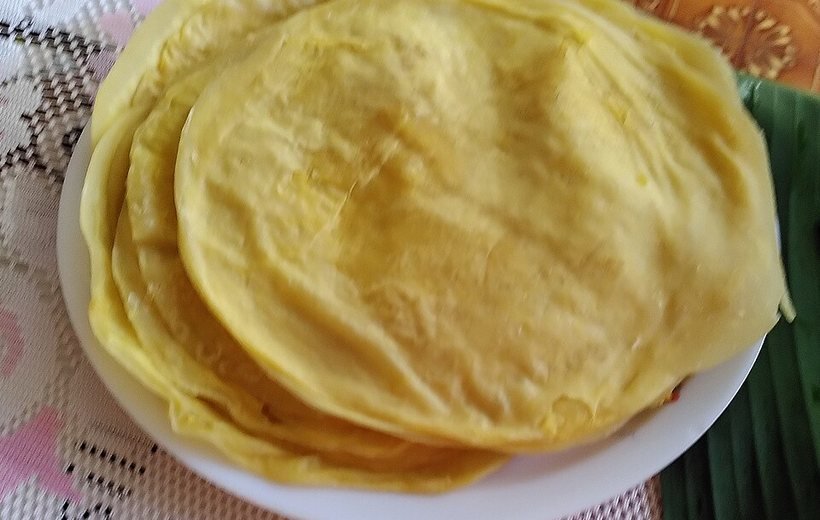
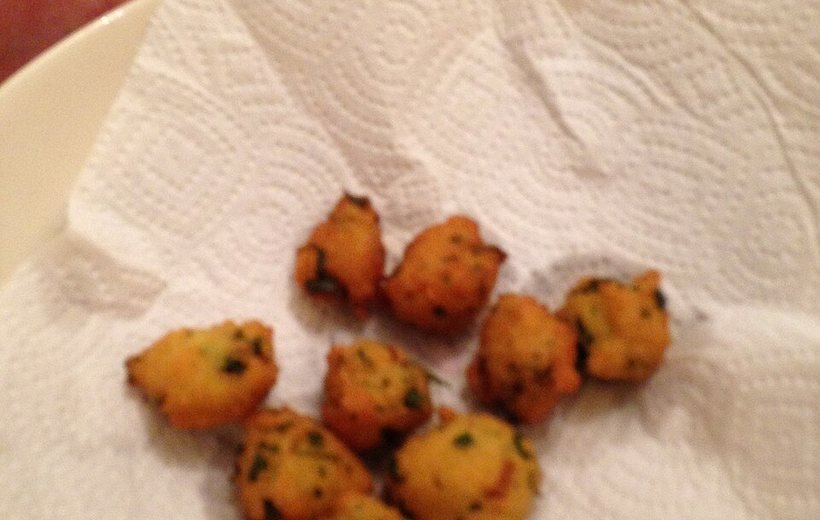
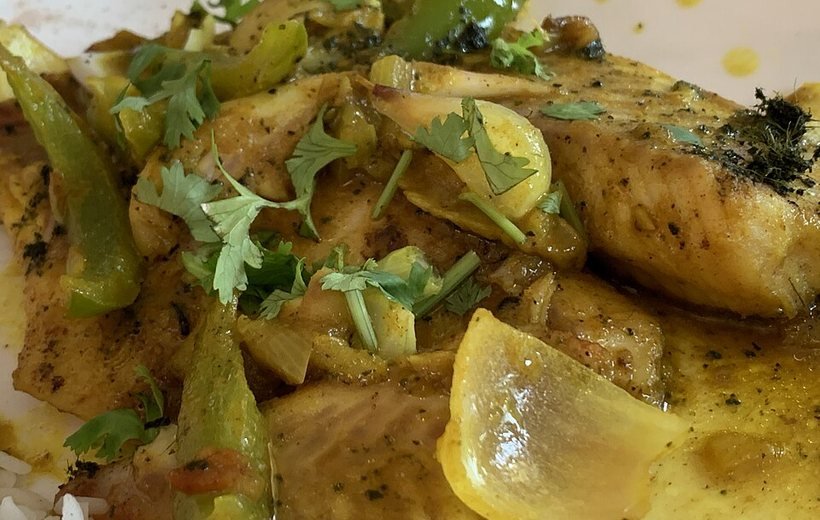
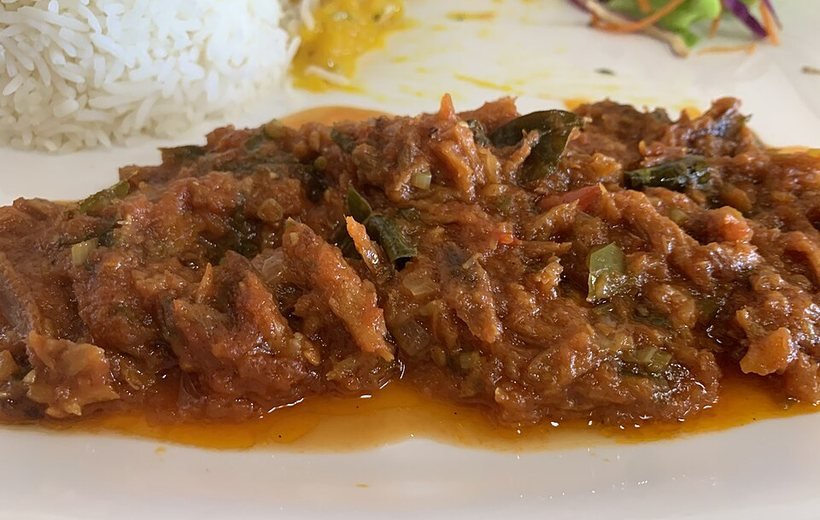
Mauritian food blends Indian, Creole, Chinese and French flavours, and Indian travellers will find much that feels familiar. Try dholl puri, the island's favourite street food, crispy gateaux piments, fish vindaye cooked with mustard and turmeric, and Creole rougaille in a rich tomato sauce. Finish with a glass of alouda, a chilled sweet milk drink with basil seeds. Vegetarian food is easy to find.
Mauritius is a non-stop flight of about six hours from Mumbai. Flights land at Sir Seewoosagur Ramgoolam International Airport in the south-east of the island, and most resorts are around an hour away by road.
Non-stop flights connect Mauritius with Mumbai and Delhi, and some other Indian cities have direct services on selected days. Travellers from elsewhere in India can connect through Mumbai or Delhi.
Indian passport holders do not need to apply for a visa in advance for a holiday; an entry permit is given on arrival with a return ticket, hotel booking and proof of funds. Rules change, so check current requirements; we assist with visas.
A private car with a driver is the easiest way to explore, and Mauritius drives on the left. Buses cover most of the island, the Metro Express light rail links Port Louis with Curepipe, and taxis are easy to find at resorts.


May to December is generally the most pleasant, with drier, sunny weather. January to March is hot and humid, with more rain and a chance of cyclones.
Indian passport holders do not need to apply for a visa in advance for a tourist visit. An entry permit is given on arrival on showing a valid passport, return ticket, hotel booking and sufficient funds. Rules change, so check current requirements; we assist with visas.
Take a non-stop flight from Mumbai or Delhi to Sir Seewoosagur Ramgoolam International Airport, or a connecting flight from other Indian cities. The flight from Mumbai takes about six hours.
A 6 to 7-day trip covers the north and west coasts, Port Louis, Chamarel and Le Morne in the south-west, and a day trip to Île aux Cerfs. Honeymooners often add a few extra days to relax at their resort.
Mauritius is famous for its turquoise lagoons and white-sand beaches, Le Morne Brabant, the Seven Coloured Earth at Chamarel, Grand Bassin, Île aux Cerfs, water sports, luxury resorts and its multicultural heritage.
Yes. Mauritius is one of the most popular honeymoon destinations for Indian couples, with beachfront resorts, private villas, sunset cruises and romantic dinners by the sea.
Yes. With a large Indo-Mauritian community, vegetarian dishes such as dholl puri, farata, dal, vegetable curries and gateaux piments are easy to find, and many resorts serve Indian food.
Mauritian Creole is the most widely spoken language, and English and French are widely used in hotels, shops and tourist areas. Hindi and Bhojpuri are also heard in many Indo-Mauritian communities.

: Subscribe to our newsletter and be the first to know about exclusive offers, new destinations, and travel tips.