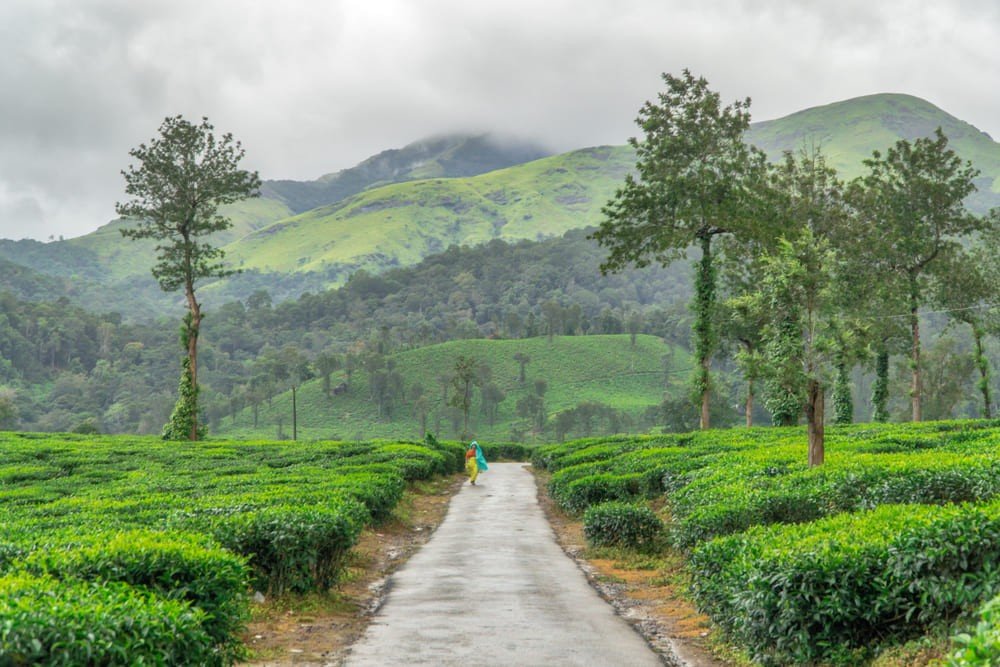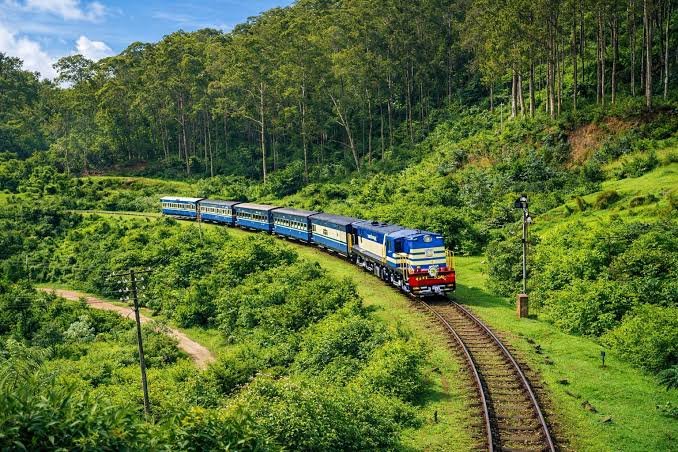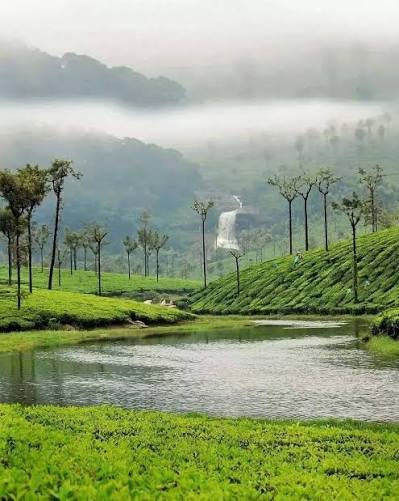
Shillong and Kaziranga offer a beautiful combination of misty hills, waterfalls, lush landscapes, and incredible wildlife in Northeast India. Shillong, known as the "Scotland of the East," is famous for its scenic hills and waterfalls, while Kaziranga is renowned for its wildlife and iconic one-horned rhinoceroses. Together, they create an unforgettable journey for families, couples, nature lovers, and wildlife enthusiasts.
Shillong and Kaziranga combine the natural beauty of Meghalaya with the wildlife experiences of Assam. Visitors can explore spectacular waterfalls, peaceful lakes, scenic viewpoints, lush countryside, and the wildlife-rich landscapes of Kaziranga, making this combined trip perfect for nature, photography, sightseeing, and adventure.


Shillong and Kaziranga offer different experiences throughout the year. Spring (March to April) brings pleasant temperatures, blooming landscapes, and excellent conditions for sightseeing and wildlife activities. Summer (May to June) remains relatively comfortable in Shillong, while Kaziranga becomes warmer. Monsoon (July to September) brings heavy rainfall and lush greenery, though wildlife tourism in Kaziranga is generally restricted during this period. Autumn & Winter (October to February) offer cool, pleasant weather and are ideal for sightseeing, wildlife safaris, photography, and outdoor activities.
Shillong enjoys a cool highland climate, while Kaziranga experiences warmer subtropical conditions. Temperatures generally range from around 5°C to 30°C, depending on the season and destination. Winters are cool and pleasant, while the monsoon brings substantial rainfall across the region.
Peak Season: November to April, when the weather is pleasant and Kaziranga is generally open for wildlife tourism, making it ideal for safaris, sightseeing, and nature trips.
Off-Peak Season: June to September, when heavy monsoon rainfall can affect travel and Kaziranga National Park is typically closed for regular tourist safaris.
Shillong and Kaziranga are well connected by road through Guwahati, which serves as the main transportation gateway for this combined trip. Travellers can arrive in Guwahati by air or train and continue to Shillong and Kaziranga by taxi, bus, or private vehicle.
Lokpriya Gopinath Bordoloi International Airport (GAU), Guwahati is the most convenient major airport for a Shillong & Kaziranga tour. Shillong is roughly 120 km from the airport, while Kaziranga is approximately 200–220 km away by road.
Guwahati Railway Station is a convenient major railway connection for travellers visiting both destinations. Regular buses, shared vehicles, taxis, and private transfers operate between Guwahati, Shillong, and towns near Kaziranga.
Explore Shillong using taxis, shared cabs, buses, and private vehicles. In Kaziranga, authorised safari vehicles and guided tours are commonly used to explore designated tourism zones within the national park.


The best time for a combined trip is generally from November to April, when the weather is pleasant and Kaziranga is typically open for wildlife safaris.
The most convenient option is to reach Guwahati by flight or train and continue to Shillong and Kaziranga by road.
Shillong is famous for its misty hills, waterfalls, lakes, and scenic landscapes, while Kaziranga is famous for its one-horned rhinoceroses, wildlife safaris, grasslands, and biodiversity.
A 5 to 7-day trip is ideal for exploring Shillong, nearby Meghalaya attractions, and enjoying wildlife experiences in Kaziranga.
Yes. The combination is excellent for families, couples, groups, nature lovers, and wildlife enthusiasts, offering both scenic sightseeing and safari experiences.
Popular attractions include Umiam Lake, Elephant Falls, Shillong Peak, Ward's Lake, Kaziranga National Park, and nearby viewpoints and natural attractions.
Khasi and English are widely spoken in Shillong, while Assamese is widely spoken around Kaziranga. Hindi and English are also commonly understood in tourist areas.
Pack comfortable clothing, walking shoes, a light jacket, sunscreen, insect repellent, binoculars for wildlife viewing, and a raincoat or umbrella when travelling during wetter months.




: Subscribe to our newsletter and be the first to know about exclusive offers, new destinations, and travel tips.