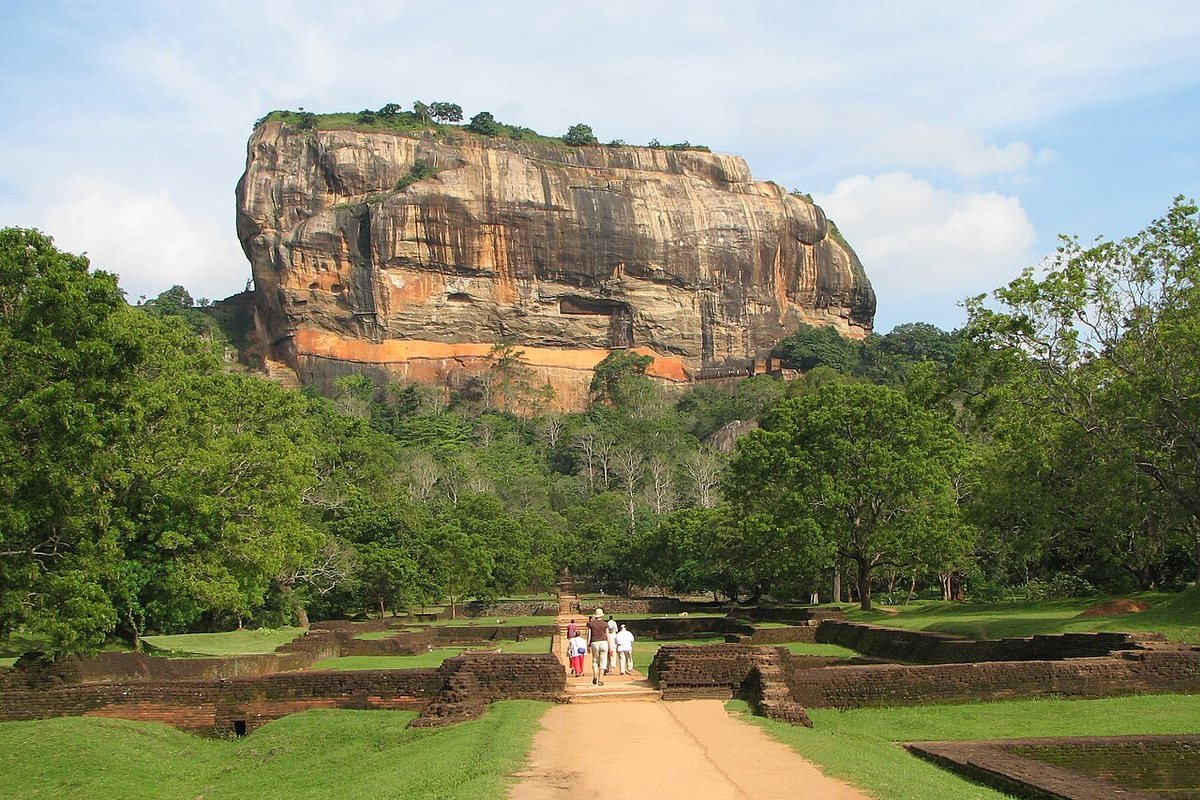
Helicopter Flight
See the cirques, the Trou de Fer and the volcano from the air on a scenic helicopter flight. Flights leave early in the morning, when the skies are clearest.
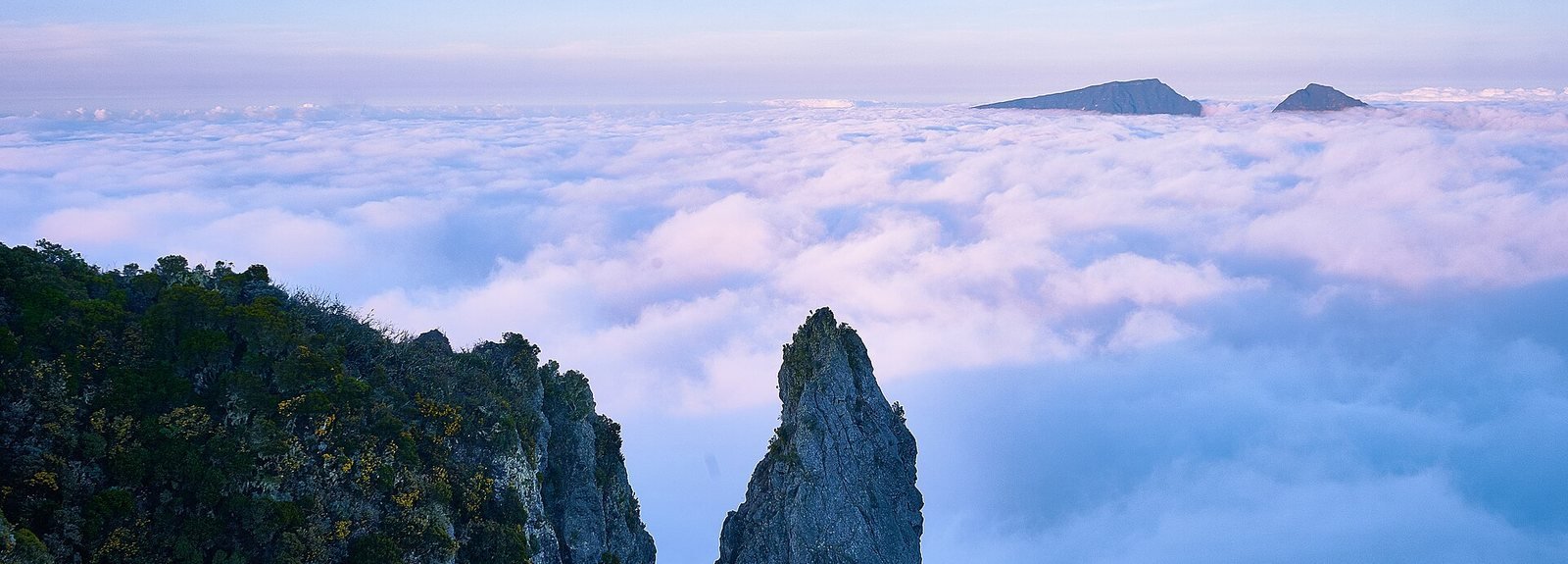
Réunion is a volcanic island in the Indian Ocean, around 200 km southwest of Mauritius. It is an overseas department of France, so it uses the euro and French is the official language, while Réunion Creole is heard everywhere. Its dramatic peaks, cirques and cliffs are a UNESCO World Heritage Site, and a national park covers around 40% of the island.
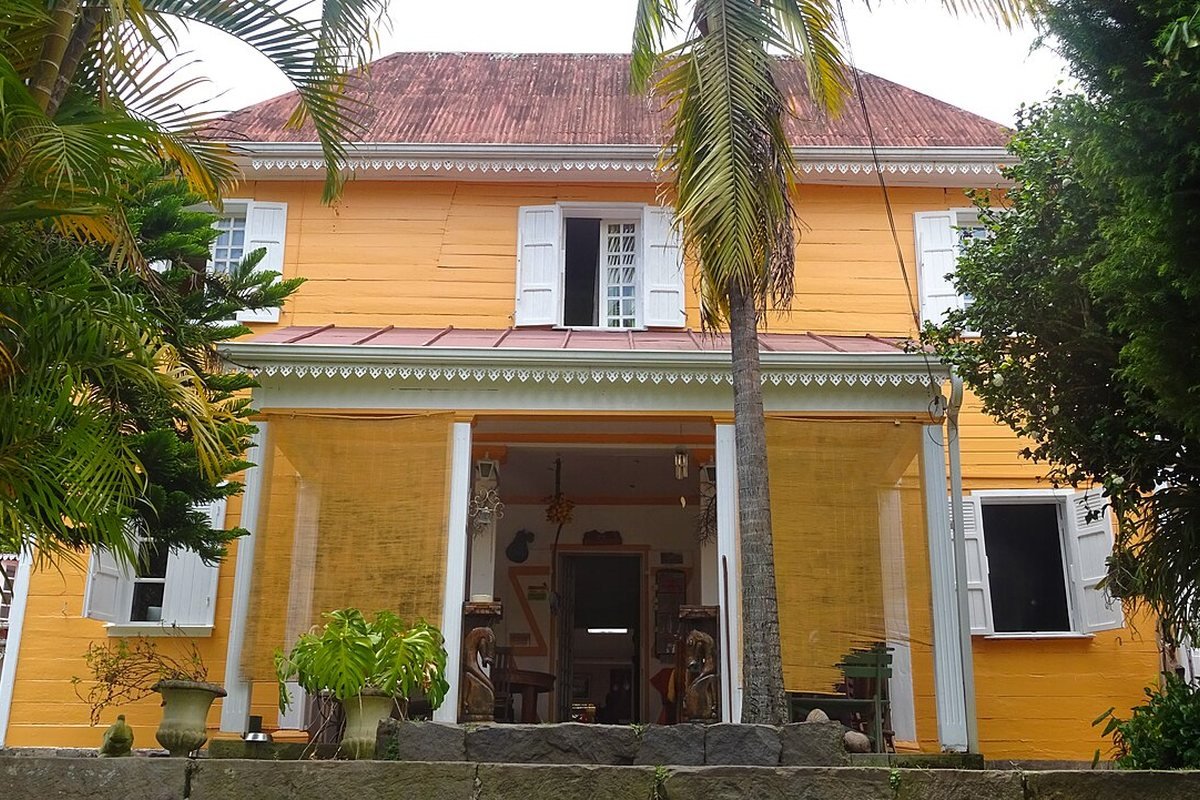
In one trip you can watch the sunrise from Piton des Neiges, walk to the crater rim of Piton de la Fournaise, explore the mountain villages of Cilaos and Salazie and end the day on a palm-fringed lagoon beach on the west coast. With its Tamil temples, Creole villas and spicy caris, Réunion also feels surprisingly familiar to Indian travellers.
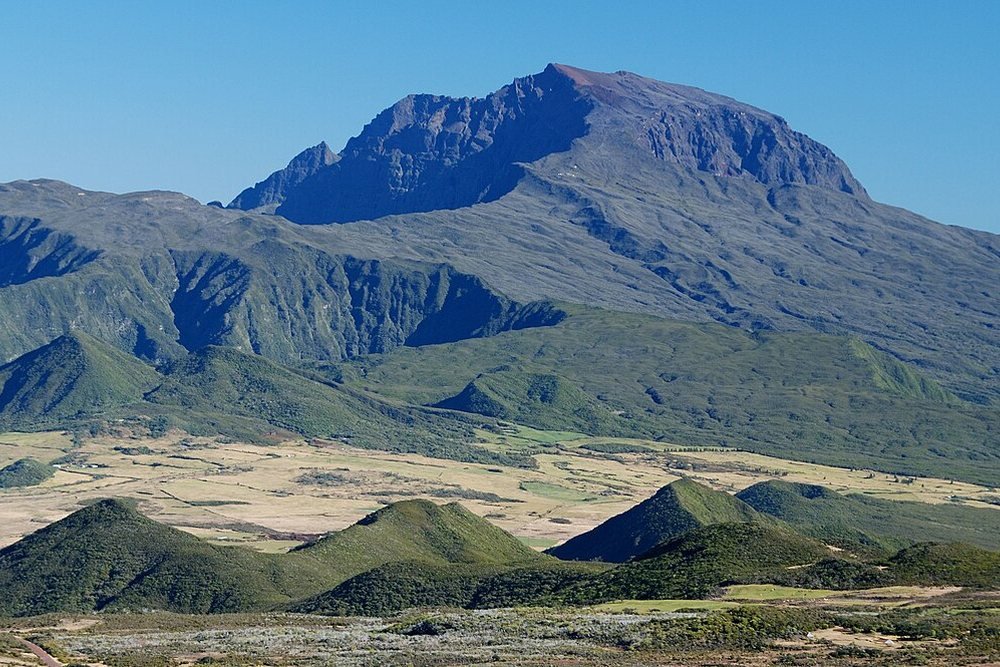
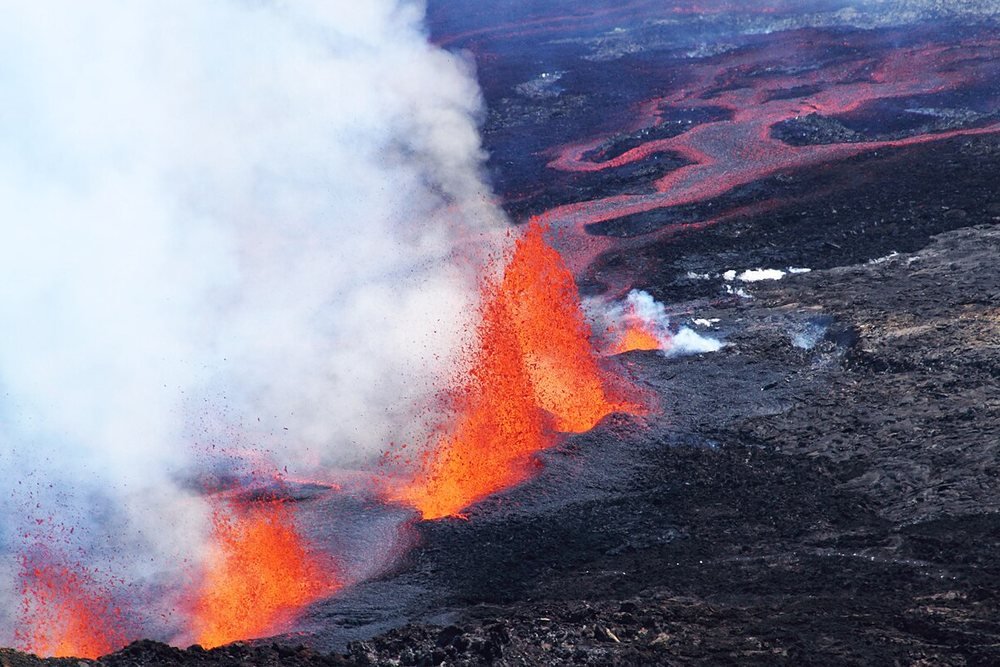
Cross the lunar Plaine des Sables and hike to the crater of Piton de la Fournaise, one of the most active volcanoes in the world.
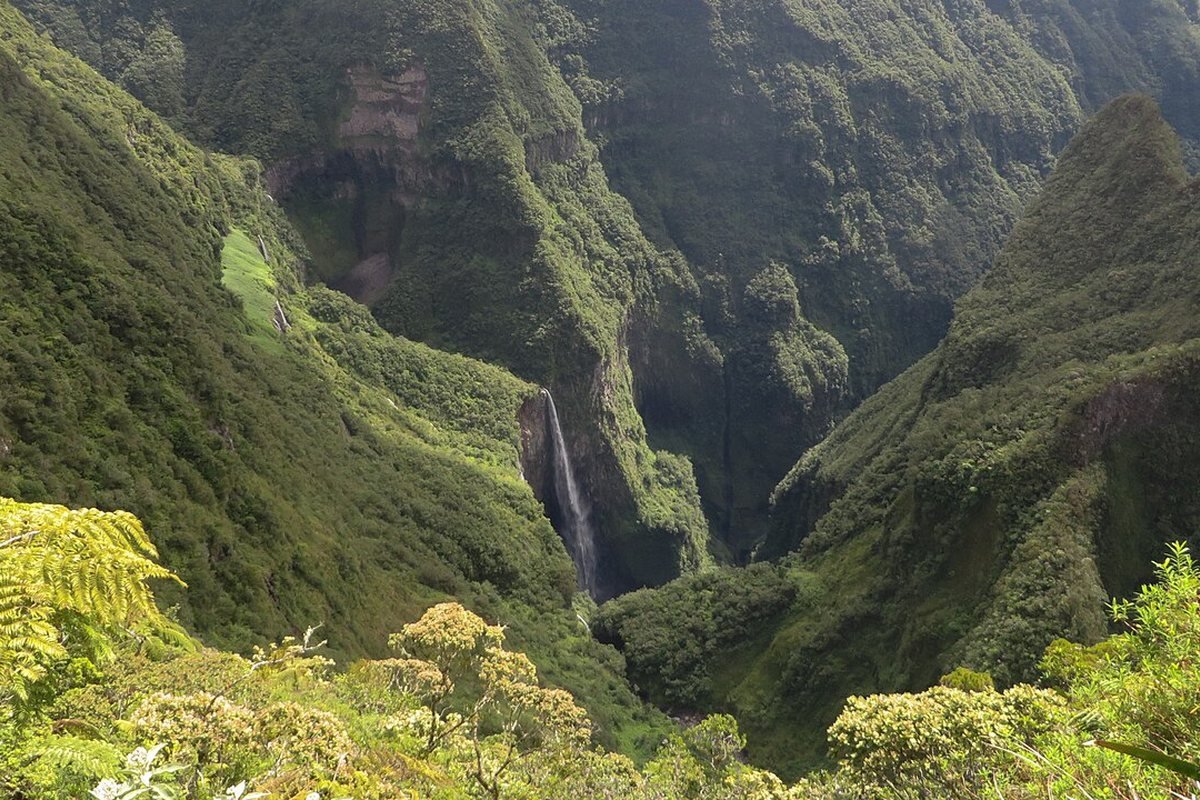
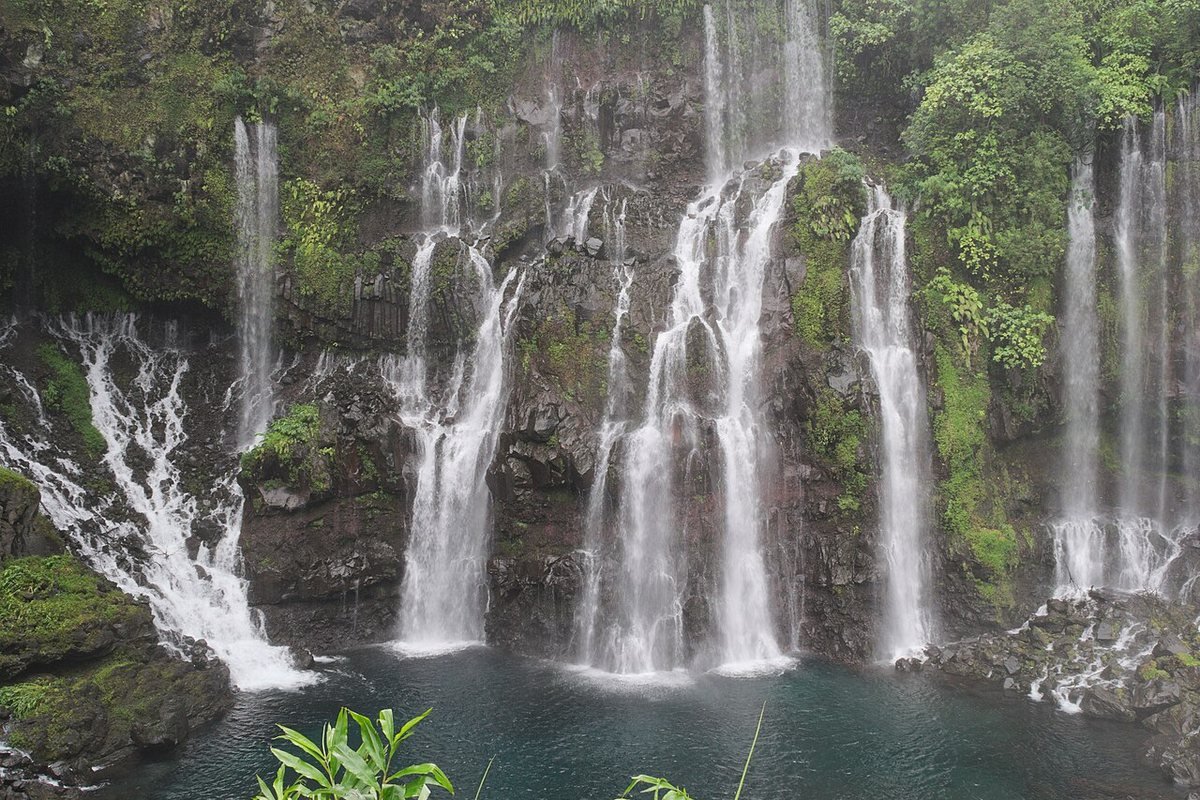
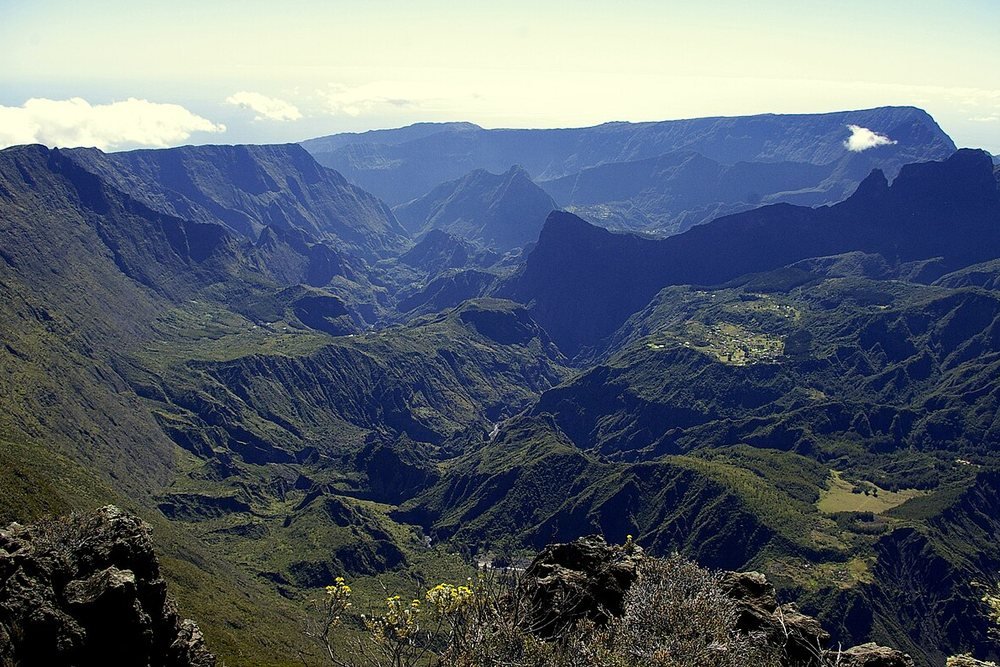
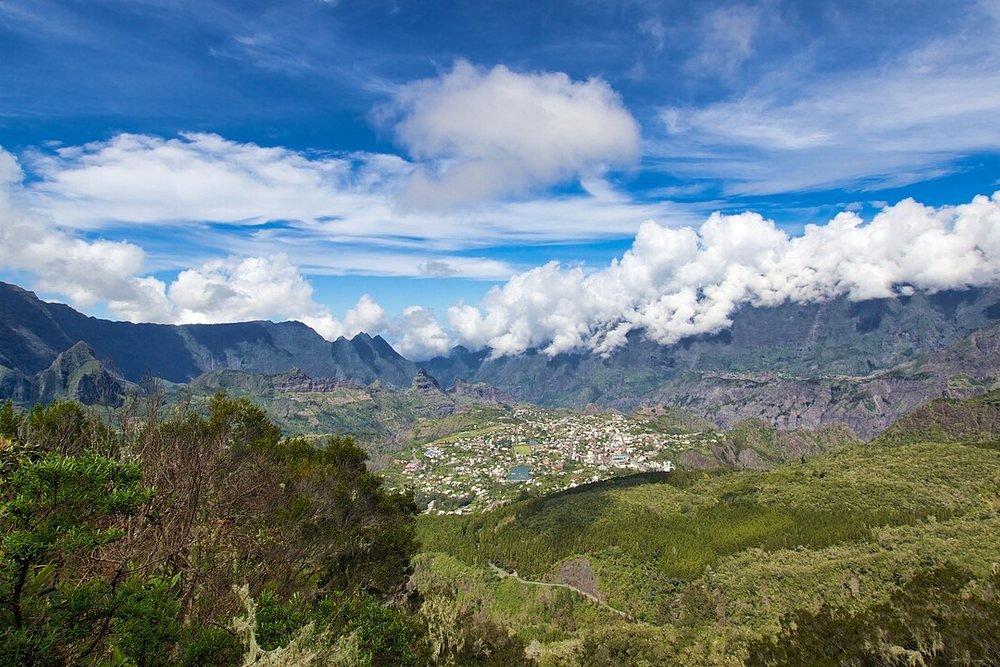
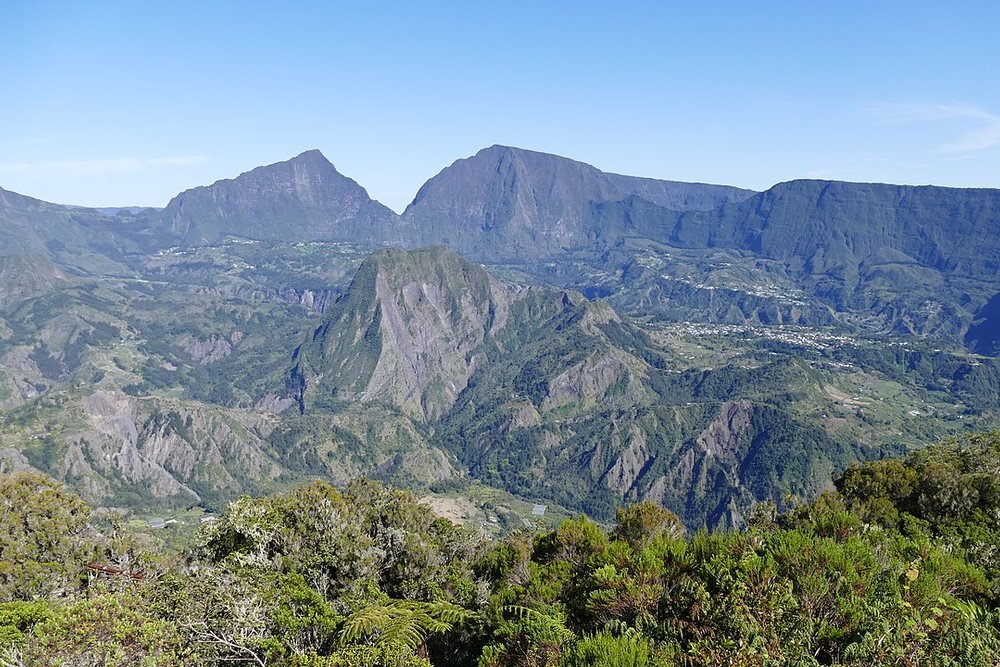
The island's peaks, cirques and ramparts are a UNESCO World Heritage Site, with deep green valleys, sheer cliffs and spectacular waterfalls.
Marked trails lead to remote villages, misty forests, waterfalls and the 3,070-metre summit of Piton des Neiges.
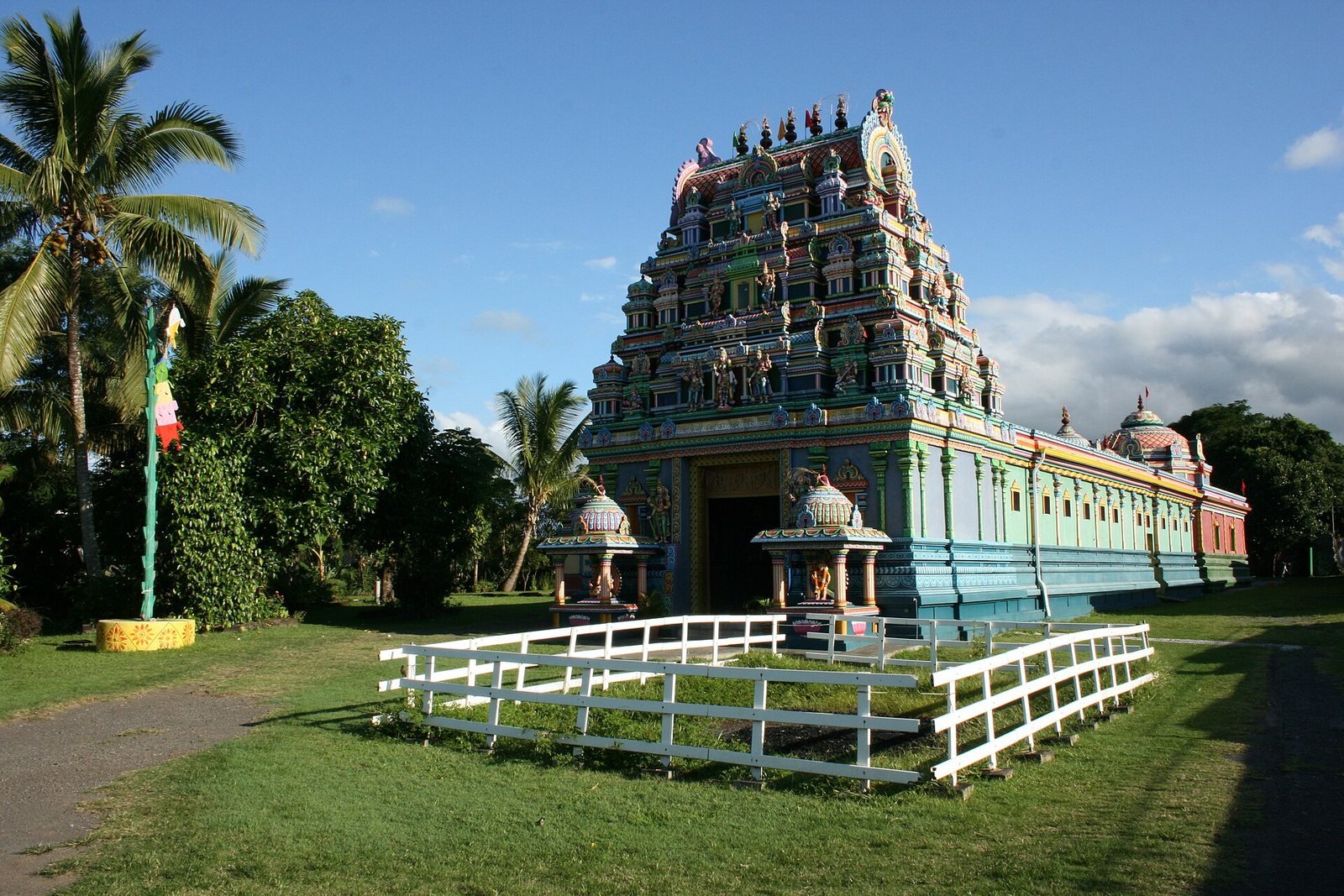
Colourful Tamil temples, Dipavali celebrations and familiar spices reflect the island's large community of Indian origin.
Snorkel in the calm coral lagoons of the west coast, and watch humpback whales offshore during the cooler months.
The scenic Route du Volcan crosses the red, moon-like Plaine des Sables to the Pas de Bellecombe viewpoint. From here, a marked trail leads down into the vast Enclos Fouqué caldera and up to the rim of the Dolomieu crater, a full-day hike across old and recent lava flows.
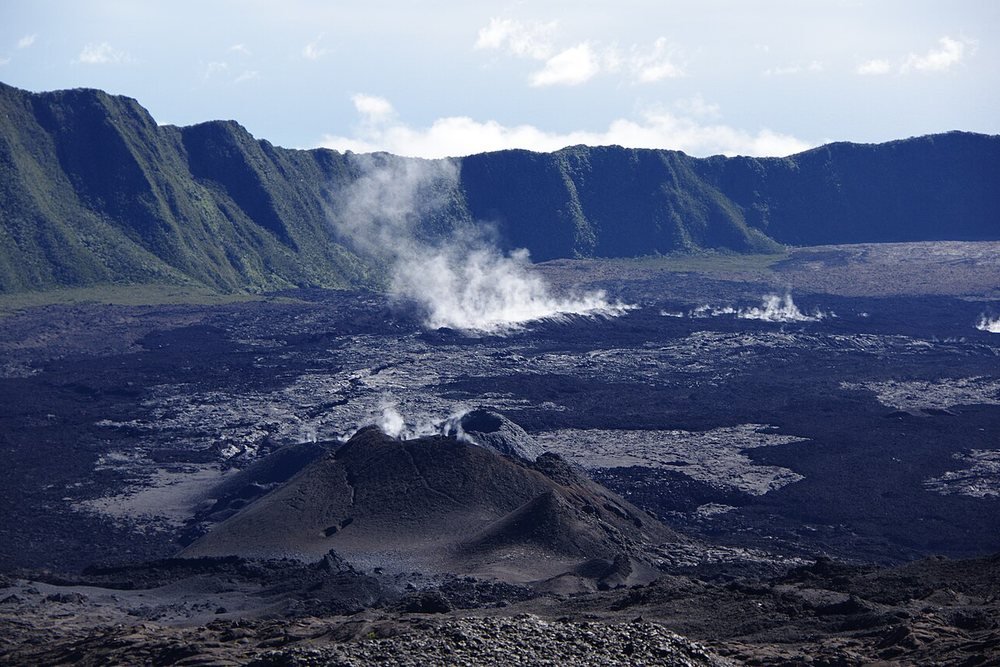
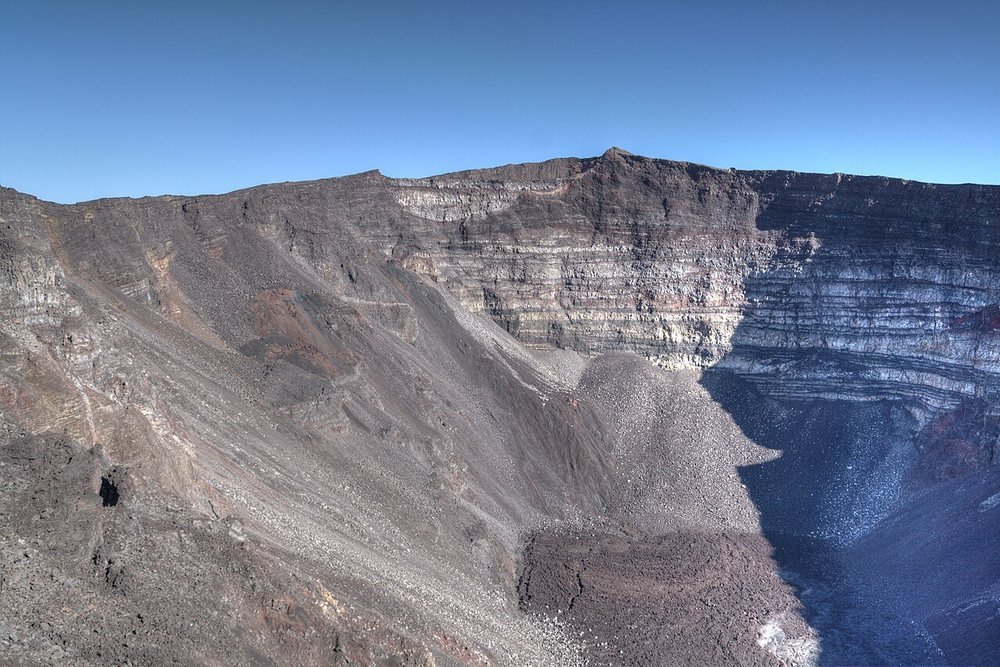
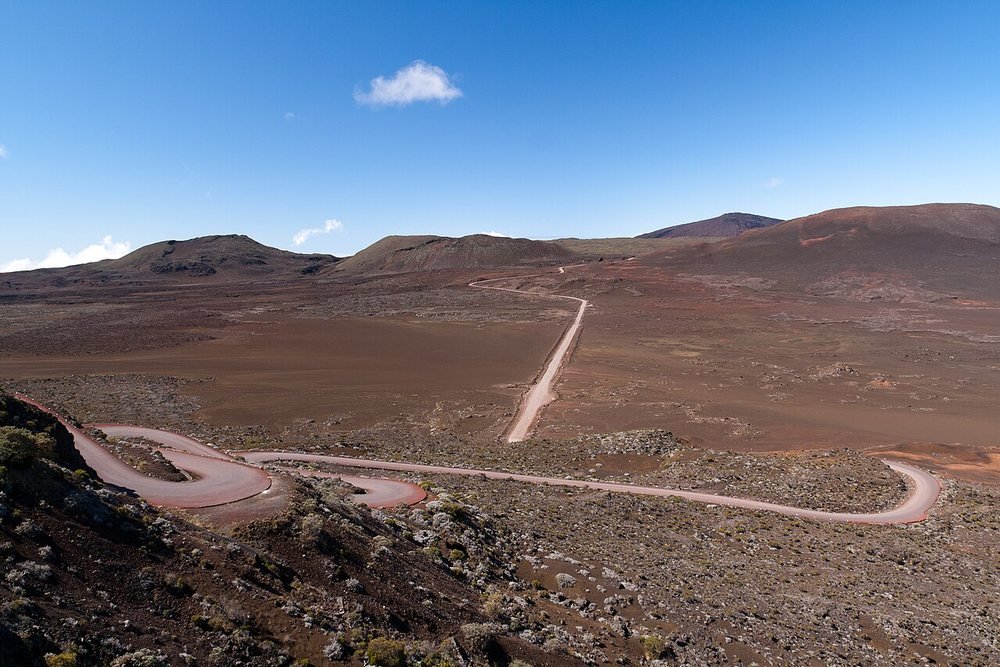
*Trails to the crater close during eruptions, so access depends on the volcano's current activity.
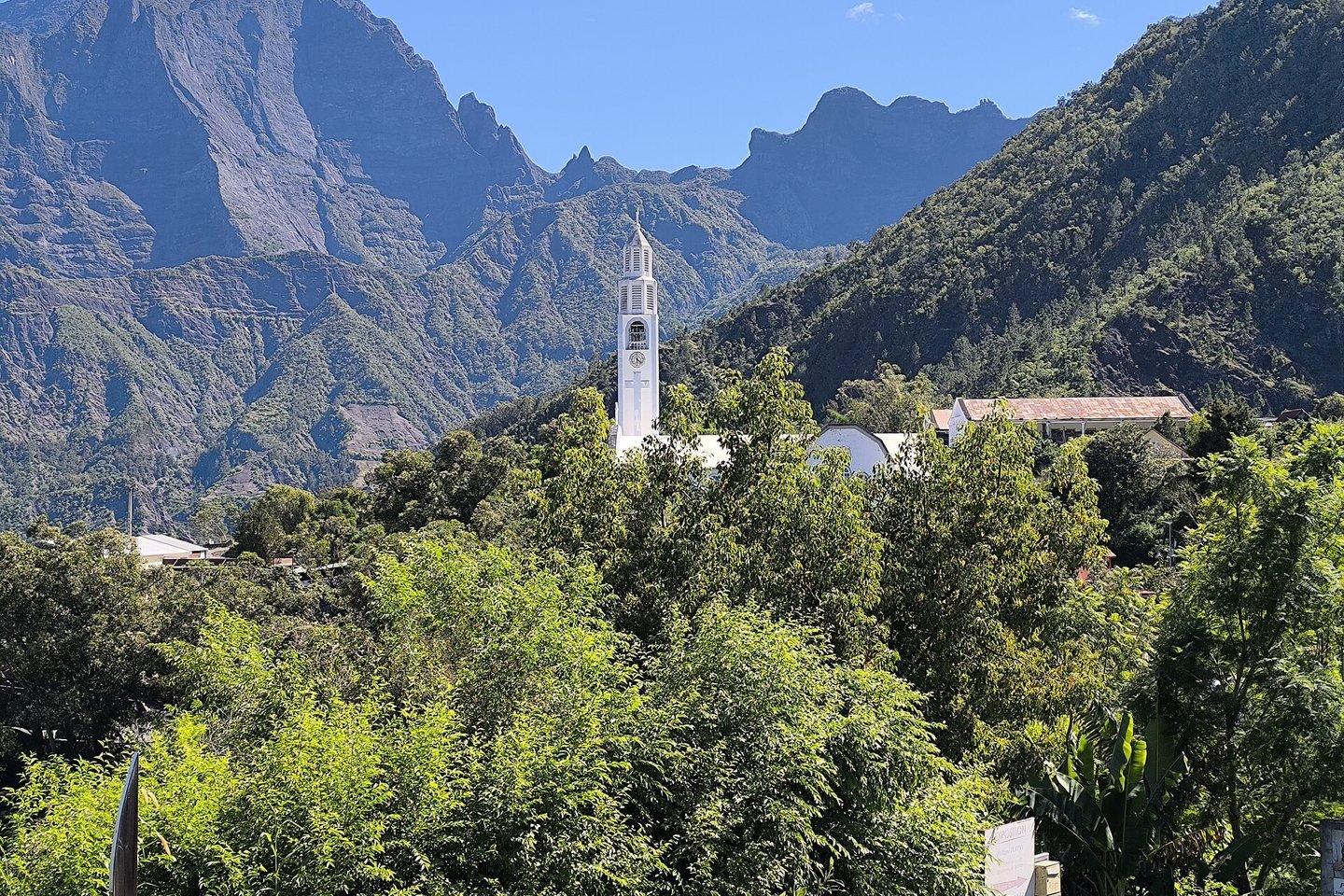
Réunion's three cirques are huge natural amphitheatres ringed by cliffs. Cilaos is known for its thermal springs, lentils and wine, Salazie for its waterfalls and the Creole village of Hell-Bourg, while Mafate has no roads at all and rewards hikers with remote hamlets and family-run gîtes.
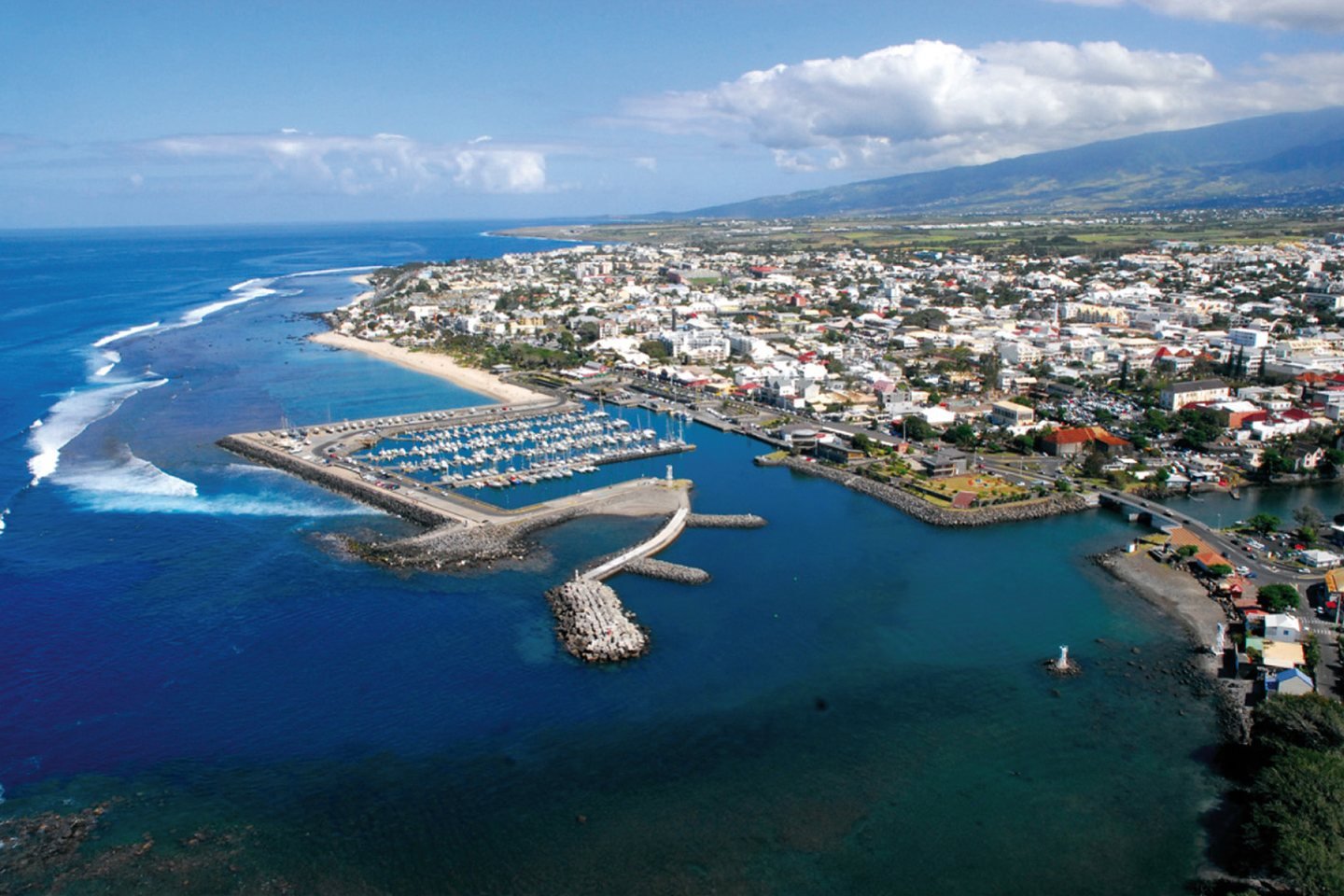
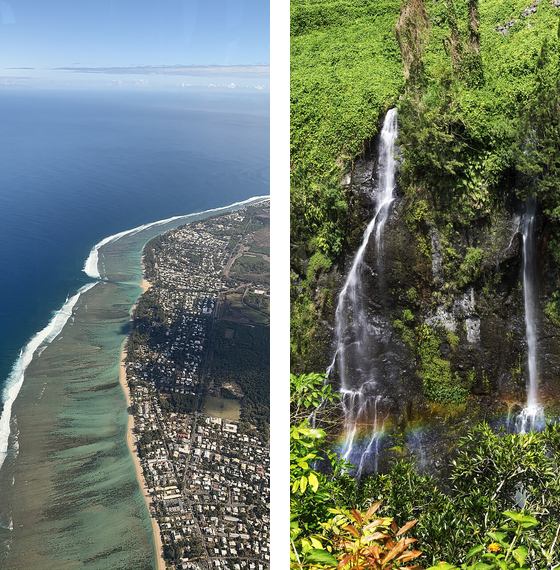
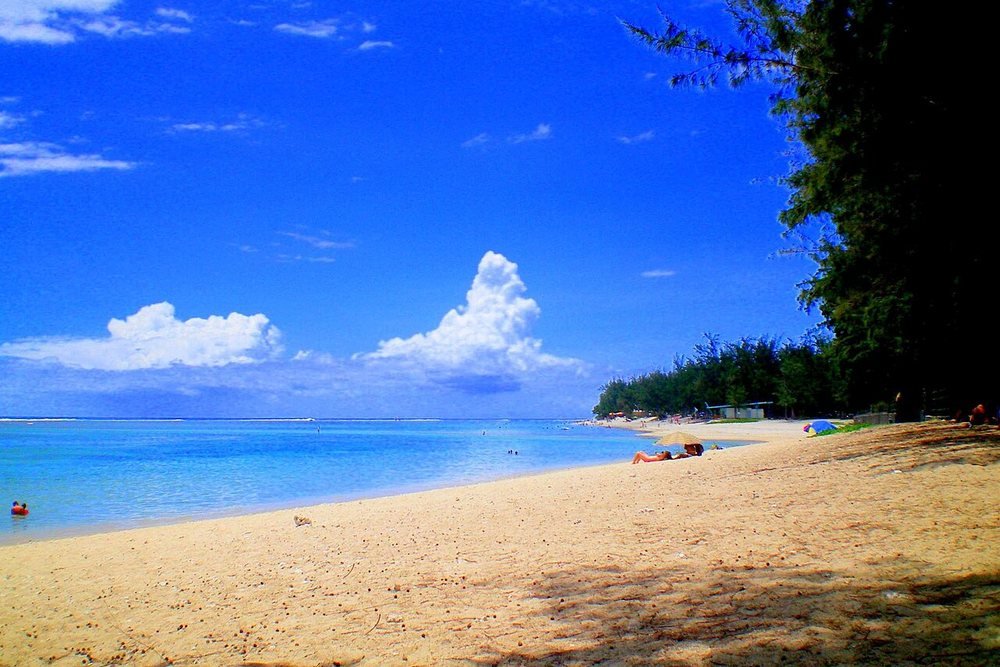
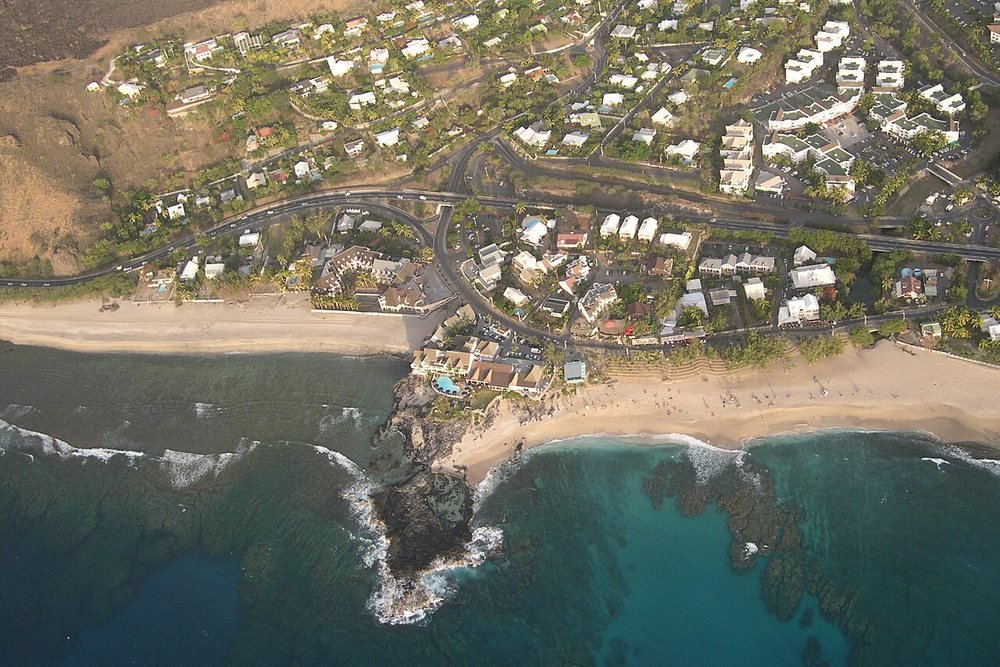
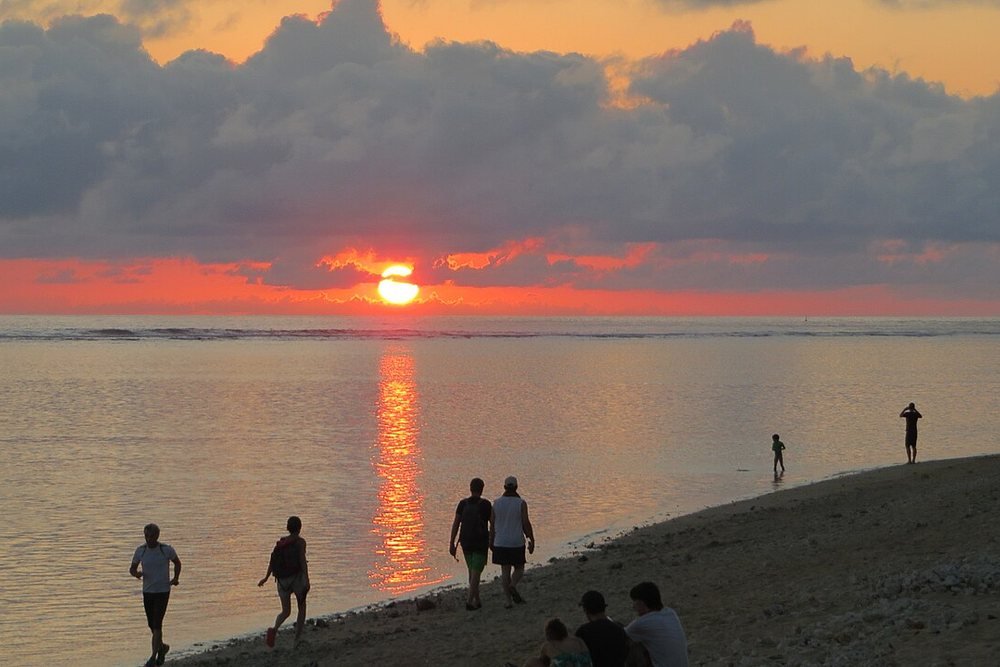
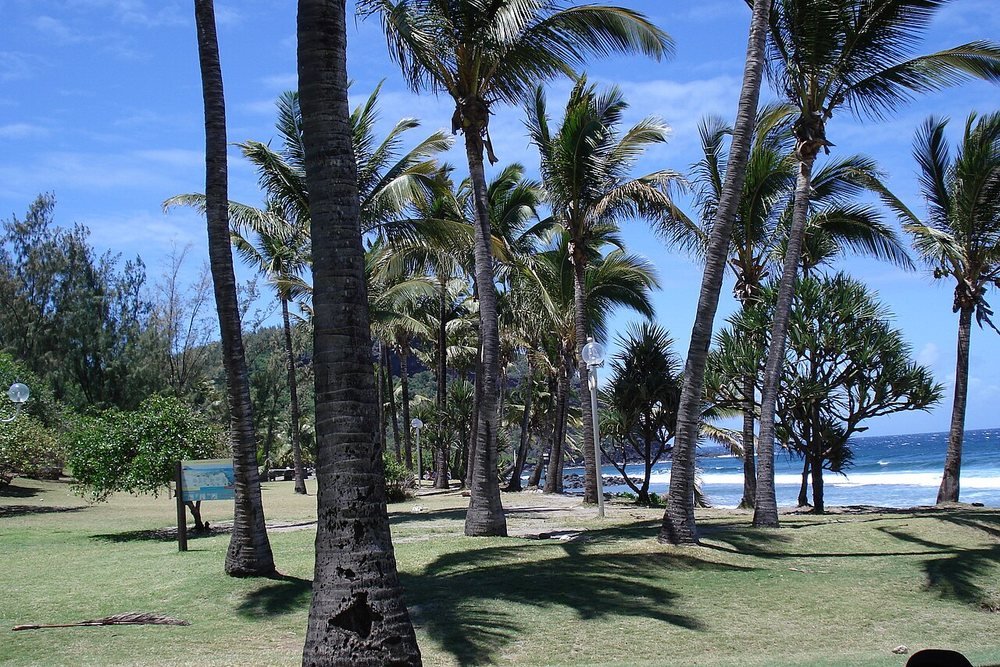
Between Saint-Gilles-les-Bains, L'Ermitage, La Saline-les-Bains and Saint-Leu, coral reefs shelter shallow lagoons with white sand, shady casuarina trees and beach restaurants. It is the island's sunniest coast and the best base for snorkelling, whale watching and sunset walks.
*Swim only in the lagoons and at supervised beaches, as swimming elsewhere on the coast is restricted because of shark risk.
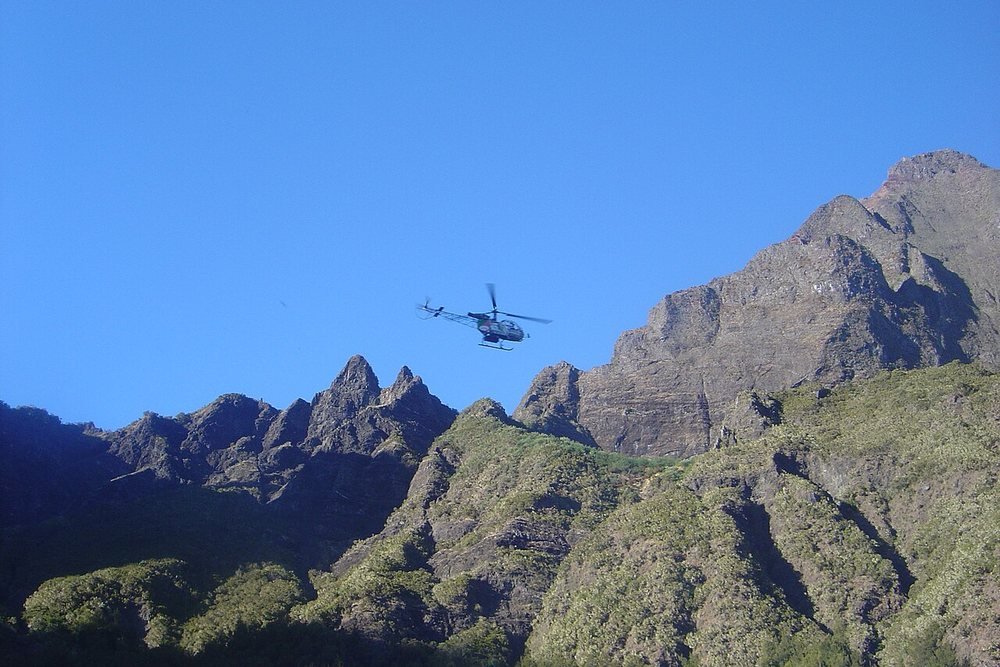
See the cirques, the Trou de Fer and the volcano from the air on a scenic helicopter flight. Flights leave early in the morning, when the skies are clearest.
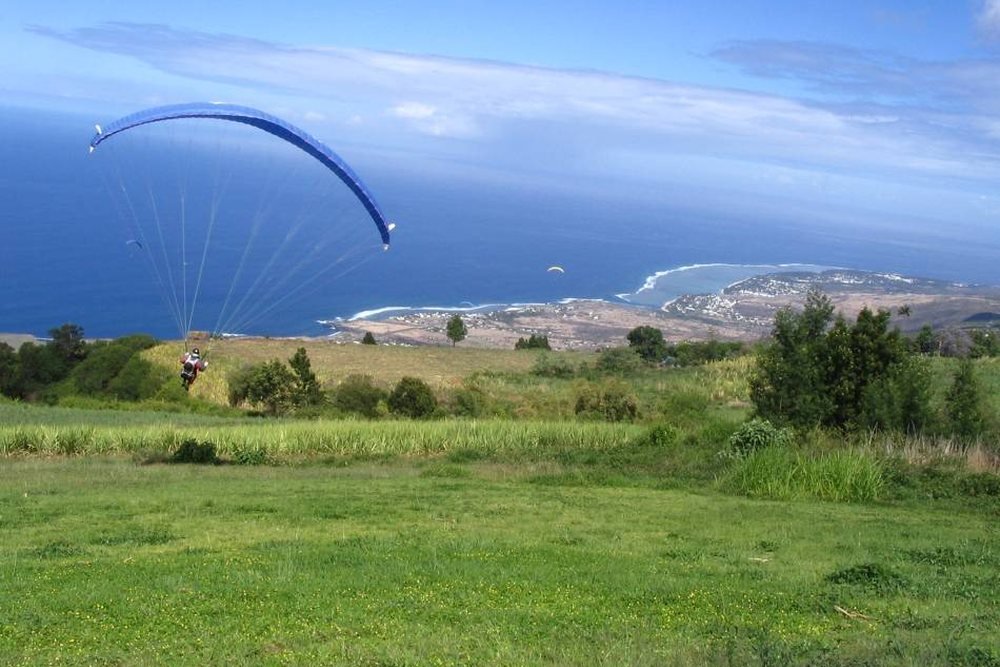
Take a tandem paragliding flight from the hills above Saint-Leu and glide down over the lagoon to land by the beach.
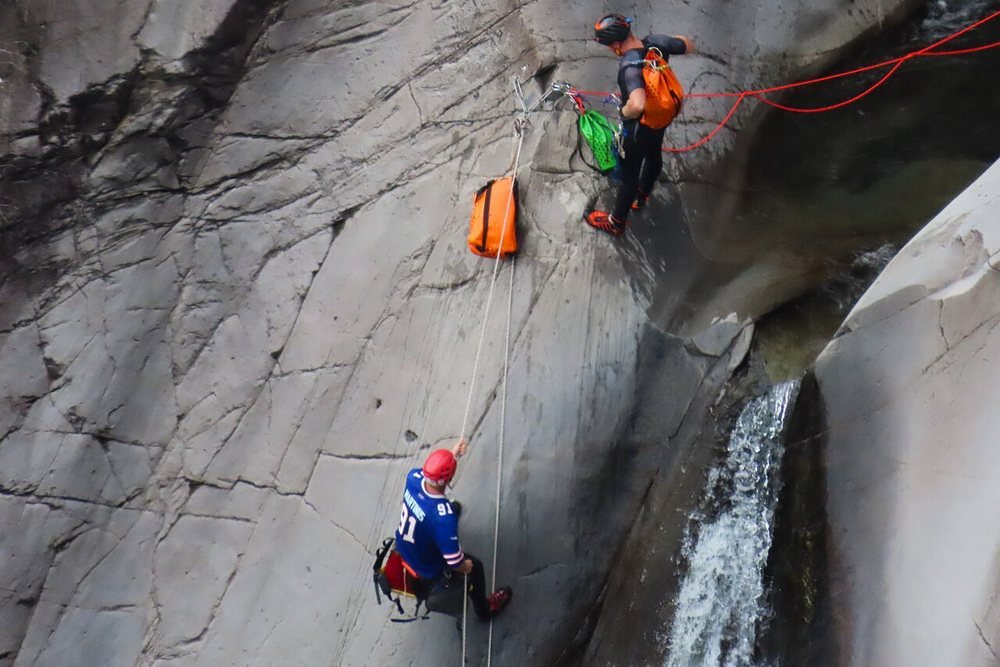
Abseil down waterfalls, slide and jump into rock pools with a qualified guide in the canyons of Cilaos and Salazie.
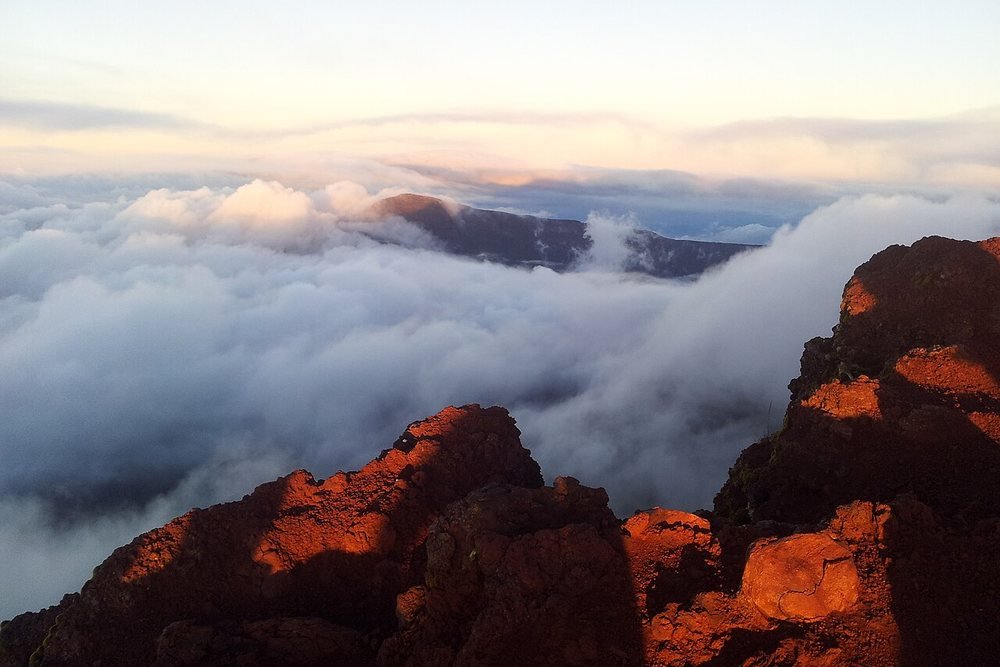
Hike up from Cilaos, spend the night in a mountain refuge and reach the summit of the island's highest peak for sunrise.
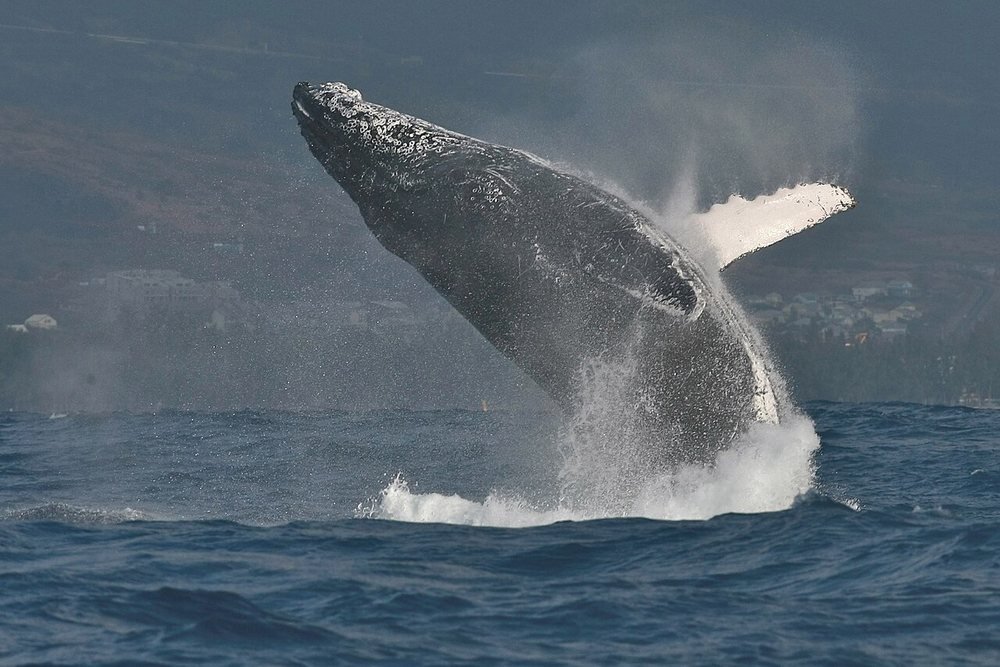
Join a boat trip from Saint-Gilles to watch humpback whales that come to the island's warm waters to breed and calve.
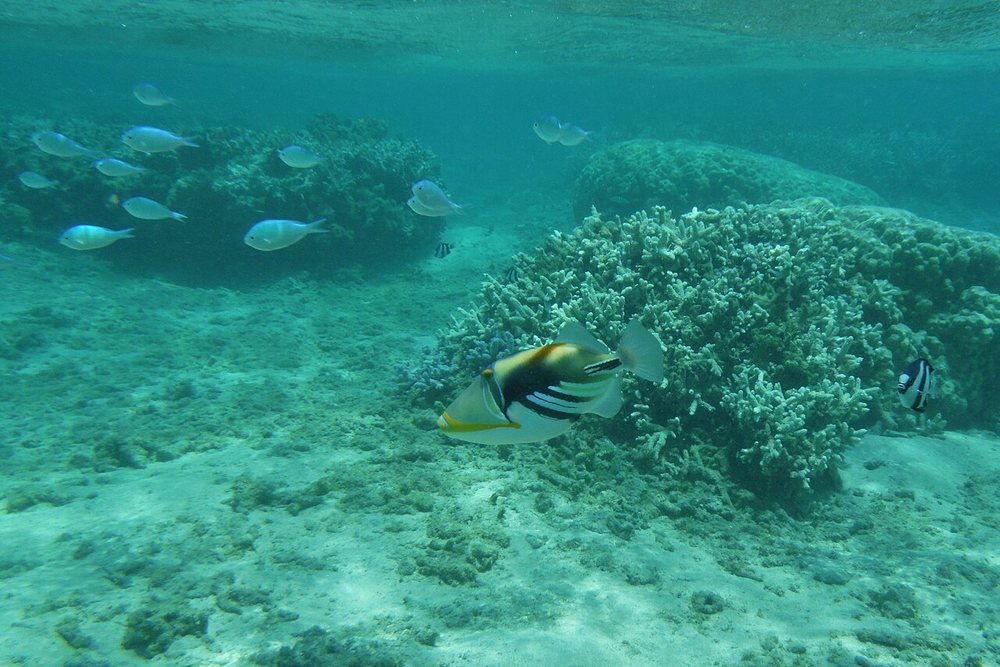
Float over coral gardens and colourful reef fish in the shallow, sheltered lagoons of L'Ermitage and Saint-Leu.
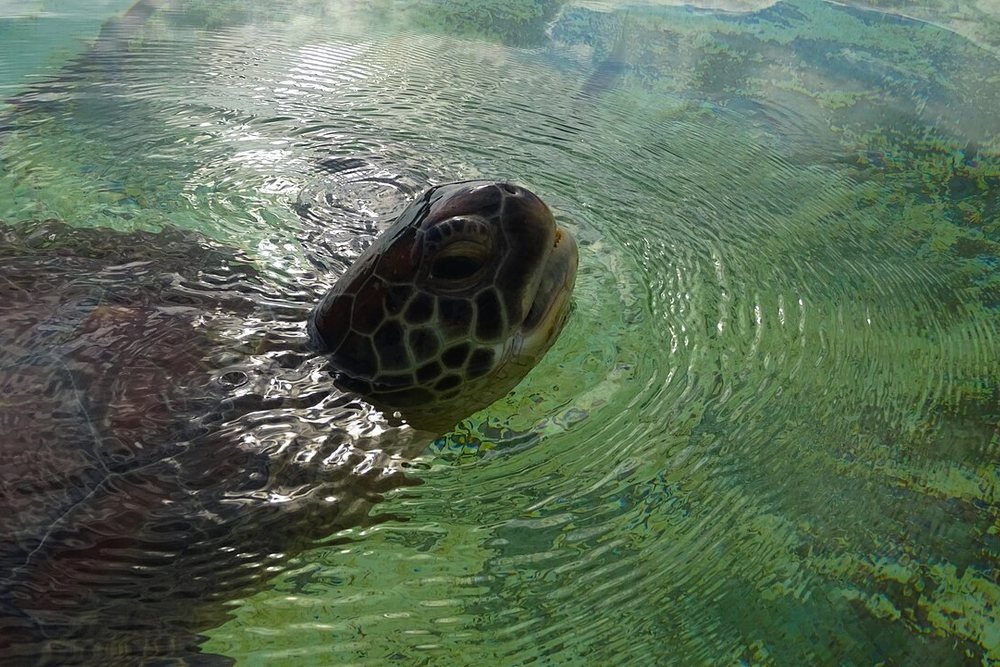
Visit Kélonia in Saint-Leu, an observatory and care centre for sea turtles with pools, exhibits and ocean views.
*Humpback whales are usually seen from about June to October, and mountain activities are most reliable in the drier months from May to November.
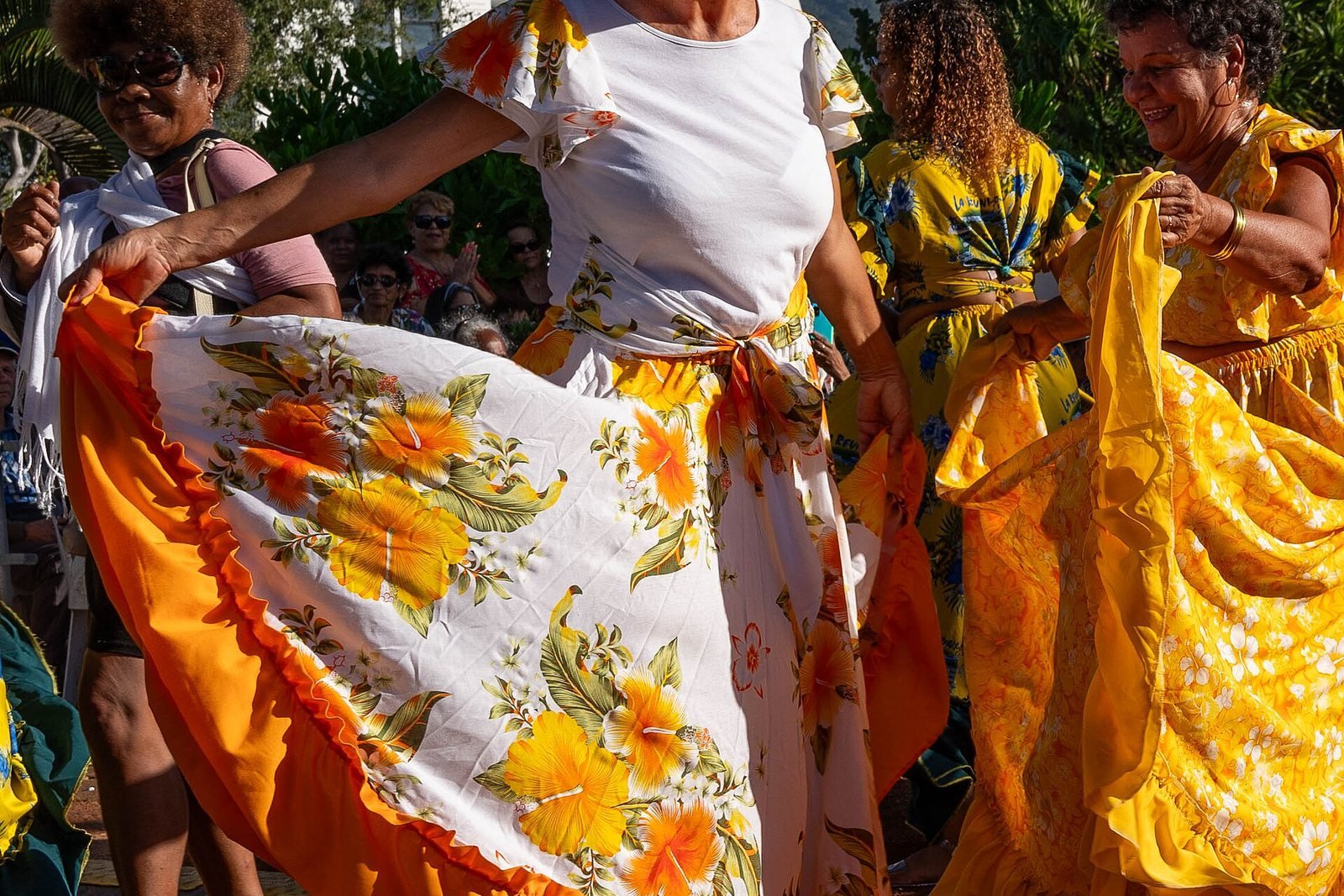
Réunion's people trace their roots to Africa, Madagascar, India, China and France, and the island celebrates them all. Tamil temples hold colourful festivals such as Dipavali, Cavadee and fire-walking ceremonies, churches and mosques stand side by side, and maloya, the island's traditional music and dance, is recognised by UNESCO as Intangible Cultural Heritage.
Réunion has two main seasons. The cooler, drier austral winter from May to November is the best time for hiking, the volcano and whale watching. The hot, humid summer from December to April brings heavy rain in the mountains and on the east coast, with cyclones possible mainly between January and March.
The coast is warm all year, with temperatures of about 18°C to 26°C in winter and 23°C to 31°C in summer. The mountains are much cooler, and nights near the summits can drop close to freezing. The west coast is the sunniest and driest side of the island.
Peak Season: July and August and the year-end holidays, when French school holidays bring more visitors and hotels fill quickly.
Off-Peak Season: January to March, the hottest and wettest months, when there are fewer visitors and better hotel offers.
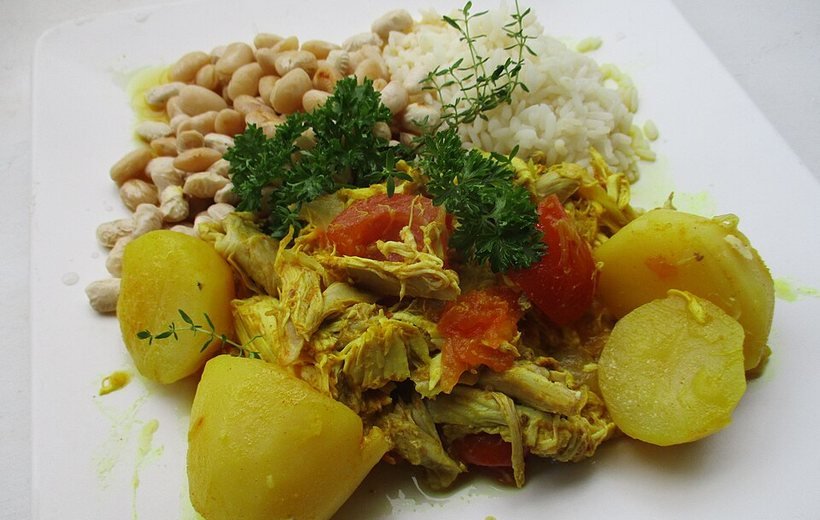
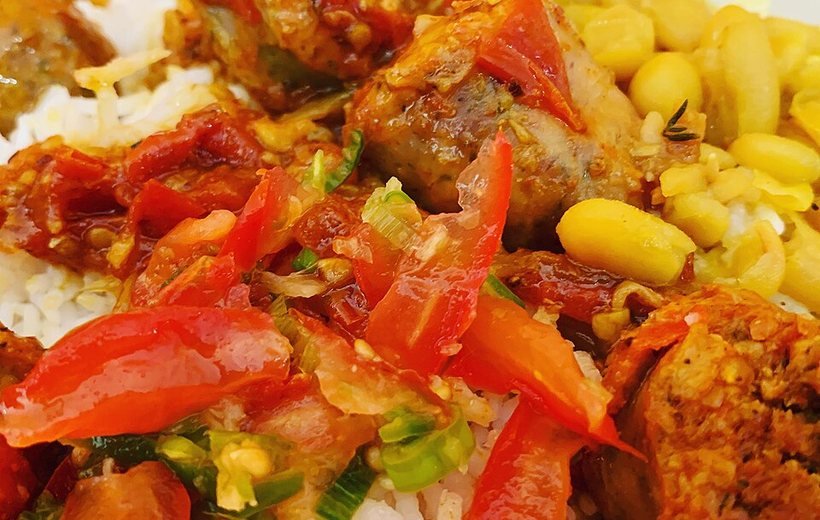
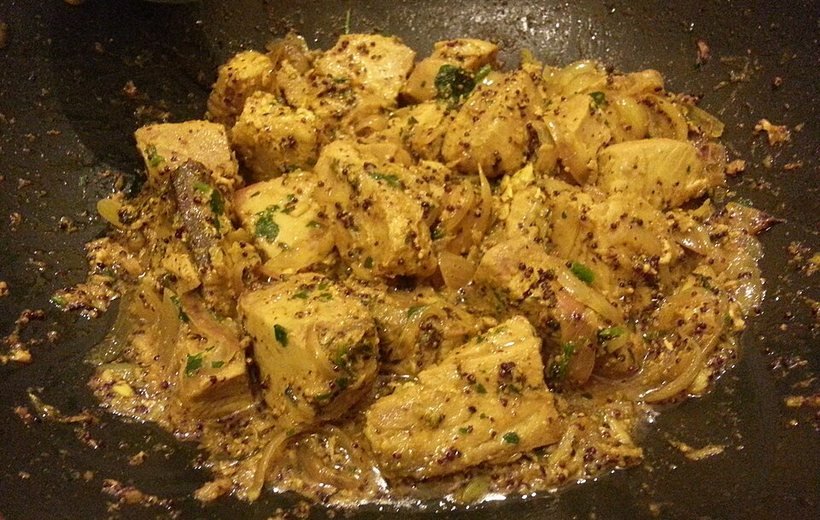
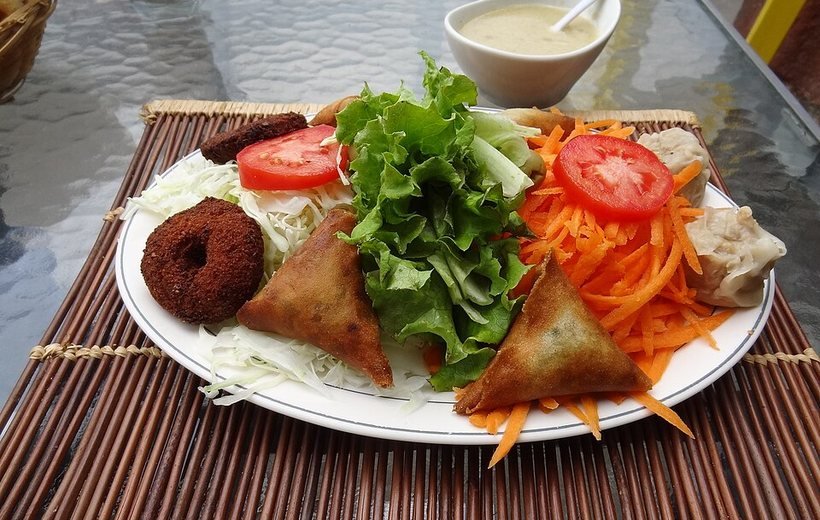
Creole cooking in Réunion is built on rice, grains and the cari, a curry slow-cooked with turmeric, garlic, ginger and thyme. Indian flavours run through the food, from massalé and vindaye to crisp samoussas, alongside Chinese-style bouchons and smoky rougail saucisse. Vegetarian travellers will find lentil and vegetable dishes, though most caris feature meat or fish.
Réunion lies in the Indian Ocean, around 200 km southwest of Mauritius. Most visitors fly into Roland Garros Airport near Saint-Denis in the north. A coastal road circles the island, and mountain roads climb to Cilaos, Salazie and the volcano.
IndiGo flies direct from Chennai to Saint-Denis in about six hours. From other Indian cities, connect via Chennai or fly to Mauritius and take the short hop to Réunion, which takes under an hour.
Réunion is part of France but outside the Schengen area. Indian passport holders need a visa, though package trips of up to 15 days through an approved tour operator can be visa-exempt. Check current requirements; we assist with visas.
A private car with a driver is the easiest way to explore the winding mountain roads. Car Jaune buses link the coastal towns, and there are no roads into Mafate, which is explored on foot.
May to November is the best time, with cooler, drier weather that is ideal for hiking, the volcano and whale watching. September to November is especially pleasant. December to April is hot and rainy, with a risk of cyclones.
Yes, Indian passport holders generally need a visa, as Réunion is outside the Schengen area. Package trips of up to 15 days arranged through an approved tour operator can be visa-exempt, and some holders of multiple-entry French visas are also exempt. Rules change, so check current requirements; we assist with visas.
IndiGo operates direct flights from Chennai to Saint-Denis, taking about six hours. You can also fly to Mauritius and take a short connecting flight of under an hour to Réunion.
Six to eight days lets you see the volcano, Cilaos and Salazie and spend time on the west coast lagoons. Keen hikers who want to trek in Mafate or climb Piton des Neiges should plan a little longer.
Yes. The two islands are linked by frequent short flights, so a combined trip with the mountains of Réunion and the beaches of Mauritius is easy to plan.
Swim in the lagoons and at supervised beaches, such as L'Ermitage, La Saline-les-Bains and Saint-Leu. Swimming and surfing outside these areas are restricted because of shark risk, so always follow local signs.
French is the official language and Réunion Creole is widely spoken. English is less common than in Mauritius, so a few French phrases help. The currency is the euro.
Pack light summer clothes and swimwear for the coast, plus warm layers, a rain jacket and sturdy hiking shoes for the mountains, where early mornings can be cold. Sunscreen and a hat are essential.

: Subscribe to our newsletter and be the first to know about exclusive offers, new destinations, and travel tips.