Glacier Hiking
Strap on crampons and walk across a glacier with a certified guide at Sólheimajökull or Skaftafell.
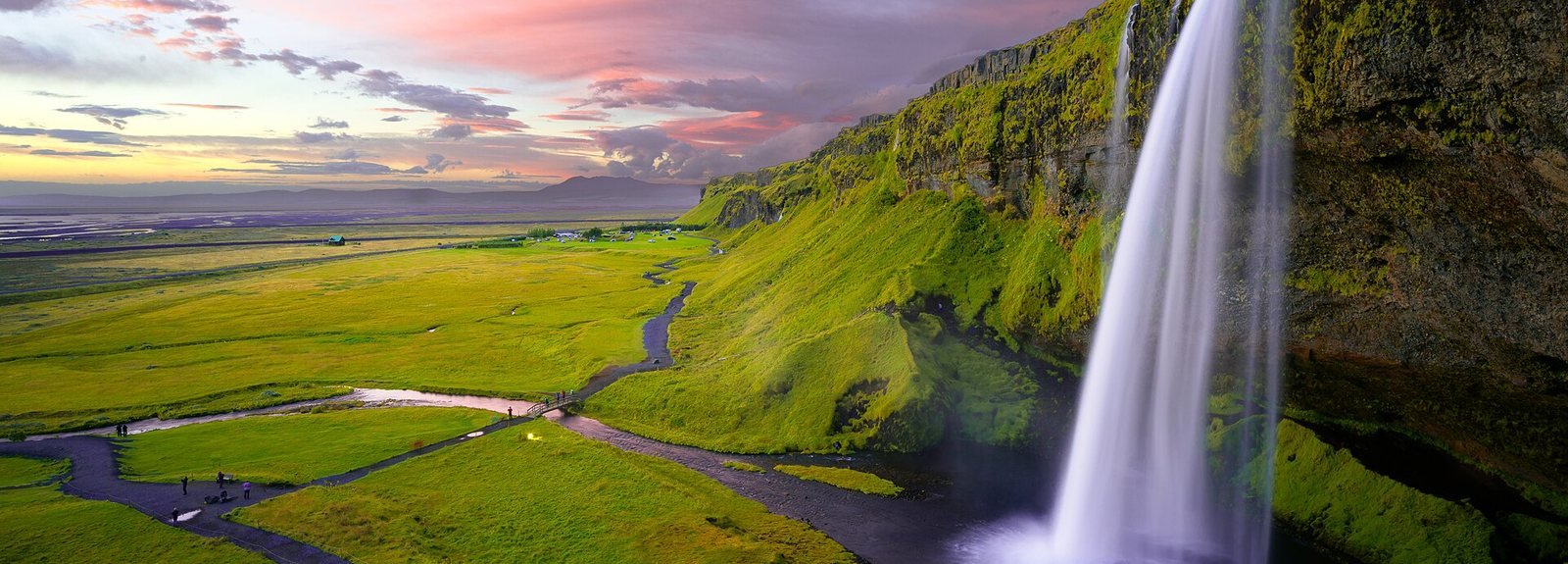
Iceland is a Nordic island nation in the North Atlantic, on the edge of the Arctic Circle. Shaped by volcanoes and glaciers, it is a land of thundering waterfalls, black sand beaches, steaming geothermal fields and vast ice caps, with wide open roads and very few people.
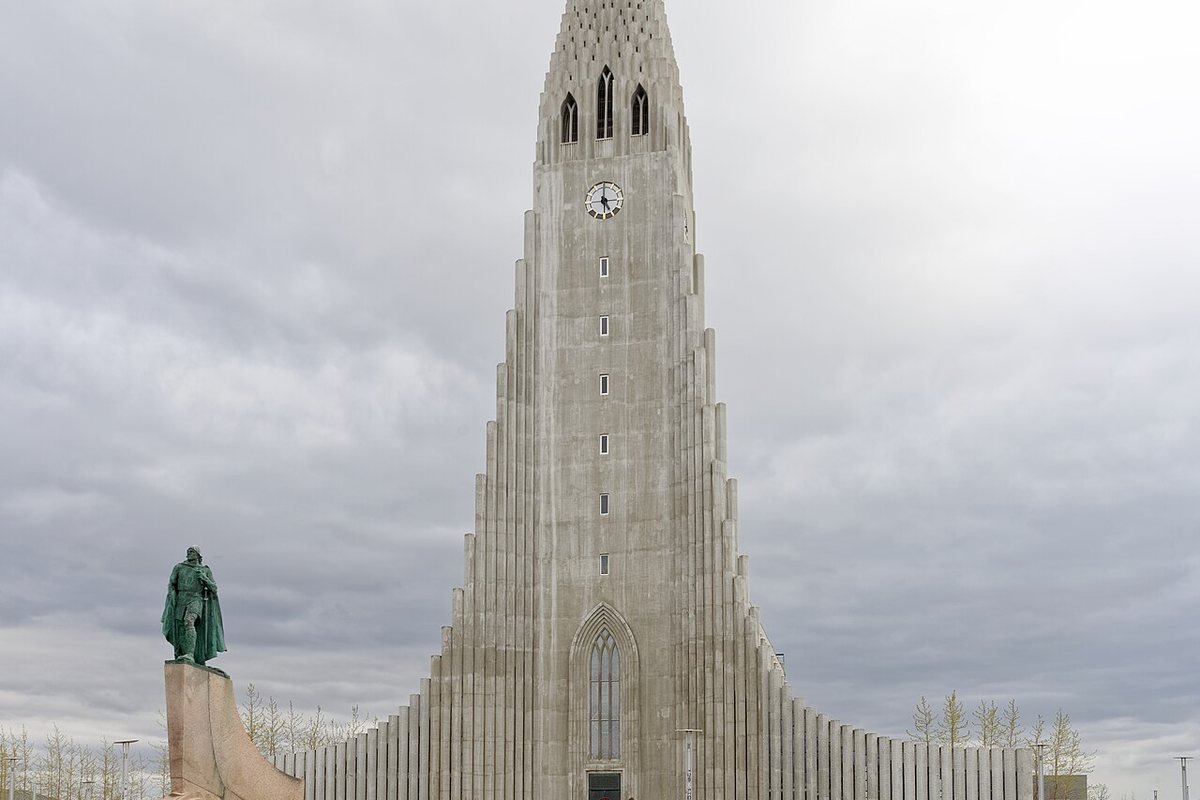
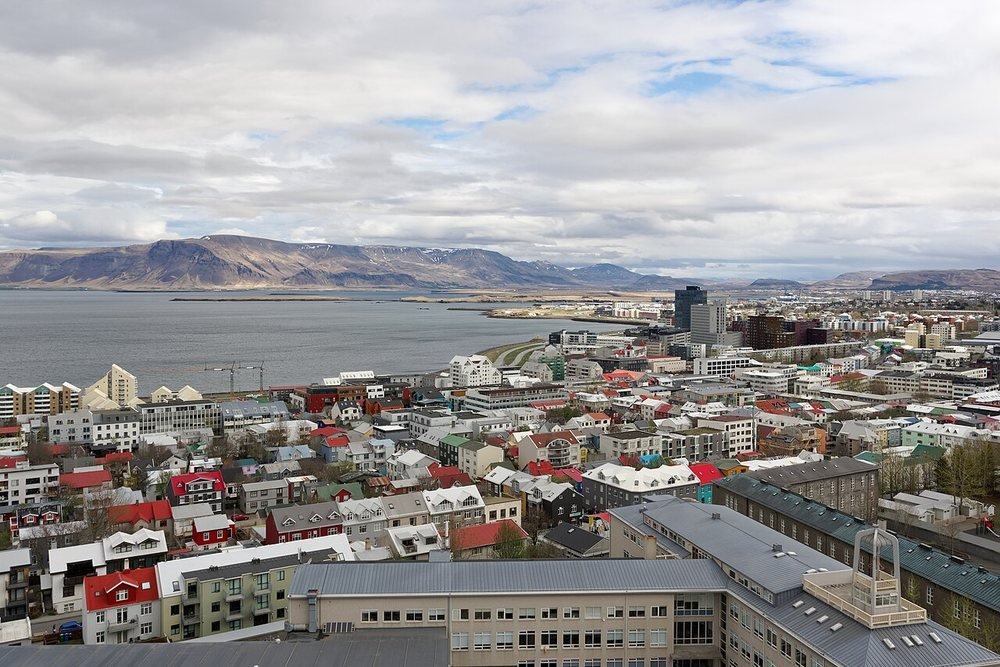
Most journeys begin in Reykjavík, the northernmost capital of any independent country, with its colourful houses and the soaring Hallgrímskirkja church. From here, explore the geysers and waterfalls of the Golden Circle, relax in the milky blue waters of the Blue Lagoon, drive the south coast to the icebergs of Jökulsárlón and watch the Northern Lights dance across the winter sky.
See glaciers, volcanoes, lava fields, geysers and black sand beaches, often all in a single day's drive.
Watch the aurora borealis light up the dark, clear skies on winter nights, from about September to April.
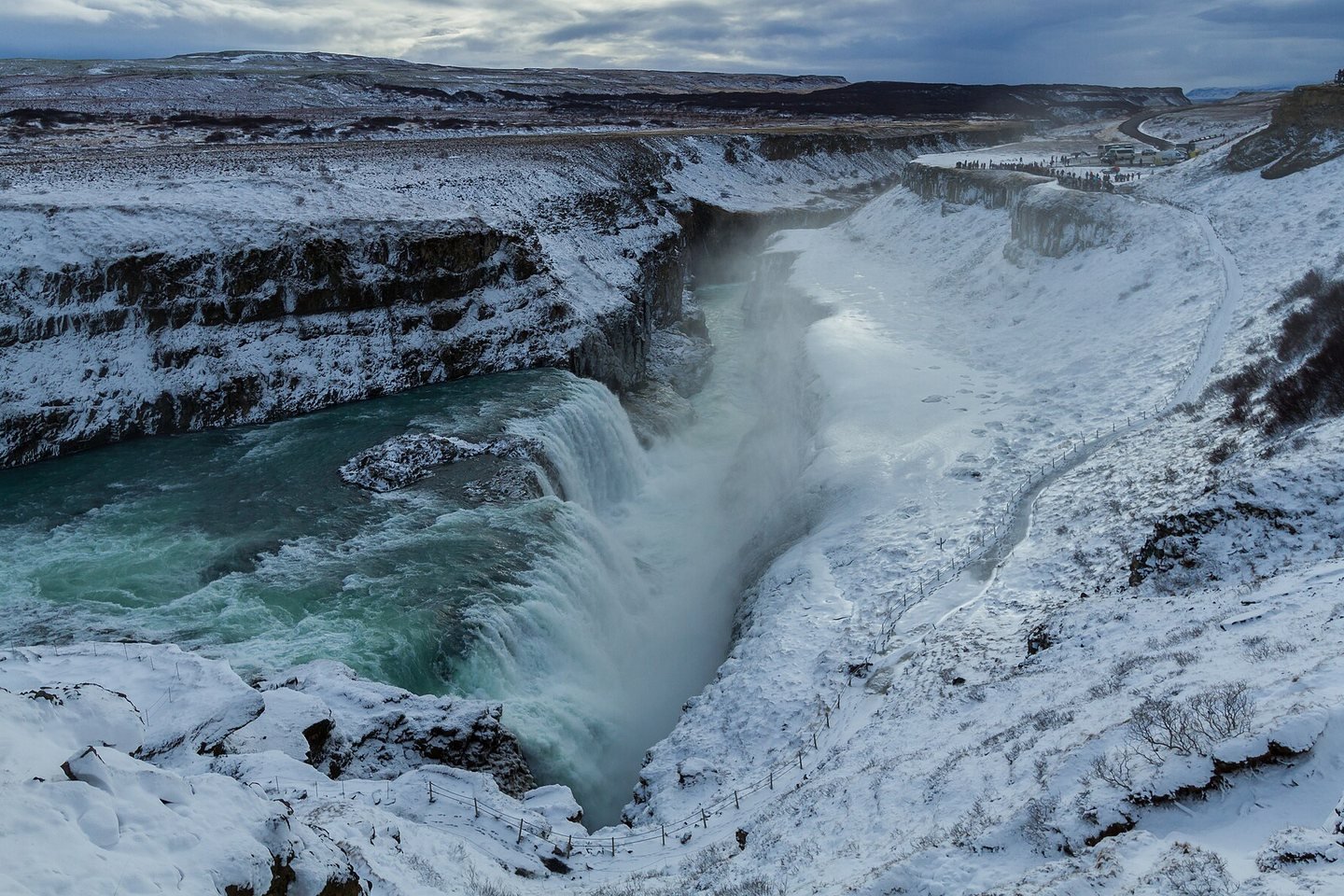
Visit Gullfoss, walk behind Seljalandsfoss and feel the spray of the mighty Skógafoss on the south coast.
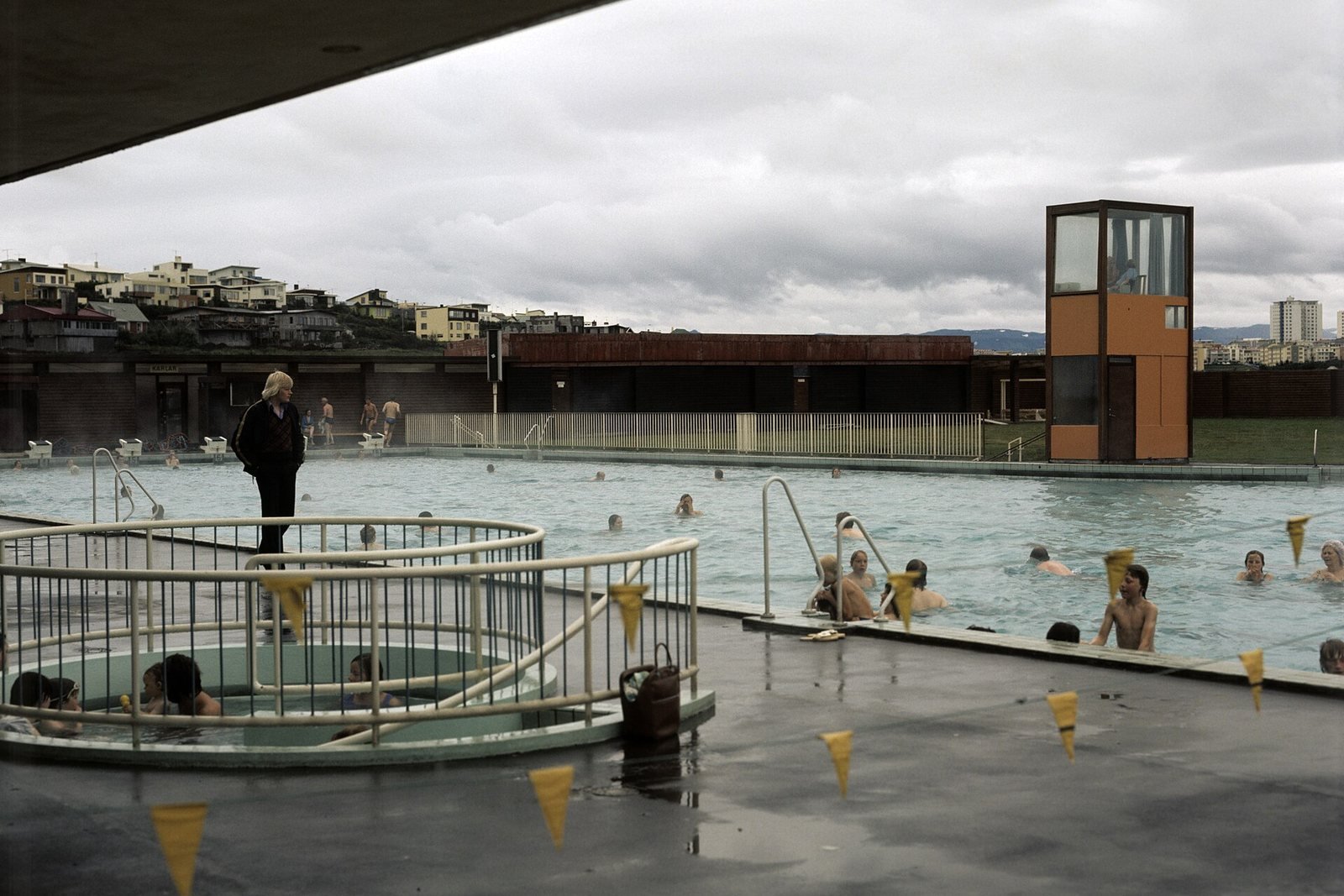
Soak in warm, mineral-rich waters at the Blue Lagoon and in the heated outdoor pools found in almost every Icelandic town.
Hike on a glacier, explore a blue ice cave, snorkel between two tectonic plates and spot whales and puffins.


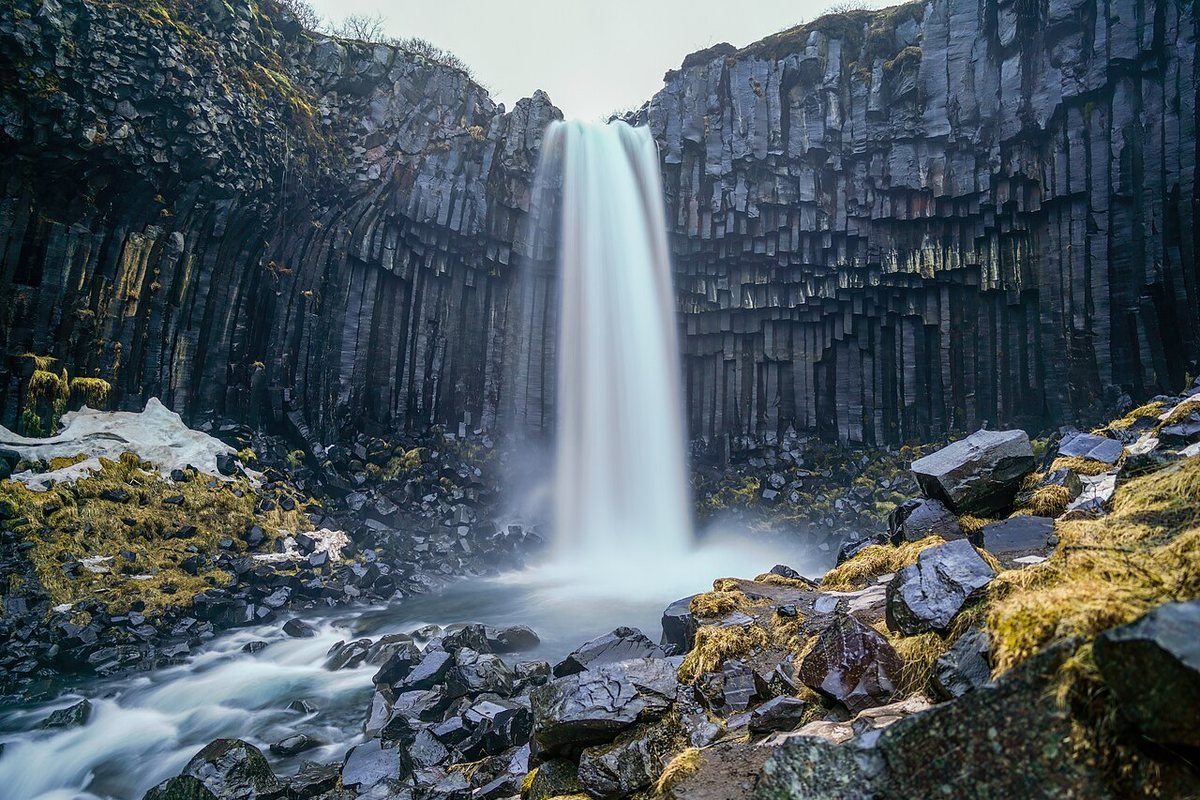
Iceland's classic day trip from Reykjavík links three famous sights. Walk through the rift valley of Þingvellir National Park, a UNESCO World Heritage Site where Iceland's parliament first met in 930 AD, watch Strokkur geyser erupt every few minutes at Geysir, and stand above the two-tiered Gullfoss waterfall.
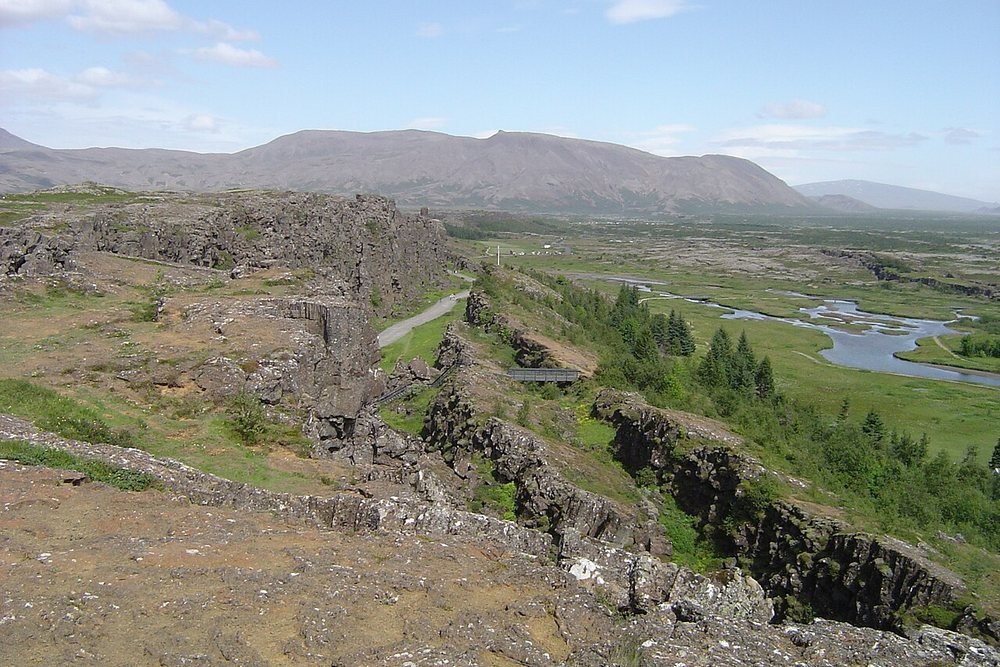


*The Golden Circle can be visited all year; in winter, daylight is short and roads can be icy, so guided tours are recommended.
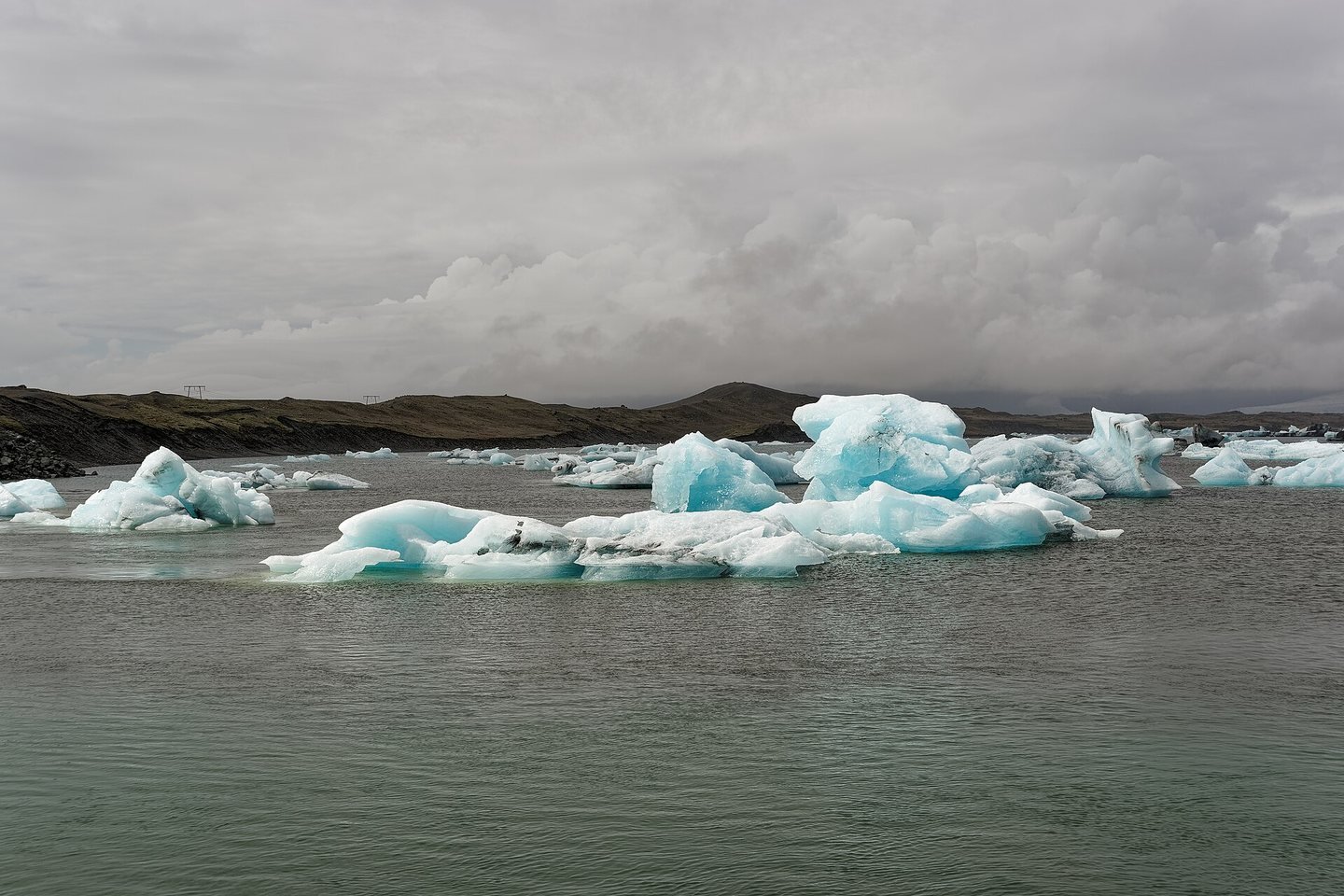
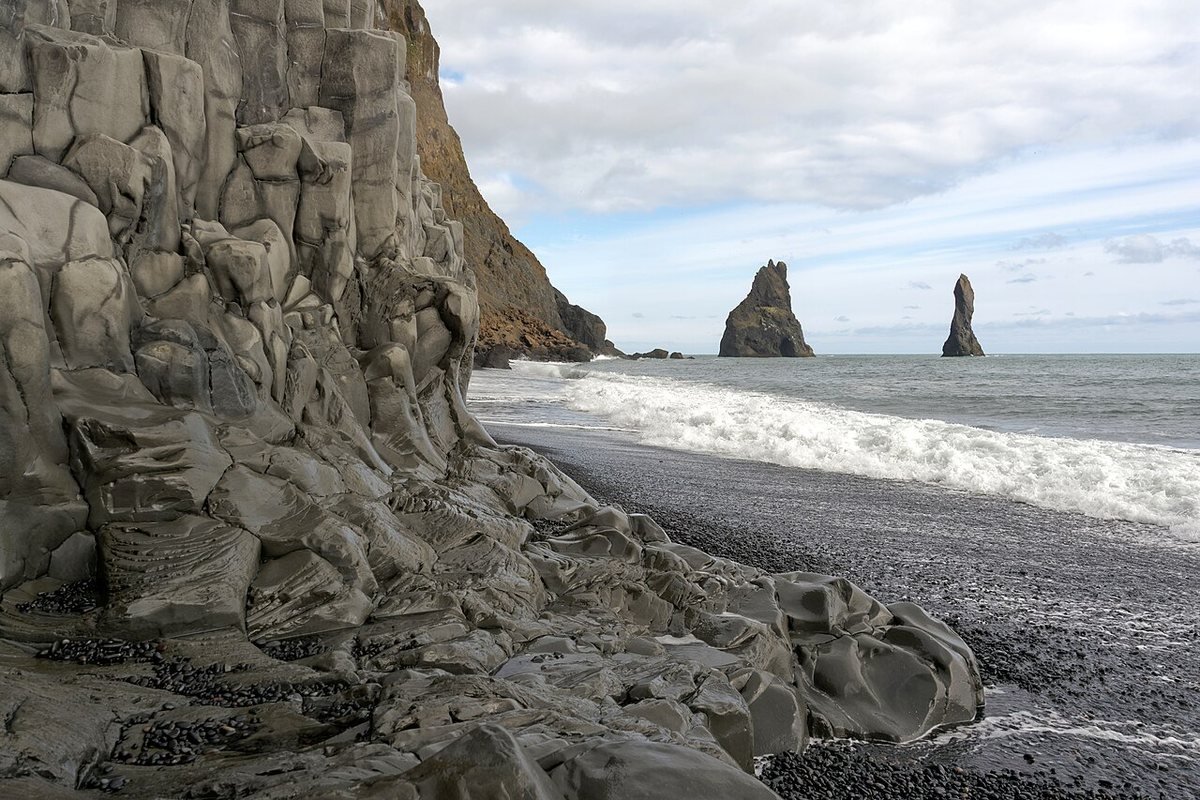
Drive east from Reykjavík past Seljalandsfoss, which you can walk behind, and the mighty Skógafoss, to the black sand beach of Reynisfjara near Vík. Further east, icebergs from the Vatnajökull ice cap float across the Jökulsárlón glacier lagoon before washing up on the glittering Diamond Beach.


*Jökulsárlón is about five hours' drive from Reykjavík, so we suggest an overnight stay along the south coast. Stay well back from the waves at Reynisfjara.
From about September to April, dark skies away from city lights give you the chance to see the aurora borealis. Join an evening hunt by coach, super jeep or boat from Reykjavík, or stay in the countryside near Þingvellir, the south coast or the Snæfellsnes Peninsula, where the lights often appear over Kirkjufell mountain.


*The Northern Lights need clear, dark skies and solar activity. Sightings depend on the weather and are never guaranteed.
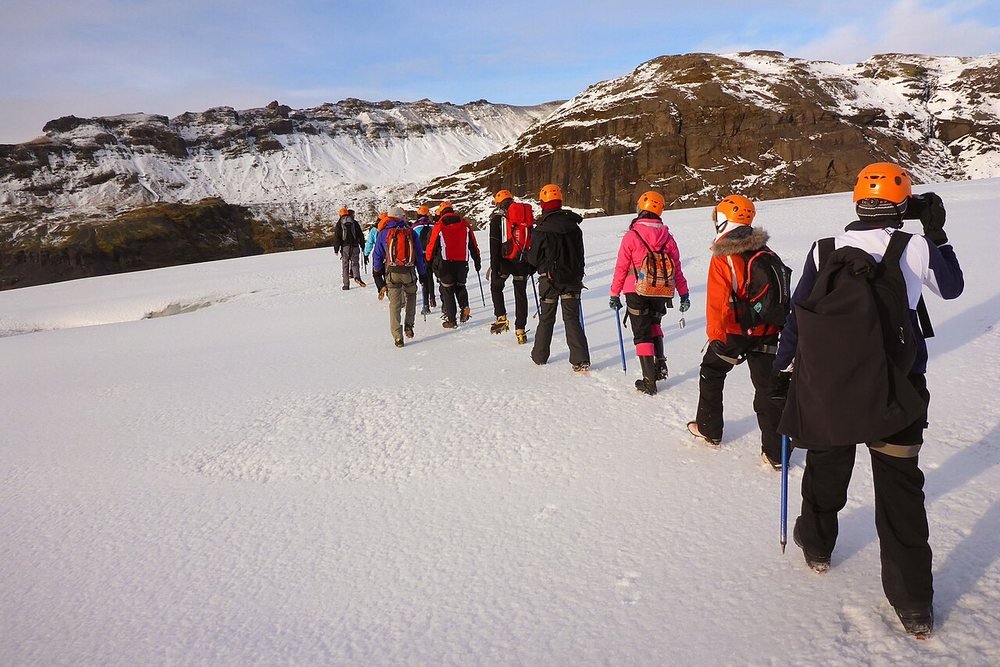
Strap on crampons and walk across a glacier with a certified guide at Sólheimajökull or Skaftafell.

Step inside a natural blue ice cave beneath Vatnajökull on a guided tour, usually possible from about November to March.
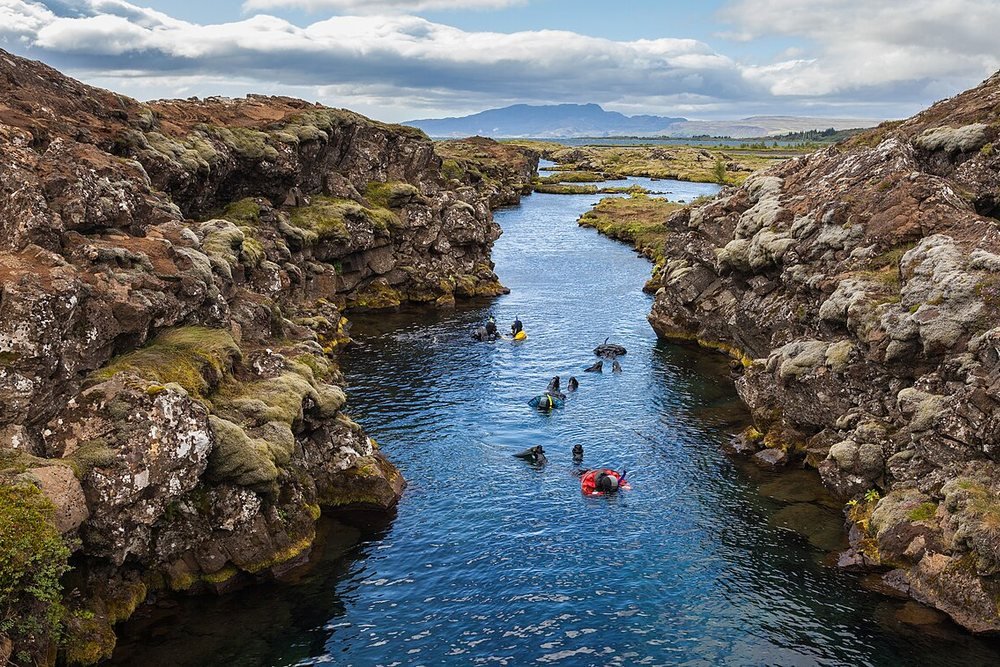
Float through the crystal-clear glacial water of the Silfra fissure in Þingvellir, between the North American and Eurasian plates.
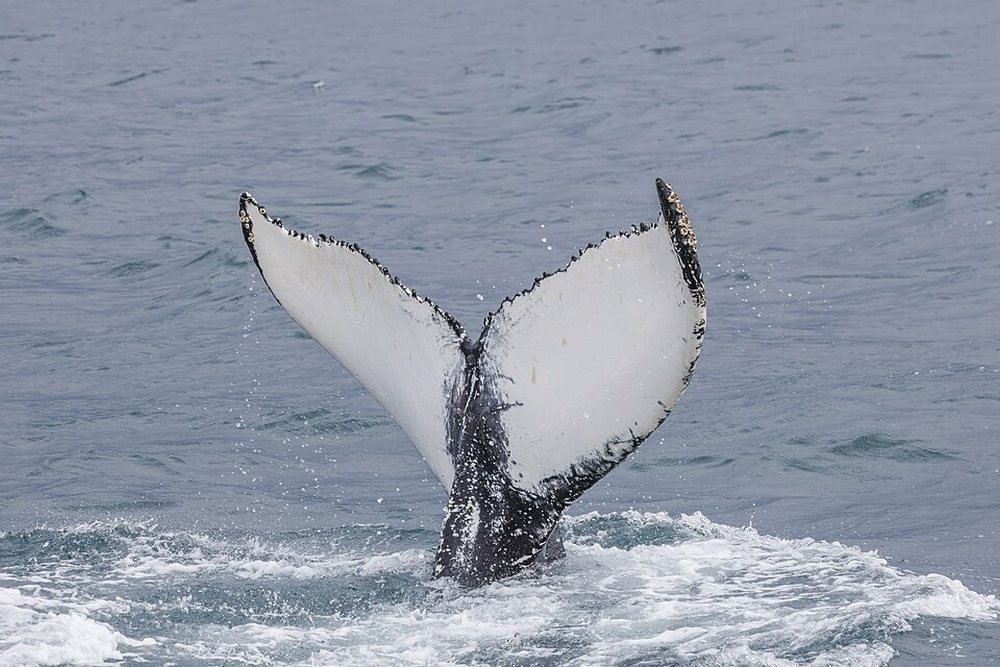
Sail from Reykjavík's Old Harbour, or from Akureyri and Húsavík in the north, to look for humpback whales, minke whales and dolphins.

Ride the friendly, sure-footed Icelandic horse across lava fields and riverbeds and try its smooth tölt gait.

See colourful Atlantic puffins nesting on Iceland's sea cliffs from about May to August.
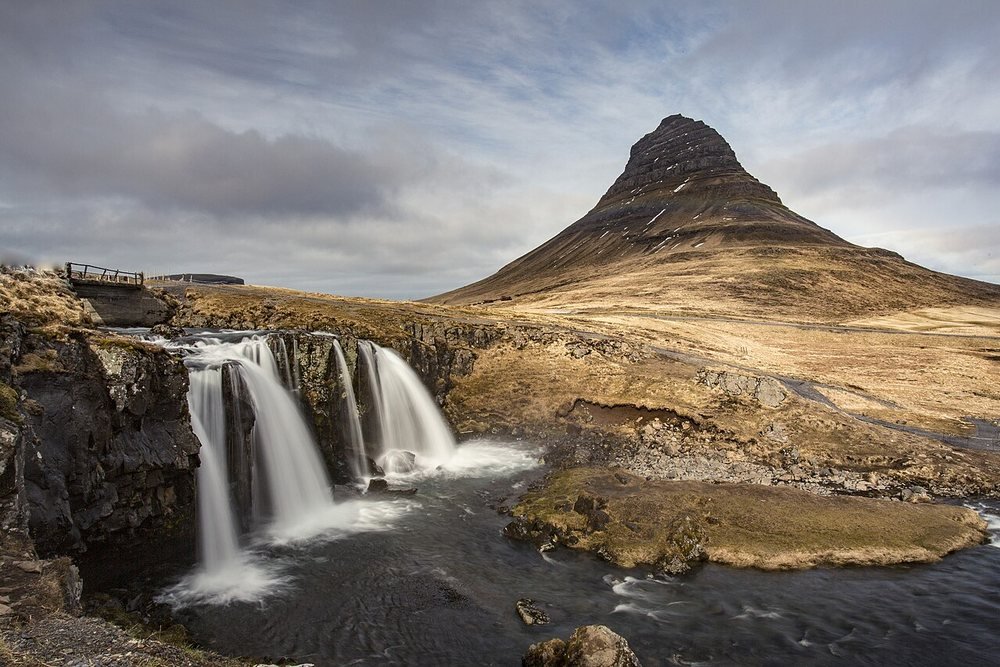
Take a day trip to Kirkjufell, lava fields, fishing villages and the glacier-capped Snæfellsjökull National Park.
*Iceland combines raw nature, Arctic adventure and cosy comforts, making it a wonderful choice for couples, families and groups in every season.
Icelanders are proud of their Viking heritage, their medieval sagas and a language still close to the Old Norse of the first settlers. Join locals in a geothermal swimming pool, a tradition recognised by UNESCO in 2025, visit grass-roofed turf houses, and in winter discover the midwinter Þorrablót feasts and the thirteen playful Yule Lads of Icelandic Christmas.

Iceland is a year-round destination. Summer (June to August) brings long days with almost no darkness around midsummer, green landscapes, puffins and the best conditions for road trips. Autumn (September to October) brings fewer crowds and the return of the Northern Lights. Winter (November to March) is the time for the aurora, ice caves and snowy scenery, with only four to five hours of daylight in December. Spring (April to May) brings longer days and quieter roads.
Thanks to the Gulf Stream, Iceland is milder than its latitude suggests. Summer temperatures in Reykjavík are usually around 10°C to 15°C, while winter days hover around freezing. The weather changes quickly, and strong winds and rain are common in every season.
Peak Season: June to August for long-daylight road trips and puffins, and December to March for the Northern Lights and ice caves.
Off-Peak Season: April to May and September to October, when there are fewer crowds and better hotel offers.
Icelandic food is simple and fresh, built on lamb, seafood and dairy. Warm up with kjötsúpa lamb soup and plokkfiskur fish stew, taste dark, sweet rúgbrauð rye bread, sometimes baked in the hot ground, try a Reykjavík hot dog with crispy onions and enjoy creamy skyr with berries. Vegetarian options are easy to find in Reykjavík, and the capital also has Indian restaurants.




Iceland's main gateway is Keflavík International Airport, about 50 km from Reykjavík. There are no direct flights from India, so travellers usually connect through a European hub, then explore the island by coach tour, private transfer or self-drive car.
Fly from Delhi, Mumbai, Bengaluru or other Indian cities with one or two stops, connecting in a European hub such as London, Frankfurt, Amsterdam, Copenhagen or Helsinki. Schedules change, so we check the best route for your dates.
Iceland is part of the Schengen Area, so Indian passport holders need a Schengen visa, and Iceland combines easily with Scandinavia or Europe. Apply early for summer travel. Rules change, so check current requirements; we assist with visas.
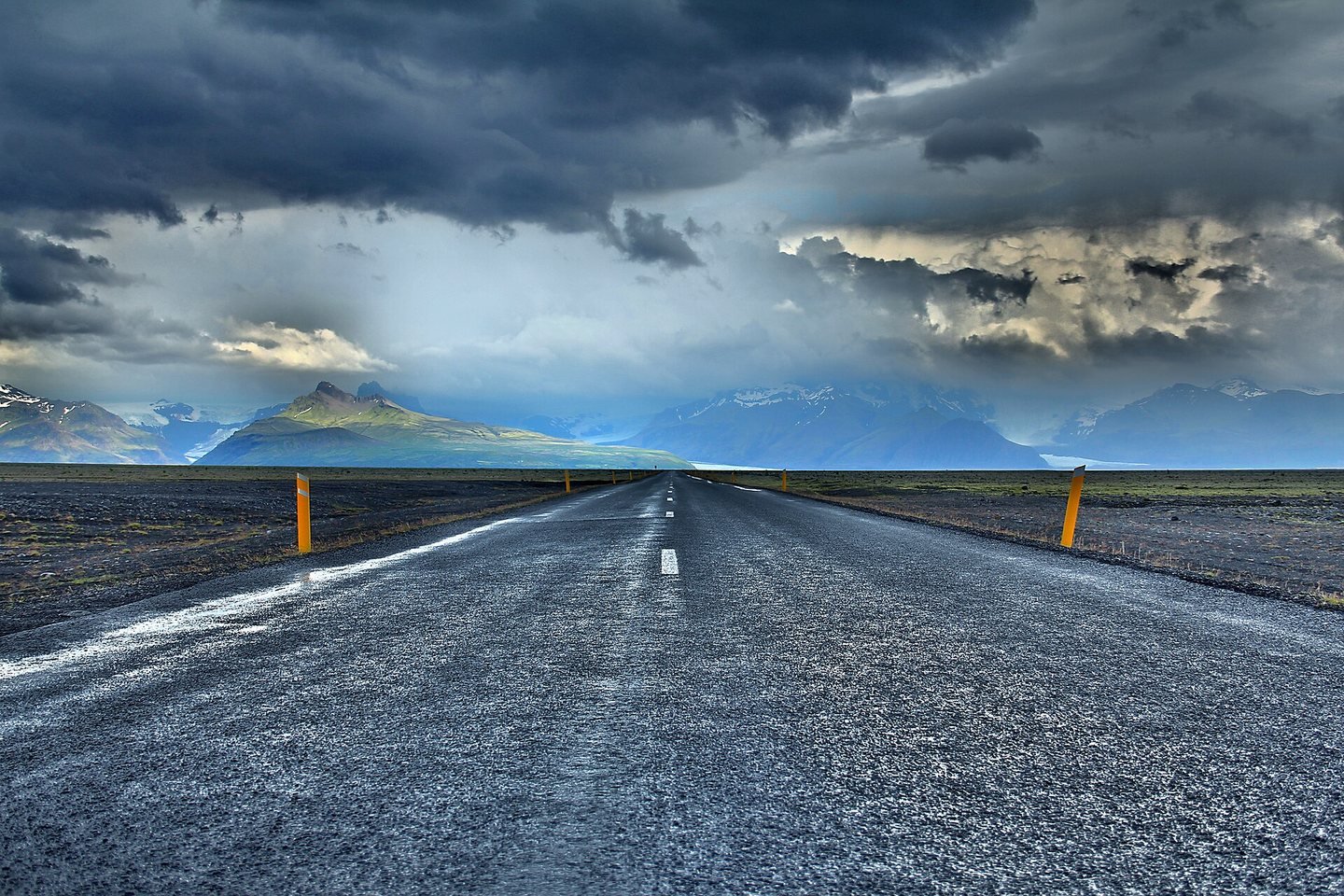
Iceland has no railways. Airport coaches link Keflavík with Reykjavík, guided coach and minibus tours cover the main sights, and the Ring Road is ideal for a self-drive trip in summer. Domestic flights connect Reykjavík with Akureyri in the north.


June to August is best for long days, road trips and puffins. Choose September to April for the Northern Lights, and November to March for ice cave tours.
Yes. Iceland is part of the Schengen Area, so Indian passport holders need a Schengen visa. Rules can change, so check current requirements; we assist with visa documentation.
No. Travellers from India usually fly to Keflavík International Airport with one or two stops, connecting through a European hub such as London, Frankfurt, Amsterdam, Copenhagen or Helsinki.
The aurora can be seen on clear, dark nights from about September to April. Evening tours from Reykjavík and stays in the countryside give the best chances, though sightings are never guaranteed.
Allow 4 days for Reykjavík, the Golden Circle and the Blue Lagoon, 6 days to add the south coast and Jökulsárlón, and 8 days or more to include the Snæfellsnes Peninsula or a longer Ring Road journey.
Iceland is a very safe country. Eruptions on the Reykjanes Peninsula near Grindavík have occasionally closed the Blue Lagoon and nearby roads, while the rest of the country carries on as normal. We follow official updates and adjust plans when needed.
Iceland uses the Icelandic króna (ISK). Cards and contactless payments are accepted almost everywhere, even for small purchases.
Iceland stays on Greenwich Mean Time all year, which is 5 hours 30 minutes behind Indian Standard Time.

: Subscribe to our newsletter and be the first to know about exclusive offers, new destinations, and travel tips.