Sydney BridgeClimb
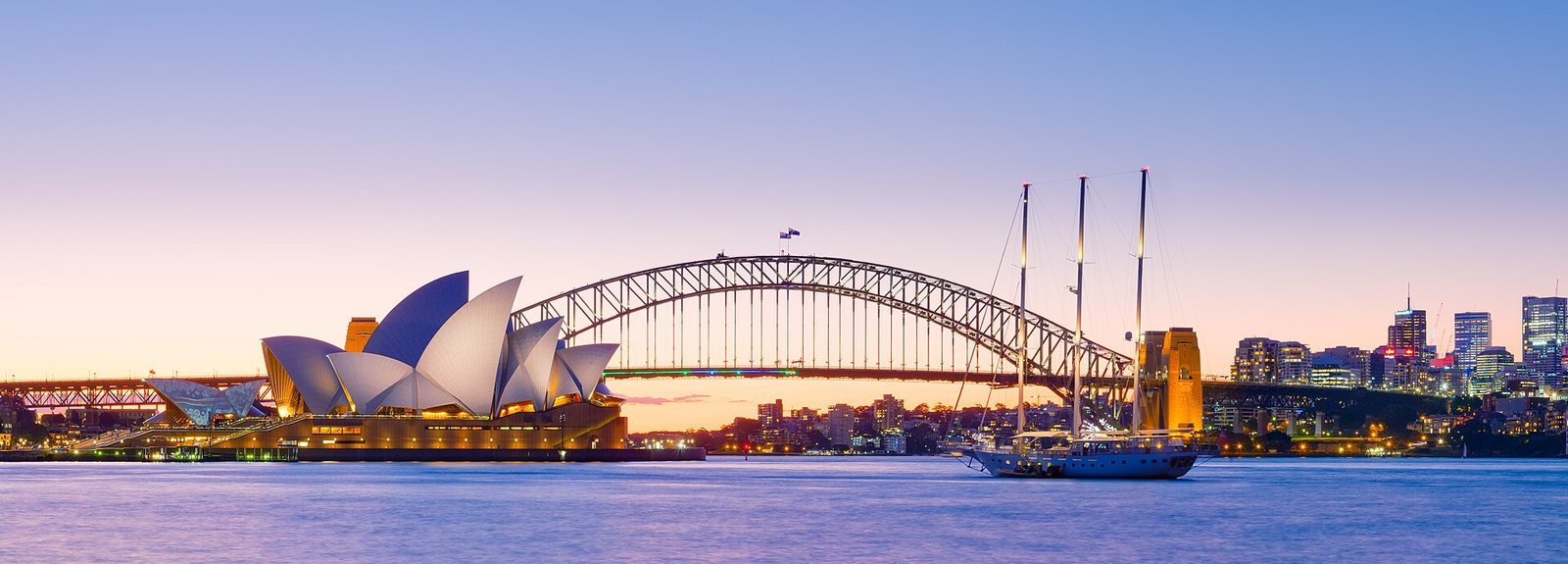
Climb the arch of the Sydney Harbour Bridge with expert guides for sweeping views over the Opera House and harbour.
Australia is the world's sixth-largest country, an island continent stretching from the tropical north to the cool southern island of Tasmania. Its landscapes range from the red deserts of the Outback and the rainforests of Queensland to alpine peaks, wine valleys and a coastline of golden beaches, with lively cities such as Sydney, Melbourne, Brisbane and Perth along the way.
From the Sydney Opera House and the Great Barrier Reef to the glowing red rock of Uluru and the Great Ocean Road, Australia offers remarkable variety, along with unique wildlife such as kangaroos, koalas and wombats. With English spoken everywhere, a large Indian community and a shared love of cricket, it is also one of the easiest long-haul holidays for Indian travellers.
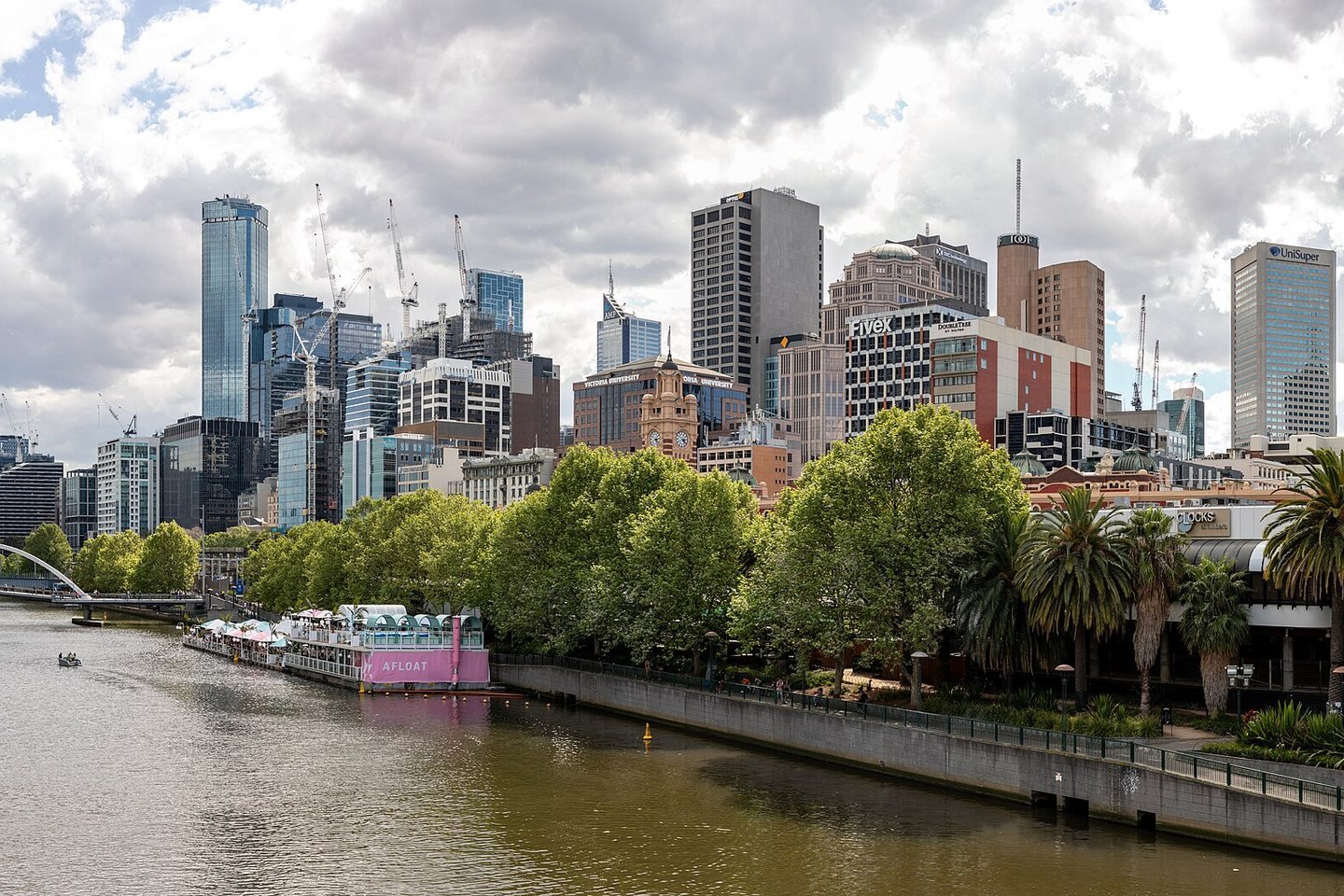
Explore Sydney's harbour, Melbourne's laneways and trams, sunny Brisbane and Perth's beaches, each with great food, shopping and culture.
See the Great Barrier Reef, Uluru in the red heart of the Outback, ancient rainforests and the dramatic limestone stacks of the Twelve Apostles.
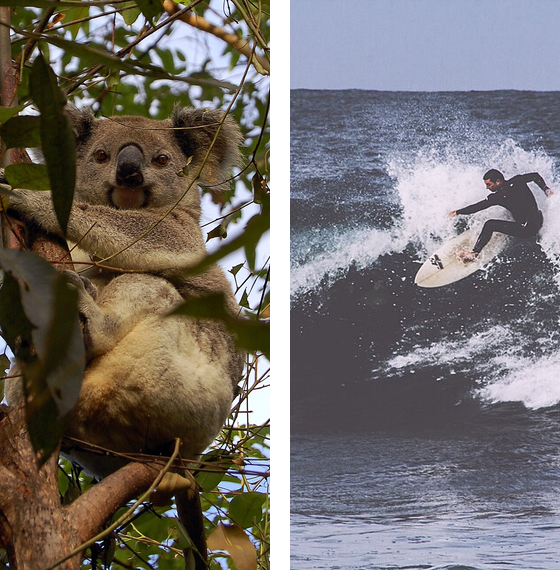
Meet kangaroos, koalas, wombats and little penguins, and watch humpback whales migrate along the coast in winter and spring.
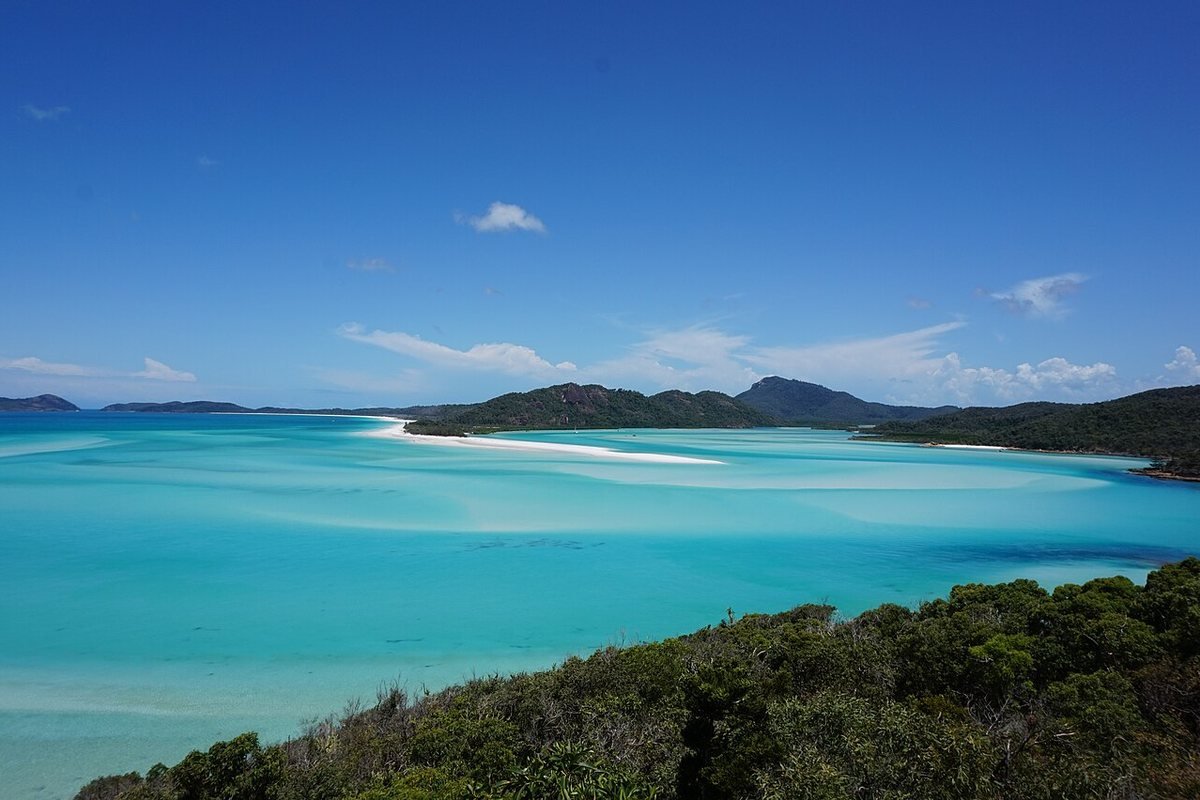
Relax on famous beaches such as Bondi, Whitehaven and Surfers Paradise, or take a surf lesson on the Gold Coast.
English is spoken everywhere, Indian food is easy to find, and non-stop flights link Delhi and Bengaluru with Australia.



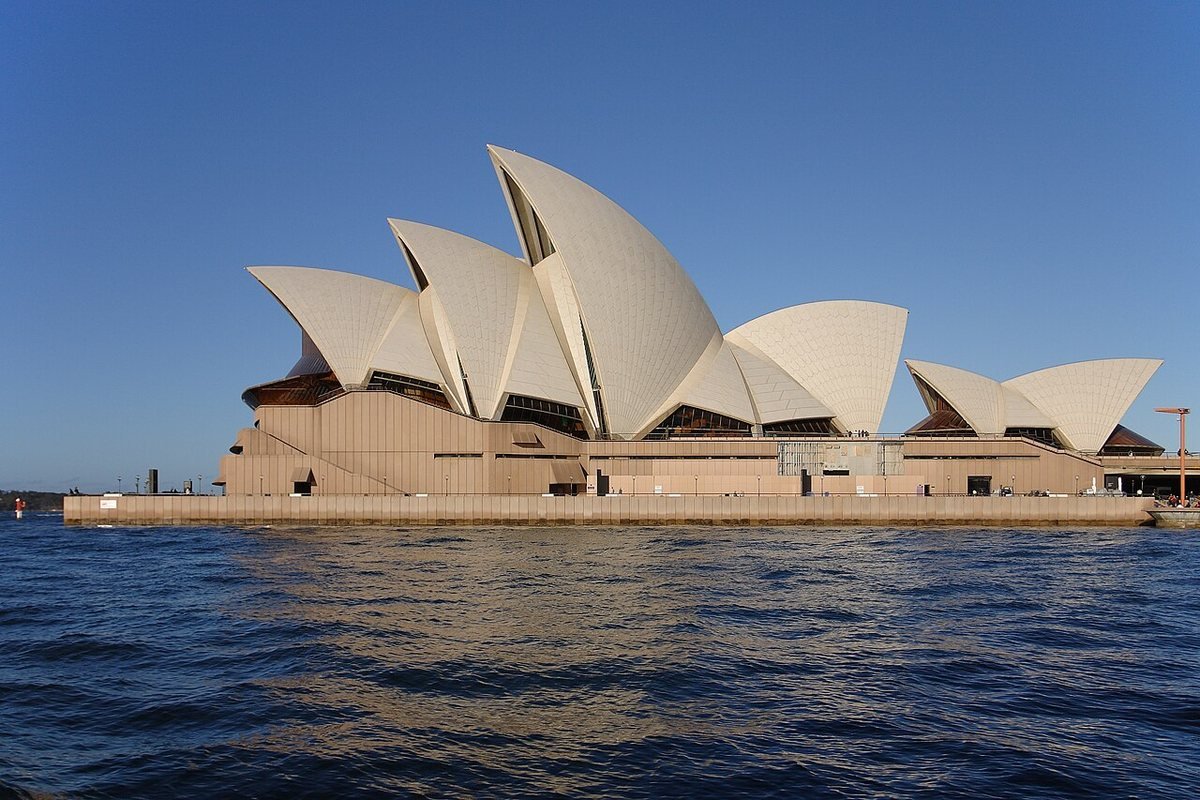
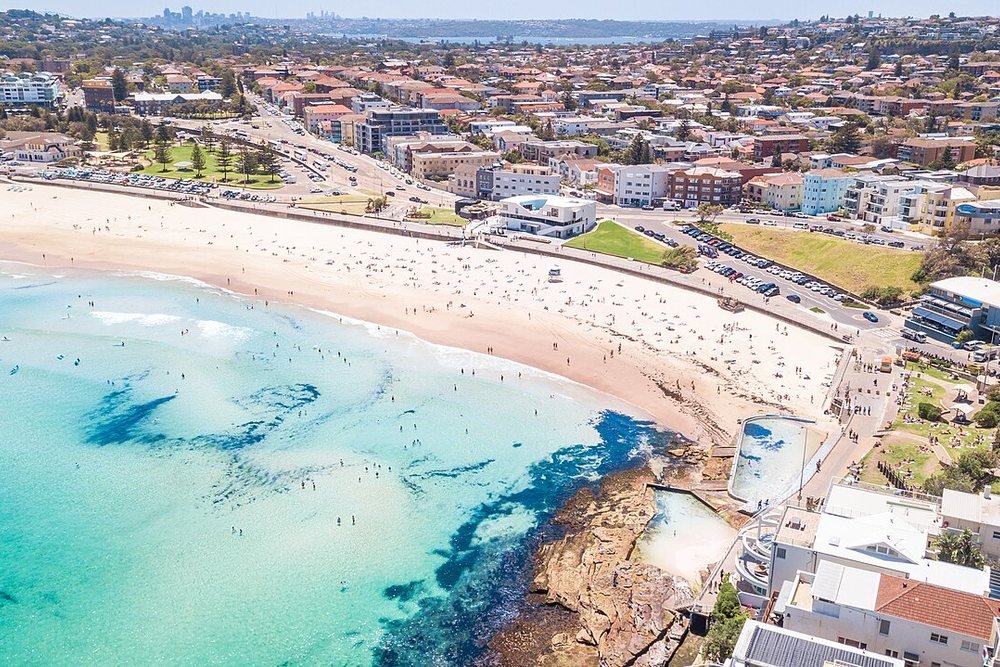
Australia's largest city wraps around a beautiful harbour. See the Opera House and Harbour Bridge, wander The Rocks, take the ferry to Manly and relax at Bondi Beach.

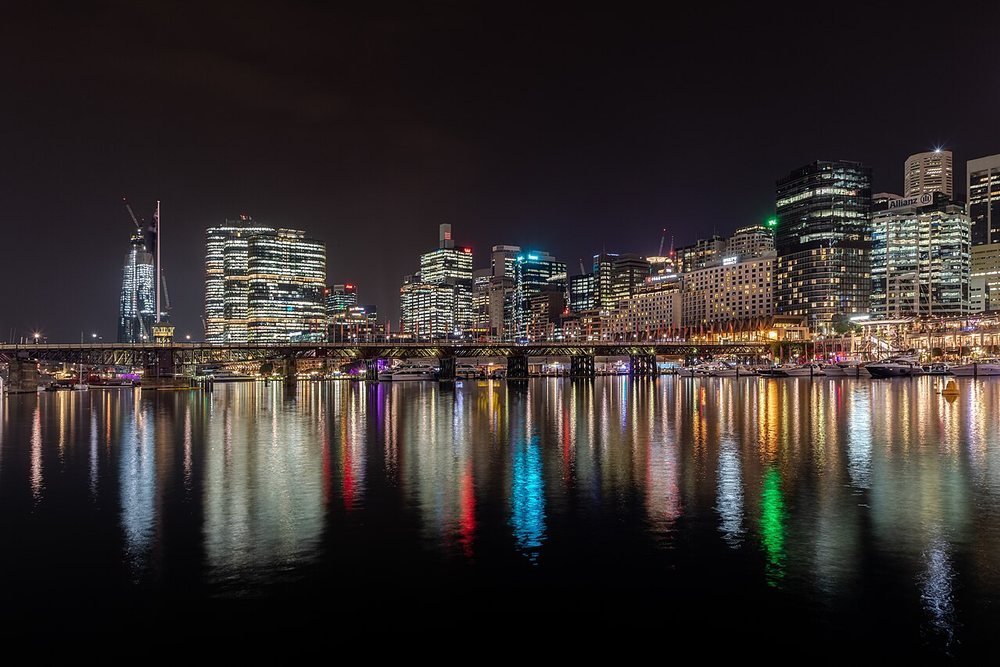
*Sydney Harbour is at its most spectacular during the New Year's Eve fireworks and the Vivid Sydney light festival, usually held from late May to mid-June.
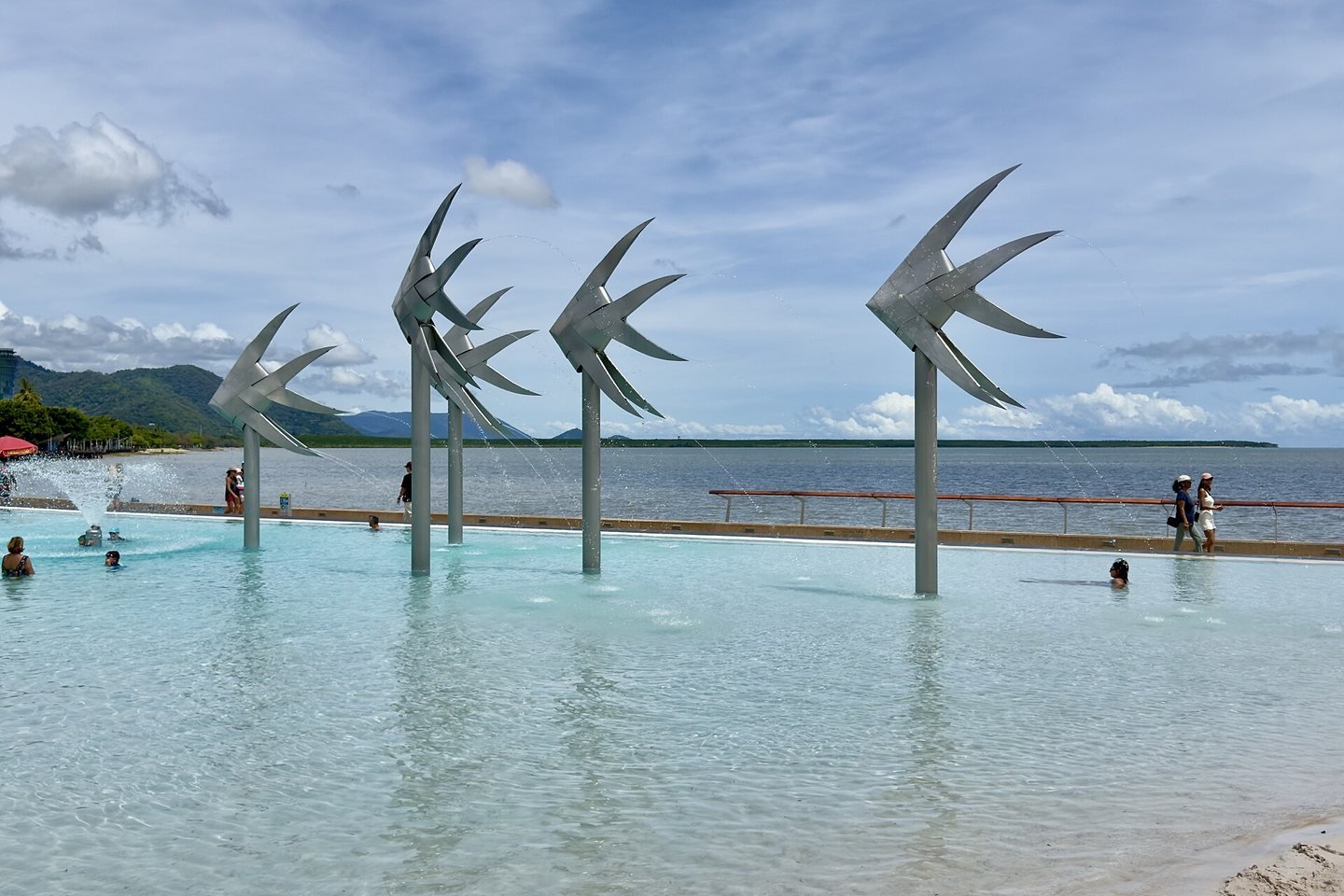
The world's largest coral reef system stretches for more than 2,300 km along the Queensland coast. Snorkel, dive or take a glass-bottom boat from Cairns, Port Douglas or Airlie Beach.
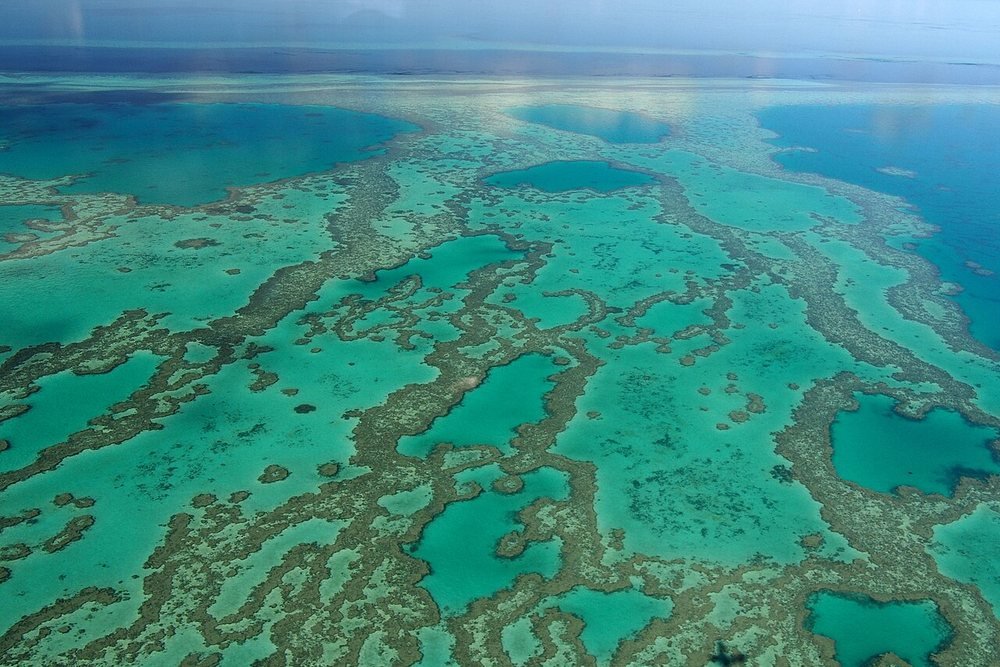
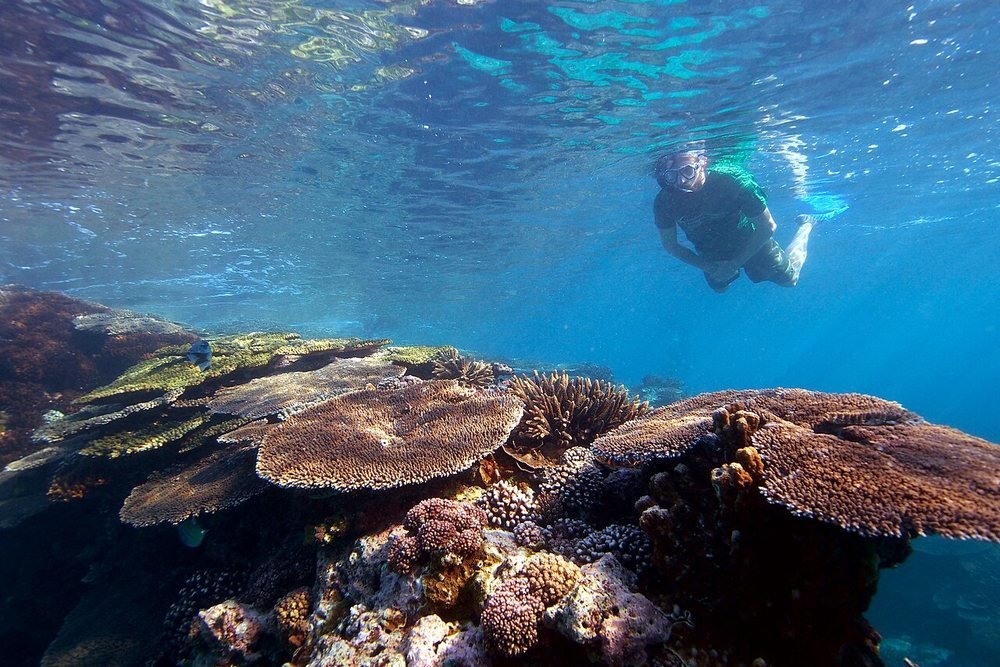
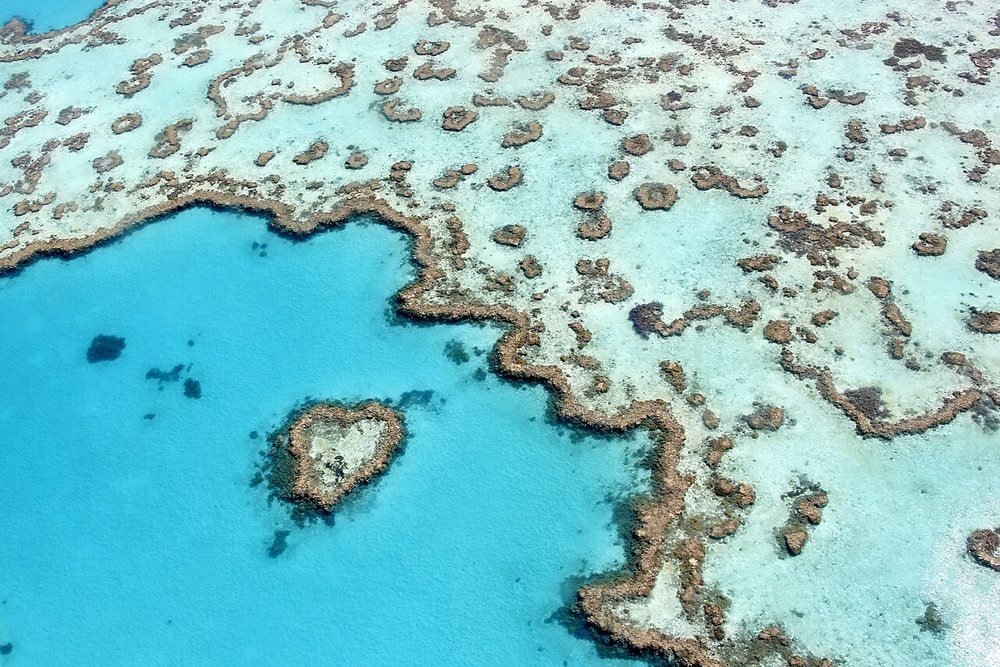
*June to October brings the most comfortable reef conditions; from about November to May, stinger suits are recommended for swimming in tropical waters.
Melbourne is known for its laneway cafés, street art and trams. From the city, the Great Ocean Road winds along the coast to the limestone stacks of the Twelve Apostles.
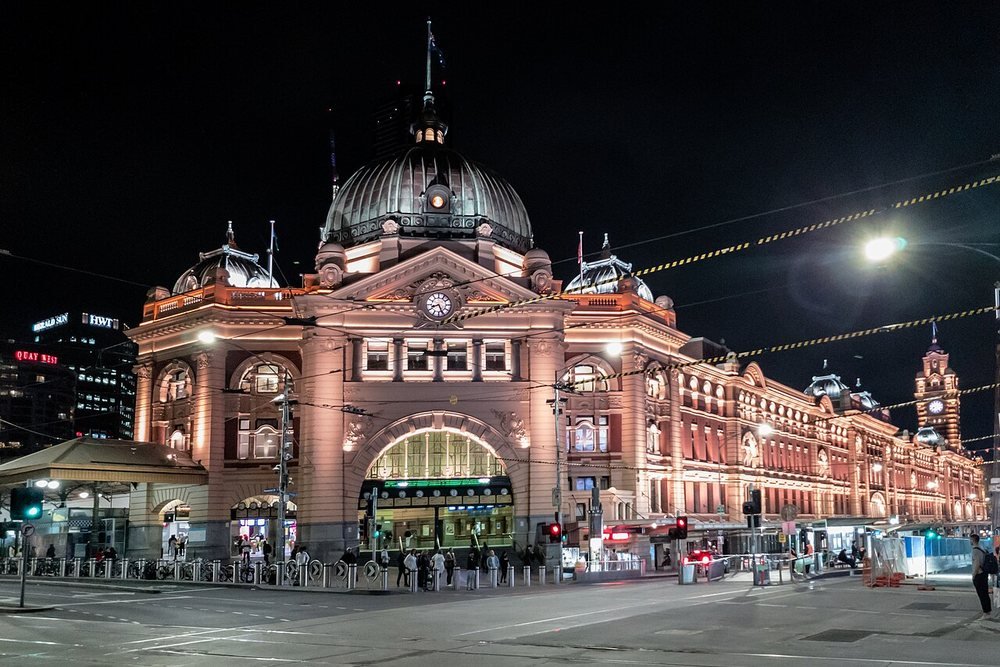

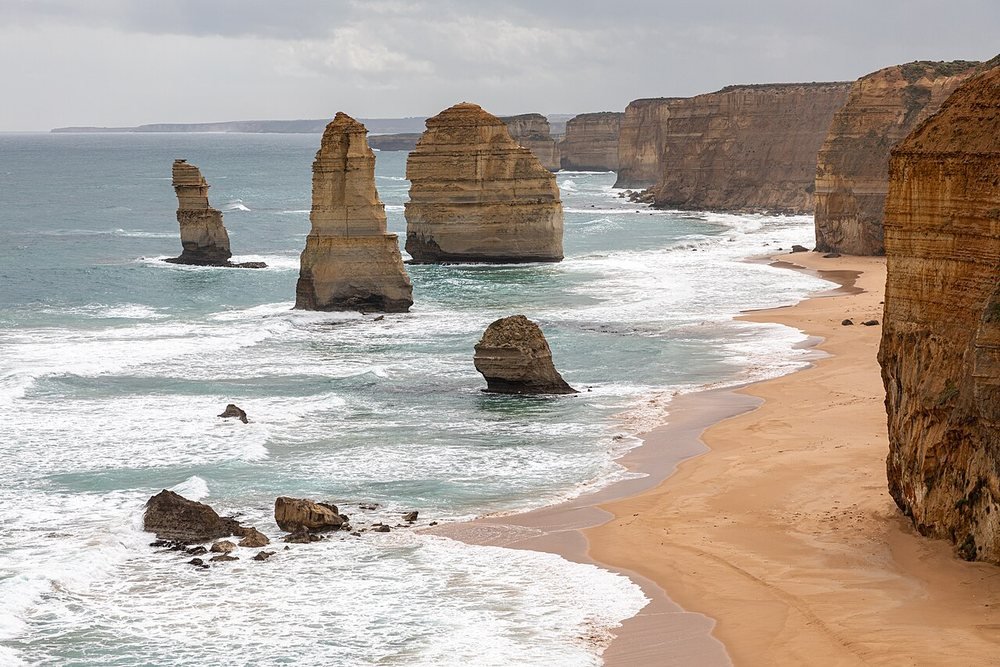
*The Great Ocean Road can be done as a long day trip from Melbourne, but an overnight stop on the coast allows a more relaxed pace.
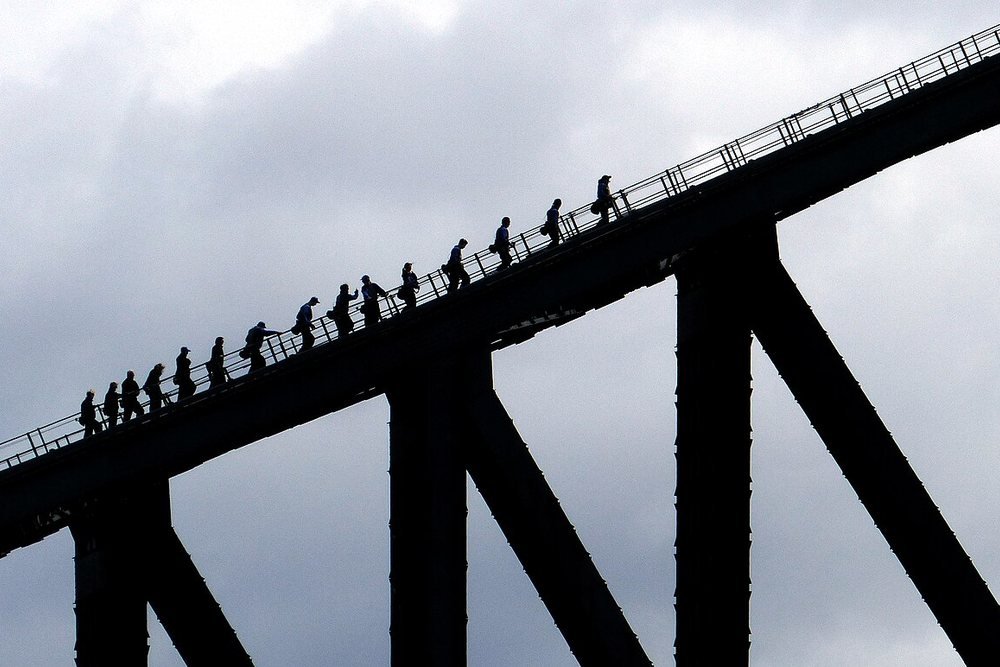
Climb the arch of the Sydney Harbour Bridge with expert guides for sweeping views over the Opera House and harbour.

Enjoy the beaches and surf of the Gold Coast, then spend a day at its famous theme parks, a favourite with families.

Watch little penguins waddle ashore at sunset on Phillip Island, about two hours' drive from Melbourne.

Ride a historic steam train over wooden trestle bridges and through the forests of the Dandenong Ranges near Melbourne.

See humpback whales on their annual migration along the east coast, with Hervey Bay one of the best spots from about July to October.

Spot kangaroos, koalas and wombats in the wild or at wildlife sanctuaries near Sydney, Melbourne, Brisbane and Cairns.

Visit the cellar doors of the Barossa Valley near Adelaide, or the Hunter and Yarra valleys close to Sydney and Melbourne.
*From reef cruises and outback walks to wildlife encounters and city lights, Australia has something for families, couples and groups alike.
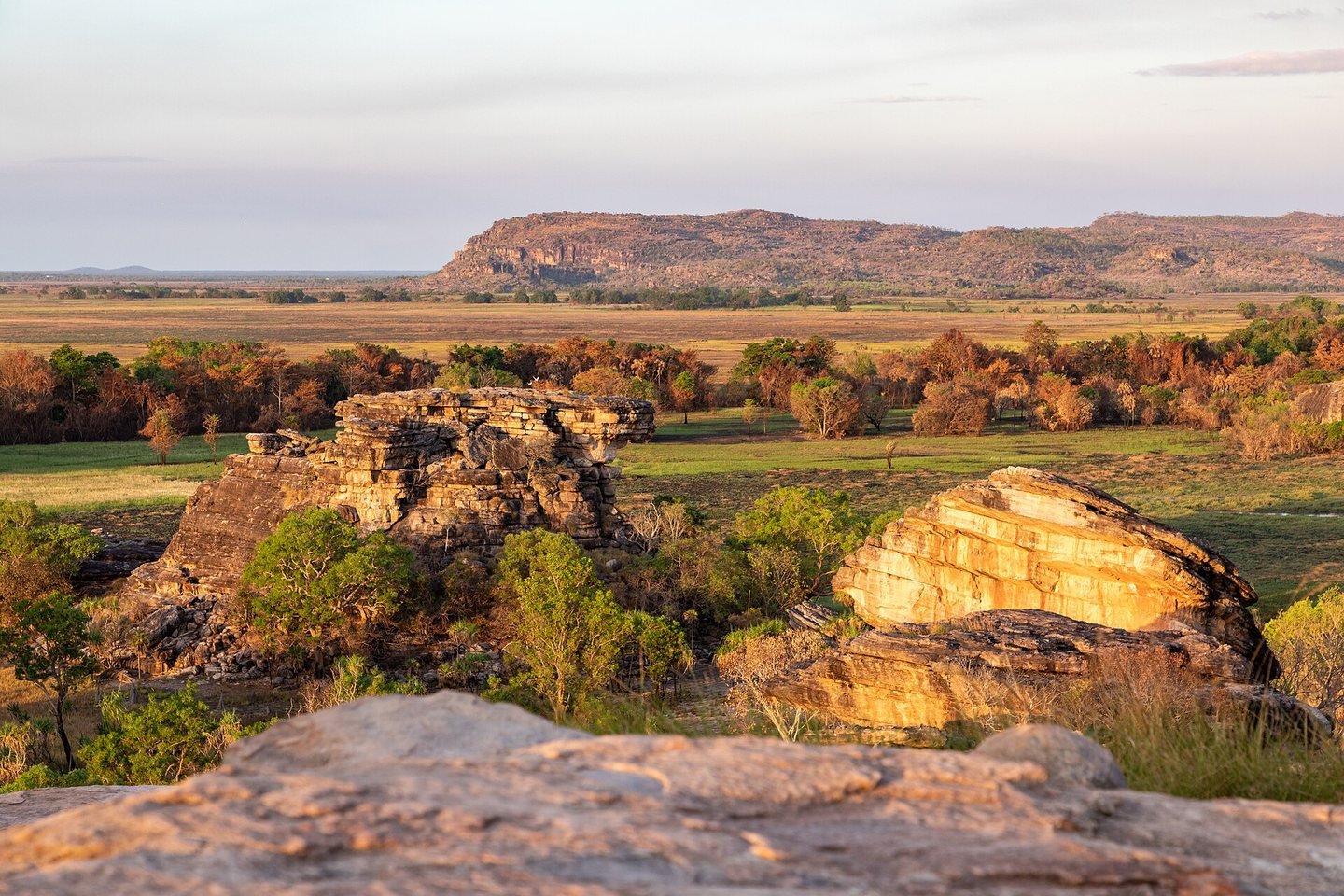
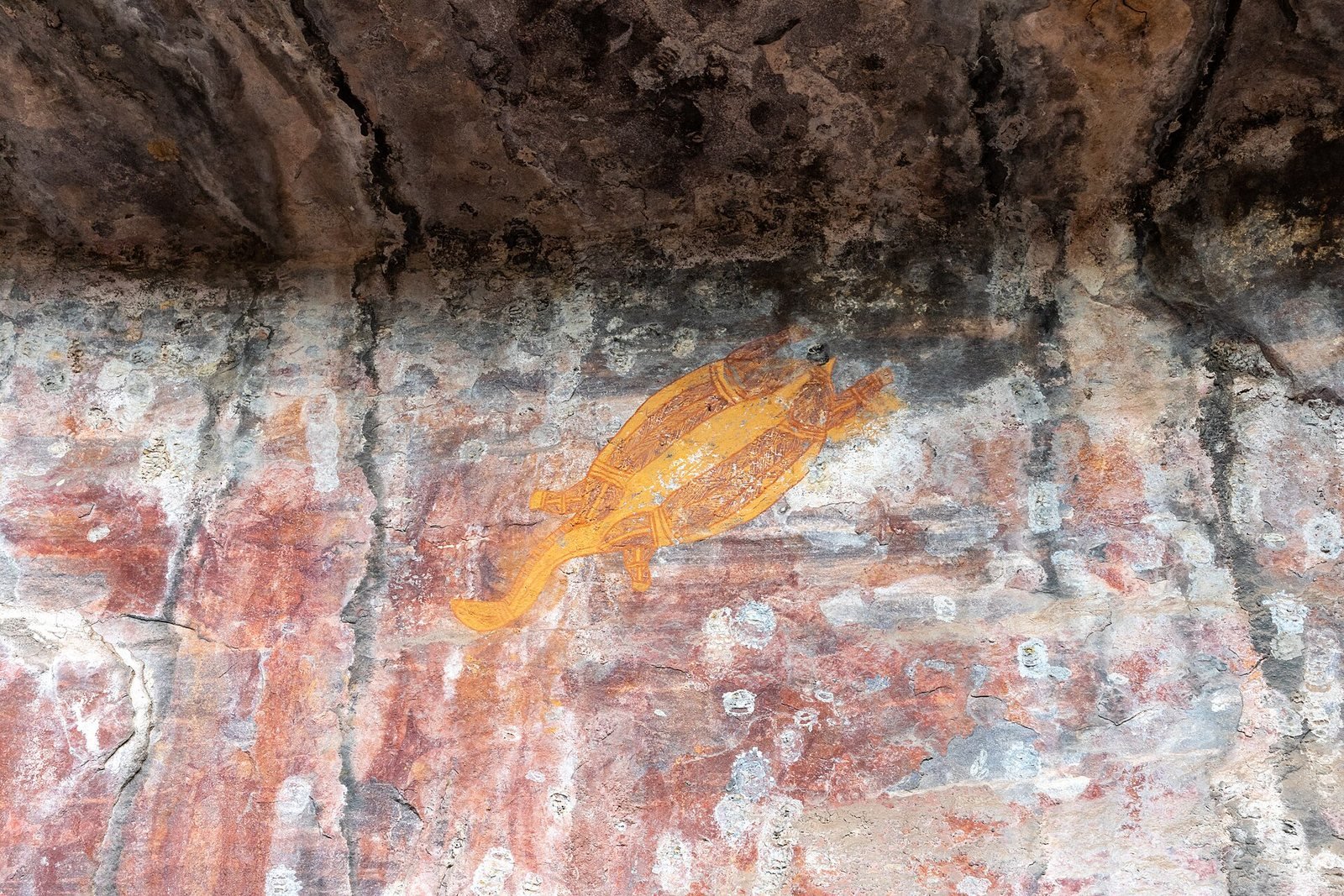
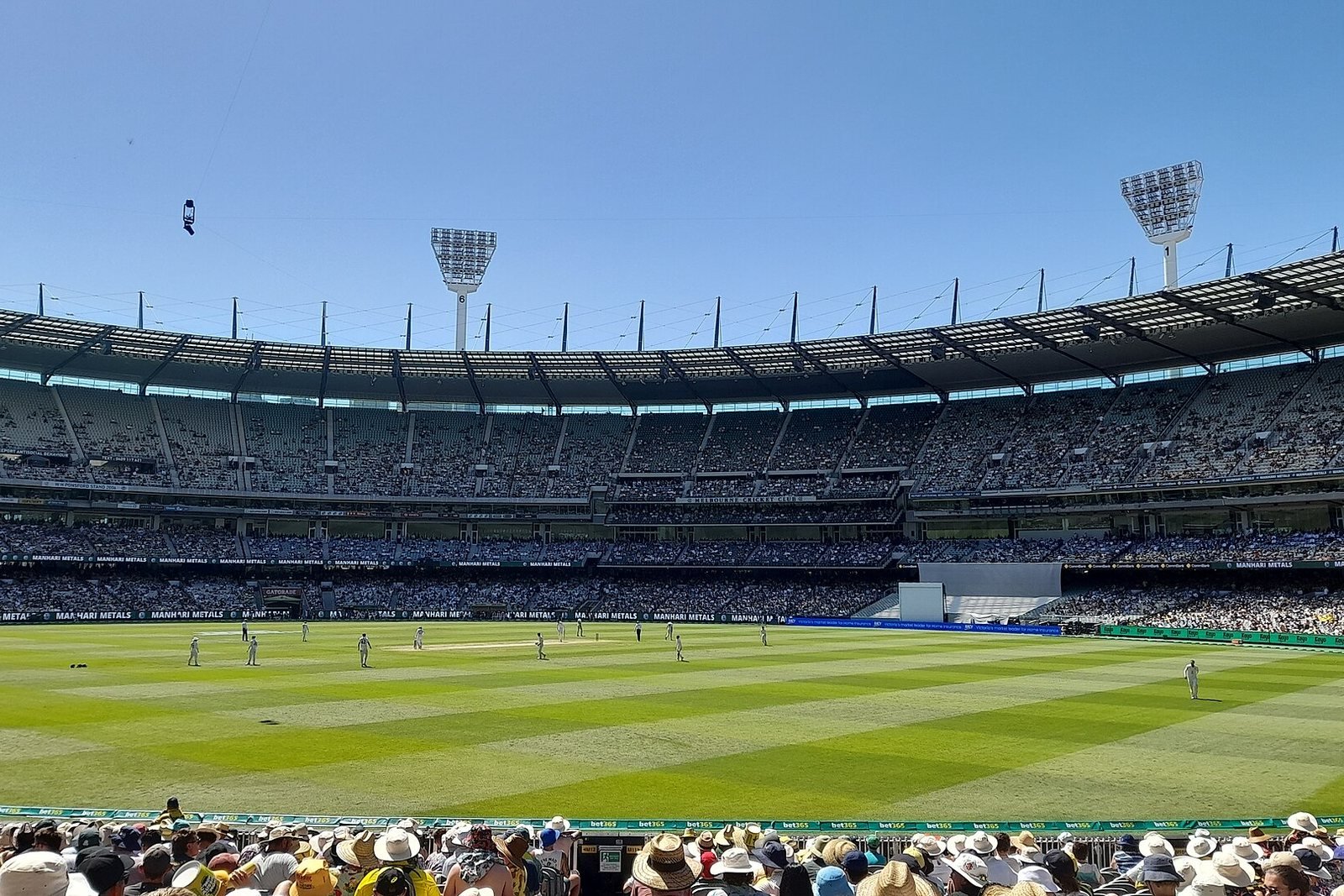
Discover the cultures of Aboriginal and Torres Strait Islander peoples, among the oldest living cultures in the world, through ancient rock art at Ubirr in Kakadu, guided walks around Uluru, dot paintings and didgeridoo music. Australians also love their sport, so catch a cricket Test at the Melbourne Cricket Ground, the Australian Open tennis or the Melbourne Cup, and time your trip for festivals such as Vivid Sydney and the New Year's Eve fireworks on Sydney Harbour.
Australia is in the Southern Hemisphere, so its seasons are opposite to those in India. Spring (September to November) and autumn (March to May) bring mild, pleasant weather across most of the country. Summer (December to February) is beach season in the south, while winter (June to August) is cool in Sydney and Melbourne but the best time to visit the tropical north and the Red Centre. The tropical north has a wet season from about November to April.
Sydney and Brisbane enjoy warm summers and mild winters, while Melbourne and Tasmania are cooler and more changeable. Summer days in the south are often 25°C to 30°C, winter days around 13°C to 18°C, and the Outback can exceed 35°C in summer, with cold nights in winter. Cairns and the tropical north stay warm all year, with humid, rainy summers.
Peak Season: December to January for summer holidays, Christmas and New Year's Eve, and June to September in the tropical north and the Red Centre.
Off-Peak Season: May to August in Sydney, Melbourne and Tasmania, when cooler weather brings fewer crowds outside events such as Vivid Sydney (this is peak season in the tropical north).
Australia's food scene reflects its multicultural population and its fresh local produce. Try a classic meat pie, fish and chips by the beach, a barbecue in the park, fresh seafood such as barramundi and prawns, and sweet treats like pavlova and lamingtons, followed by a flat white in one of Melbourne's cafés.




Australia is well connected to India, with non-stop flights to Sydney and Melbourne and easy one-stop connections to every major Australian city. Distances within the country are vast, so domestic flights are the quickest way to combine Sydney, Melbourne, the reef and Uluru in one trip.
Non-stop flights link Delhi with Sydney and Melbourne, and Bengaluru with Sydney, in about 11 to 13 hours. One-stop connections via Singapore, Kuala Lumpur, Bangkok or the Gulf reach Brisbane, Perth, Adelaide, Cairns and other cities.
Indian passport holders need a visa for Australia, usually the Visitor visa (subclass 600), which is applied for online. Check current requirements before you travel; we assist with visa applications.
Fly between cities on domestic airlines, and use the trains, trams, buses and ferries of Sydney and Melbourne with smartcards such as Opal and myki. Self-drive road trips are popular, and Australians drive on the left, as in India.


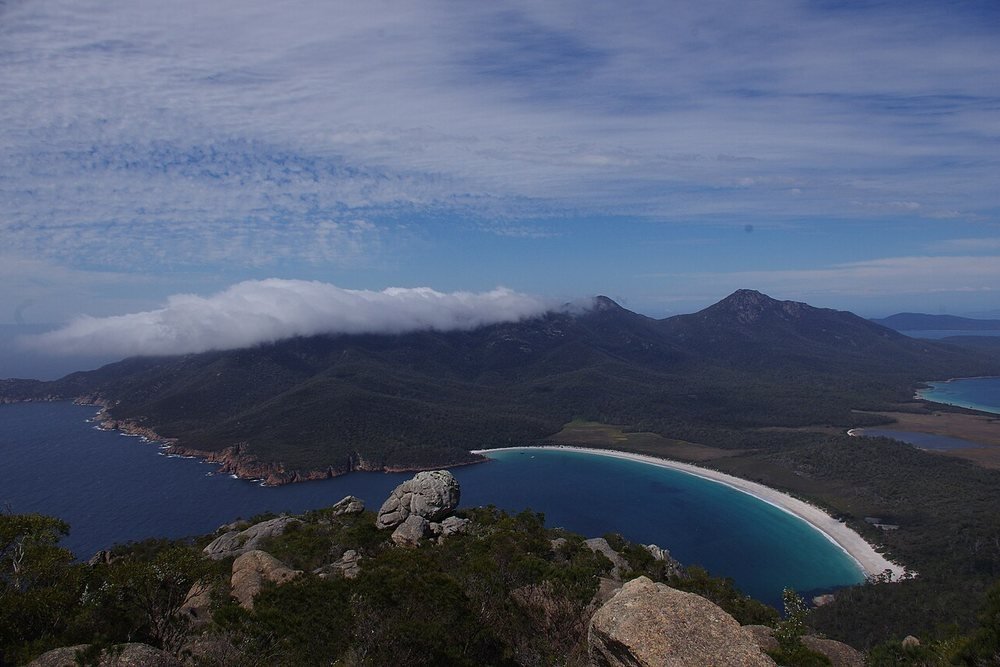

September to November and March to May bring pleasant weather in most regions. December to February is ideal for beaches and summer events, while June to October is the best season for the Great Barrier Reef, the tropical north and Uluru.
Yes. Indian passport holders need a visa, usually the Visitor visa (subclass 600), which is applied for online. Requirements and processing times change, so check the latest rules before you travel; our team can assist with your visa application.
Non-stop flights from Delhi to Sydney or Melbourne, and from Bengaluru to Sydney, take about 11 to 13 hours. From other Indian cities, one-stop connections via Singapore, Kuala Lumpur or Bangkok are common.
A 7-day trip covers Sydney with either Melbourne or the Gold Coast. With 10 to 14 days, you can add the Great Barrier Reef, Uluru or a drive along the Great Ocean Road.
Yes. Indian restaurants are found in every major city, and vegetarian and vegan dishes are widely available in cafés and restaurants.
Yes. Kangaroos are often seen in national parks and the countryside, and koalas live in eucalyptus forests along the east and south coasts. Wildlife sanctuaries near the major cities offer easy close-up encounters.
Australia uses the Australian dollar (AUD). Cards and contactless payments are accepted almost everywhere, even for small purchases.
Pack sunscreen, a hat and sunglasses, as the sun is strong all year. Add light layers for Melbourne's changeable weather, a warm jacket for winter or desert nights, and swimwear for the beaches and the reef.



: Subscribe to our newsletter and be the first to know about exclusive offers, new destinations, and travel tips.