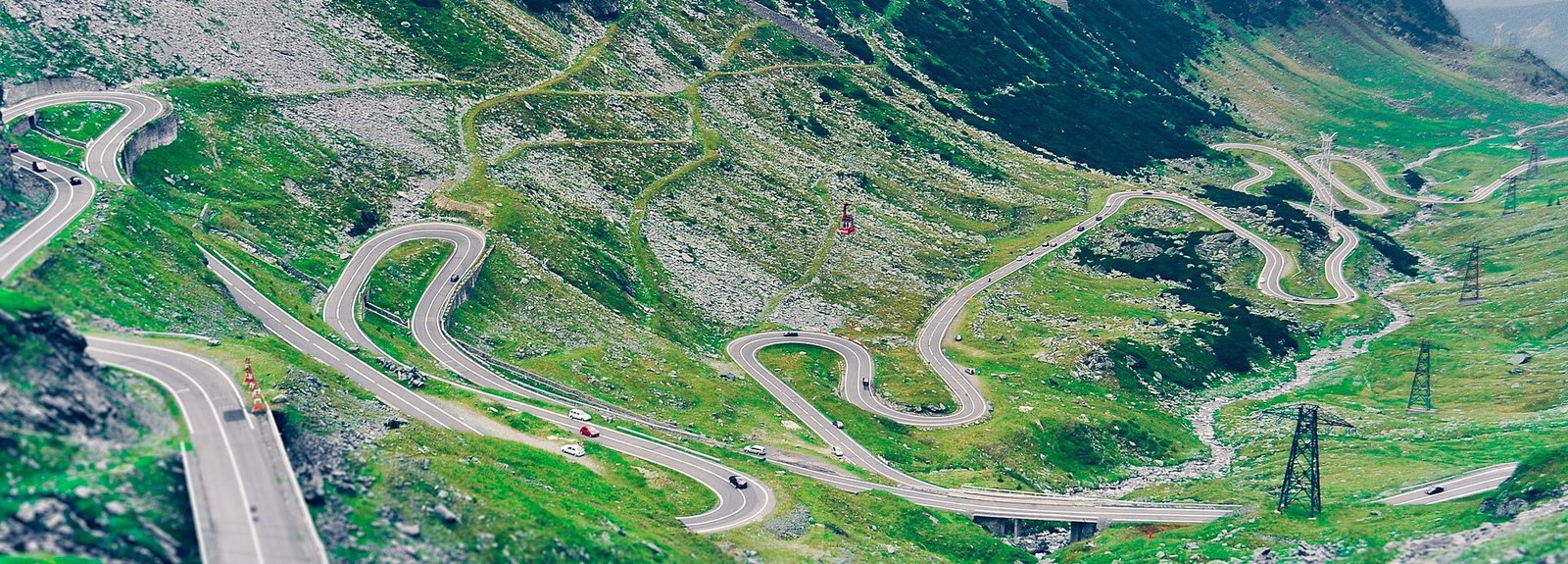
Drive the Transfăgărășan
Follow the hairpin bends of this spectacular mountain road over the Făgăraș Mountains to glacial Bâlea Lake. The high section is usually open from early summer to autumn, depending on snow.
Romania lies in south-eastern Europe, where the arc of the Carpathian Mountains wraps around the green hills of Transylvania and the Danube flows into the Black Sea. Its capital, Bucharest, mixes grand boulevards and Belle Époque buildings with a lively old town, while the countryside is dotted with medieval Saxon towns, fortified churches and storybook castles.
From Bran Castle, linked to the legend of Dracula, and the fairy-tale Peleș Castle to the painted monasteries of Bucovina, the wooden churches of Maramureș and the wild wetlands of the Danube Delta, Romania offers history, nature and warm hospitality in every season.
Explore Bran Castle, the royal Peleș Castle in Sinaia and the Gothic Corvin Castle, each steeped in history and folklore.
Wander the cobbled lanes of Brașov, Sibiu and Sighișoara, whose hilltop citadel is a UNESCO World Heritage Site.
Drive the dramatic Transfăgărășan road, ride cable cars into the Bucegi Mountains and hike among glacial lakes and pine forests.
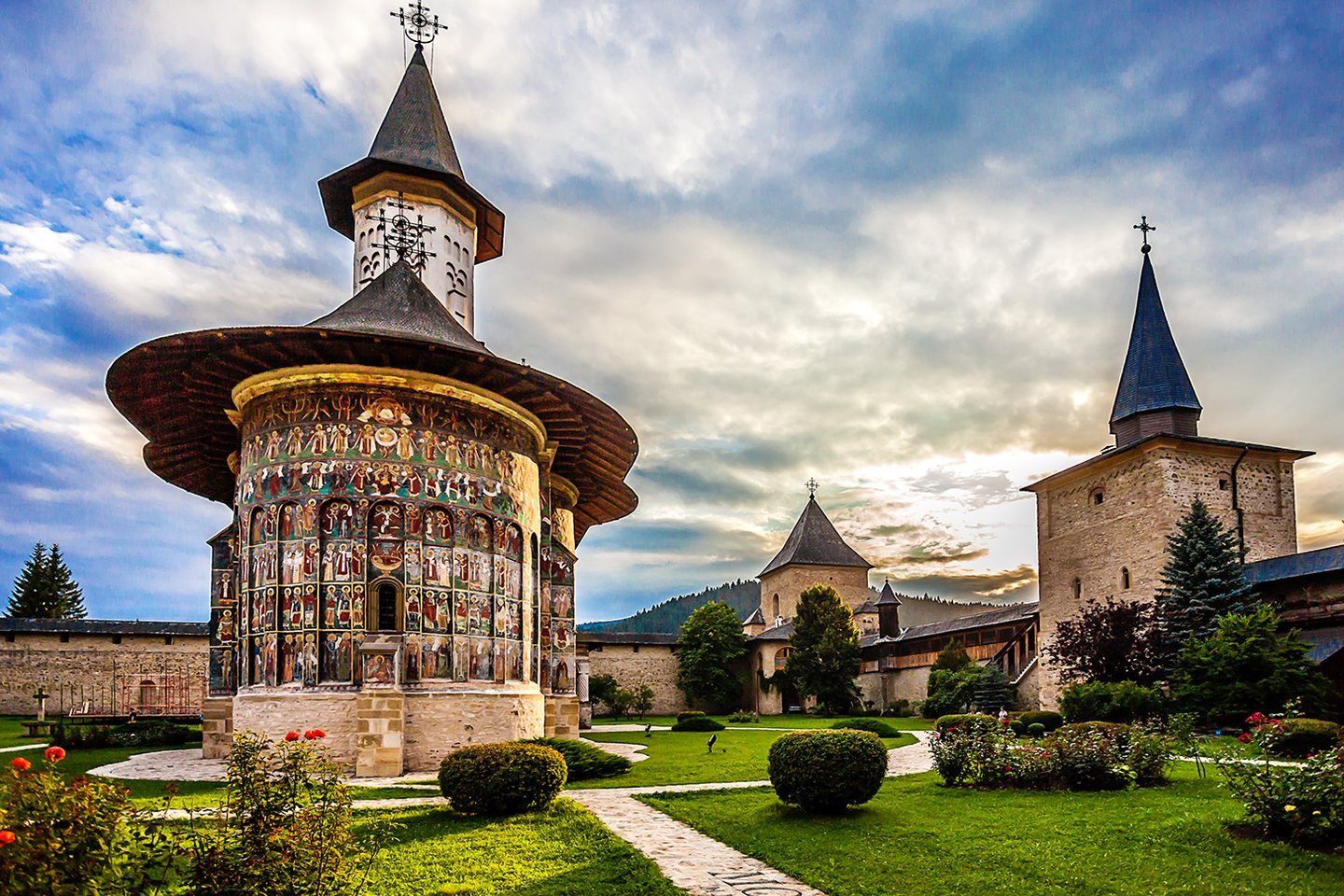
See the painted monasteries of Bucovina, the wooden churches of Maramureș, the fortified churches of Transylvania and the Danube Delta.
Enjoy village life, folk music and dance, hearty home cooking and some of Europe's best-preserved rural traditions.
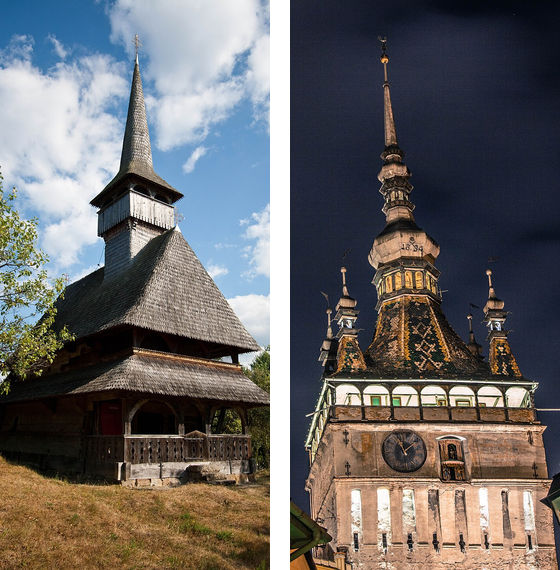


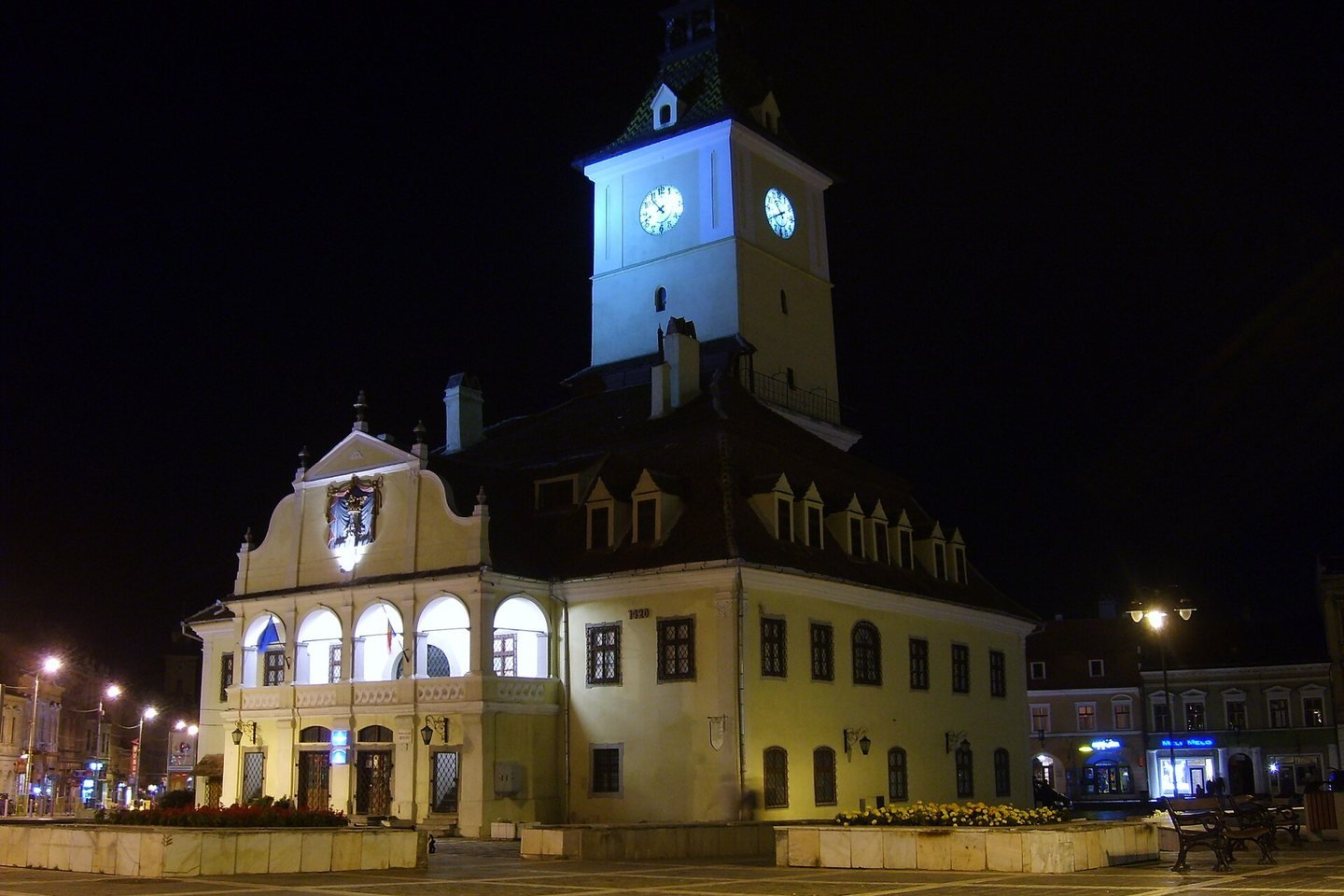
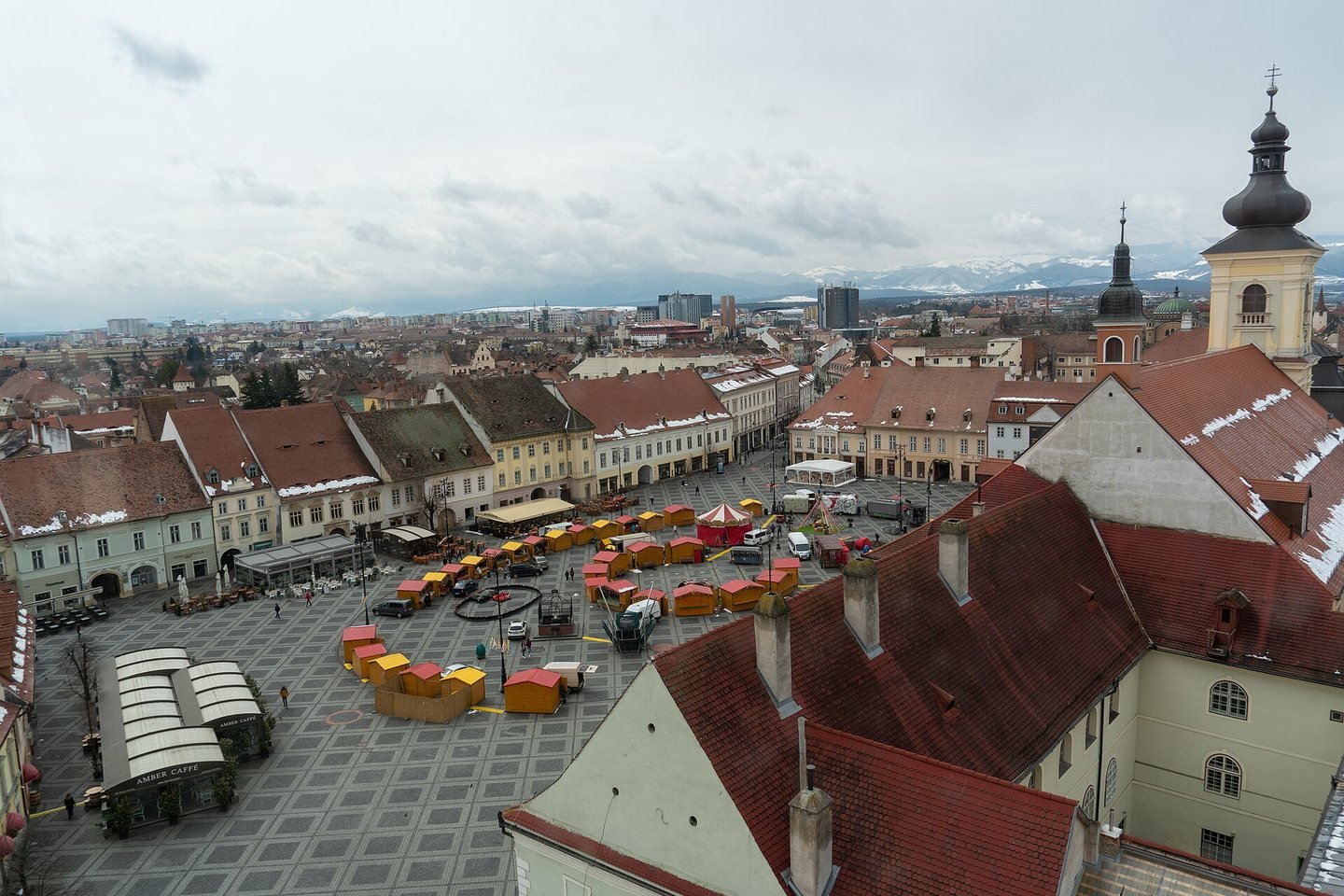
Ringed by the Carpathians, Transylvania is Romania's most famous region. Stroll Brașov's Council Square beneath Mount Tâmpa, admire the colourful squares and rooftop 'eyes' of Sibiu, climb to Sighișoara's medieval citadel and visit the fortified Saxon church of Biertan.
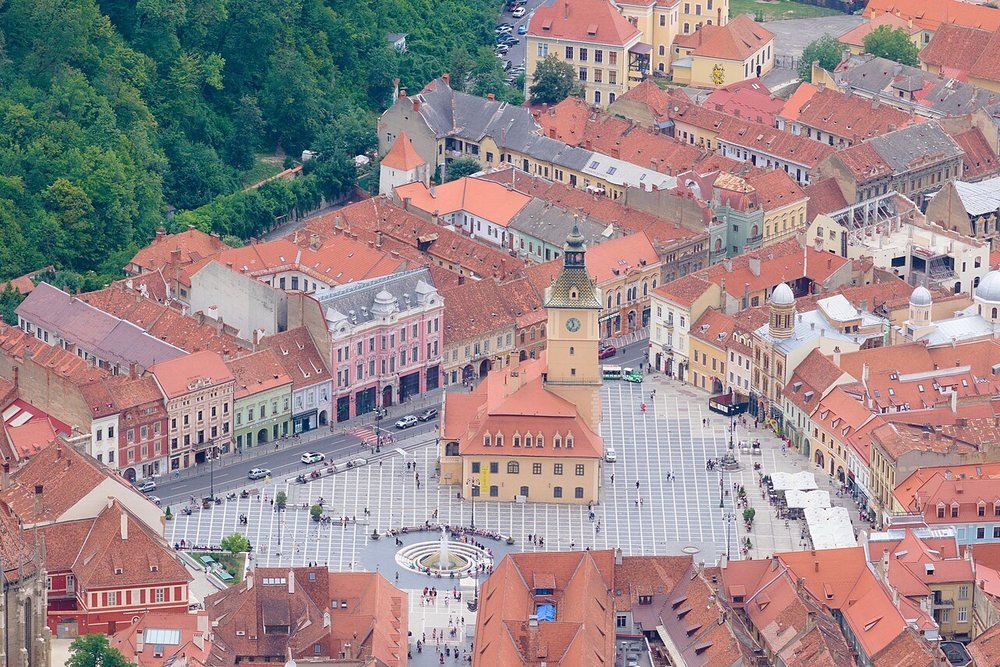
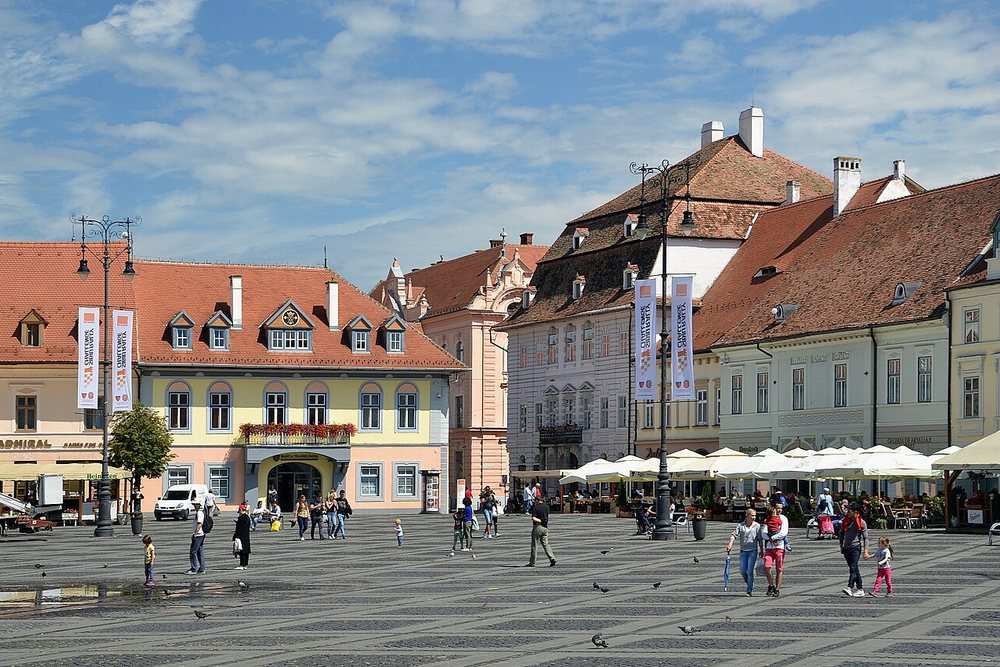
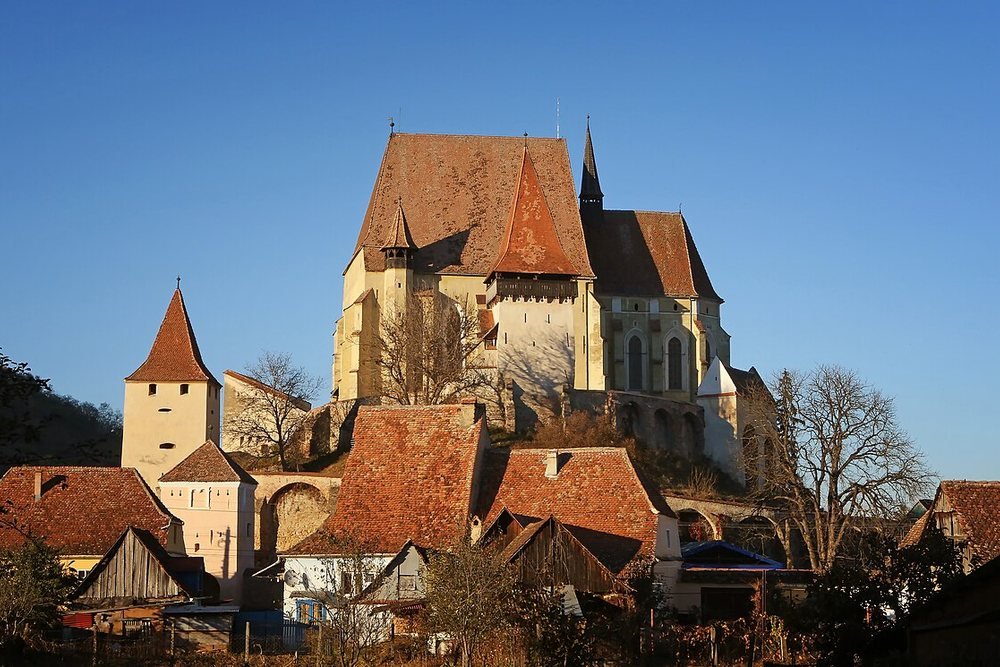
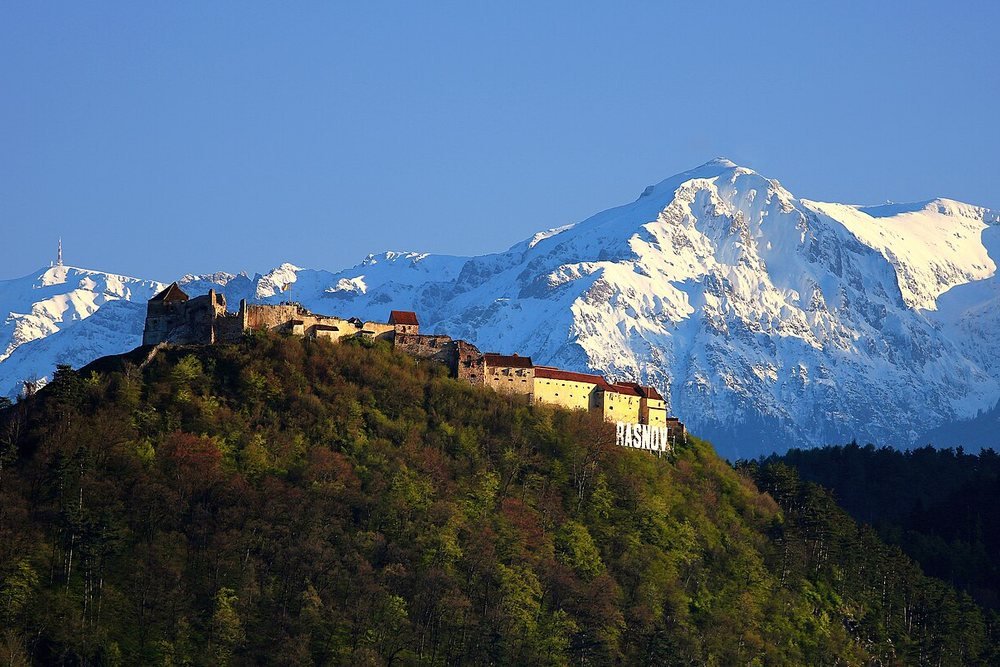
*Brașov makes an easy base for Bran Castle, Râșnov and Sinaia, all within about an hour's drive.
Romania's lively capital is home to the vast Palace of the Parliament, one of the largest administrative buildings in the world, the domed Romanian Athenaeum concert hall, and an old town full of cafés, restaurants and the ornate Stavropoleos Monastery.
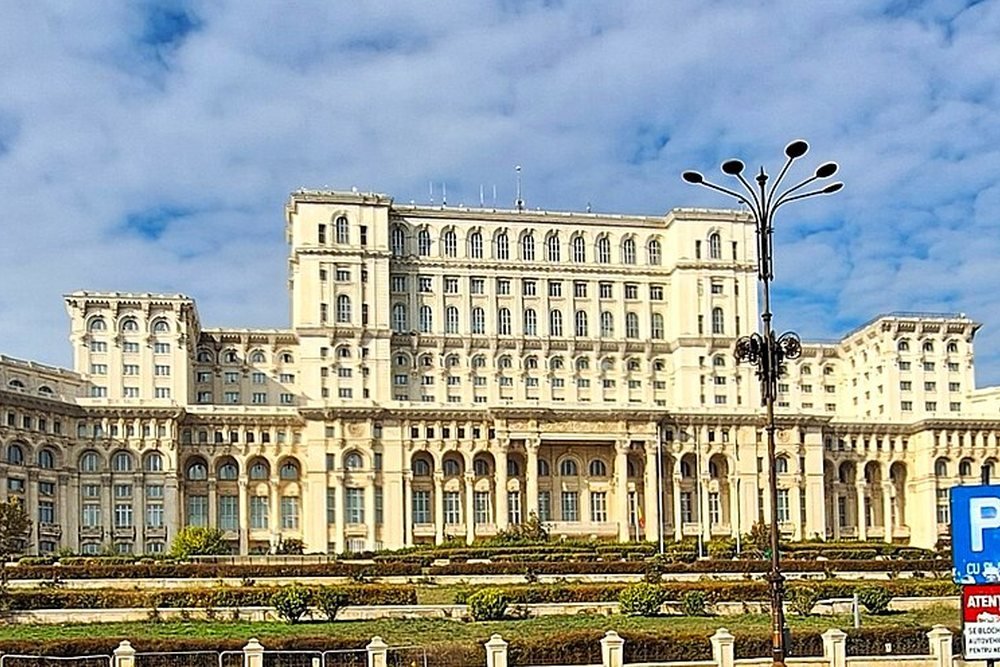
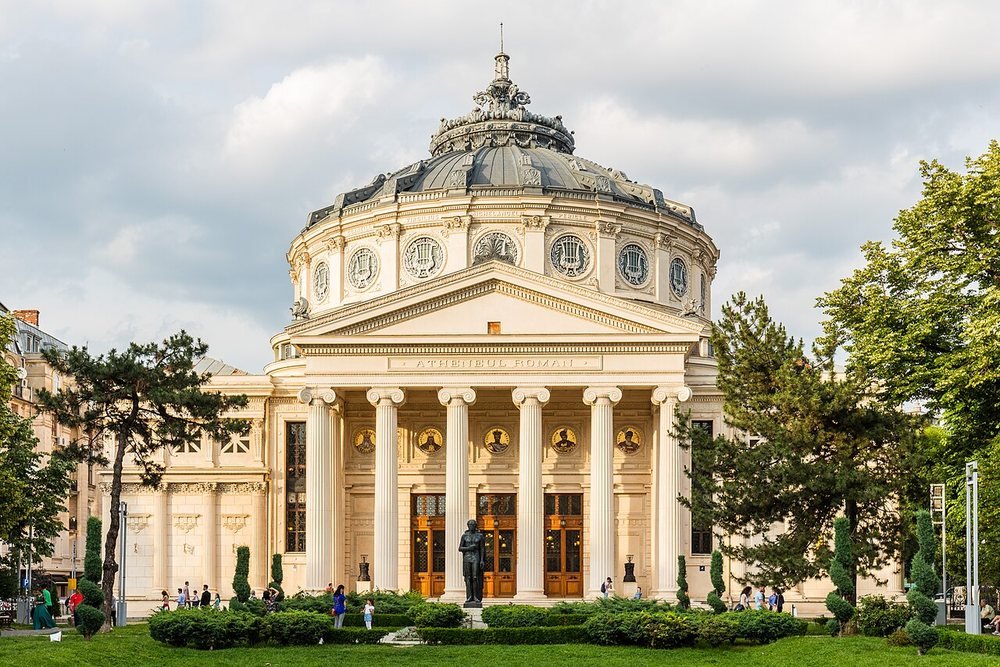

*Visits to the Palace of the Parliament are by guided tour only; book ahead and carry your original passport for the security check.
Where the Danube meets the Black Sea, its delta forms a vast maze of channels, lakes and reed beds, protected as a UNESCO World Heritage Site and biosphere reserve. Boat trips from Tulcea reveal fishing villages, water lilies and colonies of pelicans among hundreds of bird species.
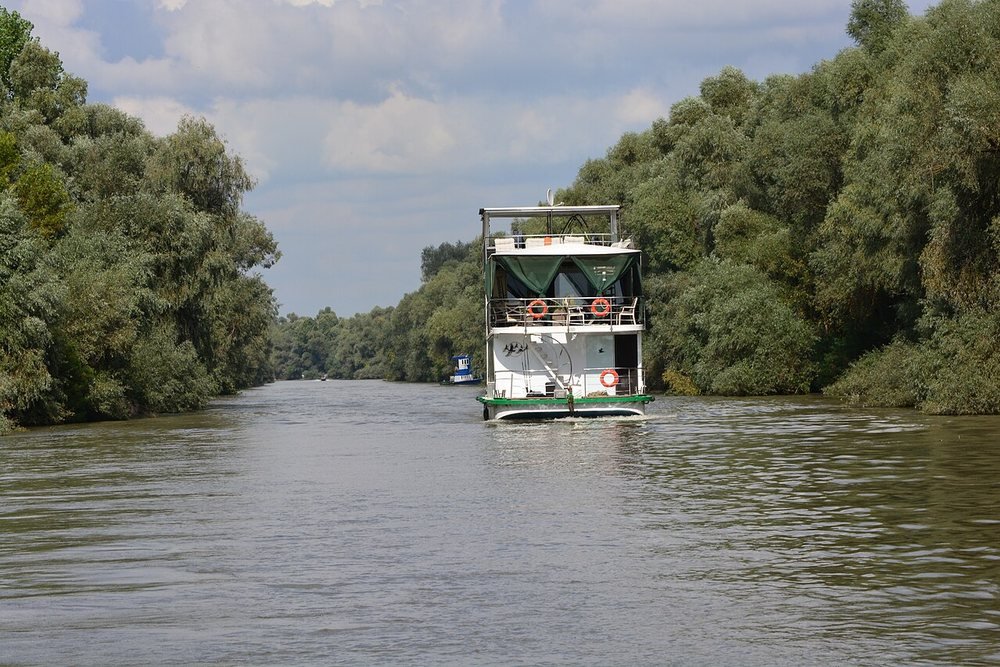


*The best time for birdwatching in the Danube Delta is from April to June and again in September, during the spring and autumn migrations.
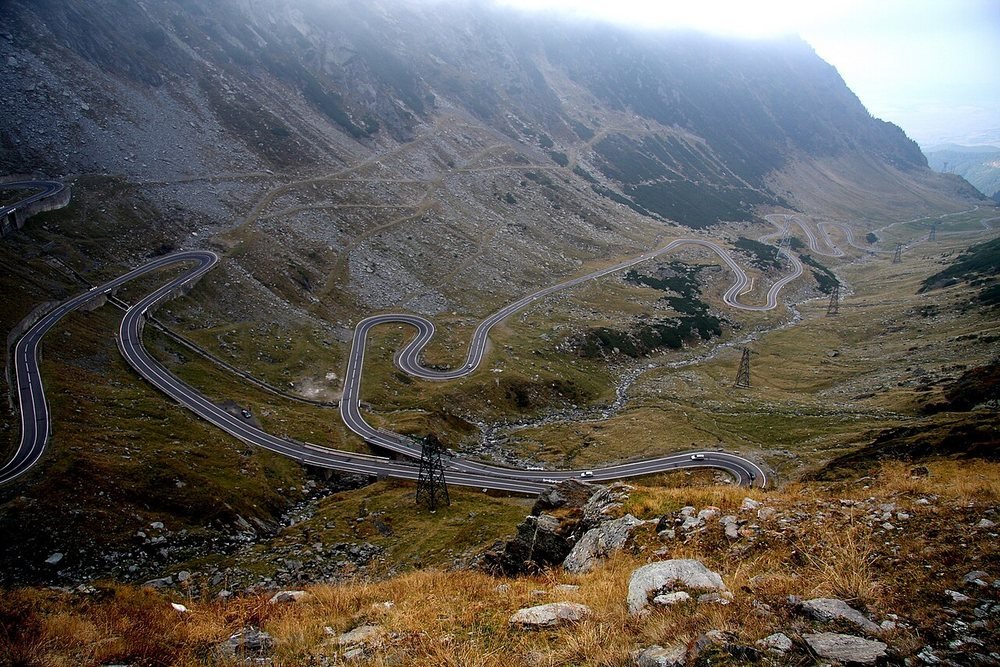
Follow the hairpin bends of this spectacular mountain road over the Făgăraș Mountains to glacial Bâlea Lake. The high section is usually open from early summer to autumn, depending on snow.

Descend into a former salt mine near Cluj-Napoca, where vast underground chambers hold a lake with rowing boats and a Ferris wheel.

Join a guided evening trip to a forest hide in the Carpathians to watch wild brown bears safely in their natural habitat.
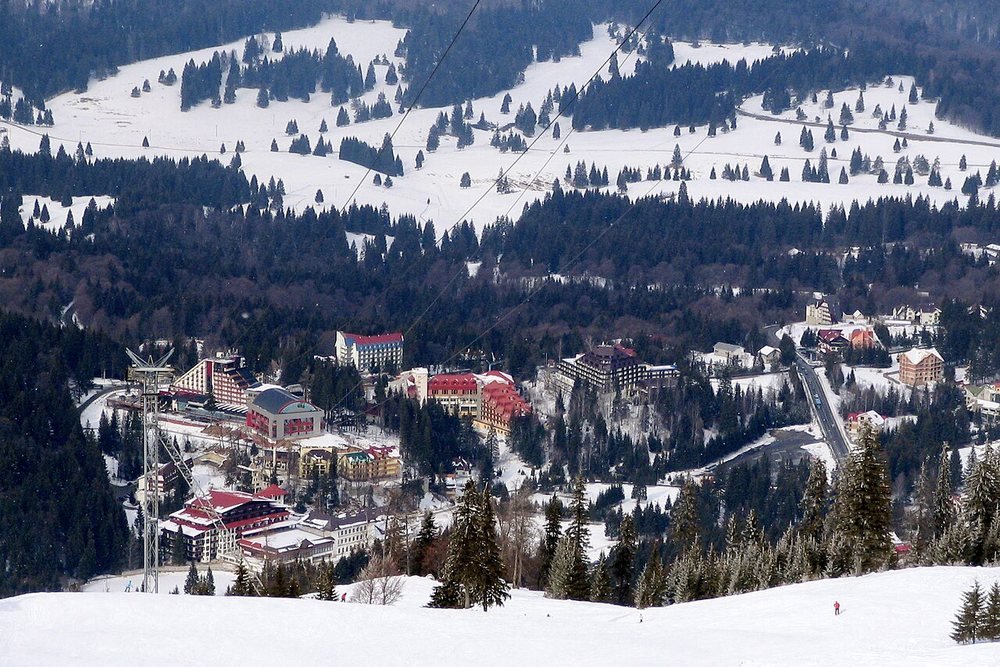
Hit the slopes at Romania's best-known ski resort, just above Brașov, with runs for beginners and experienced skiers from December to March.

Ride the cable car up from Bușteni to the Bucegi plateau to see the mushroom-shaped rocks of Babele and the nearby Sphinx.

Drive through towering limestone cliffs in the Eastern Carpathians and continue to the nearby Red Lake, famous for the tree trunks rising from its water.
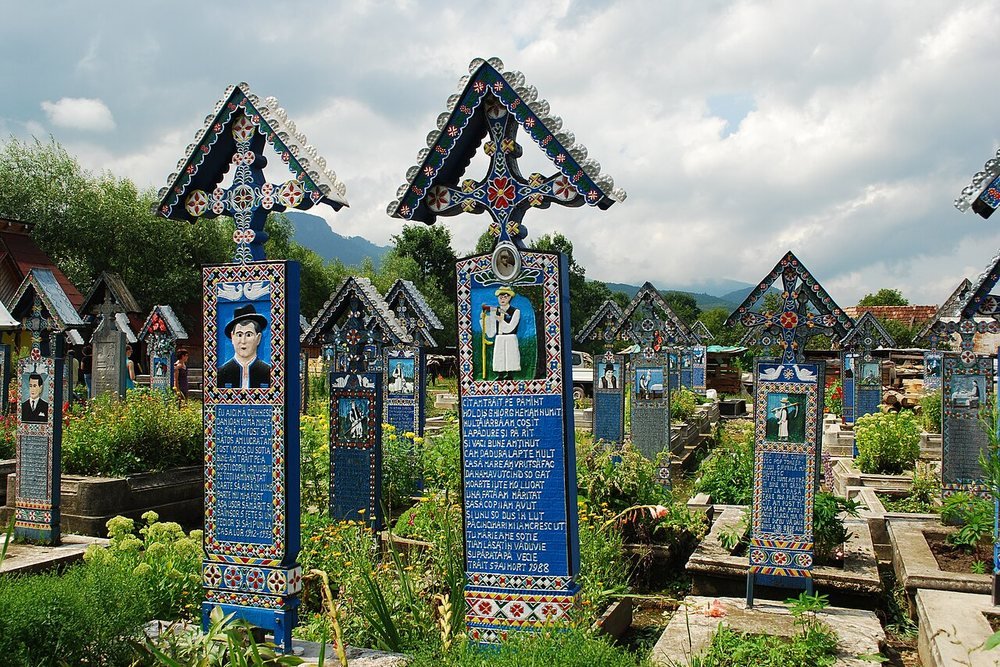
Visit this unique cemetery in Maramureș, where bright blue carved crosses carry naive paintings and witty verses about the lives of the departed.
*From mountain roads and salt mines to bear hides and ski slopes, Romania offers adventures for families, couples and groups in every season.
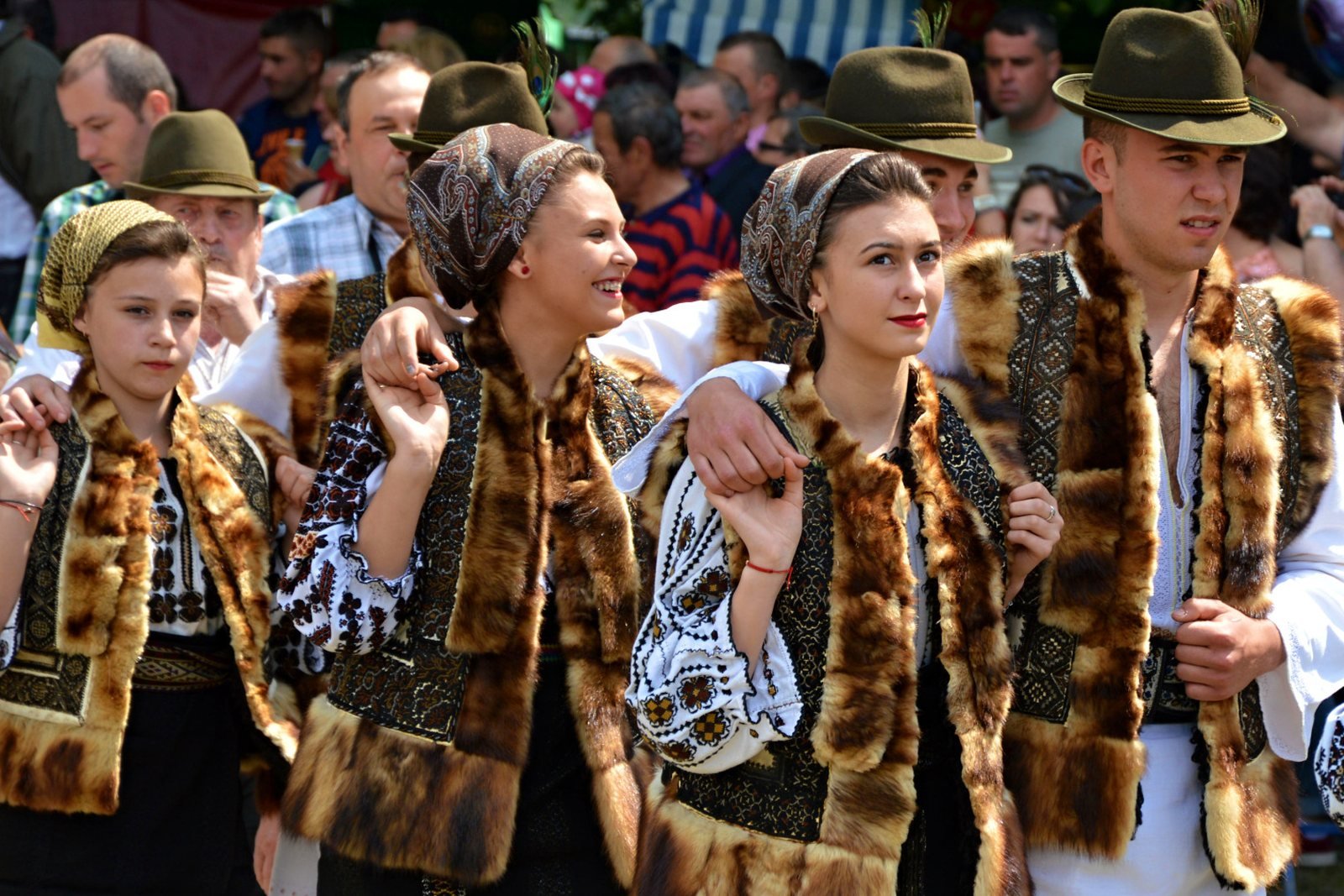
Romania's folk traditions are still part of everyday life in its villages. Watch dancers in embroidered costumes perform the energetic hora, admire the traditional embroidered blouse known as the ie, see hand-painted Easter eggs from Bucovina, and explore rural architecture at the open-air Village Museum in Bucharest. On 1 March, Romanians exchange mărțișor charms to welcome the spring.

Romania has four distinct seasons. Late spring (May to June) brings green landscapes and wildflowers, and is ideal for sightseeing and birdwatching in the Danube Delta. Summer (July to August) is the season for mountain roads, hiking and the Black Sea coast. Autumn (September to October) brings golden forests and pleasant days, while winter (December to March) is the time for skiing in the Carpathians and Christmas markets in Bucharest, Brașov and Sibiu.
Romania has a continental climate. Summers are warm to hot, with Bucharest often above 30°C in July and August, while the mountains stay cooler. Winters are cold, with temperatures around or below freezing and regular snow in Transylvania and the Carpathians.
Peak Season: June to August for summer travel and mountain roads, and December for the Christmas markets.
Off-Peak Season: April and October to November, when there are fewer crowds and better hotel offers, though some mountain roads may be closed.
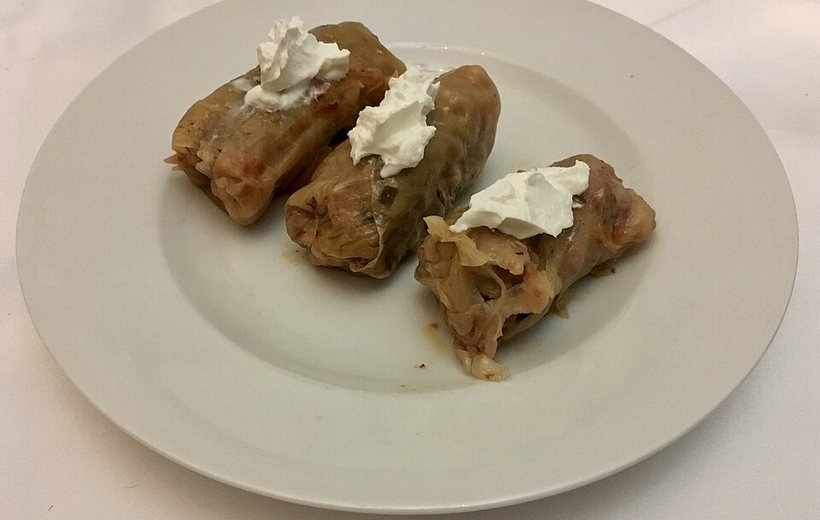
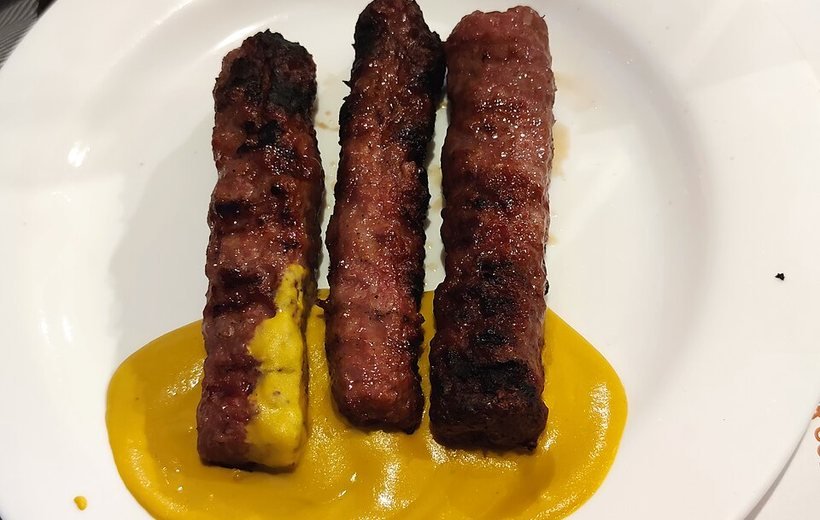
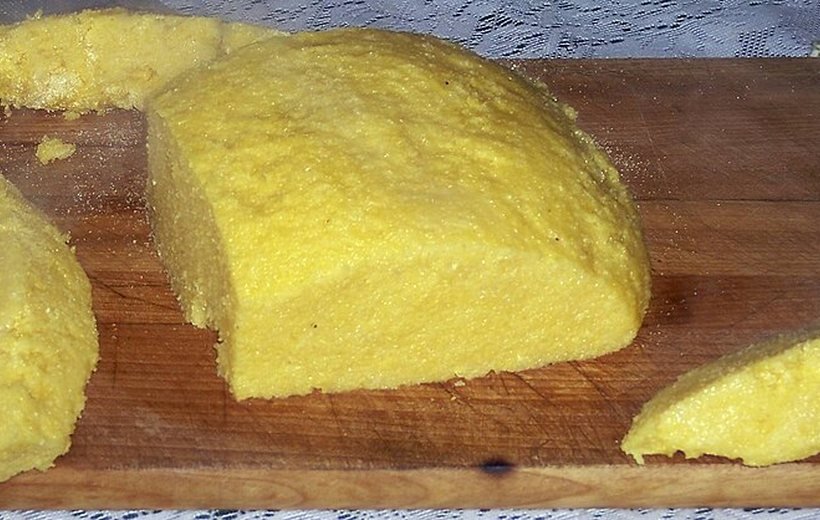
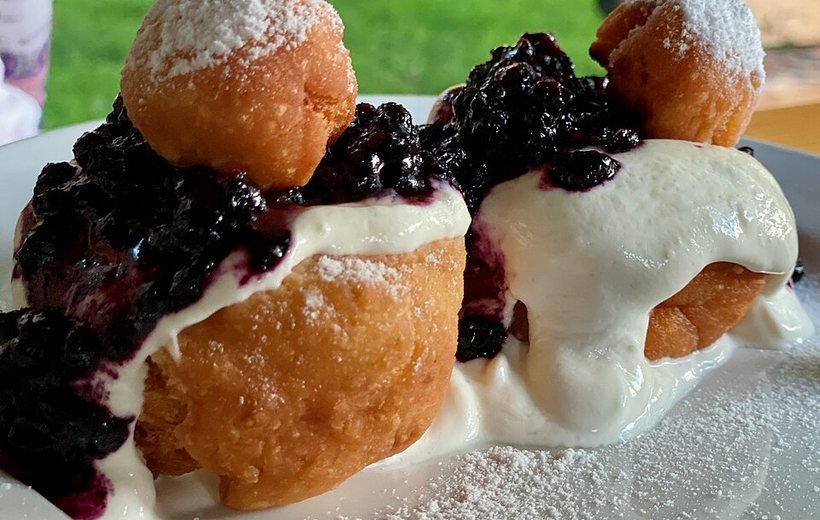
Romanian cooking is hearty and full of flavour. Try sarmale, cabbage rolls stuffed with minced meat and rice, often served with mămăligă (a golden cornmeal polenta) and sour cream; mici, grilled skinless sausages served with mustard; warming sour soups called ciorbă; and papanași, fried doughnuts topped with sour cream and jam. Vegetarians can look for dishes marked 'de post', the plant-based food eaten during Orthodox fasting periods, and Bucharest has Indian restaurants.
Romania is easy to reach from India with a single connection via the Gulf, Istanbul or a major European hub. Bucharest is the main gateway, and Cluj-Napoca and other cities also have international airports.
There are no non-stop flights from India. One-stop connections from Delhi, Mumbai, Bengaluru and other cities via Doha, Dubai, Abu Dhabi or Istanbul reach Bucharest Henri Coandă International Airport.
Romania became a full member of the Schengen Area in 2025, so Indian passport holders need a Schengen visa, which also covers the other Schengen countries. Check current requirements before you travel; we assist with visa applications.
Trains link Bucharest with Brașov, Sibiu and Cluj-Napoca, and Bucharest has a metro and ride-hailing apps. The best way to explore Transylvania's castles and villages is by private car with a driver.



May to September is ideal for sightseeing, mountain drives and the Danube Delta, with June and September offering pleasant weather and fewer crowds. December to March is best for skiing and Christmas markets.
Yes. Romania is a member of the Schengen Area, so Indian passport holders need a Schengen visa. Requirements can change, so check the latest rules before you travel; our team can assist with your visa application.
No. Travellers from India fly with one connection, usually via Doha, Dubai, Abu Dhabi or Istanbul, to Bucharest. The journey typically takes around 10 hours or more, depending on the layover.
Five days covers Bucharest, Sinaia, Brașov and Bran Castle. With 7 to 10 days you can add Sighișoara, Sibiu and the Transfăgărășan road, or the painted monasteries of Bucovina and the Danube Delta.
Bran Castle is popularly called Dracula's Castle because its dramatic clifftop setting fits the image of the vampire's home, but Bram Stoker never visited Romania and there is little evidence that Vlad the Impaler lived there. It was later a home of Queen Marie of Romania and is now a museum.
Yes. Look for 'de post' dishes, which are plant-based meals eaten during Orthodox fasting periods, along with salads, vegetable stews and bean dishes. Bucharest and other large cities also have vegetarian and Indian restaurants.
Romania uses the Romanian leu (RON), not the euro. Cards are widely accepted in cities and hotels, but carry some cash for markets, villages and small shops.
Romanian, a Latin-based language, is the official language. English is widely spoken in hotels, restaurants and tourist areas, especially by younger people.

: Subscribe to our newsletter and be the first to know about exclusive offers, new destinations, and travel tips.