Snorkelling & Diving
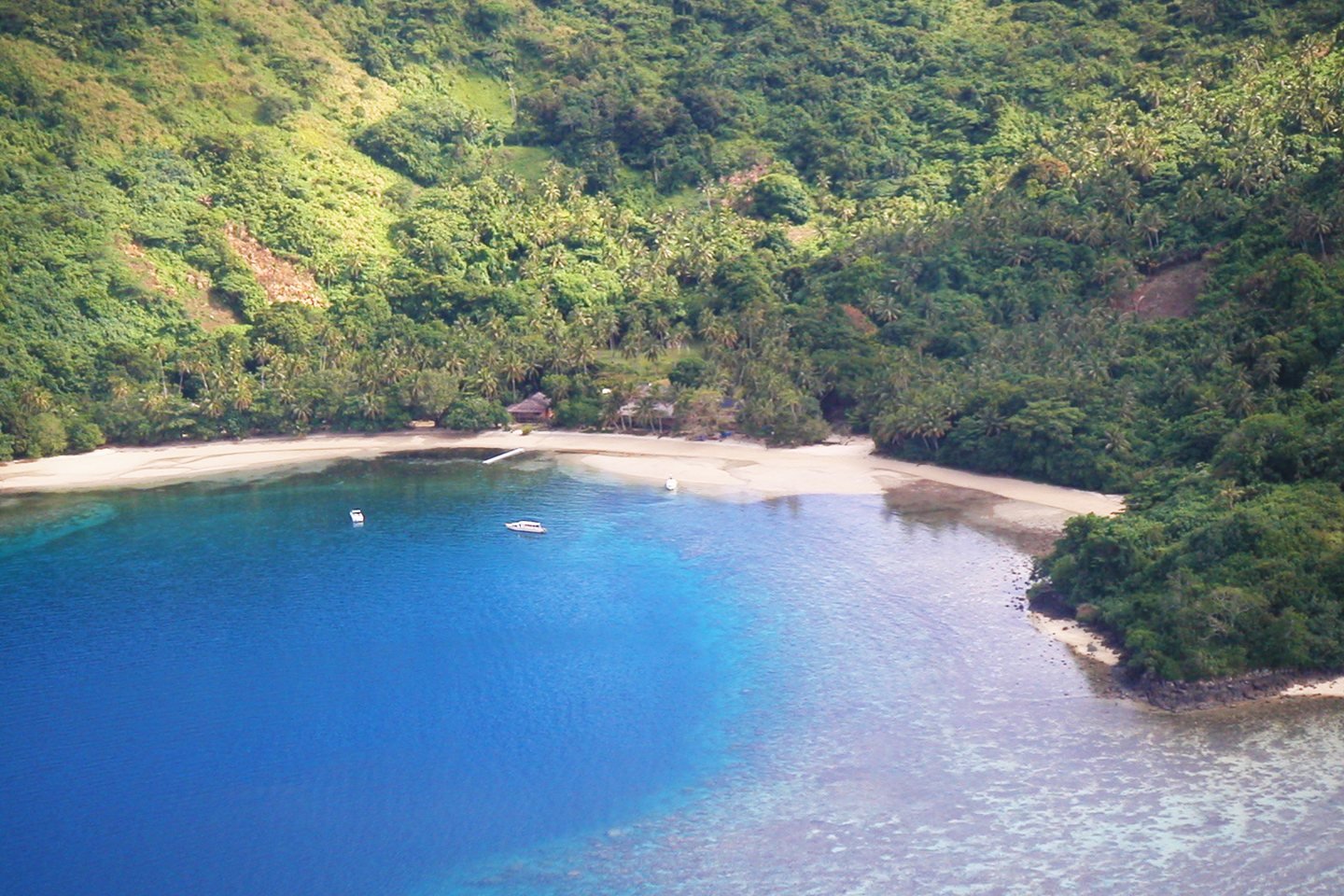
Explore coral gardens and tropical fish straight off the beach or on boat trips to the outer reefs.

Fiji is an island nation in the South Pacific made up of more than 300 islands, about a third of them inhabited. Most visitors arrive on Viti Levu, the largest island, home to Nadi International Airport and the capital, Suva. With coral reefs and palm-fringed beaches, Fiji is a favourite for couples and families looking for an island escape.
From the resort islands of the Mamanuca and Yasawa groups and the beaches of the Coral Coast to the rainforests and waterfalls of Taveuni, Fiji offers sun, sea and adventure in equal measure. Its large Indo-Fijian community, colourful Hindu temples and the Fiji Hindi heard in markets and shops also make it feel surprisingly familiar for travellers from India.
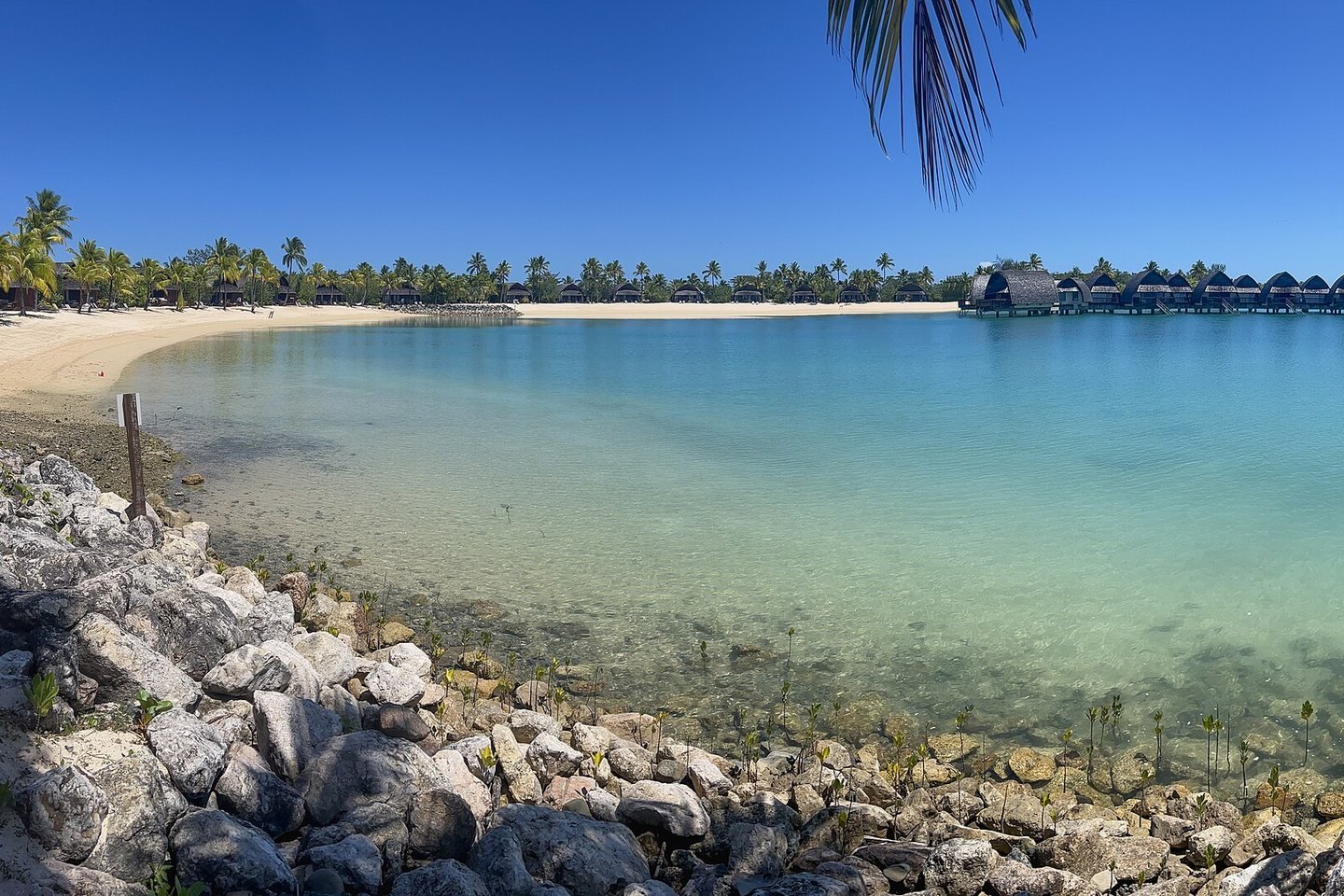
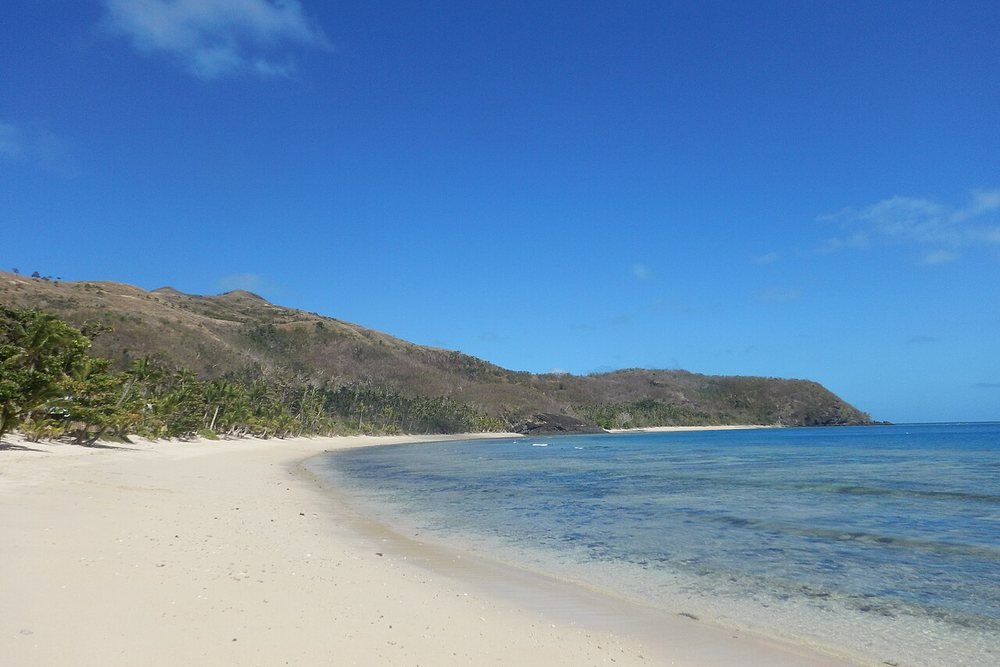
Relax on white-sand beaches and turquoise lagoons across the Mamanuca and Yasawa islands, just a boat ride from the main island.
Snorkel and dive among soft corals, reef fish, manta rays and sharks in some of the richest waters of the South Pacific.
Overwater bures, private island resorts and sunset cruises make Fiji a dream destination for honeymooners.
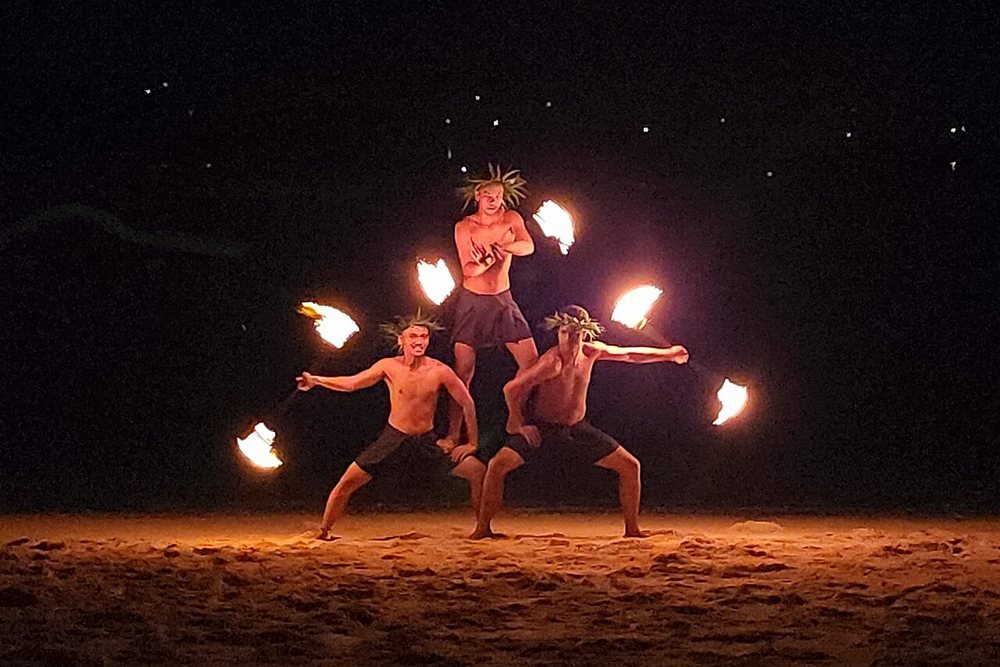
Share a bowl of kava, watch a meke dance and visit traditional villages where every guest is greeted with a cheerful "Bula!".
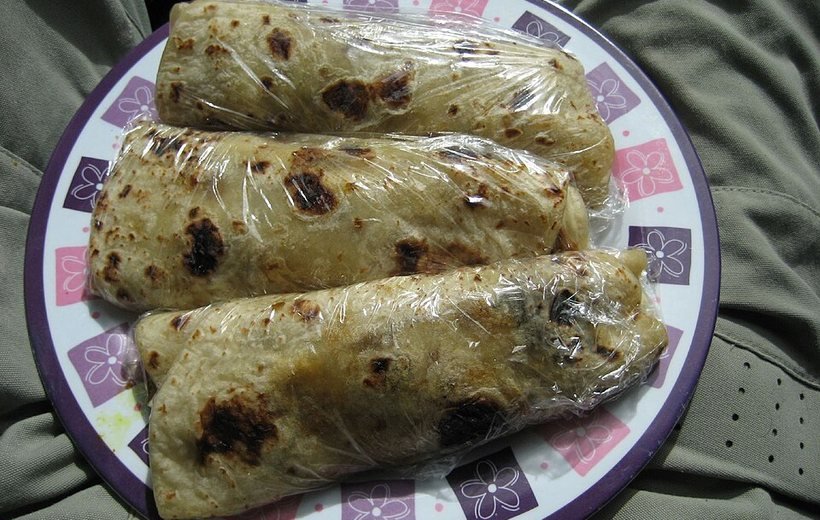
Fiji's Indo-Fijian community brings Hindu temples, Diwali celebrations and delicious curries and rotis to the islands.
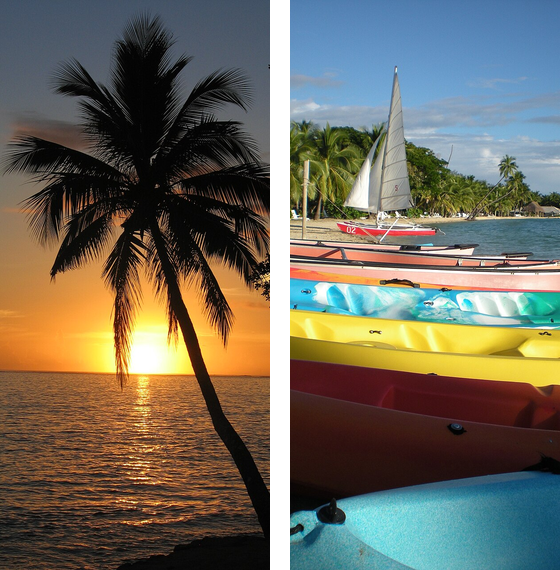



Just off Nadi, the Mamanuca Islands are Fiji's best-known resort islands, with calm lagoons, water sports and day cruises from Port Denarau. Further north, the volcanic Yasawa Islands offer quieter beaches, manta ray snorkelling and the limestone caves of Sawa-i-Lau.


*Mamanuca resorts are a short boat ride from Port Denarau or a quick seaplane or helicopter hop from Nadi, and a high-speed catamaran links the Mamanucas with the Yasawas.
Stretching along the south of Viti Levu between Nadi and Suva, the Coral Coast is lined with fringing reefs, family-friendly resorts and villages. Relax on Natadola Beach and explore the Sigatoka Sand Dunes, then head to Pacific Harbour for shark dives in Beqa Lagoon, river rafting and the famous firewalkers of Beqa Island.
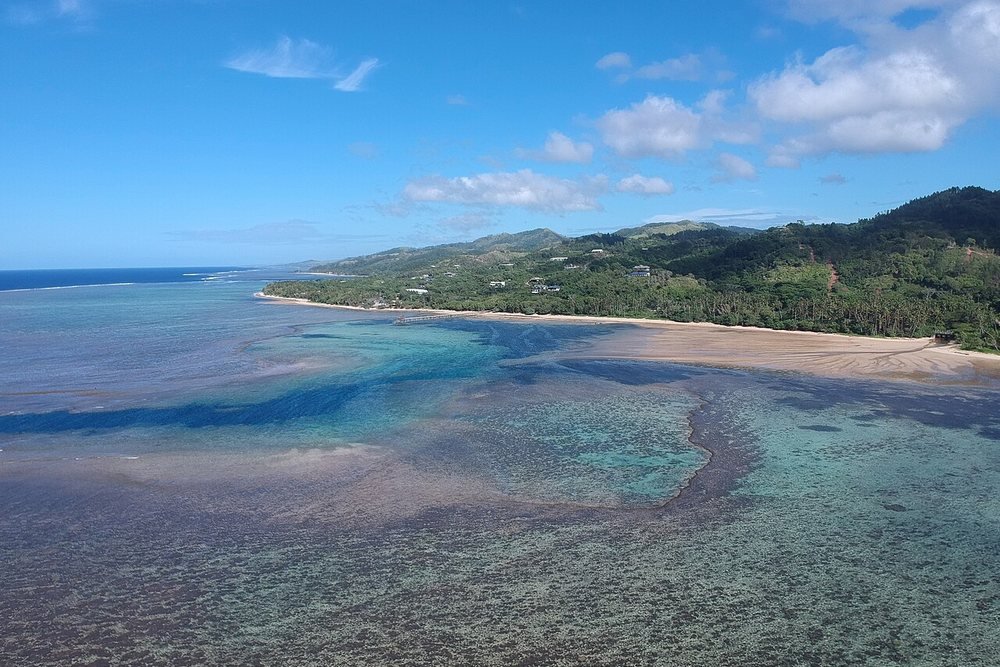
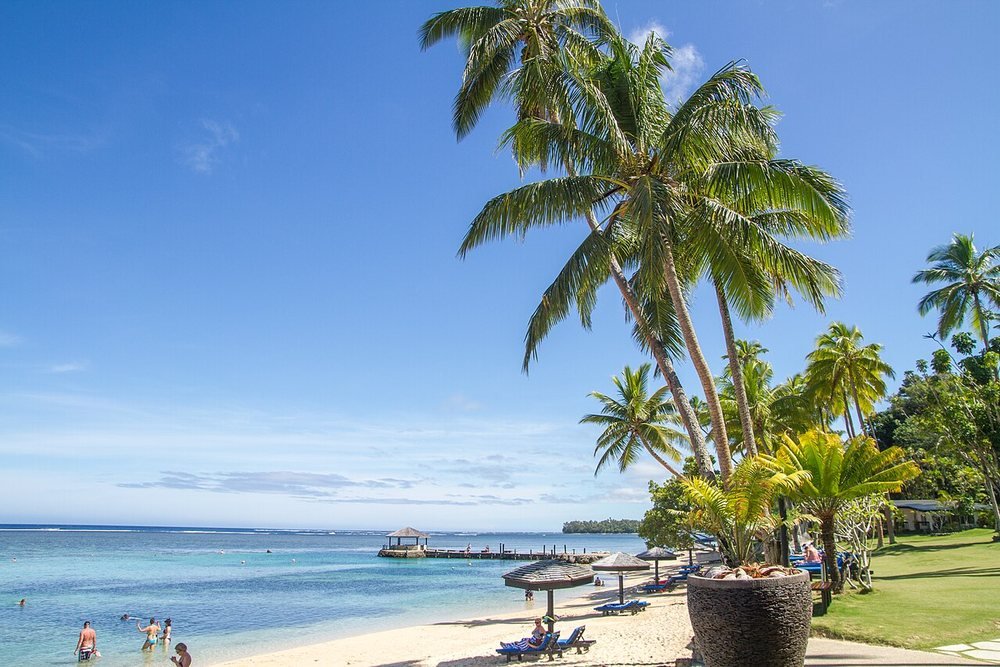

*The Queens Road runs the length of the Coral Coast, so most resorts here are one to three hours by road from Nadi Airport.
Fiji's third-largest island, Taveuni is covered in lush rainforest and known as the Garden Island. Walk to the Tavoro Waterfalls in Bouma National Heritage Park, stand on the 180th meridian and dive the Rainbow Reef in the Somosomo Strait, famous for its colourful soft corals.


*Taveuni is reached by a domestic flight from Nadi or Suva, so allow at least three nights to enjoy it.
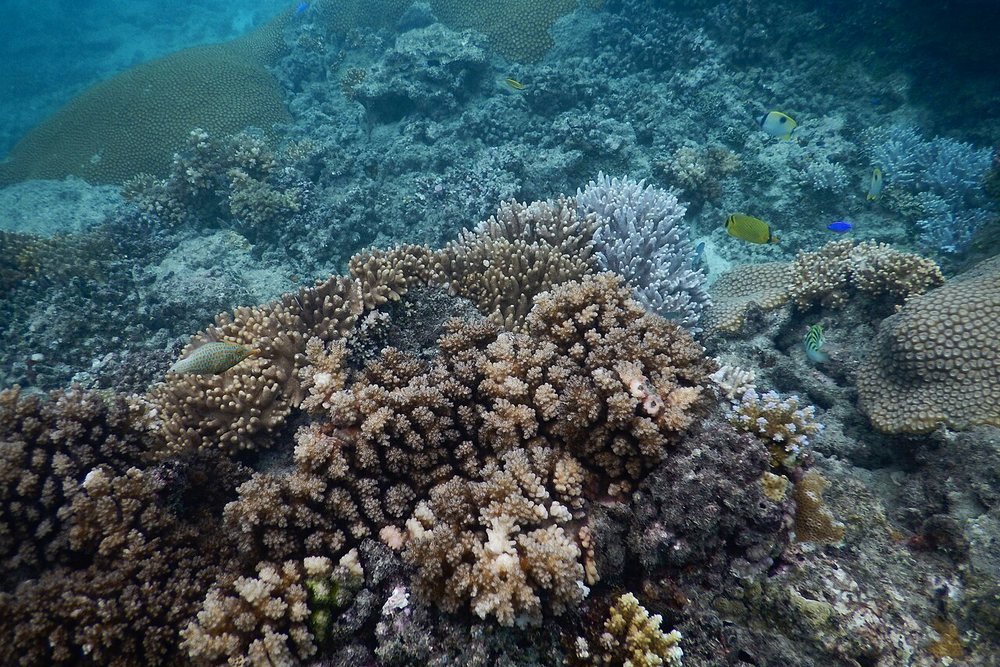
Explore coral gardens and tropical fish straight off the beach or on boat trips to the outer reefs.

Certified divers can join guided shark dives in Beqa Lagoon, near Pacific Harbour, to see bull sharks up close.
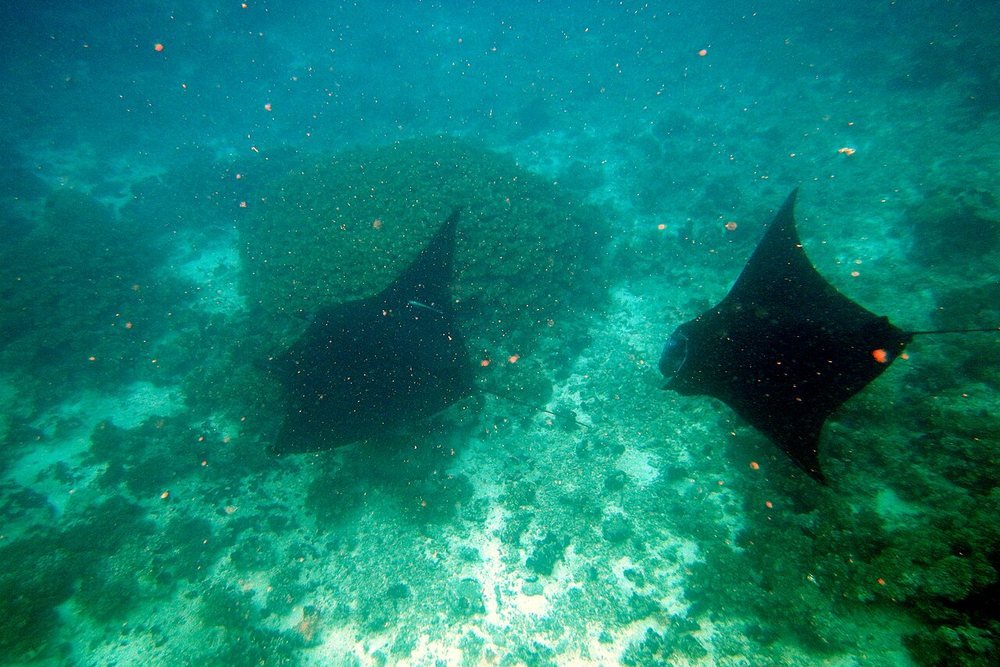
From May to October, snorkel with graceful manta rays in the channels of the Yasawa Islands.
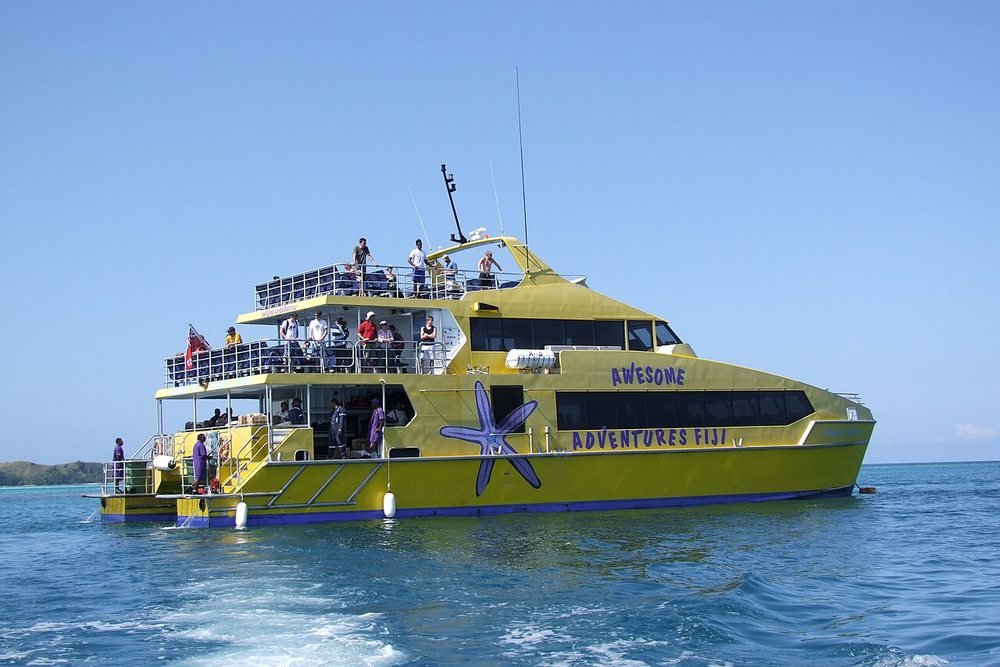
Hop between the Mamanuca and Yasawa islands by catamaran, stopping for beaches, snorkelling and village visits.

Watch or ride the world-famous waves of Cloudbreak, a powerful reef break in the Mamanucas for experienced surfers.

Travel up the Sigatoka River through the fertile valley known as the Salad Bowl of Fiji to visit inland villages.
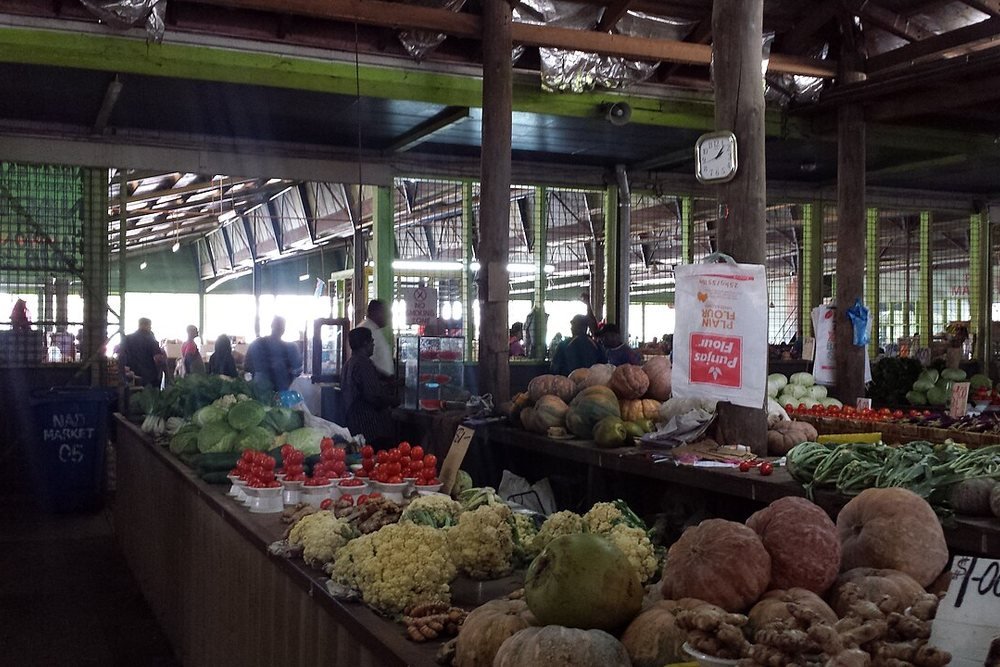
Browse tropical fruit, vegetables, spices and kava at Nadi's lively municipal market, then shop for handicrafts nearby.
*Fiji's warm waters, friendly villages and island resorts make it perfect for couples, families and adventure lovers alike.
Fiji's culture blends the traditions of the iTaukei, the indigenous Fijians, with those of the Indo-Fijian community, which traces its roots to the Indians who first arrived as indentured labourers in 1879. In villages, guests present kava roots as a sevusevu gift and share a bowl of yaqona (kava) with their hosts, and evenings often feature meke, traditional song and dance. Hindu temples, Diwali celebrated as a national holiday and Fiji Hindi spoken across the islands give Indian travellers a warm sense of home. When visiting a village, dress modestly, cover your shoulders and knees, and remove your hat.


Fiji is warm all year. The dry season, from May to October, brings sunny days, lower humidity and calm seas, ideal for island hopping, diving and manta ray snorkelling. The wet season, from November to April, is hotter and more humid, with short tropical downpours and a risk of cyclones, but also lush green landscapes and quieter resorts.
Fiji has a tropical maritime climate. Daytime highs are usually around 26°C to 31°C, slightly cooler in the dry season, and the sea is warm enough for swimming all year. The western side of Viti Levu, around Nadi and the Mamanucas, is drier and sunnier than Suva and the east.
Peak Season: June to September and the Christmas and New Year holidays, when the weather is driest and resorts are busiest.
Off-Peak Season: February and March, in the wet season, when there are fewer visitors and better resort offers, though some days are rainy.
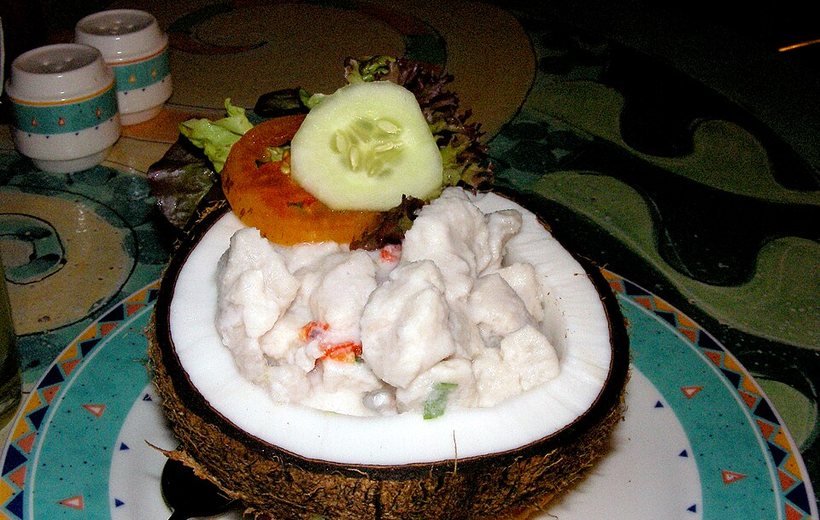
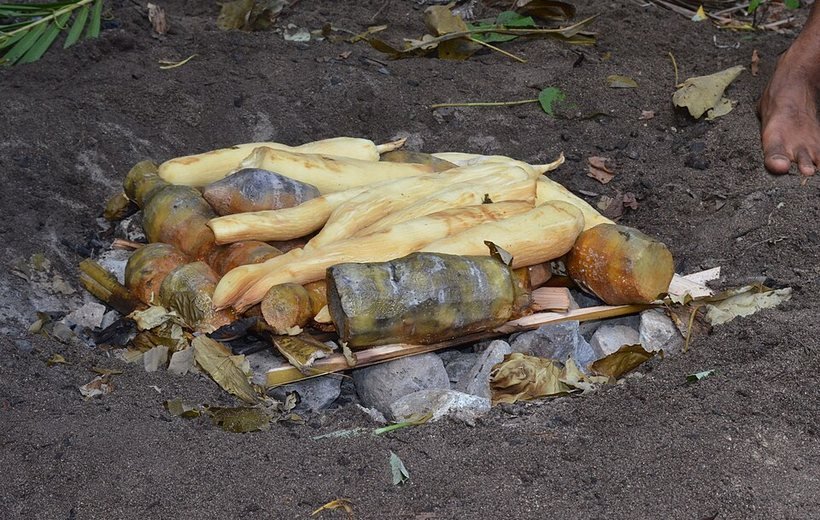
Fijian food is built around fresh seafood, coconut and root crops. Try kokoda, raw fish marinated in lime juice and coconut cream, and a lovo feast slow-cooked on hot stones in an earth oven. Indo-Fijian curries, dal and roti are found all over the islands, and cassava, known locally as tavioka, is an everyday staple. Vegetarian and Indian food is easy to find in Nadi, Suva and most resorts.

Fiji lies in the South Pacific, and most visitors arrive at Nadi International Airport on the west coast of Viti Levu, the main island. There are no direct flights from India, so travellers connect through an Asian, Australian or New Zealand hub before continuing to Nadi.
There are no non-stop flights from India. Popular routes connect through Singapore or Hong Kong, where Fiji Airways flies to Nadi, or through Sydney, Brisbane, Melbourne or Auckland. Allow a full day of travel each way, depending on connections.
Indian passport holders do not need a visa in advance for a holiday; a visitor permit of up to four months is given on arrival with a passport valid for six months, a return ticket, hotel booking and proof of funds. A transit visa may be needed if you connect through Australia or New Zealand. Rules change, so check current requirements; we assist with visas.
Boats and catamarans from Port Denarau serve the Mamanuca and Yasawa islands, and domestic flights link Nadi and Suva with Taveuni and other islands. On Viti Levu, private transfers, taxis and buses run along the Queens Road, and Fiji drives on the left.


May to October, the dry season, is the best time for sunny weather, calm seas and island hopping. November to April is hotter and wetter, with a risk of cyclones, but resorts are quieter.
Indian passport holders currently receive a visitor permit of up to four months on arrival, with a valid passport, return ticket, hotel booking and proof of funds. Rules can change, so check before you travel; we assist with visas.
There are no direct flights. Most travellers fly to Nadi via Singapore or Hong Kong, or through Australia or New Zealand, and then transfer to their resort by road, boat or seaplane.
Seven to eight days lets you combine Nadi, a few nights in the Mamanuca or Yasawa islands and the Coral Coast. Allow ten days or more if you also want to visit Taveuni.
Yes. With private island resorts, overwater bures, quiet beaches and sunset cruises, Fiji is one of the most romantic honeymoon destinations in the South Pacific.
English, iTaukei (Fijian) and Fiji Hindi are all official languages. English is widely used in hotels and shops, and many Indo-Fijians speak Fiji Hindi.
Yes. Indo-Fijian curries, dal and roti are part of everyday life, and vegetarian dishes are easy to find in Nadi, Suva and most resorts.
Fiji uses the Fijian dollar (FJD). Cards are accepted at most resorts and in towns, but carry some cash for markets, villages and smaller islands.

: Subscribe to our newsletter and be the first to know about exclusive offers, new destinations, and travel tips.